
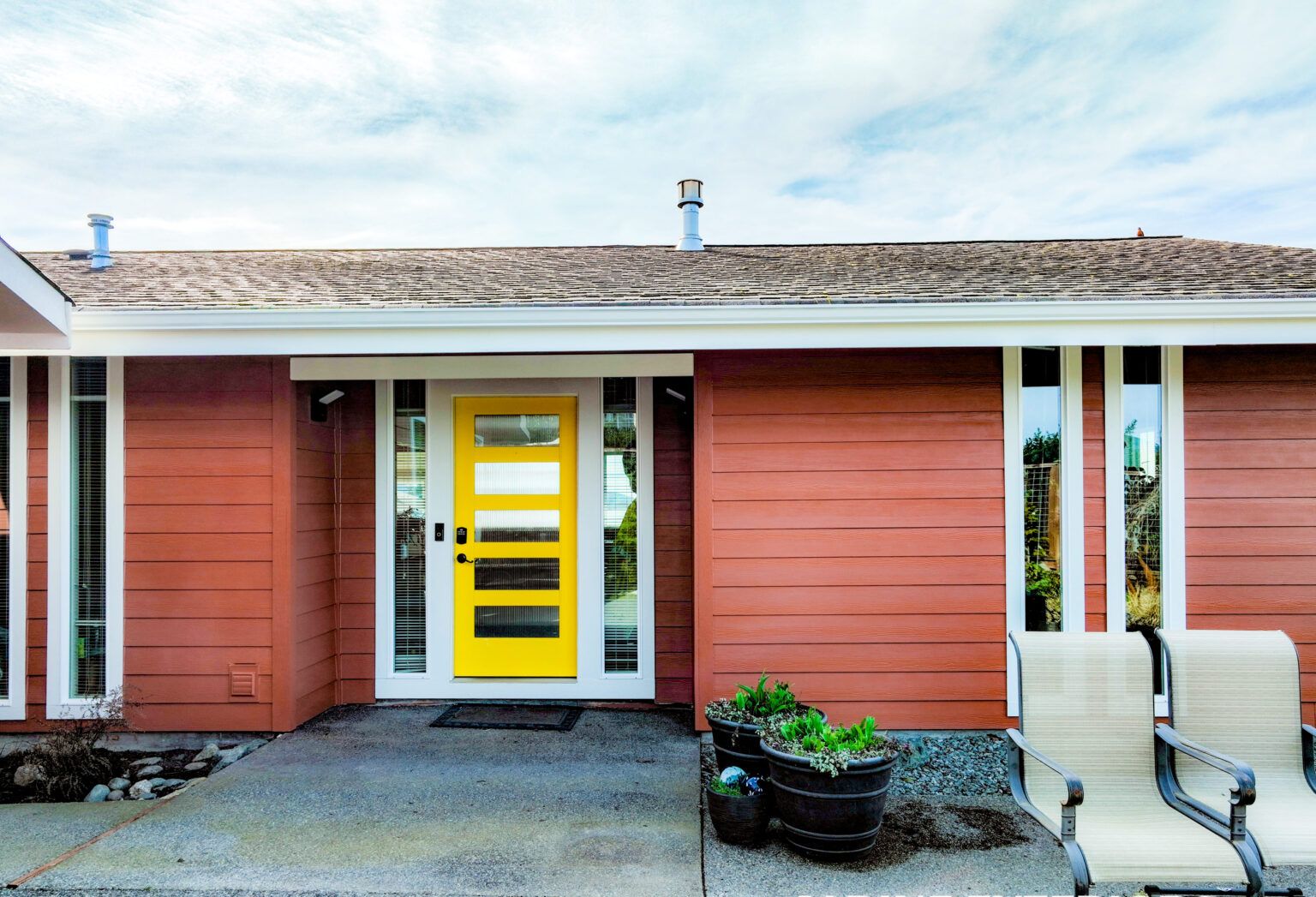
Seffner sits in the part of Hillsborough County that still remembers its farm-town roots, even as subdivisions and highway growth have filled in around it. Drive through and you'll see a real mix of housing: concrete block stucco (CBS) ranch homes from the 1970s through the 2000s, a meaningful number of manufactured and mobile homes, older wood-frame farmhouses left over from the area's agricultural past, and newer construction with vinyl or fiber cement already installed. That mix matters, because the "best" siding for a 1985 block ranch off Sydney Road isn't necessarily the best choice for a manufactured home or a wood-frame house near Sydney Dover Road. This guide walks through how we think about that decision for Seffner specifically, not for Florida in general.
For most Seffner homeowners, fiber cement siding is the strongest all-around choice, followed closely by insulated or thicker-gauge vinyl siding rated for higher wind pressure. Fiber cement holds up to Florida's humidity without swelling or rotting, doesn't feed termites, resists fading under intense subtropical UV, and carries Florida Product Approval ratings that satisfy the wind provisions of the Florida Building Code for our part of the state. Vinyl siding, when it's a wind-rated product installed correctly, is a legitimate lower-cost alternative that performs well here too, especially over an existing CBS home where the siding is doing cosmetic and weather-barrier work rather than structural work. For manufactured and mobile homes, the calculus is different again, and we cover that separately below. There is no single "best" siding for every Seffner address — there's a best siding for your home's construction type, your budget, and how long you plan to own the house.
We didn't rank these products on looks alone. For a Seffner home, five things matter more than curb appeal:
We weighed maintenance burden and upfront cost too, but those come after the durability questions above, not before them — a cheap siding that fails in eight years costs more than a pricier one that lasts twenty-five.
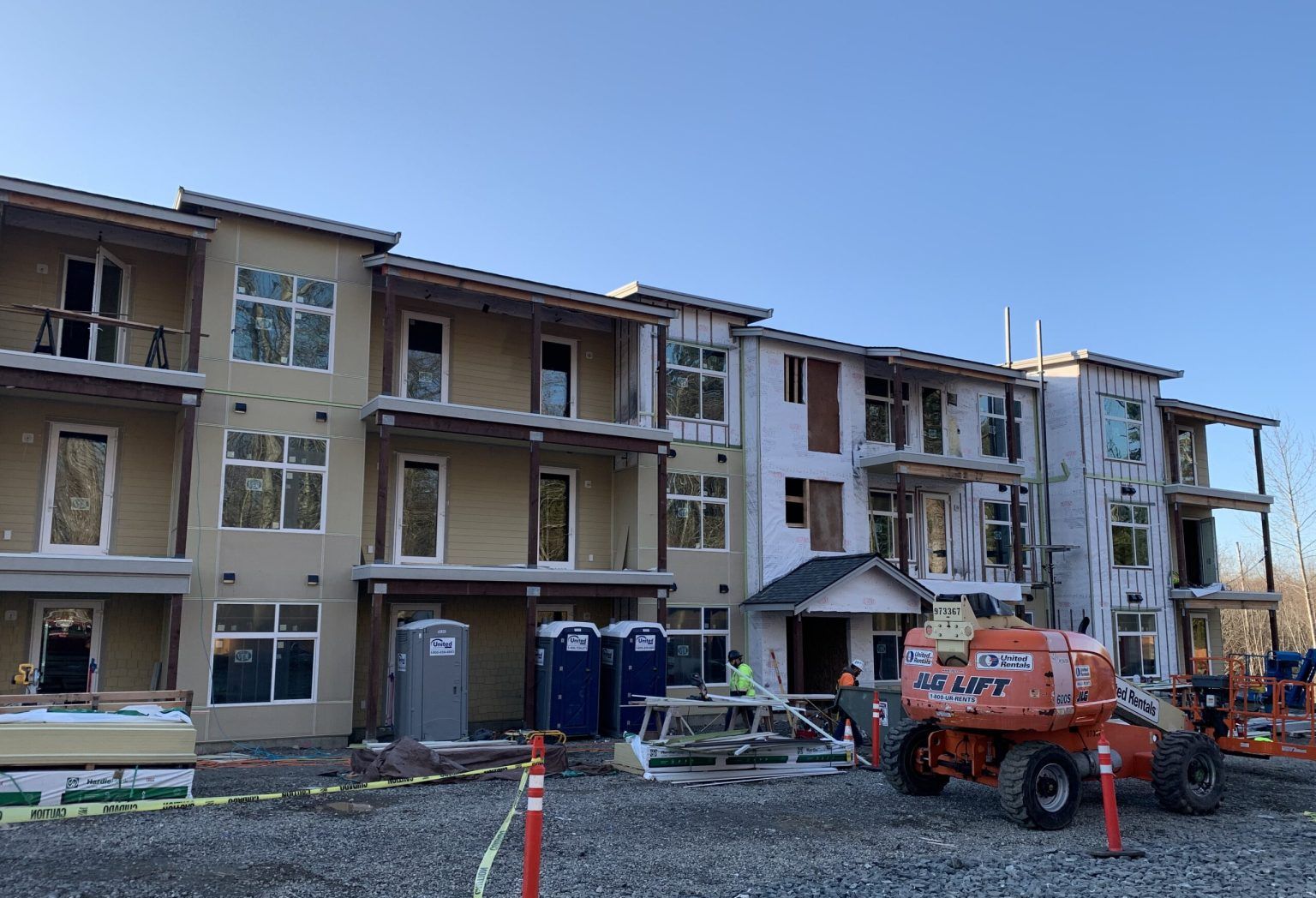
Fiber cement (cement, sand, and cellulose fiber pressed into planks or panels) is the closest thing to a universal recommendation for this area. It doesn't rot, doesn't feed termites, and holds paint far longer than wood because it doesn't expand and contract with humidity the way wood does. Manufacturers publish Florida Product Approvals for their plank and panel systems, which makes code compliance straightforward for a permitted install. The main drawbacks: it's heavier and more labor-intensive to install than vinyl, which pushes installed cost higher; it must be factory-primed or field-painted and that paint job will eventually need refreshing (figure on repainting on a longer cycle than wood, but it's not a never-paint product); and if it's cut without proper dust control, the silica dust is a real jobsite hazard that needs to be managed correctly. For a CBS or wood-frame home in Seffner that the owner plans to keep for the long haul, fiber cement is usually worth the extra upfront cost.
Modern wind-rated vinyl siding has come a long way from the thin, brittle panels of decades past. Thicker-gauge products with a documented Florida Product Approval for wind pressure, installed with the correct fastener pattern and starter strips, perform well on Seffner homes and cost less installed than fiber cement. Vinyl won't rot or rust, and it doesn't feed termites. The tradeoffs are real, though: standard vinyl can soften and warp near grills, dark colors absorb heat and can distort under direct Florida sun, and a hard-enough windblown-debris impact can crack or tear a panel in a way that's harder to spot-repair invisibly than fiber cement. Cheap, thin, big-box vinyl without a proper product approval is a false economy here — it's the product we see fail first after a windstorm.
This is standard vinyl siding with a foam backing laminated to it. The foam stiffens the panel, which helps with impact resistance and reduces the oil-canning look you sometimes get on thinner vinyl, and it adds a modest amount of R-value to the wall assembly — useful in a climate where the air conditioner runs most of the year. It costs more than standard vinyl and, because the foam traps a layer against the wall, it's important that the wall assembly behind it can still dry outward; on an older Seffner home with an unclear moisture history, that's worth having assessed before installing rather than assuming it's a drop-in upgrade.
A large share of Seffner's existing housing stock is concrete block with a stucco finish rather than lap siding at all, and it's worth naming as an option because many owners are really deciding whether to re-stucco or switch to siding over the block. Stucco on solid CBS construction is inherently strong against wind and doesn't burn or feed termites, and it's a familiar, code-accepted system for this region. Its weak points are cracking as the block and stucco move slightly over time (which, left alone, becomes a water-entry point) and the fact that a full re-stucco is disruptive and not cheap. Cladding over stucco with fiber cement or vinyl is sometimes the more practical move on an older block home with widespread stucco failure, rather than chasing crack repairs indefinitely.
We're including wood because some of Seffner's older farmhouse-style homes still have it, not because we'd recommend it new. Wood looks good and can be repaired board by board, but in this climate it's fighting humidity, fungal rot, and termites constantly, and it needs a repaint or reseal on a shorter cycle than any other option here. On an existing wood-sided home with historic character, targeted repair and diligent maintenance can keep it going. As a first choice for new siding in Seffner, we don't recommend it.
You'll still find aluminum on some older Seffner homes. It won't rot or feed termites, but it dents easily, the factory finish chalks and fades under sustained Florida UV, and it can develop a distinct "tin roof in a storm" noise during wind-driven rain that some owners find bothersome. We generally recommend replacing rather than patching aluminum siding that's reached the end of its finish life.
A few choices come up often enough in this area that they deserve a direct warning. Untreated or standard (non-pressure-treated, non-rated) wood siding installed new is a mistake in Hillsborough County's humidity and termite pressure — it's fighting the climate from day one. Thin vinyl siding without a documented Florida Product Approval for wind pressure may be cheaper by the square, but it's the product most likely to crack, tear, or blow off in a tropical storm or hurricane, and an uninsured failure there is expensive twice over. Older hardboard (compressed wood fiber) siding, common on some 1980s-90s Florida construction, has a well-known history of swelling and delaminating when it absorbs moisture at butt joints and fastener heads; if your Seffner home still has it, budget for replacement rather than repair. And on manufactured or mobile homes, standard site-built siding systems generally aren't approved for that wall structure at all — those homes need siding rated and installed specifically for manufactured housing under HUD and Florida's manufactured-home rules, which is a different product line than what goes on a stick-built or CBS house.
Siding itself isn't a line item on Florida's wind mitigation inspection form (OIR-B1-1802) — that form focuses on roof shape, roof-to-wall connections, opening protection, and similar structural items. Where siding helps indirectly is durability during a storm: a wind-rated, properly installed product is less likely to fail and expose the wall assembly to wind-driven rain, which reduces the odds of an interior water-damage claim after a storm passes.
Ask for the manufacturer's Florida Product Approval (FL number) for the specific product line, and confirm with your contractor that the approval covers the wind pressure and exposure category required for your address under the Florida Building Code. A reputable installer will have this documentation ready before the permit is pulled, not after.
It depends on how widespread the stucco damage is. Isolated cracks and small areas of failure are usually cheaper to patch than to cover over. But if cracking, moisture staining, or bond failure is spread across most of the exterior, cladding the block with fiber cement or wind-rated vinyl can end up being more cost-effective than repeated stucco repairs, and it gives you a fresh, uniform look in the process.
It varies by paint quality, color, and sun exposure on each elevation, but fiber cement generally holds a paint job noticeably longer than wood does because the substrate itself doesn't move with humidity. South- and west-facing walls that take the most direct Florida sun will show wear first; a periodic visual check for chalking or hairline cracking at caulk joints will tell you when it's time before it becomes a moisture problem.
The right siding for a manufactured home off Kingsway Road isn't the right siding for a 1990s block ranch near Seffner Elementary, and a generic online recommendation can't account for that. Alpine Exteriors serves Seffner and the rest of Hillsborough County as part of our Tampa Bay service area, and we can walk your specific home, look at what's actually on the walls now, and give you a straightforward recommendation based on your construction type, budget, and how long you plan to stay in the house — no pressure toward the most expensive option just because it's the one with the best margin. Alpine Exteriors holds Florida contractor license RB29003900. If you're weighing siding options for a Seffner property, reach out and we'll give you our honest read before you spend a dollar.