
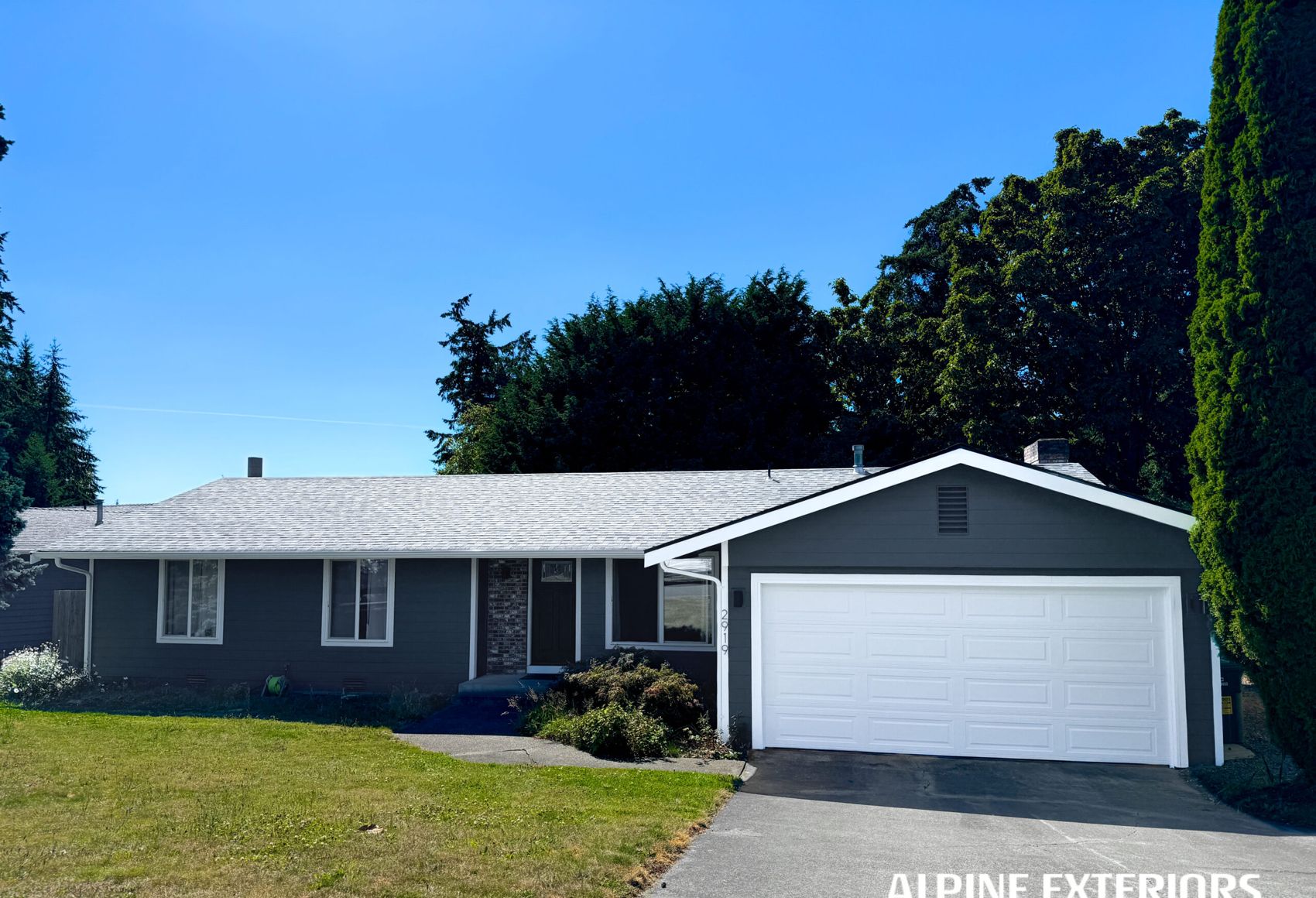
New Port Richey sits close enough to the Gulf that salt-tinged air reaches most neighborhoods, yet far enough inland that it falls outside Florida's High-Velocity Hurricane Zone. That combination shapes what actually performs well here. The area's housing stock is a mix: concrete block homes with painted stucco from the 1970s and '80s in neighborhoods like Beacon Square and Gulf Harbors, newer vinyl- and fiber-cement-clad construction further east toward Trinity, and a scattering of older wood-frame houses near the historic downtown. Whatever you're covering, the siding has to survive high wind loads, wind-driven rain, thick summer humidity, intense UV, and steady termite pressure — often all in the same year. This guide walks through the materials we install and repair most often around Pasco County, what each one actually does well, and where each one falls short.
For most New Port Richey homes, we steer people toward one of two materials, depending on the house and the budget. Fiber cement siding (HardiePlank and similar products) is our default recommendation for wood-frame homes or full re-sides, because it resists moisture, doesn't feed termites, and holds up to Florida sun without warping. Impact-rated vinyl siding is the practical choice when budget matters more than longevity or when the existing wall assembly is already vinyl-ready, since modern thick-gauge vinyl with a matching Florida Product Approval can handle regional wind speeds at a lower installed cost. If your home is concrete block, in many cases the better move isn't new siding at all but repairing and repainting the existing stucco — we'll cover why below.
We didn't rank these products on looks or brand name. We ranked them on how they hold up to the specific stresses a New Port Richey exterior faces year after year.
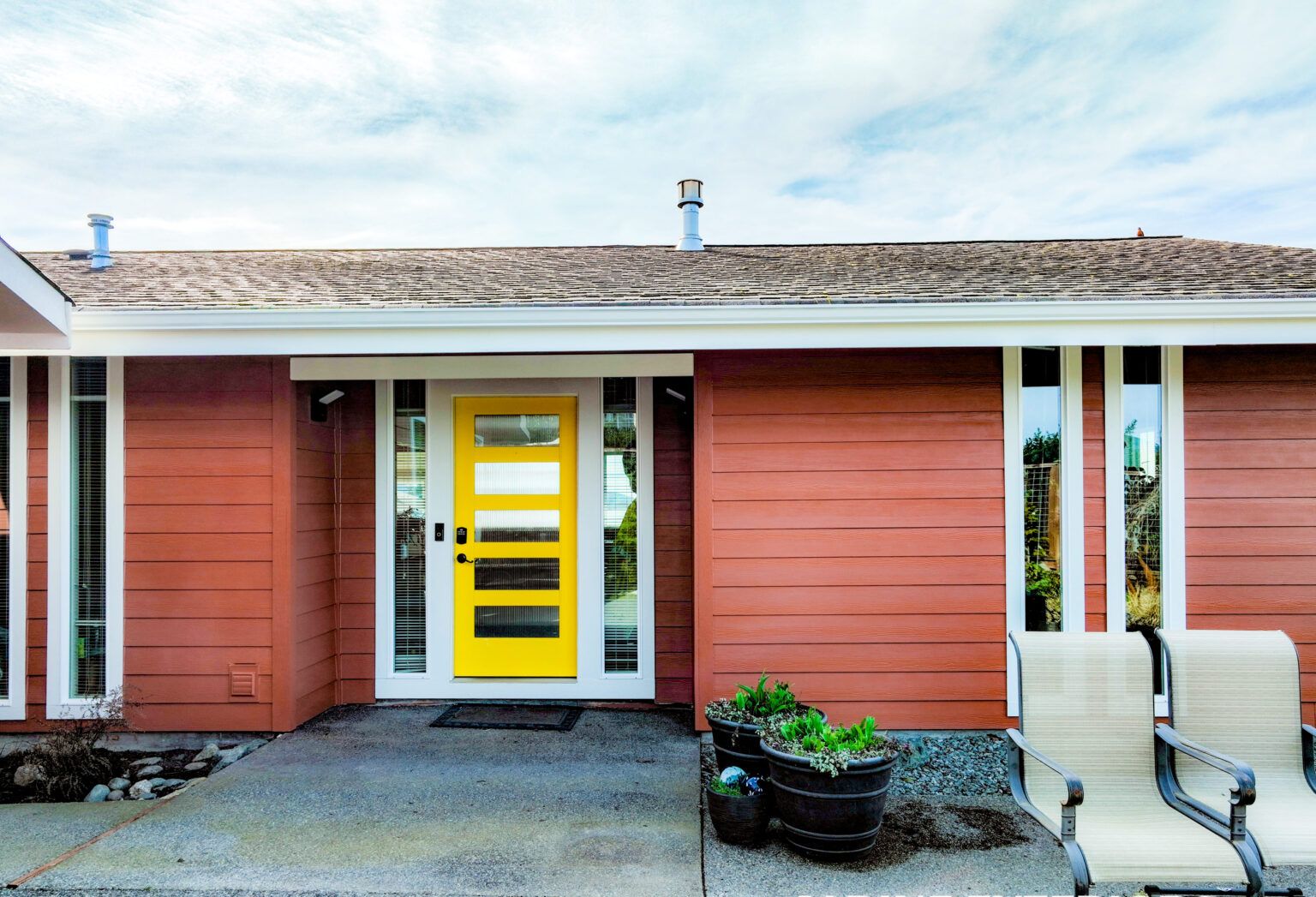
Fiber cement is a blend of cement, sand, and cellulose fibers pressed into planks or panels, then factory-primed or pre-finished. It's become the standard upgrade for wood-frame and re-side projects across Pasco County, and for good reason.
Pros: Fiber cement doesn't feed termites, doesn't rot, and doesn't warp in humidity the way real wood does. It holds paint far longer than wood siding because the substrate itself is dimensionally stable, so you're not fighting expansion and contraction every season. Florida Product Approval is available for fiber cement lap siding at wind speeds that cover most of Pasco County, and the heavier mass of the material genuinely resists wind-driven debris better than lighter products. It also gives a more traditional, painted-wood look, which matters to homeowners in neighborhoods with an established architectural character.
Cons: It's heavier and more labor-intensive to install than vinyl, which shows up in the installed cost — expect it to run meaningfully higher than vinyl per square foot. It has to be field-cut with proper dust control, and every cut edge needs to be sealed and caulked correctly or moisture will find its way in over time. It's also not maintenance-free: even factory-finished products need caulking checked periodically and will eventually need repainting, typically on a longer cycle than wood but not never. Installed poorly — without correct clearance from grade, roofing, and horizontal surfaces — fiber cement can wick moisture at the bottom edge, which is one of the more common repair calls we get on other contractors' work.
Vinyl remains the most common re-side material in Florida because of its price point, but not all vinyl is equal, and that distinction matters more here than in milder climates.
Pros: Thick-gauge vinyl with a current Florida Product Approval for wind pressure can perform well against the wind loads Pasco County sees, and it costs less installed than fiber cement or stucco repair in most cases. It's inert — it doesn't feed termites and doesn't rot — and it needs essentially no repainting. Modern vinyl profiles also do a better job shedding wind-driven rain than older products from decades past, thanks to improved lap and interlock design.
Cons: Thin, budget-grade vinyl is the single most common siding failure we see after a named storm — it cracks, lifts at the corners, or blows off outright, because it either lacks a real product approval for the local wind speed or wasn't fastened to spec. Vinyl also has a real UV ceiling: even good vinyl can fade, chalk, or become more brittle after roughly one to two decades of unbroken Florida sun, and darker colors fade faster and run hotter against the wall. It's also the material most likely to show heat-related warping if installed too tight against manufacturer expansion gaps — something we check on every tear-off of prior vinyl work. Vinyl is a reasonable choice here, but only the impact-rated, thick-gauge product lines, installed to the approval's exact fastening schedule.
Because so much of Pasco County's housing stock is concrete block construction, stucco isn't really an alternative siding — it's already there on most of these homes, applied directly over the block or over a wire lath system on frame walls.
Pros: Traditional three-coat stucco over CBS is inherently strong against wind loads, since the wall assembly itself is masonry. It doesn't feed termites, doesn't need product-approval documentation in the way applied siding does (it's part of the wall system), and with a quality elastomeric paint finish it handles UV and humidity well. For homes that already have sound stucco, refinishing rather than covering it with new siding is often the more durable and more cost-effective path.
Cons: Stucco cracks — from settling, from thermal movement, and sometimes from the original application quality — and every crack is a potential water entry point that can lead to hidden damage behind the wall if left unsealed. Synthetic stucco systems (as opposed to traditional three-coat) have a mixed track record in humid climates when the drainage plane behind them isn't detailed correctly, and repairs on those systems require real expertise to avoid trapping moisture. Full stucco replacement, when it's actually needed rather than repair-and-repaint, is typically one of the more expensive options on this list.
We see this most often on garages, workshops, and some manufactured or mobile homes rather than primary living structures, but it comes up often enough to address directly.
Pros: Steel panel siding is strong against wind and doesn't burn, rot, or feed termites, and a quality baked-on finish resists UV fading better than vinyl over the long run.
Cons: This is where salt air actually becomes the deciding factor. Bare or poorly coated steel and aluminum corrode faster the closer a property sits to the Gulf, and fasteners are usually the first point of failure — we've replaced plenty of rusted trim screws on homes within a few miles of the water. It also dents more visibly than fiber cement or vinyl and can be noisy in heavy rain, which matters more on an occupied home than an outbuilding. For a primary residence, we generally only recommend it when the homeowner specifically wants the look and understands the corrosion trade-off.
A few materials and shortcuts come up regularly in older homes or lower-bid quotes around New Port Richey, and we'd steer most homeowners away from them.
Good vinyl can be, but the product matters more than the material category. Thick-gauge vinyl carrying a current Florida Product Approval rated for the design wind speed at your address, installed to that approval's exact fastening schedule, performs reasonably well. Thin, budget-grade, or improperly fastened vinyl is the most common siding failure we see after storms in this area, so the approval documentation and installation detail are what actually determine performance, not the fact that it's vinyl.
Fiber cement itself doesn't feed mold or absorb moisture the way wood does, so the material is well suited to a humid climate. The risk isn't the plank — it's the installation. Cut edges that aren't sealed, insufficient clearance from grade or roofing, and gaps at trim and flashing can let moisture behind the siding, where it can sit against sheathing in our humidity for long stretches. Correct detailing at every joint and edge is what keeps fiber cement performing the way it's designed to.
Sometimes, but it depends on the condition of the stucco and the wall assembly underneath. If the existing stucco is sound, repairing cracks and refinishing it is often more cost-effective and just as durable as covering it with new siding. If the stucco is failing — extensive cracking, delamination, or trapped moisture behind it — that damage typically needs to be addressed before any new material goes over it, since covering a moisture problem doesn't solve it.
It varies with square footage, trim complexity, and whether tear-off of old material and repair of the wall sheathing underneath is needed, so we'd rather give you a real timeline after walking the property than a generic number. Weather is the other variable — Florida's rainy season and any active storm watches can add days regardless of the material chosen.
Every one of these materials can be the right answer on the right house — the deciding factors are your wall type, your budget, and how close you sit to the Gulf. Alpine Exteriors is a licensed Florida contractor (RB29003900) serving New Port Richey along with Tampa, Wesley Chapel, Lutz, Land O' Lakes, Plant City, and Zephyrhills. We'll walk your property, check what's actually holding up your current siding or stucco, and give you a straight comparison of options with real cost ranges before you commit to anything. Contact Alpine Exteriors to schedule a walkthrough and get a written estimate for your home.