
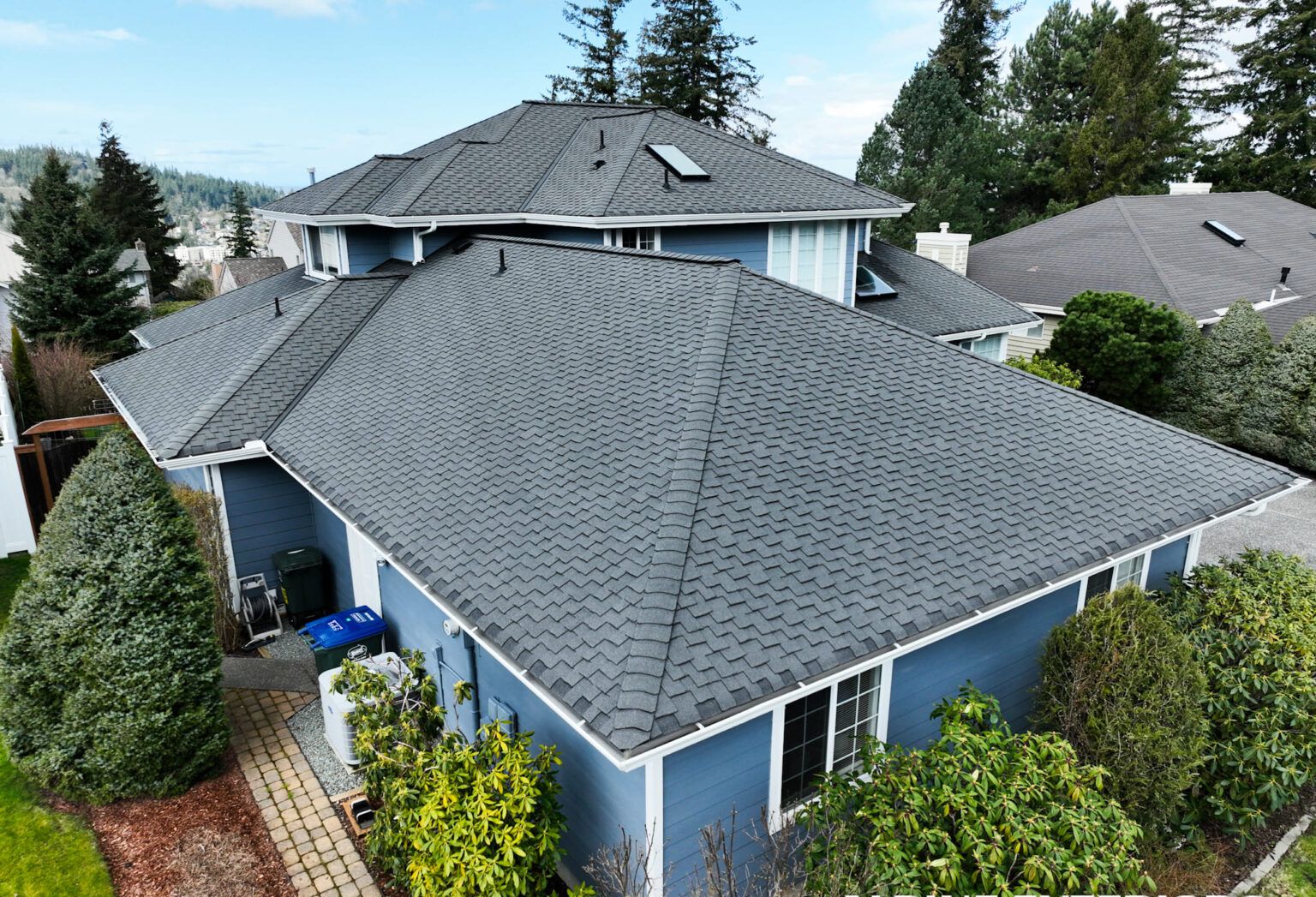
Siding installed on a Wesley Chapel home has to be part of a tested assembly carrying a current Florida Product Approval for the wind speed mapped to that address, and it has to be fastened exactly the way the approval documentation describes. Pasco County's building department checks that the product on the wall matches the paperwork on file, both at permit review and again at final inspection, and a mismatch is one of the most common reasons a siding job gets flagged.
This isn't a Wesley Chapel-only rule — it applies across Pasco County and the rest of the state under the Florida Building Code. But it matters more here than it would in a lot of other parts of the country, because Wesley Chapel sits in a design wind speed zone driven by hurricane exposure, generally in the neighborhood of 140-160 mph depending on the exact parcel and exposure category. Siding on an exterior wall has to resist both positive pressure (wind pushing in) and negative pressure, or suction, which is what actually peels panels off a house during a storm. A product that looks identical to a big-box store option but was only ever tested and labeled for a calmer climate zone doesn't meet code here, even if it goes up and looks fine on installation day.
Every siding product used on a Pasco County home needs a Florida Product Approval number (an "FL" number in the state's product approval system), which documents the testing behind that specific product line, including the wind pressures it's rated for and the exact fastening schedule that testing was based on. This is separate from the Notice of Acceptance (NOA) system used in the Miami-Dade/Broward High-Velocity Hurricane Zone — Pasco County isn't in that zone, so the relevant approval path is the statewide Florida Product Approval, not an NOA. Homeowners sometimes get the two confused when researching online, and it's worth knowing which one actually applies to a Wesley Chapel address.
Fastening is where a lot of the real performance difference shows up, and it's also where corners get cut on lower-bid jobs. The product approval specifies fastener type, length, spacing, and how far the fastener has to penetrate into structural sheathing or framing — not just "a nail every so often." Under-fastening is invisible from the street and from a casual walk-through, but it's the difference between a wall system that holds up in a wind event and one that doesn't. Corrosion resistance matters too: in Tampa Bay's humidity, standard fasteners can corrode and lose holding strength years before the siding itself shows wear, so hot-dip galvanized or stainless steel fasteners are the right call even though they cost more than electro-galvanized options.
| Material | Product approval status | Regional notes for Pasco County |
|---|---|---|
| Fiber cement | Widely available with current FL approvals | Handles humidity and UV well; needs correct fastener embedment and a rainscreen gap performs better against moisture than direct-to-sheathing installs |
| Vinyl (impact/wind-rated lines) | Approval varies significantly by product line and gauge | Lower-gauge vinyl not rated for this wind zone is common at big-box stores; confirm the FL number before buying, not after |
| Engineered wood (LP-type) | Available with FL approval | Needs consistent, correct field-applied sealant and flashing detail to resist wind-driven rain intrusion at seams |
A few things stack up in Wesley Chapel and the surrounding Pasco County communities that don't apply, or apply less, in most of the country. Hurricane-driven wind load is the obvious one, but wind-driven rain is arguably the harder problem in practice — code-compliant siding still has to work with a properly lapped water-resistive barrier and correctly flashed windows and doors, because wind here doesn't just blow, it drives rain sideways and up under laps that would stay dry in a calmer climate. Inspectors pay close attention to how the house wrap is lapped and taped before the siding ever goes up, because that layer is what actually keeps water out once wind pressure pushes past the siding's outer surface.
Humidity is the second factor, and it's a year-round issue rather than a seasonal one. Siding assemblies that trap moisture behind them create conditions for mold and substrate rot, so drainage and drying capacity behind the cladding matter as much as the water-resistive barrier itself. That's part of why furring strips or a rainscreen detail are worth the added labor cost on fiber cement jobs in this climate, even though they add time to the install. UV exposure is intense and constant here too, which affects how quickly unstabilized vinyl can fade or become brittle over the years — it's a durability and appearance issue more than a code issue, but it's worth factoring into material choice.
Termite pressure is real in Pasco County, and while it's primarily a framing and trim consideration rather than a siding code requirement, it does affect the details around the siding — wood trim boards at the base of walls or around openings are a food source in a way that fiber cement, PVC trim, or properly treated materials aren't. It's not something the wind code addresses, but it's something worth discussing with whoever is doing the work, since trim and siding get installed together.
Start by pulling the permit yourself, or confirming your contractor has pulled one, before any old siding comes off. Re-siding in Pasco County generally requires a permit, and skipping that step means no inspector ever verifies the wind-rated assembly and fastening actually happened — you're relying entirely on trust with no record behind it. Ask to see the Florida Product Approval number for the specific siding product being proposed, and confirm it's rated for your address's wind speed, not just "rated for Florida" in general terms. A licensed contractor should be able to produce this without hesitation.
Ask specifically how the water-resistive barrier will be installed and lapped, and whether flashing at windows and doors is part of the scope — these details rarely show up in a basic siding estimate but they're central to whether the job actually performs in wind-driven rain. If a contractor's quote reads simply as "remove and replace siding" with no mention of the barrier or flashing detail, ask what's actually included before signing anything.
Get a second opinion on fastener spec if a bid comes in noticeably below others — under-fastening or using non-rated product is one of the easier ways to cut cost on a siding job, and it's also one of the hardest defects for a homeowner to catch after the fact. If you're planning to file an insurance wind mitigation report (form OIR-B1-1802) for a premium discount, know that siding itself isn't typically the focus of that form — it's mostly roof-to-wall connections and opening protection — but a properly documented, code-compliant exterior still supports the overall claim that the home was built or renovated to current wind standards. Alpine Exteriors works from documented product approvals and permit records on every Pasco County job specifically so homeowners have that paper trail if they ever need it, whether for insurance, resale, or a future inspection.
In most cases, yes — re-siding a home in Pasco County typically requires a building permit, since it involves work on the exterior envelope that's governed by the Florida Building Code. Some very limited repair scopes may fall outside permitting thresholds, but a full or substantial re-side almost always needs one, and skipping it removes the inspection step that verifies wind-rated materials and fastening were actually used.
A Florida Product Approval (an FL number) is the statewide system that documents a product's testing and rated performance, and it's the approval path that applies in Pasco County. A Notice of Acceptance (NOA) is specific to the Miami-Dade/Broward High-Velocity Hurricane Zone, which Wesley Chapel is not part of — homeowners researching online sometimes come across NOA references meant for South Florida jobs, which isn't the correct standard here.
No — vinyl siding sold nationally comes in a range of gauges and wind ratings, and not every line carries a Florida Product Approval suitable for this wind zone. The product, the fastening schedule, and the water-resistive barrier underneath all need to match what was actually tested together; installing a lower-rated product the same way it might go up in a calmer region doesn't meet Florida Building Code requirements here.
Inspectors typically check that the water-resistive barrier is installed and lapped correctly, that flashing is in place at windows and doors, and that the fastener type, spacing, and penetration match the product approval documentation for the installed siding. They may also confirm the product approval number on site matches what was submitted with the permit, which is why keeping the product packaging or documentation on hand during the job is useful.
Wind loads, product approvals, and fastening specs aren't the most exciting part of a siding project, but they're the part that determines whether the job actually holds up through a Tampa Bay storm season. Alpine Exteriors is a licensed Florida contractor (RB29003900) serving Wesley Chapel, Lutz, Land O' Lakes, and the rest of the Tampa Bay area, and can walk through product approval documentation, fastening details, and permit requirements for your specific address before any work starts. Reach out for a straightforward assessment of what your home actually needs.