
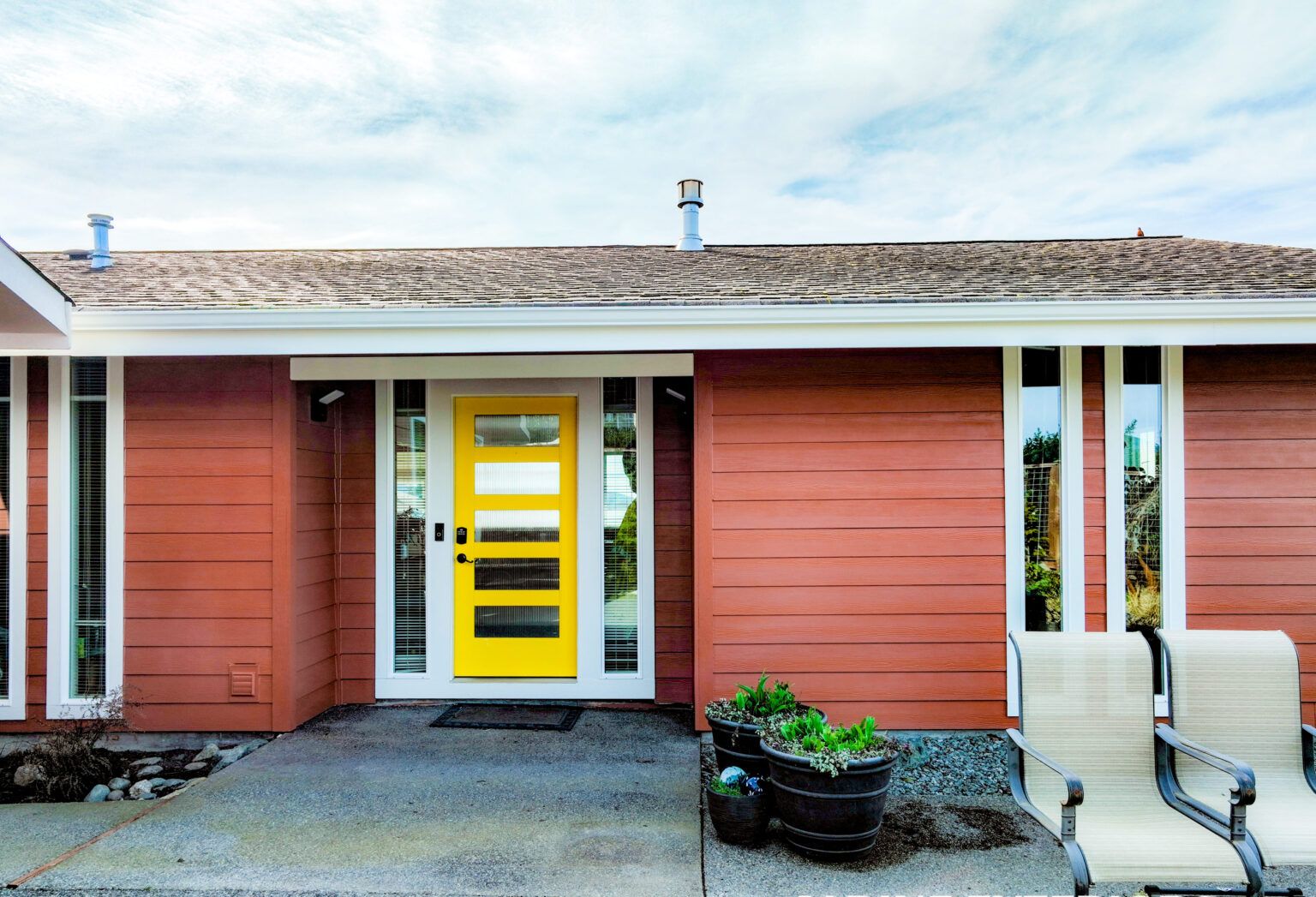
Most single-family siding replacements in the Tampa Bay area — Tampa, Wesley Chapel, Lutz, Land O' Lakes, New Port Richey, Plant City and Zephyrhills — take one to three weeks of active work, from the first day of tear-off to the last piece of trim. A smaller job, like re-siding one wall or a single-story addition, can be done in four or five working days once the crew is on site.
That window covers labor only. It does not include the weeks that usually happen before a nail is driven: getting a written estimate, ordering material, and pulling a permit. Add those in and a typical homeowner is looking at four to eight weeks from signed contract to finished job, longer if the color or profile has to be special-ordered or if the permitting office is backed up.
The one-to-three-week range is wide because siding jobs vary a lot house to house. A few things move the number more than anything else:
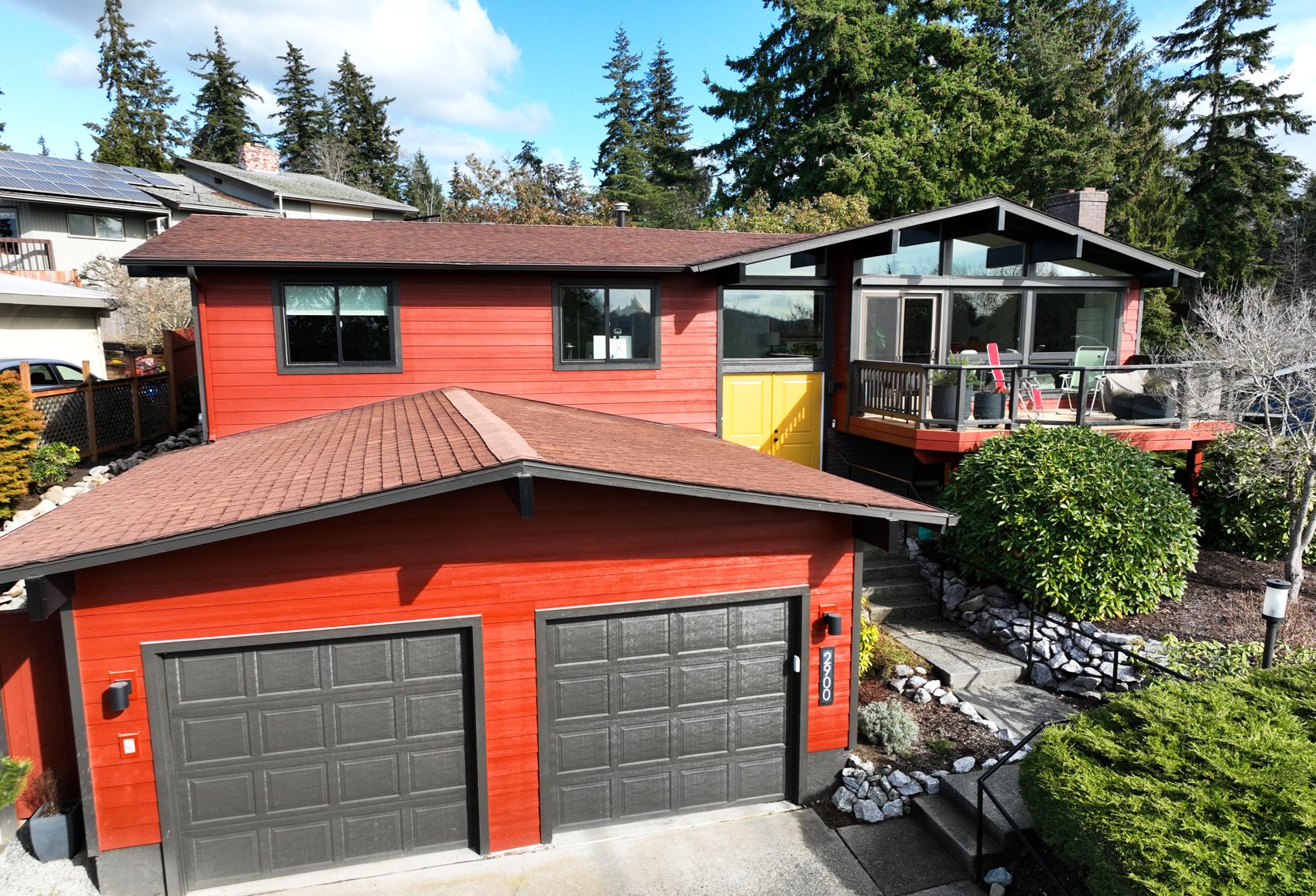
Siding installed here has to answer to conditions that a lot of the country simply doesn't deal with, and those conditions change both the install itself and how long it reasonably takes.
Wind load and product approval. Every siding product installed in this part of Florida has to carry a Florida Product Approval (or an accepted Miami-Dade Notice of Acceptance) documenting that it meets the wind-load standards mapped for this area under the Florida Building Code. That approval also specifies the fastening pattern — nail spacing, nail length, starter strip attachment — and a contractor who follows it correctly is going to move a little slower than one working off a generic national install sheet. That's the point: it's the difference between siding that stays on in a tropical storm and siding that doesn't.
Wind-driven rain. Storms here don't just bring wind or just bring rain — they push rain sideways into every gap in a wall. Getting the weather-resistant barrier, window and door flashing, and J-channel details right at every penetration takes real time, and it's the step that gets rushed on a bad job. Alpine Exteriors treats that flashing and integration work as the part of the schedule that isn't allowed to be compressed, because it's also the part that shows up as a leak two years later if it's skipped.
Humidity and mold pressure. Tampa Bay's humidity slows the cure time on caulks, sealants, and some paints, and it raises the stakes on trapping moisture behind the new siding. A rain-screen gap or drainage plane that would be optional in a dry climate is closer to mandatory here, and installing it correctly adds a step most other regions don't have.
Intense UV. Florida sun fades and can warp lower-quality vinyl over a few years, especially in dark colors that absorb more heat. That doesn't add days to the install itself, but it does affect material selection — many darker or specialty colors are special-order rather than in-stock, which extends the lead time before the crew ever shows up.
Termites. A large share of the housing stock across Tampa, Plant City, and Zephyrhills is old enough that wood-frame walls and sheathing have had decades of exposure to subterranean termites. It's common for a tear-off to uncover termite or moisture damage that has to be treated and the sheathing repaired or replaced before new siding can go up. That's not a sign of a bad contractor — it's a sign the old siding was doing its job of hiding the problem, and it's one of the most common reasons a quoted timeline slips by a few days.
Salt air. Homes closer to the Gulf, particularly around New Port Richey, deal with salt-laden air that accelerates corrosion on standard fasteners and metal flashing. Using stainless or coated hardware in those areas is worth the extra sourcing time and the modest added cost.
The rainy season. From roughly June through September, Tampa Bay gets a near-daily afternoon thunderstorm. Crews often plan to work mornings and lose the afternoons, which stretches the calendar even though the actual labor-hours don't change much. Scheduling a job in the drier months (typically fall through spring) tends to run more predictably, though plenty of installs happen successfully in summer with a crew that plans around it.
A few practical steps make the difference between a schedule that holds and one that keeps slipping:
It can, mostly through rain rather than direct storm impact. Afternoon thunderstorms from June through September regularly cut a work day short, and if a tropical system is actually forecast, a responsible contractor will pause an open wall and secure the site rather than push through. Scheduling outside peak season tends to be more predictable, but it isn't the only workable window — plenty of installs happen through the summer with a crew that plans around the weather.
Yes. Siding replacement is regulated under the Florida Building Code, and Hillsborough County, Pasco County, and the individual cities within them each require a permit and inspection for exterior siding work. Your contractor should handle the permit application and schedule the inspection as part of the job; ask upfront how long that office typically takes to turn around a permit.
It gets addressed before new siding goes on, which is the only way to do it correctly. Damaged or termite-compromised sheathing has to be repaired or replaced, and any active termite activity typically needs treatment first. This is one of the more common reasons a project's timeline extends by a few days, and it's worth discussing how your contractor prices and schedules that work before you sign a contract.
Cost depends heavily on material, house size, and what condition the walls are in underneath. As a rough range, vinyl siding replacements on an average single-family home often land in the lower tens of thousands of dollars, while fiber cement runs higher due to material and labor costs. Any reliable number has to come from an on-site estimate, since square footage alone doesn't capture wall complexity, tear-off scope, or repair needs.
Every estimate above is a range because every house is different — the only way to know how long your specific project will take is to have someone look at the walls, not just the square footage. Alpine Exteriors serves homeowners throughout Tampa, Wesley Chapel, Lutz, Land O' Lakes, New Port Richey, Plant City and Zephyrhills, and can walk you through a realistic schedule, the right product approval for your area, and what to expect once tear-off starts. Reach out for an on-site assessment before you commit to a start date.