
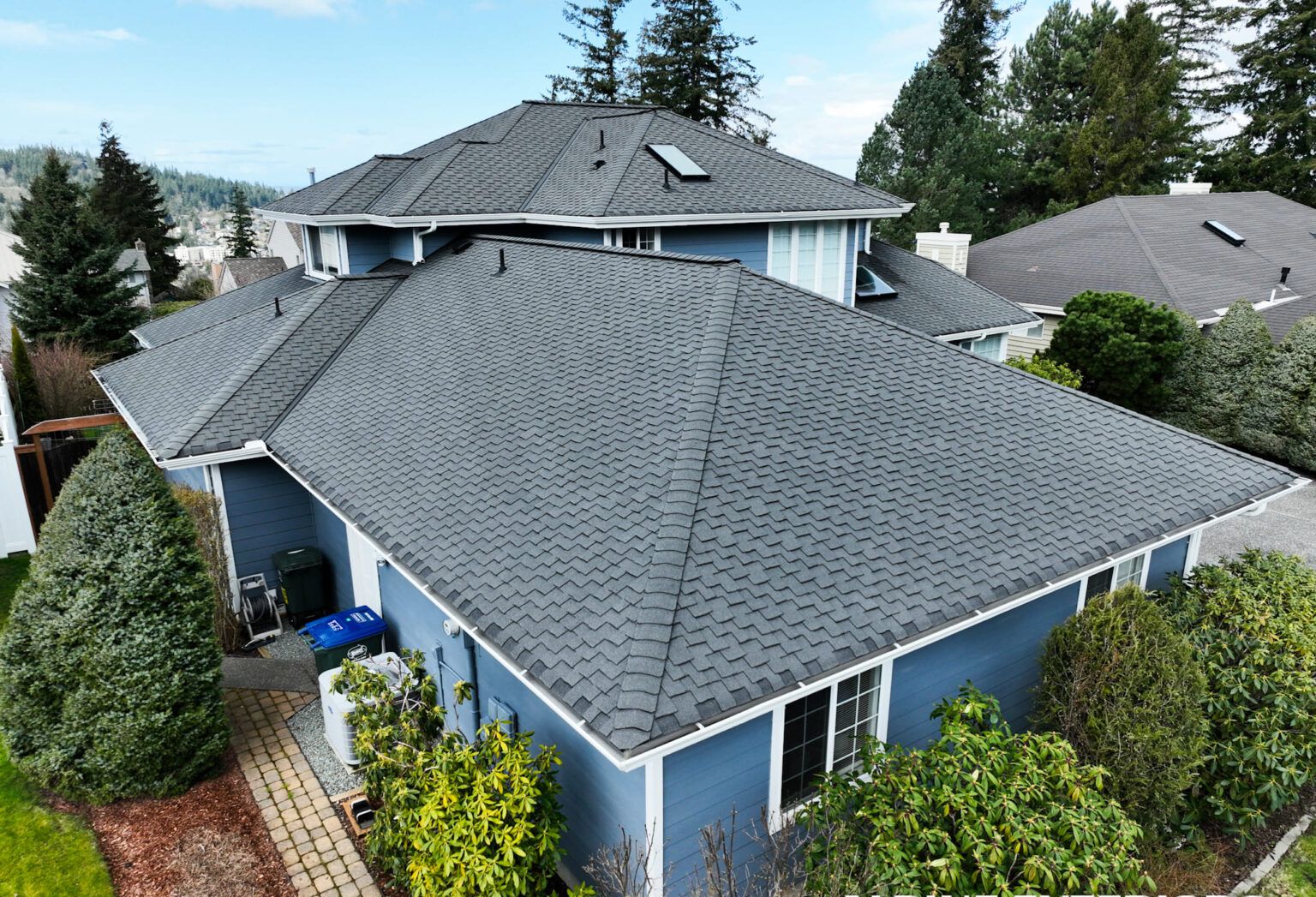
San Antonio sits inland in Pasco County, on the rolling, tree-shaded ground between Dade City and Wesley Chapel, but "inland" doesn't mean sheltered. The same Florida Building Code wind design requirements that apply along the coast apply here too, so siding still has to hold up under hurricane-strength gusts and the wind-driven rain that comes with them. What's different about San Antonio compared to a barrier-island property is the mix of pressures: less direct salt air corrosion than you'd see in New Port Richey or right on the Gulf, but more shade from mature oak canopy, more standing humidity between storms, and older rural lots where siding sits closer to soil, mulch beds, and irrigation overspray than it would in a newer subdivision.
That combination is exactly what causes siding problems to hide in plain sight. A panel can look fine from the driveway while the fastener behind it has backed out from wind flex, or while moisture is quietly working through a cracked seam on the shaded north wall where sunlight never dries it out. Central Florida's UV load is intense nearly year-round, so even siding that never sees a storm is being fatigued by heat and light. A regular, methodical inspection — not just a glance after a bad storm — is the only way to catch these issues while they're still a caulk tube and an afternoon instead of a wall replacement. This checklist is written for what actually shows up on siding in the San Antonio and greater Pasco County area, and it skips anything that doesn't apply to a property like yours.
Panels, seams, and overall siding surface
Trim, fascia, soffit, and flashing
Fasteners and wind-load attachment points
Moisture, mold, and mildew signs
Pest and wood-contact issues
Post-storm and hurricane-season checks
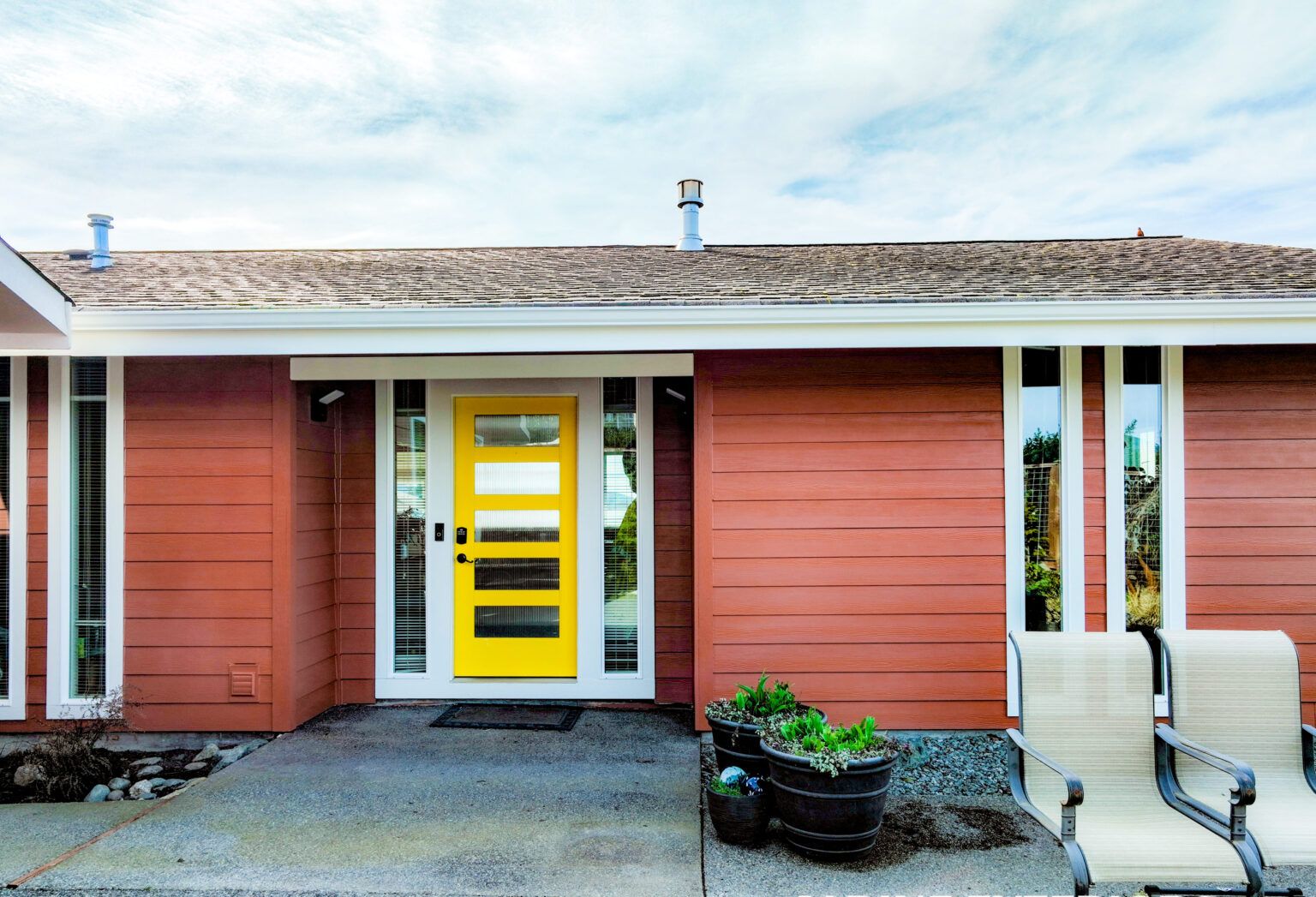
Not every failed item is an emergency, but none of them should be left alone once you've found them. Start by photographing the issue with a wide shot for context and a close-up for detail — this documentation is useful whether you're calling a contractor, filing an insurance claim, or just tracking whether a problem is getting worse over time. For small, isolated issues like a single cracked caulk joint or a loose fastener, a homeowner comfortable with basic exterior maintenance can often make a temporary fix, but treat it as temporary. Caulk and touch-up sealant break down again quickly under Florida's UV and heat, and a quick fix on a fastener doesn't address why it backed out in the first place.
If you find soft or spongy wood, active pest evidence, moisture staining, or any sign that water has already gotten behind the siding, don't just patch the visible surface. Covering over trapped moisture or an active termite entry point often makes the underlying damage worse before it's discovered again, because it keeps the moisture and warmth in without addressing the source. In those cases, the right first step is an assessment from someone who can open up the affected area, confirm how far the damage extends, and tell you honestly whether you're looking at a repair or a larger replacement. It's also worth checking whether any current damage affects items tied to your homeowner's insurance wind mitigation credits, since undocumented storm damage can complicate a future claim.
A single loose panel or a cracked seam is often within reach of a careful homeowner or a general handyman. Call a licensed siding contractor when you're dealing with anything structural, anything involving multiple failed items across one wall, or anything where wood rot, termite damage, or trapped moisture is suspected — those situations usually require removing siding to see what's actually happening underneath, which isn't a job to improvise. You should also call a professional after any storm that produced sustained winds strong enough to move debris, even if the siding looks intact from the ground, since attachment failures aren't always visible without a closer inspection.
It's also worth involving a licensed contractor before doing any siding replacement yourself, because Florida Building Code requires products used in your wind zone to carry proper Florida Product Approval or Miami-Dade NOA documentation, and installation methods (fastener spacing, flashing details, house wrap integration) affect whether that approval actually holds up in practice. Alpine Exteriors is a Florida-licensed contractor (RB29003900) working throughout Tampa Bay and Pasco County, including San Antonio, Wesley Chapel, Lutz, Land O' Lakes, New Port Richey, Plant City, and Zephyrhills, and can walk a property to tell you honestly whether what you're seeing is cosmetic, maintenance-level, or something that needs to be addressed before the next storm season.
A full walk-around inspection once a year is reasonable for most homes in this area, but you should also check after any storm with sustained damaging winds, even if nothing looks obviously wrong from a distance. Homes under heavy tree canopy or with a lot of shade should pay closer attention to moisture and mold signs between inspections, since those areas dry more slowly than open, sun-exposed walls.
Standard homeowner's policies don't typically require a siding-specific inspection, but Florida insurers do use the OIR-B1-1802 wind mitigation inspection form to determine wind mitigation credits on a policy, and that inspection does look at exterior construction and opening protection. It's not a substitute for the checklist in this guide, but keeping your siding in good repair supports the condition assessments that inspection relies on.
Siding products used in Florida need to carry a valid Florida Product Approval or, in some jurisdictions, a Miami-Dade Notice of Acceptance (NOA), which confirms the product has been tested to the wind loads required under the Florida Building Code for your specific wind zone. Installation details like fastener type, spacing, and flashing matter just as much as the product itself, since a compliant product installed incorrectly won't perform the way it's rated to.
Most of the items on this checklist can be checked visually by a homeowner comfortable walking the property and looking closely at seams, trim, and fastener points. Where you'll likely need a professional is anywhere you suspect the damage goes deeper than the surface — soft wood, musty odors, active pests, or anything after a significant storm — because confirming the extent of that kind of damage usually means opening up the wall assembly.
If this checklist turned up more than one or two items, or you're just not sure what you're looking at, Alpine Exteriors (FL license RB29003900) inspects and repairs siding throughout San Antonio and the rest of Pasco County, including Wesley Chapel, Lutz, Land O' Lakes, New Port Richey, Plant City, and Zephyrhills. Reach out for a straightforward, on-site assessment before the next storm season puts more pressure on whatever's already weakened.