
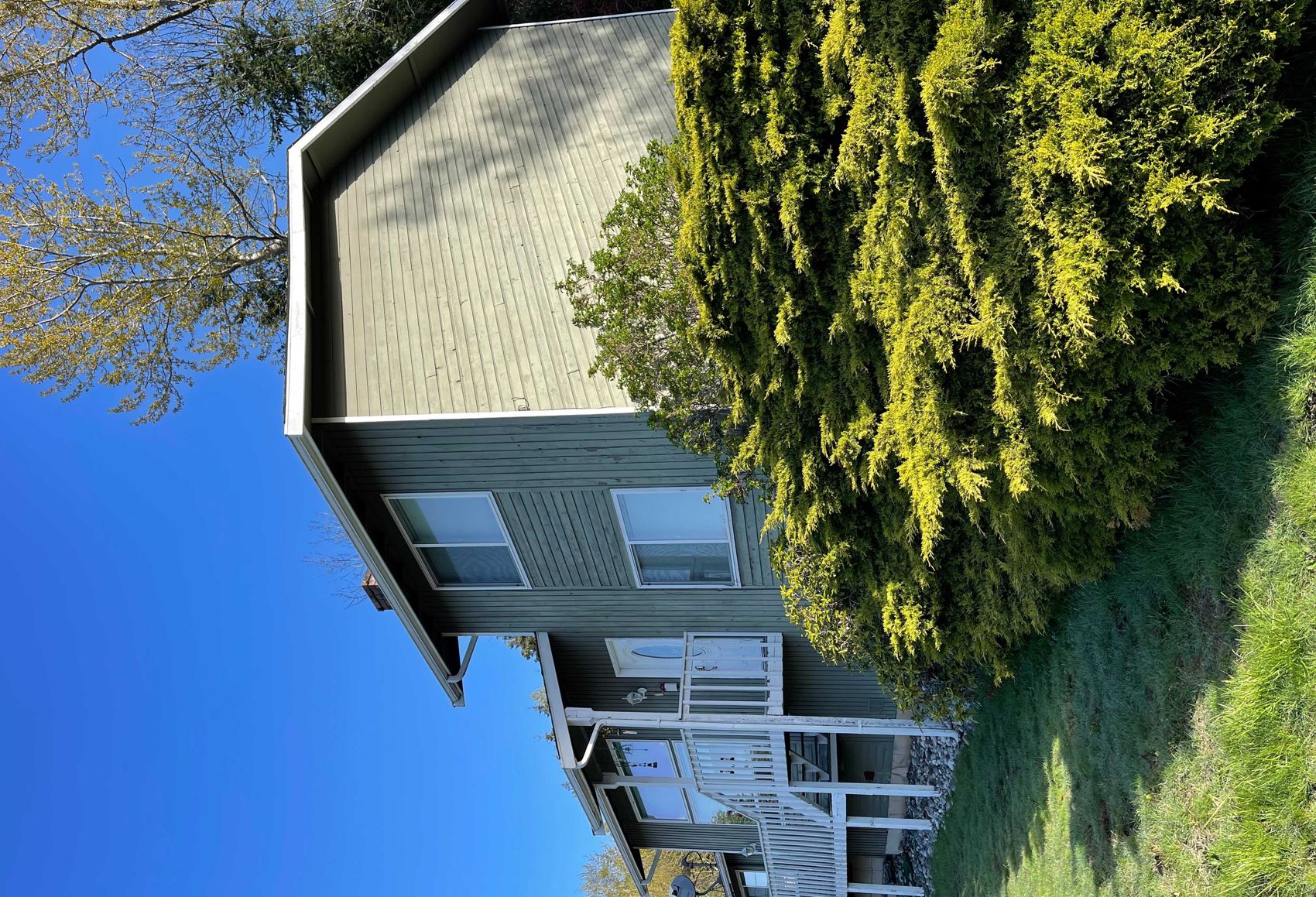
Hudson sits on the Gulf side of west Pasco County, a few minutes up the coast from New Port Richey, and the siding on homes out here takes a different kind of beating than siding a hundred miles inland. Between the salt-laden air rolling off the Gulf of Mexico, the punishing UV load of a Florida summer, near-constant humidity, and the wind-driven rain that comes with every tropical system that clips this stretch of coast, siding here ages on its own schedule. Alpine Exteriors works throughout this part of Pasco and Hillsborough County, and the calls we get from Hudson homeowners tend to follow a pattern: something looked fine for years, then changed fast after a wet season or a storm. Below is what to actually look for, what's usually causing it in this climate, and how to tell the difference between a repair that can wait and one that can't.
If you stand at the corner of the house and sight down a wall, siding should read as a flat, even plane. Waviness, especially on the sides of the house that catch the most afternoon sun, usually means moisture has gotten behind the panel and the substrate underneath is swelling or the panel itself has absorbed water it can't release fast enough. In Hudson's humidity, that moisture doesn't dry out between rain events the way it would in a drier climate, so warping tends to progress faster once it starts. On older vinyl siding, heat buildup from intense summer sun can also soften and distort panels, particularly darker colors installed too tight to the wall with no room to expand.
Cracks that run horizontally across a panel, or splitting near nail holes, are almost always a UV story here. Florida sun breaks down the plasticizers in vinyl and the resin binders in fiber cement over years of exposure, and once a panel gets brittle it can crack from something as ordinary as a lawn mower kicking up a rock, a ladder leaning against the wall, or a gust during a summer storm. A few isolated cracks from an impact aren't an emergency. Cracking that shows up in multiple places across a wall, especially on panels that have never been impacted, points to age-related brittleness across the whole run of siding, not a one-off accident.
On painted fiber cement or wood trim, bubbles under the paint film almost always mean moisture is trying to push its way out from underneath, not that the paint itself failed first. Chalking — a powdery residue that comes off on your fingers — is more of a straightforward UV wear pattern and is less urgent by itself. The distinction matters: chalking is cosmetic aging, bubbling and peeling is often a symptom of a moisture problem happening behind the surface you can see.
Press gently on the bottom few feet of siding, around window sills, and at inside corners. Any give, sponginess, or a spot that feels different from the surrounding panel usually means water has been getting in for a while and the underlying sheathing or the panel material itself has started to break down. This is one of the more serious signs on this list, because by the time you can feel it with your hand, the damage is rarely limited to just the surface layer.
Some surface mildew on the shaded, north-facing side of a Hudson home is close to unavoidable given the humidity here, and a routine wash usually handles it. The concerning pattern is mold or dark streaking that returns within weeks of cleaning, or that shows up in a consistent spot every time. That's often a sign water is getting trapped behind the siding at that location — a bad seam, a failed piece of flashing, a gap where two materials meet — and feeding the growth from behind where washing the surface can't reach it.
Siding on this part of the Gulf coast has to be rated and installed to resist real wind loads, and even siding that meets Florida Product Approval standards works its fasteners loose over years of flexing in wind events. Loose panels, visible gaps at seams, or nail heads that have backed out and are sitting proud of the surface are a mechanical failure, not a cosmetic one — those are the openings wind-driven rain finds during the next storm.
Homes closer to the Gulf, and Hudson qualifies, see salt-laden air corrode fasteners and metal trim faster than the same materials would age further inland. Orange or brown streaking bleeding down from nail heads or metal flashing is a sign the fasteners themselves are corroding, which weakens their hold on the siding over time even before you see any other damage.
Subterranean termites are active across Florida, and siding installed low to grade or in contact with mulch beds gives them a hidden path into the wall. Mud tubes running up the foundation toward the bottom edge of siding, wood trim that sounds hollow when tapped, or small holes with fine debris nearby are signs of activity that needs a licensed pest inspection alongside any siding repair — replacing siding without addressing an active termite issue behind it doesn't solve the underlying problem.
Siding is part of your wall's weather and air barrier, not just its finish. Gaps, warped panels, and moisture-saturated sheathing all let conditioned air escape and outside heat in, which shows up as a summer cooling bill that's climbed without an obvious reason like a new appliance or a rate increase. It's an indirect sign, but it's often the first thing homeowners notice before they ever go outside and start looking at the wall itself.
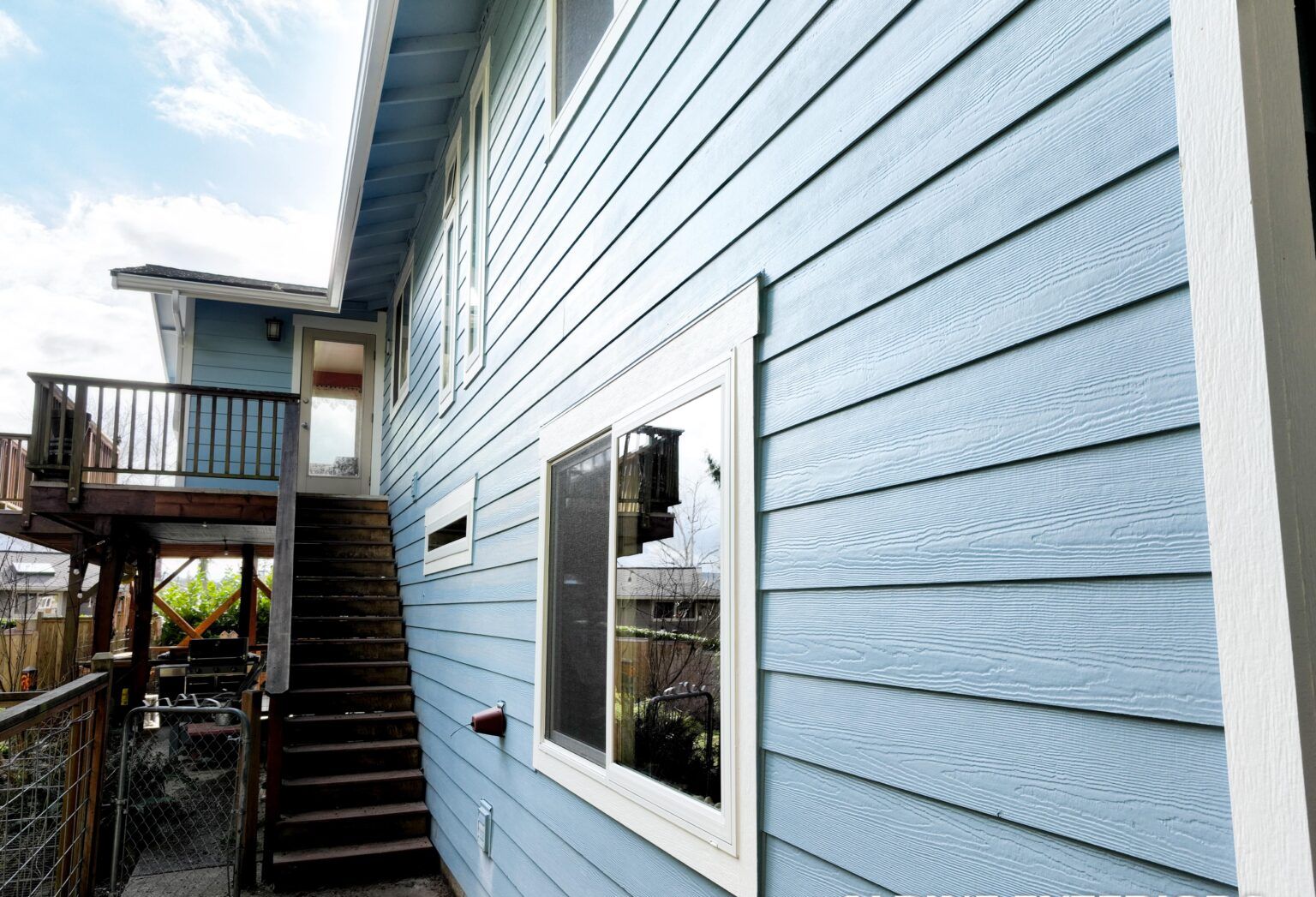
Not every sign on this list means drop everything. Chalking paint, a little surface mildew on a shaded wall, or one cracked panel from a known impact are things you can schedule around — get a professional opinion, but there's no need to treat it as an emergency, especially outside of hurricane season. What does need attention quickly: soft or spongy spots anywhere on the wall, loose or missing panels, gaps that have opened up after a storm, active termite signs, or mold that keeps returning in the same location. Those are all signs that water or pests already have a path into the structure, and every additional wet season makes the eventual repair bigger and more expensive. If you're heading into hurricane season with any of the urgent signs unaddressed, that's the priority list — wind-driven rain finds every existing gap in a siding system, and a storm can turn a manageable repair into a full wall replacement in one weekend.
Start with a visual walk of the exterior from ground level, looking specifically for the signs above, then get a professional inspection before you decide between a repair and a full re-side. A contractor can check what a homeowner usually can't from the ground: whether the sheathing behind failing panels is still sound, whether flashing at windows and doors is doing its job, and whether the damage is isolated or spread across the wall system. If your homeowner's insurance requires a wind mitigation inspection, an OIR-B1-1802 wind mitigation form completed at the same time can document the condition and installation of your siding and roof-to-wall connections, which sometimes affects premium credits — worth asking your insurance agent about if you're already having work done. Any replacement siding installed on your home should carry current Florida Product Approval for the wind zone your address falls in, and the work itself needs to meet the Florida Building Code, including how it's fastened and flashed at penetrations and terminations. Alpine Exteriors, FL license RB29003900, handles this kind of inspection and repair work for homeowners throughout Hudson, New Port Richey, Tampa, Wesley Chapel, Lutz, Land O' Lakes, Plant City, and Zephyrhills, and can walk your specific wall with you and lay out what's cosmetic versus what needs to move up the list.
It depends heavily on material, installation quality, and how directly a wall faces the Gulf-driven sun and salt air, so there's no single number that holds for every house. Homes on the more exposed, sun-baked sides of the property or closer to the water tend to show wear years before the same product would on a shaded, inland wall, which is why two sides of the same house can be in noticeably different condition.
Sometimes, and it's often the more sensible first step if the damage is isolated to a section or two with sound sheathing underneath. The catch is matching older siding's color and profile gets harder every year as products get discontinued, and if the underlying cause — a bad flashing detail, a low-clearance area collecting moisture — isn't fixed, the same failure tends to reappear nearby even after a patch repair.
It can, both in terms of risk and in terms of documentation. Insurers increasingly look at exterior condition and wind mitigation features when setting premiums, and a wind mitigation form reflecting deteriorated or loosely fastened siding won't help your case the way documentation of sound, properly installed siding would.
It can be both, depending on how long it's been growing and whether it's made its way into the wall cavity rather than staying on the exterior surface. Recurring mold behind siding is worth having assessed rather than just repainted over, since covering it doesn't stop the moisture source that's feeding it.
If you've noticed any of these signs on your Hudson home, it's worth having someone look before the next storm season decides the timeline for you. Alpine Exteriors serves homeowners across Hudson, New Port Richey, Tampa, Wesley Chapel, Lutz, Land O' Lakes, Plant City, and Zephyrhills, and can give you a straight read on whether you're looking at a targeted repair or a full re-side, along with a real cost range before any work starts. Reach out to schedule an inspection and get a clear plan for your home.