
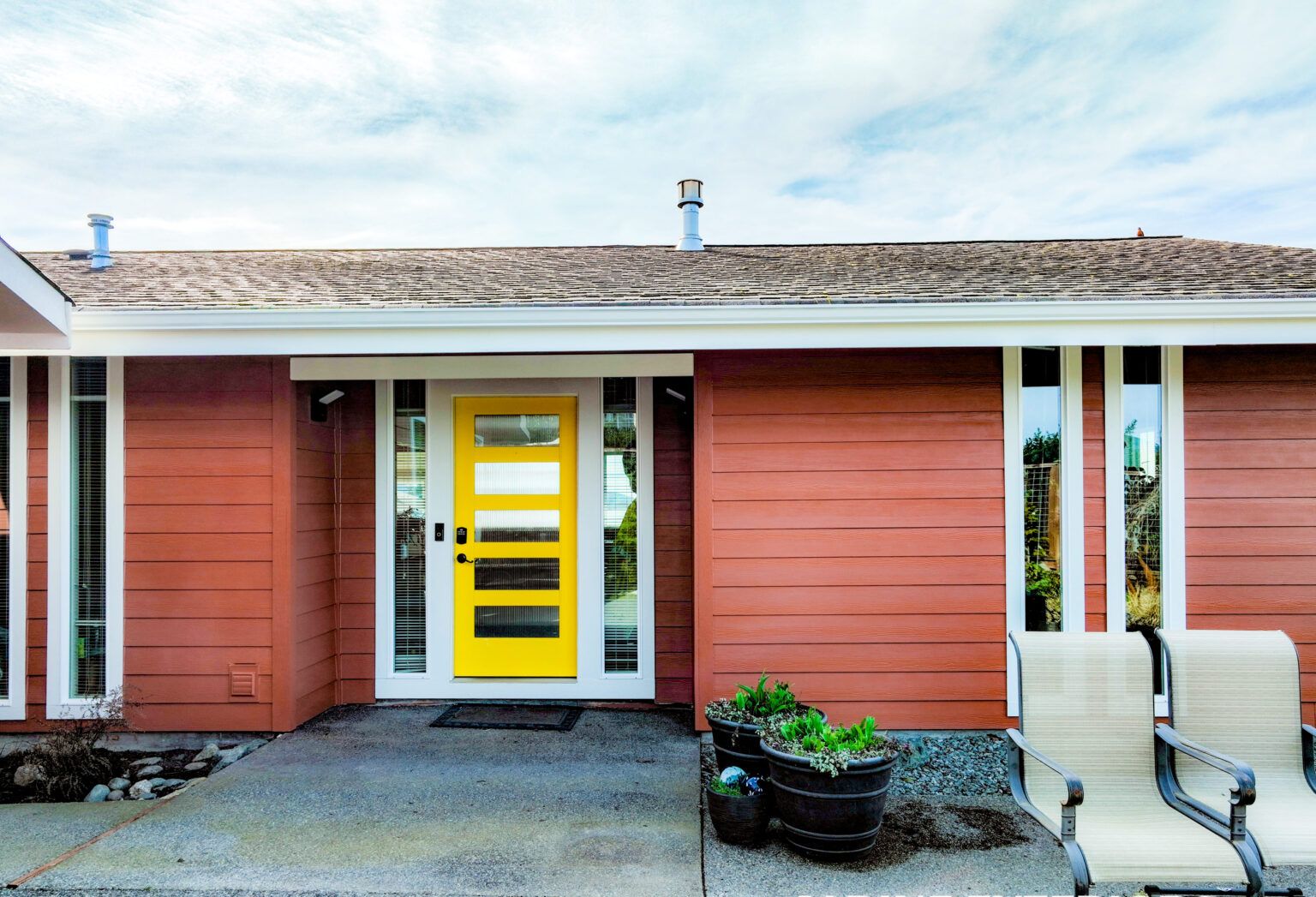
Most siding damage we see in Seffner traces back to a handful of repeatable causes: wind-driven rain finding a small gap and working its way behind a panel, sun exposure that warps or fades siding unevenly over the years, and moisture that gets trapped against the wall sheathing and never fully dries out in Hillsborough County's humidity. If the damage is limited to one or two walls and the rest of the siding is sound, a repair is usually the right call. If the damage is spread across multiple elevations, the siding is more than 15 to 20 years old, or you find soft sheathing underneath, replacement tends to make more financial sense than chasing repairs on material that's already near the end of its service life.
Siding damage in this part of Florida shows up in a few recognizable patterns, and knowing which one you're looking at helps you and your contractor scope the job correctly instead of guessing.
A simple way to gauge severity yourself: press firmly on suspect areas with a gloved hand or the blunt end of a screwdriver. Solid resistance is a good sign. Any give, sponginess, or crumbling means there's likely sheathing or framing damage behind the siding, not just a cosmetic surface issue, and that changes the scope of the repair.
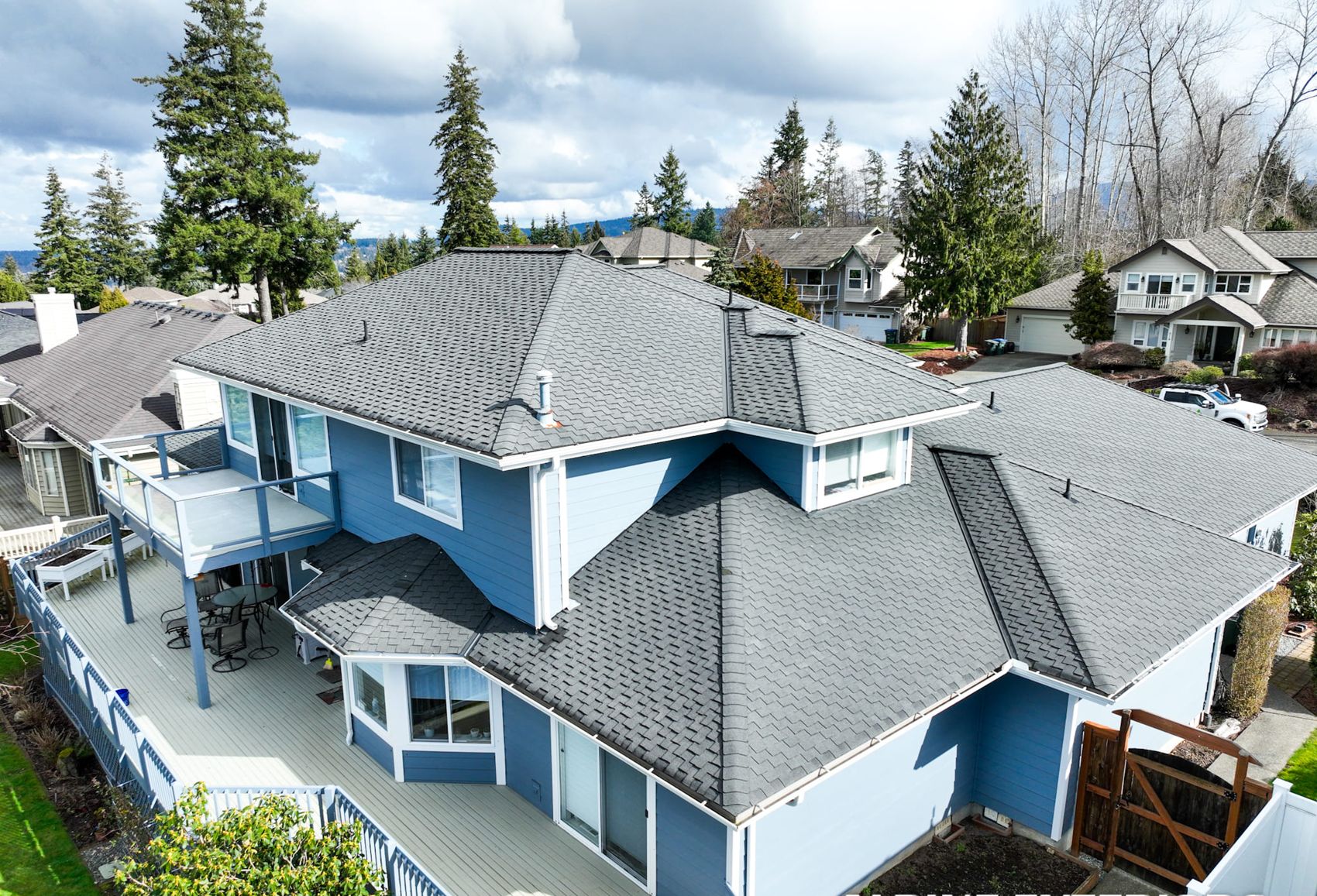
Seffner sits well inland from Tampa Bay, so salt air corrosion isn't the main pressure on siding here the way it is for homes right on the water. What does drive siding wear in this part of Hillsborough County is a combination of subtropical humidity, intense summer UV, and the wind and rain that come with Florida's storm season.
Hillsborough County averages a heavy dose of afternoon thunderstorms from roughly June through September, and those storms bring short bursts of high wind alongside heavy, horizontal rain. Siding that has even a slightly open seam, a missing piece of trim, or a fastener that's backed out doesn't need a hurricane to leak — a single strong summer storm can drive water behind the wall covering. Over a season or two, that trapped moisture combined with Florida's ambient humidity creates ideal conditions for wood rot and mold growth in the wall cavity, well before anything is visible from the street.
The sun is the other factor that's easy to underestimate. Florida's UV exposure fades and chalks siding faster than it does in cooler, cloudier climates, and it does so unevenly depending on which direction a wall faces. That uneven fade is one of the biggest practical headaches in a repair: a brand-new panel installed next to ten-year-old siding on a sun-beaten wall will often stand out as a visibly different shade, even when the product is technically the same line and color name.
Termite pressure is also a genuine regional factor. Central Florida supports active subterranean and drywood termite populations year-round because there's no hard winter to interrupt their activity, so wood trim and fascia around siding should be checked periodically, not just when damage is already visible.
Finally, any siding work in unincorporated Hillsborough County has to meet the Florida Building Code, and the products used have to carry a valid Florida Product Approval (or Miami-Dade NOA where applicable) rating for wind resistance appropriate to the local design wind speed. This isn't just paperwork — it's the difference between siding that's fastened and rated to stay put in a strong wind event and a product that technically covers the wall but wasn't engineered for it. Any licensed contractor should be able to tell you the product approval number for the material going on your home.
When you notice damage, resist the urge to just caulk over it and hope. Walk the exterior after any significant storm and after long UV exposure each summer, and look specifically at butt joints, corners, and anywhere trim meets siding. If you find a soft spot, don't patch over it blind — that area needs to be opened up enough to see whether the sheathing underneath is sound before anyone reinstalls new siding over it.
From there, the repair-versus-replace decision usually comes down to three questions: How much of the wall is affected? How old is the existing siding? And can the replacement material still be sourced to reasonably match? A single damaged section on siding installed in the last decade is almost always worth repairing. Widespread fading, multiple soft spots across different walls, or siding that's original to a home built 15-20+ years ago is usually a sign that repairs will keep resurfacing faster than they're worth chasing, and a full or elevation-wide replacement will save money over a few years of repeat service calls.
On the matching question, be realistic going in: siding manufacturers regularly discontinue color runs and profiles, and even an exact product match can look different once one section has had a decade of Florida sun on it and the other hasn't. Options worth discussing with your contractor include replacing a full elevation instead of a partial wall so the color reads as intentional, repainting an existing wall to blend a patch, or keeping a few extra panels from the original installation specifically for future repairs — something worth asking for whenever new siding goes on.
Alpine Exteriors, FL license RB29003900, handles this kind of inspection regularly for homeowners across Seffner and the greater Tampa Bay area, and the first step is always the same: an honest look at what's actually happening behind the siding before quoting a repair or a replacement. Costs vary a lot by scope — a small patch repair might run a few hundred to a couple thousand dollars depending on access and hidden damage, while a full elevation or whole-house re-side is a larger project priced by square footage and material choice. Get a written scope either way, not just a price, so you know exactly what's being replaced and what condition the sheathing was in when it was opened up.
Start with how much of the house is affected and how old the siding is. Isolated cracks or a single damaged section on siding under about 10-15 years old is typically a straightforward repair. Widespread warping, chalking, or soft spots found on more than one wall — especially on siding original to an older home — usually means replacement will be more cost-effective than repeated patch jobs, since the underlying material is simply near the end of its useful life.
Not always, and it's worth expecting some mismatch rather than being surprised by it. Florida's UV exposure fades siding unevenly by wall orientation, and manufacturers change color lines and profiles over time, so a panel installed today next to older, sun-faded siding may read as a slightly different shade even if it's the same product family. Full-elevation replacement or a fresh coat of paint on the surrounding wall are the two most reliable ways to avoid an obvious patch look.
It depends on your specific policy and the cause of loss — wind and hail damage from a named storm is more commonly covered than gradual damage from long-term humidity or lack of maintenance, which many policies exclude. Document damage with photos right after a storm and review your policy's wind and water damage provisions, or ask your agent directly, before assuming a repair will or won't be covered.
A small, isolated repair — replacing a damaged section or two and resealing joints — can often be completed in a single day once the scope is confirmed. Larger repairs that involve opening up the wall to check sheathing, dealing with hidden moisture damage, or ordering less-common siding profiles take longer, sometimes a few days to a couple of weeks depending on material lead times and what's found once the old siding comes off.
If you're seeing warped, faded, or soft siding on a home in Seffner or anywhere else in the Tampa Bay area, it's worth getting an in-person look before deciding between a patch job and a bigger project. Alpine Exteriors (FL license RB29003900) inspects siding damage across Tampa, Wesley Chapel, Lutz, Land O' Lakes, New Port Richey, Plant City, Zephyrhills, and Seffner, and will tell you plainly whether a repair will hold up or whether it's time to talk about replacement. Reach out for an inspection and a written scope before any work starts.