

New siding by itself does very little to cool down a hot attic — the wall panels and the space under your roof are largely separate systems. What actually affects attic heat is the soffit, fascia, and ventilation work that comes along with most siding projects, whether or not a homeowner thinks to ask about it. If a contractor blocks or paints over soffit vents during a siding job, an already hot Tampa Bay attic can get measurably worse.
Florida attics take a beating from the sun for most of the year. Roof decking absorbs radiant heat all day, and without a steady path for that hot air to escape, attic temperatures can climb well above outdoor air temperature by mid-afternoon. That heat pushes down into living spaces, makes the HVAC system work harder, and — combined with the moisture that Tampa's humidity and air-conditioning condensation lines produce — creates ideal conditions for mold and mildew on the underside of the roof deck, on rafters, and in attic insulation.
Siding intersects with this in a specific, often overlooked way: the soffit is part of the siding and trim system, and it's usually where a home's attic intake ventilation lives. Perforated vinyl or aluminum soffit panels let outside air into the attic; that air is supposed to travel up and out through ridge vents, gable vents, or powered exhaust. When a siding crew replaces soffit panels with solid (non-vented) material, paints over existing perforations, or lets blown-in insulation drift and block the vent baffles, that intake gets choked off. The attic still gets hot — it just has nowhere for the heat and moisture to go.
Wall siding itself has a smaller, more indirect role. Darker colors absorb more solar heat and can raise the surface temperature of the wall assembly, which matters somewhat for interior comfort near exterior walls, but it doesn't meaningfully change attic temperature the way ventilation does. It's also worth knowing that dark-colored vinyl siding is more prone to heat distortion — warping or buckling — in intense, sustained Florida sun, particularly on walls that get reflected heat off low-E windows or a neighboring structure. That's a real drawback of vinyl in this climate, and it's one reason fiber cement or heat-resistant vinyl formulations tend to hold up better here over the long run.
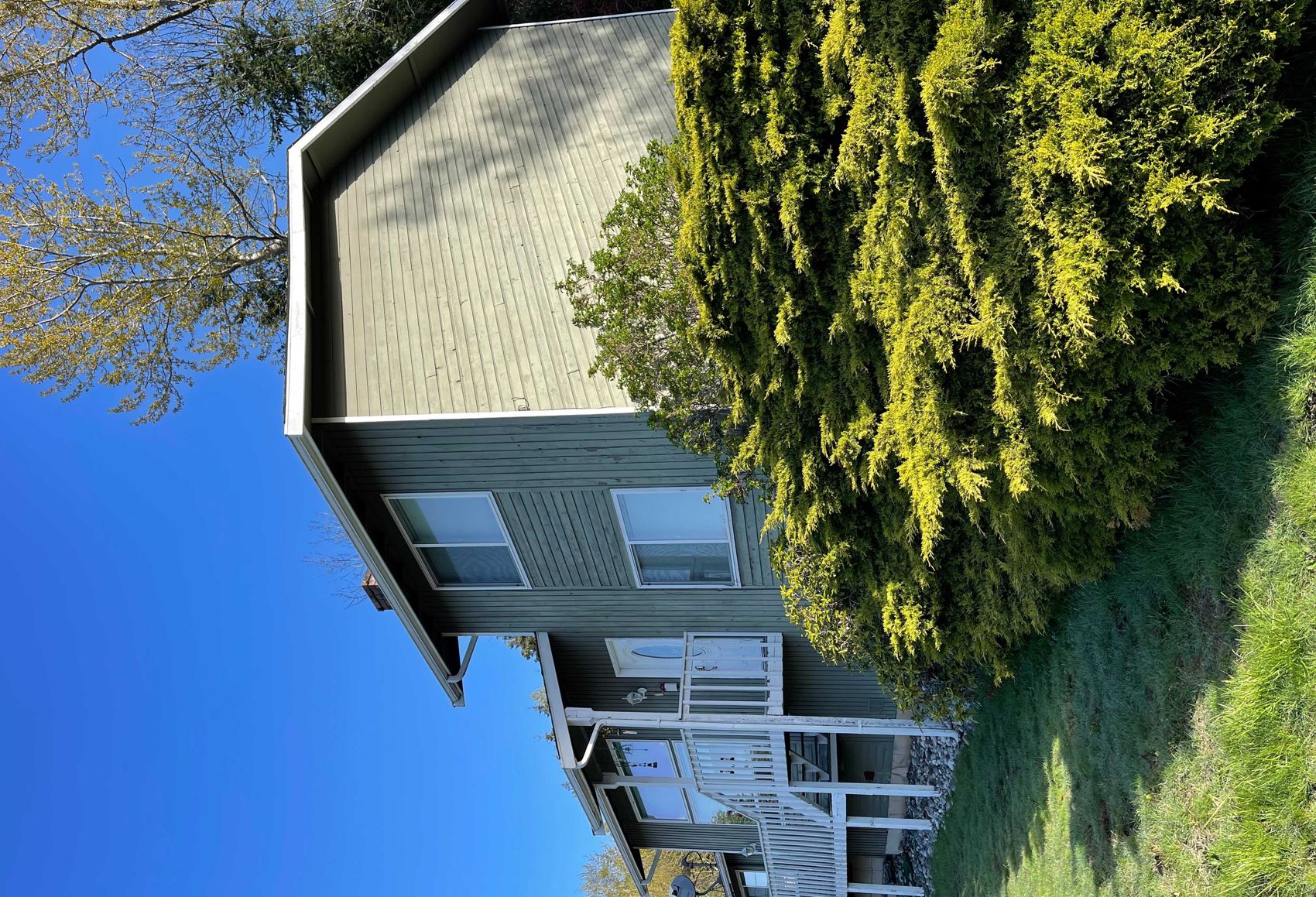
A handful of regional conditions shape which siding decisions actually make sense for homes in Tampa, Wesley Chapel, Lutz, Land O' Lakes, New Port Richey, Plant City, and Zephyrhills:
Before signing off on a siding project, especially one that includes soffit or fascia replacement, it's worth walking through a short list with the contractor:
Alpine Exteriors works through this checklist on siding projects across Tampa Bay, because skipping the ventilation conversation is one of the more common ways homeowners end up disappointed after a siding job — the walls look new, but the attic problem that was bothering them in July is exactly where it started.
Not directly. Wall siding and attic air temperature are mostly separate systems. What can help is making sure the soffit vents that come with the siding job are functional intake vents rather than solid panels, and pairing that with adequate exhaust ventilation and attic insulation — those are the factors that actually move attic temperature, not the wall material itself.
It matters somewhat for the wall assembly and interior comfort near exterior walls, since darker colors absorb more solar heat, but it has little effect on attic temperature. It's also worth knowing that darker vinyl siding is more likely to warp or distort in sustained Florida heat and reflected sun than lighter colors or fiber cement.
Yes. Siding, soffit, and trim products installed here need current Florida Product Approval documentation showing they meet the wind and water-infiltration requirements set by the Florida Building Code for the local wind speed zone. This applies to standard construction throughout Tampa Bay, which sits outside the state's high-velocity hurricane zone but still carries real wind design requirements.
It matters less the farther inland a property sits, but 'not on the water' in Tampa Bay can still mean salt-laden air reaches the property, especially in areas like New Port Richey. Corrosion shows up first in fasteners, vent screens, and other exposed metal hardware, so it's a reasonable thing to ask about even if the home is a few miles from the Gulf rather than directly on it.
If a hot attic, aging soffit vents, or storm-damaged siding is on your mind, it helps to have someone walk the property and look at the whole system — walls, soffit, fascia, and ventilation — rather than just the siding panels. Alpine Exteriors is a licensed Florida contractor (RB29003900) serving Tampa, Wesley Chapel, Lutz, Land O' Lakes, New Port Richey, Plant City, and Zephyrhills, and can give you a straightforward assessment of what's actually driving the heat and moisture issues in your home before recommending a fix.