
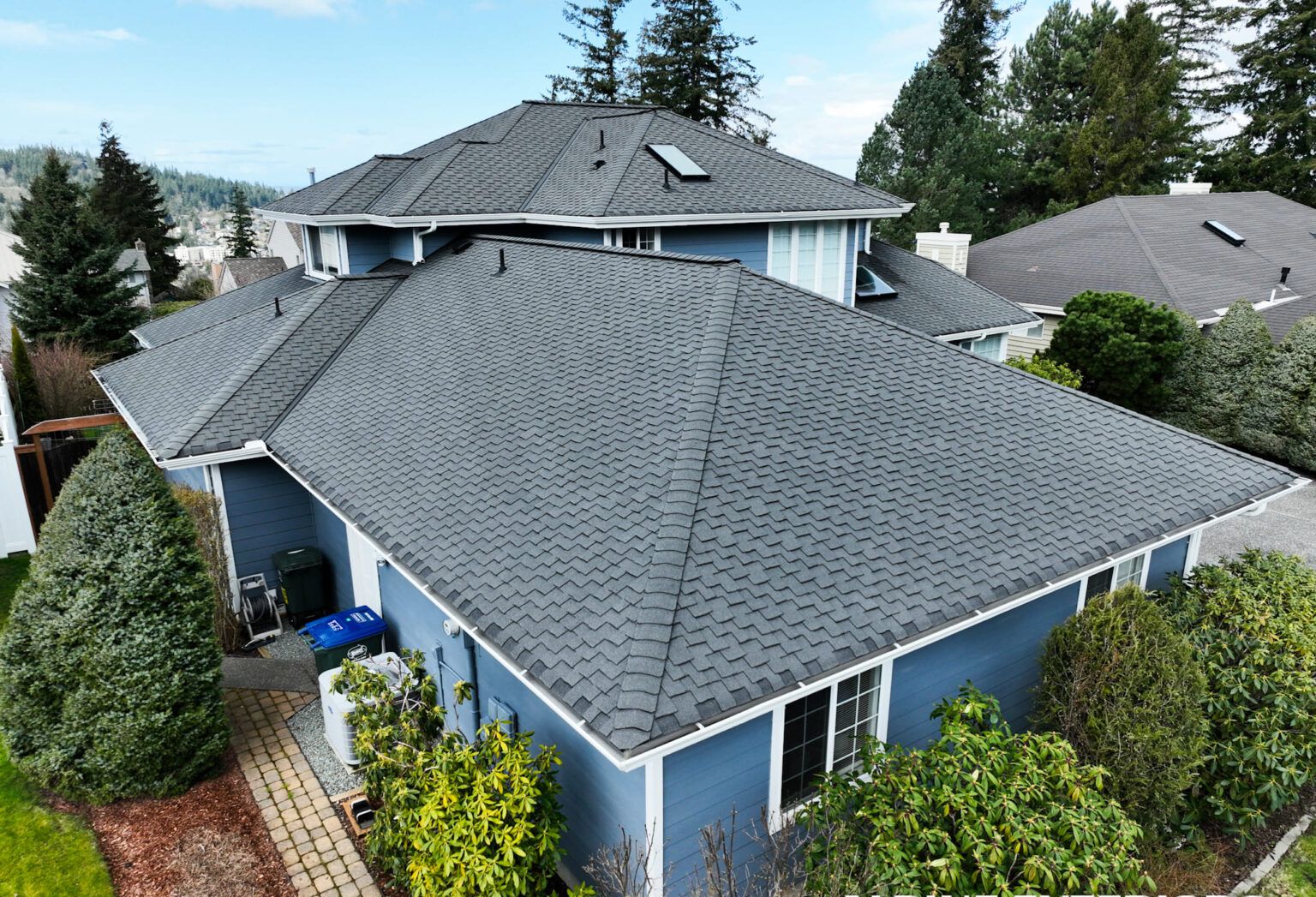
Most storm-damaged siding in Tampa Bay can be repaired in sections rather than replaced outright, as long as the damage is limited to a few panels and the underlying wall hasn't taken on water for an extended period. The real work isn't the visible crack or missing panel — it's confirming that wind-driven rain didn't get behind the siding into the wall assembly, because that's the damage that causes problems months later.
A same-week inspection after any named storm, even a modest one, is worth the hour it takes. Tampa Bay homes take on a lot of wind-driven rain during tropical systems even when sustained winds never reach hurricane strength, and that moisture doesn't always show itself right away.
Tropical storm damage to siding rarely looks like the dramatic photos of missing roofs. It's more often subtle: a corner of vinyl siding that's popped out of its track, a fiber cement panel with a hairline crack from flying debris, fasteners that backed out slightly when the wall flexed under gust pressure, or a J-channel that pulled loose at a window return. None of that looks urgent from the ground, which is exactly why it gets missed.
The part that matters more is what happened behind the panel. Sustained wind-driven rain during a tropical storm doesn't just fall — it's pushed sideways and upward, and it will find any gap in a lap seam, a butted joint, or a fastener hole that's worked loose. Water intrusion behind siding runs down the water-resistive barrier if that barrier is intact and properly lapped, but a storm that's already cracked or loosened panels has often disturbed the flashing and house wrap underneath too. Once water gets behind the cladding and can't dry out quickly in Florida's humidity, it sits against the sheathing and framing, which is how a cosmetic problem becomes a rot or mold problem over the following weeks.
This is also where repair versus replacement gets decided honestly. If two or three panels are cracked and the wall behind them is dry, a skilled crew can pull the damaged courses, replace them, and re-lap the flashing without touching the rest of the wall. If the siding has been chronically failing for years and the storm just exposed it, or if moisture has already reached the sheathing, patching over it is a short-term fix that will need to be redone. A contractor who tells you a full section needs to come off to check the wall behind it isn't padding the job — that's usually the difference between a repair that lasts and one that doesn't.
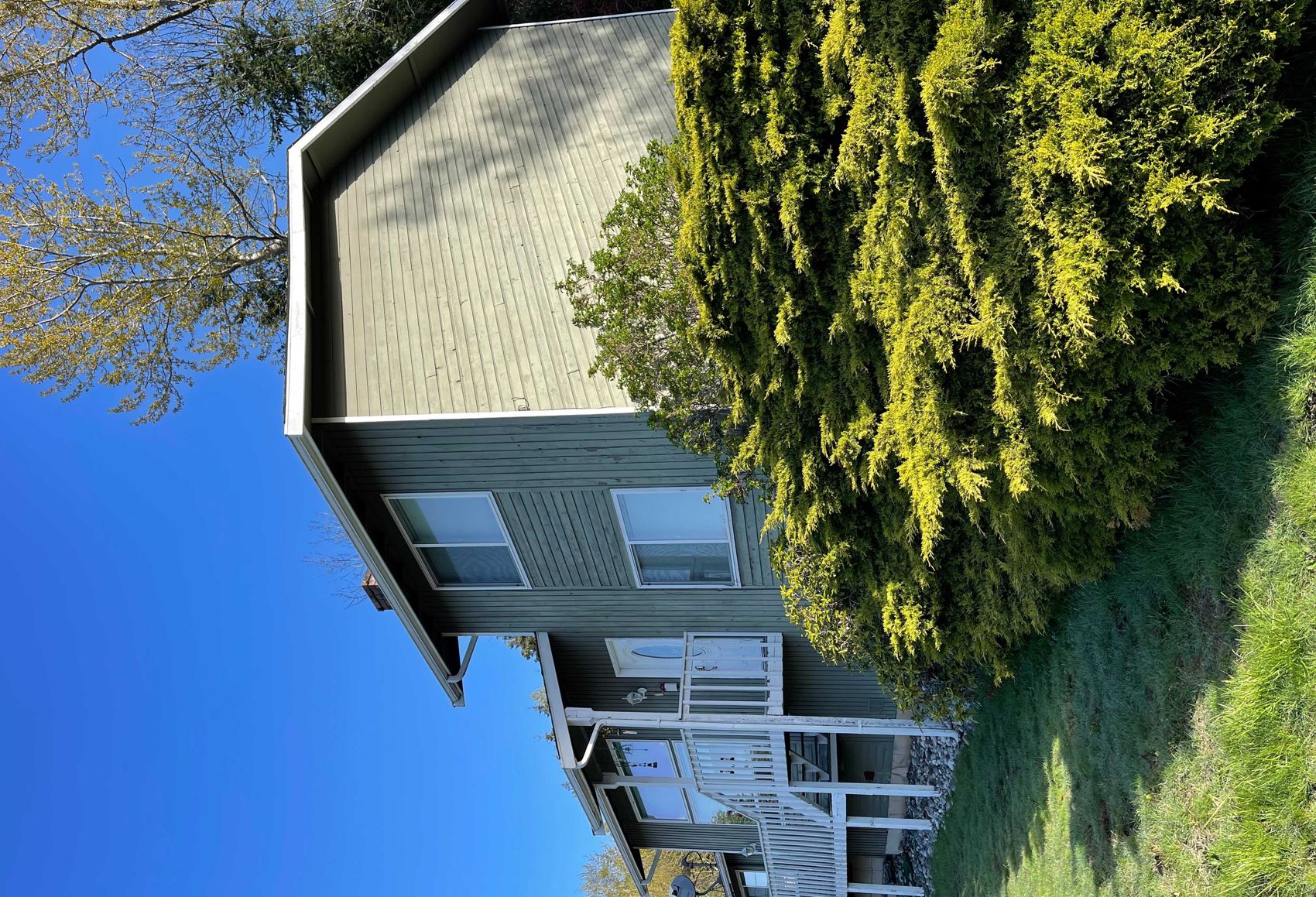
Siding repair here has to account for more than wind. A few things make the Tampa Bay area, from New Port Richey to Plant City, a different repair environment than most of the country:
Once the storm has passed and it's safe to be outside, a few steps make the difference between a clean repair and a drawn-out one:
Alpine Exteriors handles this kind of storm-damage assessment across the Tampa Bay area, and the approach is the same every time: confirm what's actually happening behind the panel before quoting a fix, so the repair addresses the cause and not just the symptom.
Wind and wind-driven rain damage to siding is typically covered under most Florida homeowners policies, though coverage details, deductibles, and exclusions vary by carrier and policy. One common point of confusion: the wind mitigation inspection form some homeowners have on file (Florida OIR-B1-1802) is used for premium discounts based on roof shape, roof deck attachment, and opening protection — it doesn't evaluate siding, so having a good wind mitigation score doesn't tell you anything about your siding claim. Document the damage and talk to your carrier directly about what your specific policy covers.
Often yes, if the damage is contained and the wall behind it is dry, but there are two honest caveats. First, siding that's fifteen-plus years old may already be discontinued or faded enough that new panels won't match, even if the repair itself is straightforward. Second, if the crew opens the wall and finds the sheathing has already taken on moisture, the scope can grow beyond the original handful of panels — which is inconvenient, but far better to find out now than to re-cover a wet wall.
Faster than most people assume. Florida's heat and humidity mean that a wall that's taken on water can start developing mold within a matter of days, not weeks, especially in summer. Even if a full repair has to wait on scheduling or insurance approval, get any open gaps covered and get air moving to dry out the area in the meantime.
It depends on the scope. Small, like-for-like panel repairs are sometimes exempt, while larger sections, full elevations, or work that involves the underlying wall assembly generally require a permit under the Florida Building Code as adopted by the local jurisdiction. A licensed contractor working in Hillsborough or Pasco County should be able to tell you which applies to your specific repair before work starts.
If a tropical storm has left your siding cracked, loose, or missing anywhere from Tampa to Wesley Chapel, Land O' Lakes, Lutz, New Port Richey, Plant City, or Zephyrhills, it's worth having someone look at what's happening behind the panel, not just the visible damage. Alpine Exteriors is licensed in Florida (RB29003900) and provides on-site inspections and written repair estimates for storm-damaged siding across the Tampa Bay area. Reach out to schedule an assessment before the next system rolls through.