
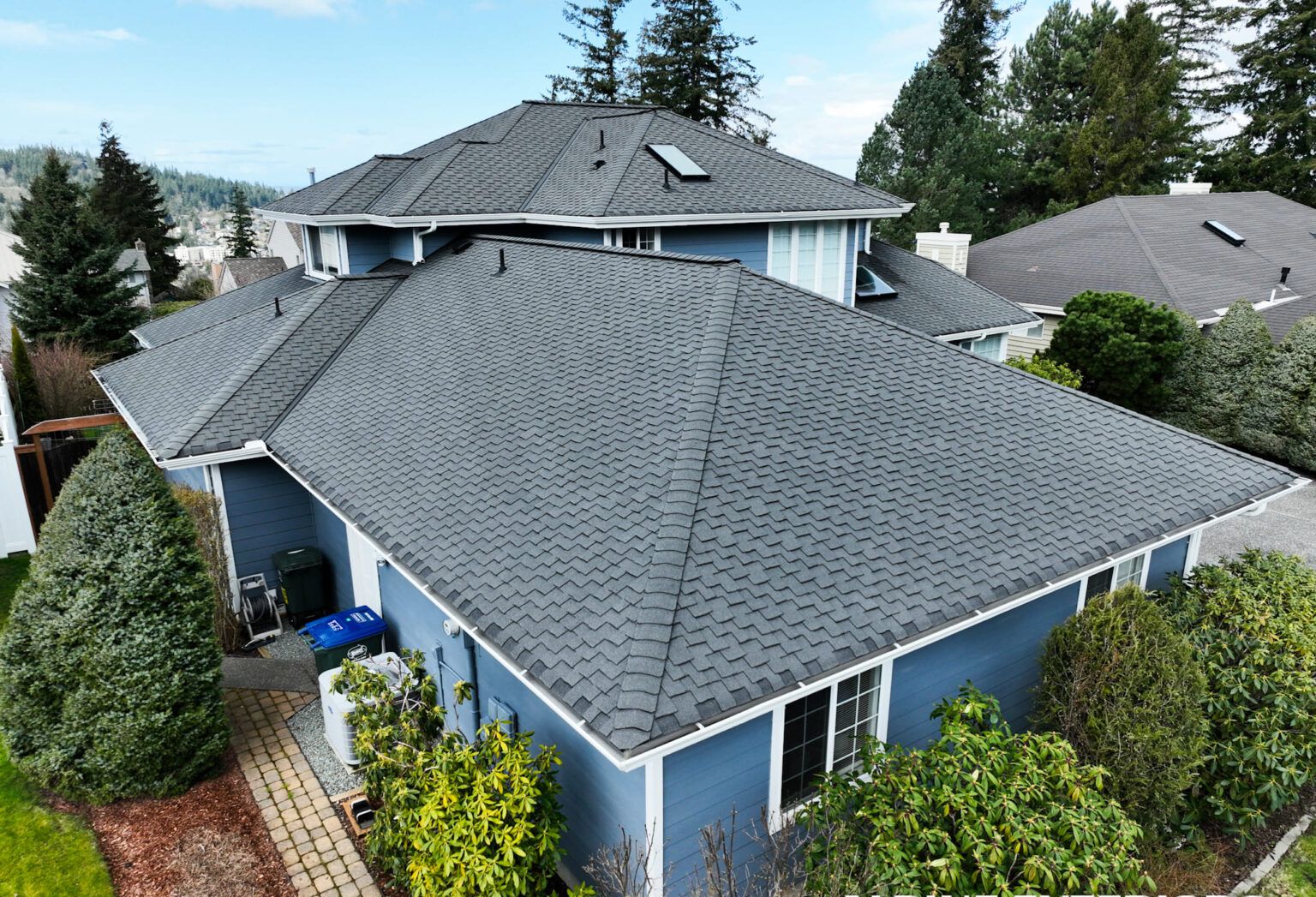
Your siding and your hurricane shutters are not two separate systems — they have to work as one assembly, because a shutter track, bracket, or accordion rail bolted through the wrong siding attachment point can void your siding's wind rating and open a path for wind-driven rain. The short version: shutter hardware should attach to structural framing or an engineered mounting buck, not to the siding itself, and every component in the stack needs a current Florida Product Approval that matches your home's design wind speed.
Siding in Tampa Bay is rated and installed as part of a wall assembly that has to meet a specific wind pressure requirement under the Florida Building Code. That rating assumes the siding is fastened a certain way, lapped a certain way, and backed by an intact water-resistive barrier. When a hurricane shutter system goes in later — accordion shutters, colonial shutters, roll-downs, or even permanently mounted panel tracks for storm panels — the installer needs a place to anchor real structural loads. Those loads are large: a shutter track has to resist the full wind pressure transferred from the panel during a storm, plus impact loads if debris hits it.
If that anchor point lands on vinyl or fiber cement siding instead of on the stud, header, or a purpose-built mounting buck, two things go wrong. First, the fastener can crack, split, or work loose the siding around it long before the storm arrives, because siding isn't designed to carry lateral shutter loads. Second, every penetration through the siding and water-resistive barrier is a potential leak point, and on a home that's already dealing with Gulf Coast humidity, a slow leak behind the wall becomes a mold problem faster than it would in a drier climate. We've opened up wall sections on remodels around Tampa and Land O' Lakes where old shutter hardware had been lag-bolted straight through vinyl siding into the sheathing, with no flashing or sealant detail at all — the siding was doing structural work it was never rated for.
The fix is straightforward in concept: shutter attachment hardware gets its own engineered path, independent of the siding's fastening schedule. That might mean a continuous mounting buck fastened to the framing before siding goes on, concealed flashing so the buck sheds water outward, and siding trimmed and sealed around it rather than penetrated by it. Done in that order, the siding keeps its own wind and water rating, and the shutters keep theirs.
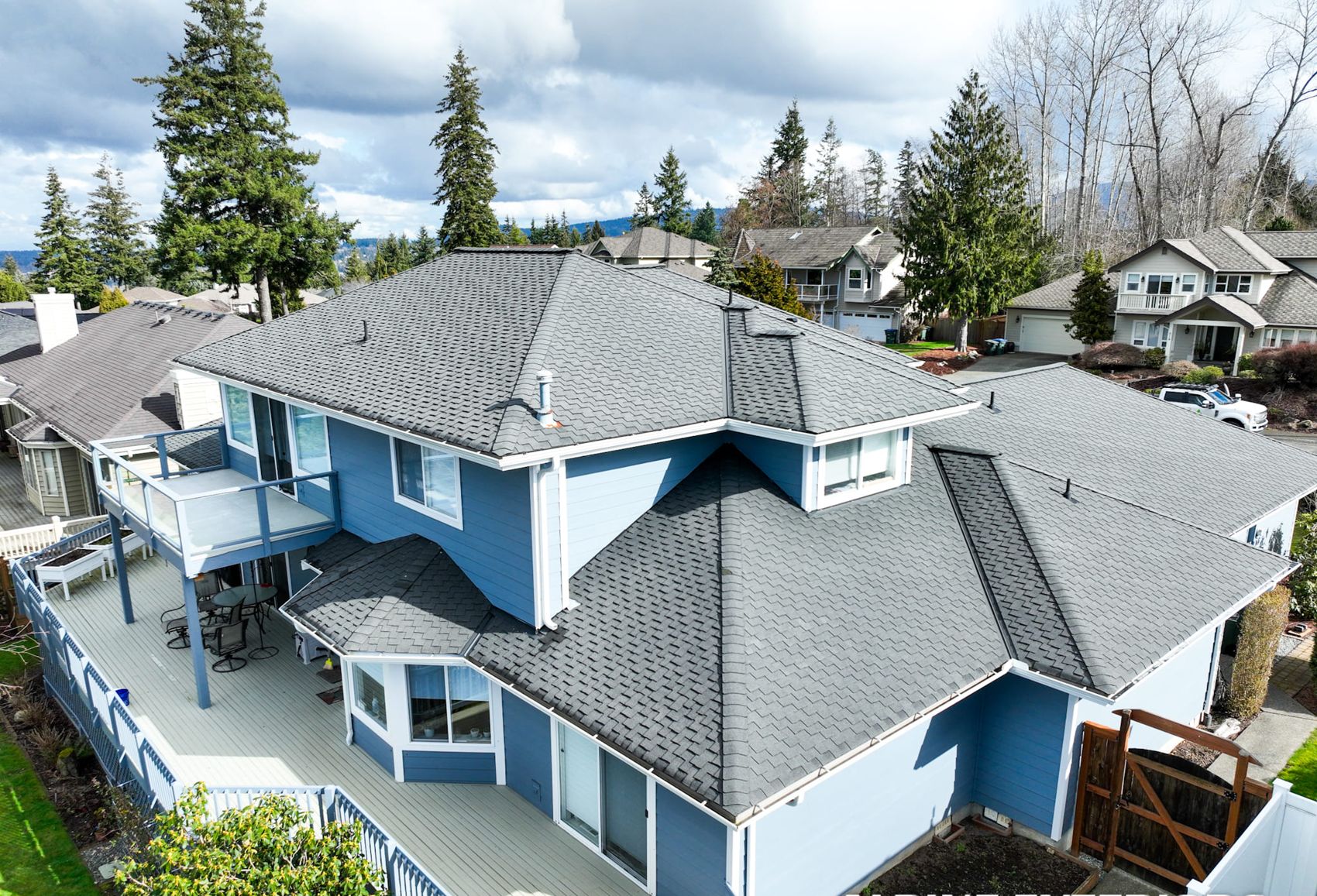
Homes from Tampa and Wesley Chapel down through Plant City and Zephyrhills sit inside wind-borne debris regions where the Florida Building Code requires either impact-rated openings or shutters on every window and door — this isn't optional trim, it's a code compliance item that shows up on your wind mitigation inspection (OIR-B1-1802) and can move your insurance premium. That form specifically asks about opening protection type and attachment, so hardware that isn't installed to its approved method can cost you the credit even if the shutters themselves are fine.
Wind isn't the only regional factor. Tampa Bay's humidity runs high nearly year-round, and any gap in the water-resistive barrier around a shutter mount becomes a mold risk behind the wall long before it shows up as a visible stain. UV exposure here is intense enough that unprotected fasteners, sealants, and even shutter hardware finishes degrade faster than in northern climates, so hardware rated for coastal UV exposure matters more here than it would in most of the country. Closer to the Gulf — think New Port Richey and the western edge of our service area — salt-laden air accelerates corrosion on lower-grade fasteners and shutter tracks, which is why stainless or coated hardware is worth the upgrade even though it costs more up front. And termites are a constant in this part of Florida; any wood mounting buck behind siding should be pressure-treated or otherwise protected, because an unprotected buck rotting or getting hollowed out behind the wall defeats the whole point of anchoring shutters to something solid.
Put together, this region asks more of a siding-and-shutter assembly than most: it has to hold a wind rating, shed wind-driven rain, survive high humidity without trapping moisture, resist UV and salt-air corrosion, and keep termites out of any wood component in the stack. Missing any one of those isn't usually obvious at installation — it shows up two or three years later as a leak, a soft spot, or a failed shutter mount during the next storm.
Before you add shutters to a home with existing siding, or re-side a home that already has shutters, a few things are worth checking rather than assuming:
It's also fair to know the tradeoffs going in. Mounting bucks and proper flashing add labor and material cost compared to a straight lag-bolt-through-the-siding installation, and that cost difference is real — homeowners sometimes get quoted a lower number precisely because the cheaper bid skips the buck. Accordion and colonial shutters that stay mounted year-round also change how the siding around them can be inspected and maintained, since panels have to be moved to see behind them. None of that is a reason to skip proper attachment — it's just worth budgeting and planning for rather than being surprised by later.
Not for the structural load-bearing points. Vinyl and fiber cement siding are cladding materials, not structural framing, and they aren't rated to carry the wind and impact loads a shutter track transfers during a storm. Attachment hardware needs to reach framing or an engineered mounting buck; the siding should be trimmed and sealed around that hardware rather than penetrated by it.
It can, depending on the manufacturer and how the shutters are attached. Most siding warranties exclude damage from improper penetrations or fasteners that weren't part of the approved installation method, so unpermitted holes drilled for shutter brackets can create a gap in coverage even if the siding itself performs fine. Ask your siding manufacturer's documentation or your contractor to confirm before drilling into existing siding.
In most jurisdictions across Hillsborough, Pasco, and the surrounding counties, yes — shutter installation typically requires a permit because it's a code-regulated opening-protection product tied to your wind mitigation rating. Requirements vary by city and county, so it's worth confirming with your local building department or a licensed contractor rather than assuming based on a neighbor's experience.
The OIR-B1-1802 wind mitigation form documents your home's opening protection type and how it's installed, and insurers use that to calculate premium credits. If shutters are added, removed, or reattached differently than what's on file, it's worth getting the form updated so your coverage and premium reflect what's actually on the house — an outdated form can mean you're not getting credit you've already paid for in materials.
If you're planning new siding, adding hurricane shutters, or you're just not sure whether your existing setup was installed correctly, Alpine Exteriors can walk the exterior with you and point out where the two systems meet — before it becomes a repair. Alpine Exteriors holds Florida contractor license RB29003900 and works across Tampa, Wesley Chapel, Lutz, Land O' Lakes, New Port Richey, Plant City, and Zephyrhills. Reach out for a straightforward, no-pressure look at what your home actually needs before the next storm season.