
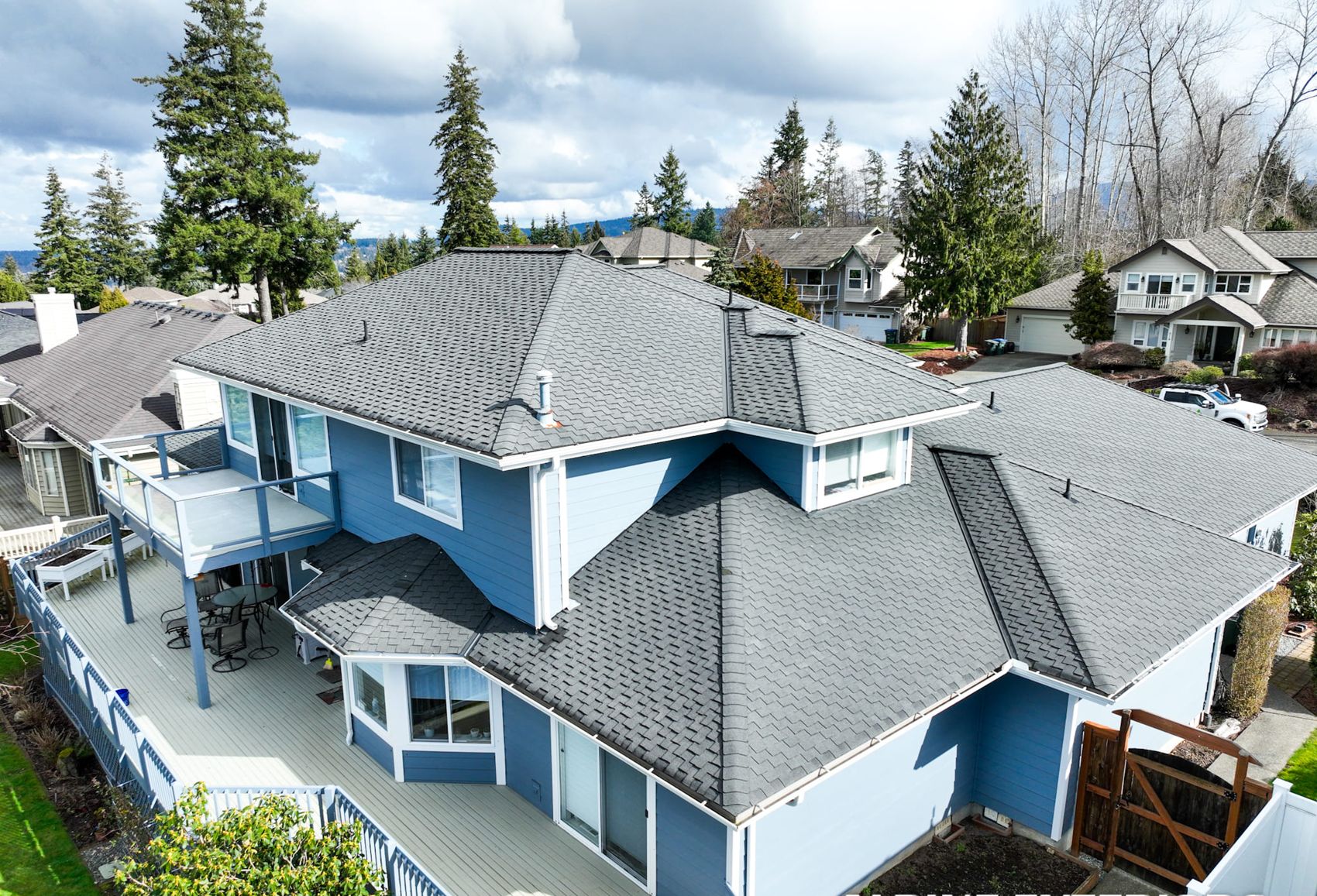
Avalon Park in Wesley Chapel is one of the newer, higher-end communities in the greater Tampa Bay area, and most of its homes are still well within their first siding lifecycle. That doesn't mean the siding is immune to trouble. Wesley Chapel sits inland from the Gulf, but it still takes the brunt of Central Florida's summer thunderstorm cycle, tropical-system wind and rain, brutal UV exposure, and the kind of year-round humidity that gives mold and wood-destroying organisms everything they need to thrive. Siding that looks fine from the curb can be quietly failing behind the surface, and by the time a problem is visible from the driveway it has often been developing for months. This guide walks through the warning signs we see most often on Avalon Park homes, what's really causing them, and how to tell the difference between a cosmetic nuisance and a repair that needs attention now.
Vinyl and engineered wood siding are both installed with room to expand and contract, but Central Florida's daily swing between intense afternoon sun and sudden downpours pushes that movement to the extreme. If siding was nailed too tightly during the original install, or if a panel has absorbed moisture it can't release, it starts to ripple or bow outward. On Avalon Park homes with southern or western exposures, prolonged UV heat buildup accelerates this, softening vinyl until it loses its shape permanently in that stretch of wall.
Florida's UV load is intense enough that even siding rated for the climate becomes more brittle over years of exposure. Once that happens, a wind gust, a thrown lawn debris impact during a storm, or simple thermal contraction on a cold snap night can crack a panel that would have flexed harmlessly a few years earlier. Wesley Chapel isn't in a Miami-Dade or Broward High-Velocity Hurricane Zone, but it's still squarely inside the wind and wind-borne debris exposure the Florida Building Code accounts for, and siding rated under Florida Product Approval is engineered with that wind load in mind. A cracked panel loses that rating for that section of wall the moment it splits.
This is one of the more serious signs and usually means water has been getting behind the siding for a while, not just landing on it. Wind-driven rain during a tropical storm or a strong summer cell can drive moisture sideways up under laps, around window trim, and into inside corners where flashing or caulk has failed. Once that moisture reaches wood sheathing, fascia, or trim, subterranean and drywood termites — both established throughout the Tampa Bay region — can move in, and the combination of moisture and termite activity is what usually turns a soft spot into a structural repair rather than a cosmetic one.
Fiber cement and painted trim take a beating from Florida's UV intensity, and paint film that's past its service life will chalk, fade, and eventually peel or bubble as moisture works underneath it. Caulk at joints and penetrations has an even shorter functional life in this climate — it dries out, shrinks, and cracks well before it looks obviously bad, and once it's compromised it stops doing its one job, which is keeping wind-driven rain out of the seam.
High year-round humidity plus shaded, less breezy sections of a home — common on lots with mature landscaping in Avalon Park — create ideal conditions for mildew and algae growth on siding surfaces. Surface staining that wipes off or pressure-washes away is cosmetic. Staining that keeps coming back in the same spot, especially paired with a musty smell noticeable near an exterior wall or in an adjacent room, usually points to trapped moisture rather than a simple surface growth problem, and that's worth having looked at rather than just cleaned.
Siding that has come loose from its nailing strip, panels with visible gaps between them, or fastener heads that have backed out and are now sitting proud of the surface are all signs the siding is no longer secured the way it was designed to be. This matters most going into hurricane season: siding installed and fastened to current Florida Building Code wind-load requirements is rated to stay put in a design wind event, but a panel that's already loose is a liability the rating doesn't account for, and it's often the first thing to peel off in a storm.
Siding itself isn't insulation, but failing siding, gapped seams, and compromised house wrap behind it let conditioned air escape and let attic and wall-cavity heat build up faster. If cooling costs have crept up without an obvious cause — no new AC issues, no change in usage — and you can feel warm air or a draft near an exterior wall, it's worth checking whether the siding and the water-resistive barrier behind it are still doing their job.
Florida's humidity accelerates corrosion on any fastener that isn't fully corrosion-resistant, and rust streaks running down from a nail head, screw, or piece of metal trim are a sign the fastener underneath is degrading. Left alone, a corroding fastener eventually loses its grip, which is how a single loose panel turns into several.
| Situation | Urgency |
|---|---|
| Soft or spongy trim, visible rot, or a musty smell near a wall | Urgent — schedule an inspection now; moisture and termite damage spread while you wait |
| Loose, gapped, or missing panels heading into storm season | Urgent — a loose panel is a wind hazard and an open door for wind-driven rain |
| Cracks or holes larger than a few inches, or in a cluster | Urgent to time-sensitive — repair before the next heavy rain event |
| Light surface mildew or dust-level chalking on old paint | Can wait — clean or plan for repainting on a normal maintenance schedule |
| Minor caulk shrinkage at a single joint with no soft wood nearby | Can wait a short while — recaulk on your next maintenance pass |
| Slight color fade with no cracking or warping | Cosmetic — no structural urgency |
Start with a walk around the exterior on a dry day and look specifically at the areas most exposed to sun and wind-driven rain: south- and west-facing walls, the corners nearest downspouts, and trim around windows and doors. Press gently on any spot that looks discolored or swollen — if it gives at all, treat it as a moisture issue rather than just a paint problem. If your home hasn't had an OIR-B1-1802 wind mitigation inspection recently, or the siding has changed since the last one, it's worth updating that documentation too, since insurers use it to price wind coverage and it can flag issues you'd otherwise miss.
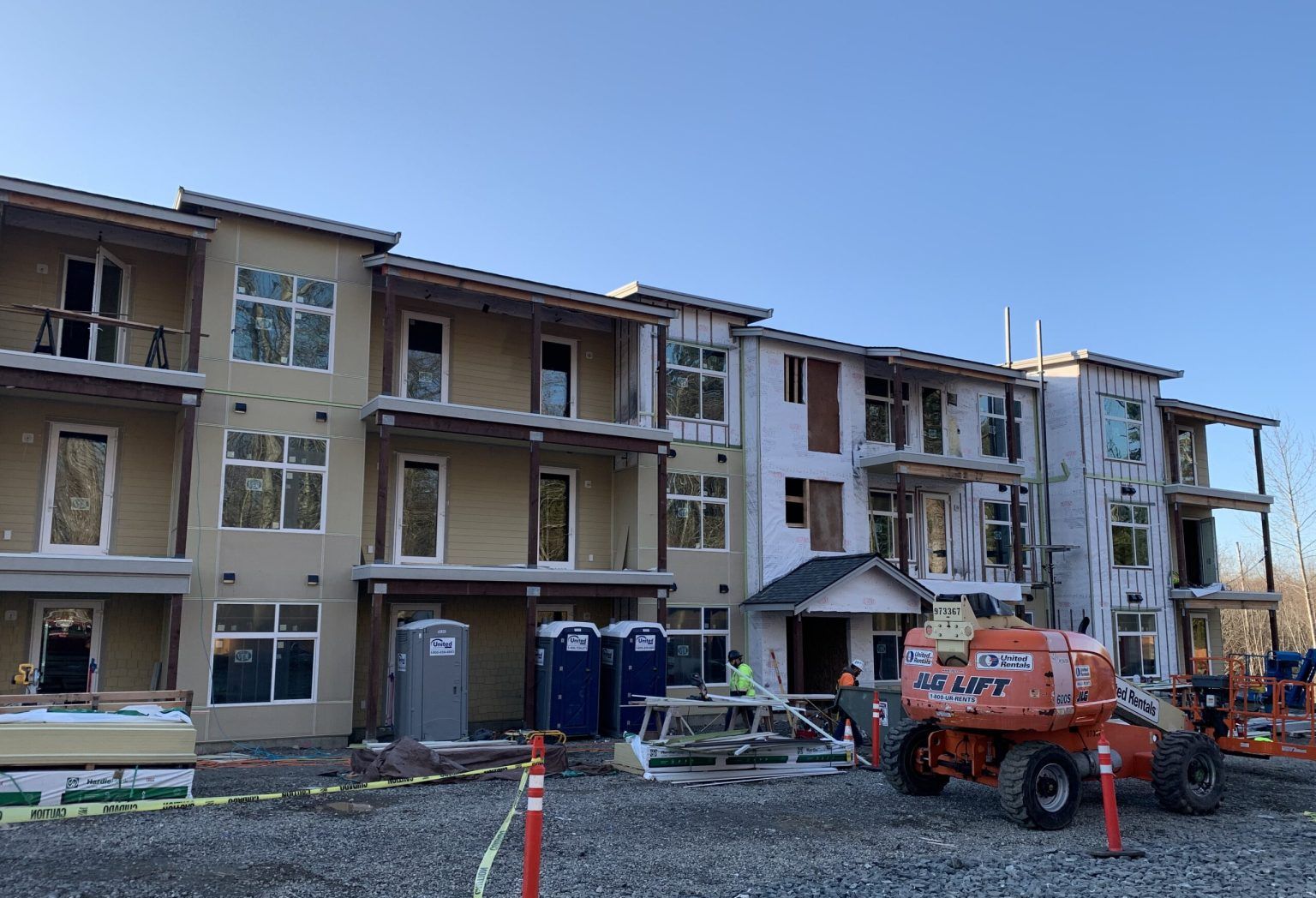
From there, the honest answer is that not every sign on this list needs the same response. Surface mildew and light fading are maintenance items. Soft trim, loose panels, and recurring moisture are not — those get worse the longer they sit, and in a region with active termite pressure, a small area of hidden rot this year can be a much larger repair by next hurricane season. Alpine Exteriors inspects Avalon Park homes to sort out which of these signs are cosmetic and which need real repair, and we'll tell you plainly when something can be monitored versus when it shouldn't wait — we'd rather lose a sale on unnecessary work than replace siding that only needed a caulk repair.
Not necessarily. Light surface mildew that washes off with a gentle cleaning and doesn't return quickly is a normal side effect of Florida's humidity, especially on shaded walls, and it's a maintenance issue rather than a failure. It becomes a bigger concern when it keeps coming back in the same spot within weeks of cleaning, or when it's paired with a musty smell or soft wood nearby, since that combination usually means moisture is trapped rather than sitting on the surface.
Often, yes — if the damage is contained to a small area and the surrounding siding is still sound, a targeted repair is a reasonable and honest option, and we'll recommend it when it's genuinely the right call. Matching older siding exactly can be difficult once a product has been discontinued or has faded unevenly compared to new material, so the tradeoff is usually cosmetic consistency versus cost, not structural risk.
Yes. Any new siding installation, including a repair or replacement on an existing home, has to meet the wind load and product approval requirements that apply to your area under the current Florida Building Code, regardless of what was on the house originally. That's part of what a licensed contractor accounts for in the materials and fastening pattern they specify, not just the visual match.
Fairly urgent. Siding that's already loose, gapped, or missing a panel is more likely to fail first in high wind, and once one section goes it can expose the wall behind it to wind-driven rain and create a path for more panels to come loose. If you notice loose or rattling siding heading into storm season, it's worth having it secured or repaired rather than waiting until after a storm has already tested it.
If you're seeing any of these signs on your Avalon Park home, it's worth getting a straight answer about what's actually happening before deciding on repair versus replacement. Alpine Exteriors is a licensed Florida contractor (RB29003900) serving Wesley Chapel and the surrounding Tampa Bay area, and we're happy to walk your property, point out what's cosmetic and what isn't, and lay out real options and cost ranges for fixing it right.