
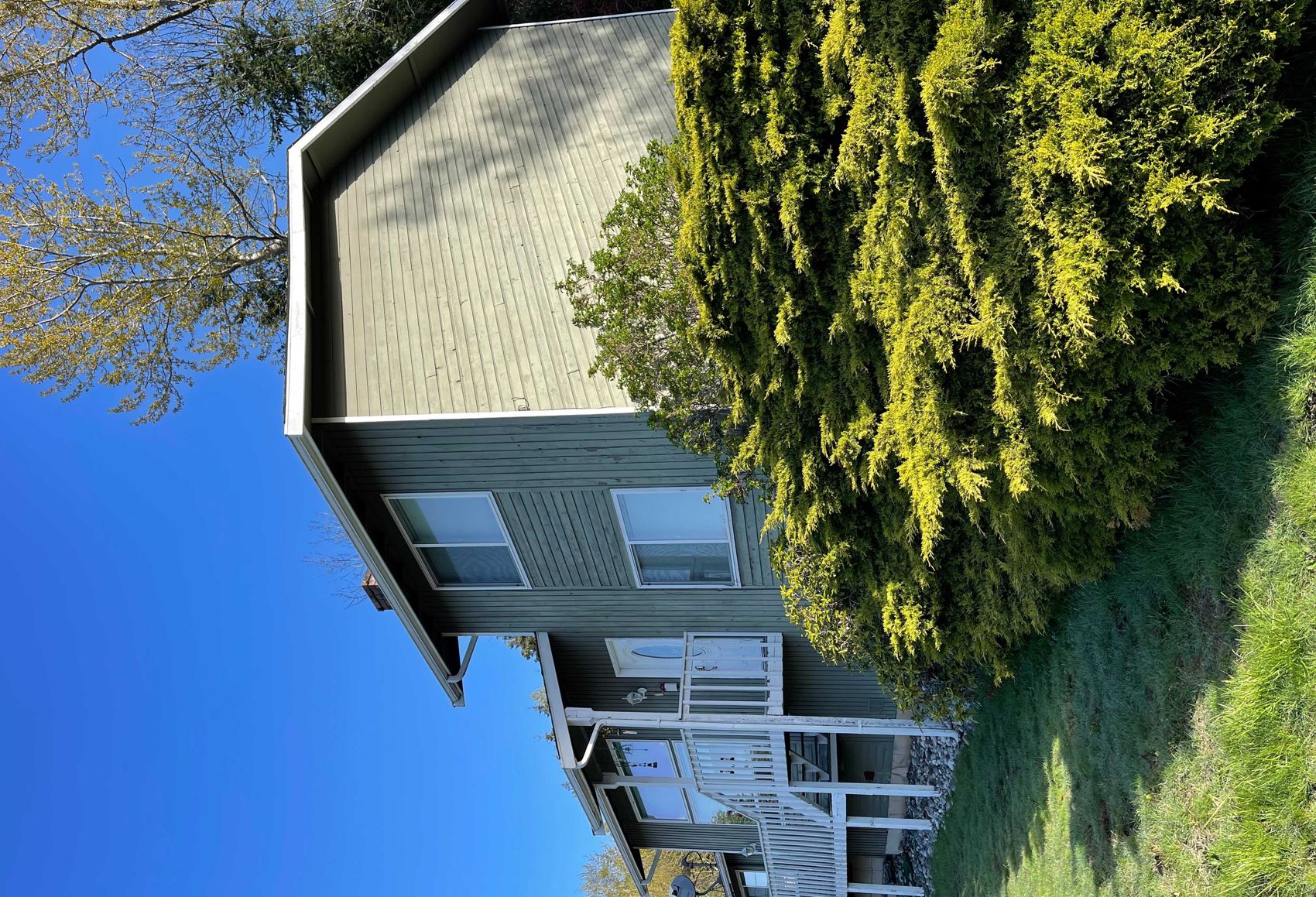
In Balm, siding is a structural component, not just a finish, because Hillsborough County sits inside a high-velocity wind zone under the Florida Building Code, and every panel, fastener, and piece of trim installed on your home has to carry a documented wind rating. If a contractor can't show you the Florida Product Approval number for the siding they're proposing and match it to a fastening schedule rated for your home's exposure, they haven't actually engineered your job — they've guessed at it.
The Florida Building Code (FBC) sets wind design requirements for every structure in the state based on the ASCE 7 wind speed maps adopted into the code, and Hillsborough County — including Balm — falls into a design wind speed range that most residential siding products were never tested to handle out of the box. That's why Florida requires manufacturers to obtain a Florida Product Approval (an "FL number," issued through the state's product approval system) or a Miami-Dade Notice of Acceptance (NOA), which the rest of the state also accepts, before a siding, soffit, or trim product can be installed. The approval documentation isn't paperwork for its own sake — it specifies exactly how the product performed in wind-uplift and wind-driven-rain testing, and under what fastening pattern.
That fastening pattern is where a lot of jobs quietly go wrong. A vinyl or fiber cement siding product might carry a strong wind rating on paper, but only if it's installed with the nail spacing, nail size, and fastener penetration depth spelled out in its approval — not the generic pattern printed on a box that was designed for a lower wind zone somewhere else in the country. Hillsborough County's permitting and inspection process exists specifically to catch that gap: the permit reviewer checks that the product approval on file matches what's actually going up on the wall, and the field inspector checks that the fastening matches the approval, not just "looks tight."
Balm is unincorporated, so permitting and inspection run through Hillsborough County's building department rather than a city hall, but the code requirements themselves don't soften because you're outside city limits. The same FBC wind provisions, the same product approval requirements, and the same inspection checklist apply whether the house is off Balm Riverview Road or closer to downtown Tampa.
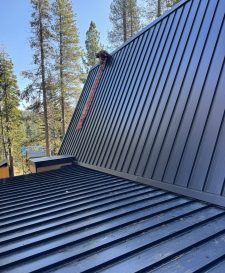
A few things about Balm and the surrounding parts of southern Hillsborough County change how a siding job should actually be built, compared to a generic "siding replacement" you'd read about for a house up north.
None of this means Balm is an unusually harsh place to side a house — it means the code and the inspection process are strict for a reason, and skipping steps that would be cosmetic mistakes elsewhere can be structural or moisture problems here.
You don't need to become a code expert to get this right, but there are a handful of concrete things worth asking for or checking before, during, and after a siding project in Balm.
Alpine Exteriors builds every Hillsborough County siding job around the product approval and fastening schedule for that specific product and that specific home, and pulls permits through the county rather than skipping the inspection step. We'll walk you through the approval documentation for whatever material you're considering — vinyl, fiber cement, or another option — before any material shows up on site.
No. The High-Velocity Hurricane Zone (HVHZ) under the Florida Building Code applies specifically to Miami-Dade and Broward counties. Hillsborough County, including Balm, is not in the HVHZ, but it is still subject to the statewide wind load provisions of the FBC, and products still need a valid Florida Product Approval or an accepted Miami-Dade NOA before installation.
A Florida Product Approval is a state-issued certification confirming that a specific building product — in this case, a siding system — has been tested and documented to perform to a defined wind load and water-infiltration standard, along with the exact fastening method required to achieve that rating. The county's permit reviewers and field inspectors check this approval against what's actually installed, so a product without one (or installed differently than its approval specifies) can fail inspection even if it looks fine going up.
It can, depending on what else is involved in the project and how your home was previously classified on your OIR-B1-1802 Uniform Mitigation Verification Inspection form. Siding itself isn't usually the primary factor insurers weigh — roof-to-wall connections, roof covering, and opening protection carry more weight — but if your project touches those areas or changes documented wall assembly details, it's worth having the form reviewed or updated afterward.
It depends heavily on the material and installation quality rather than a fixed number. Well-installed fiber cement and properly fastened vinyl siding, with correctly detailed flashing and a functioning water-resistive barrier behind it, can hold up for decades under Hillsborough County's UV exposure and storm cycles. Siding installed with the wrong fastening pattern, gaps in the water barrier, or trapped moisture behind it tends to show problems — fading, warping, or hidden rot — years earlier than its rated lifespan would suggest.
If you're planning a siding replacement or repair in Balm or anywhere else in the Tampa Bay area, Alpine Exteriors can walk you through the product approval, fastening spec, and permitting steps specific to your home before any work begins. We're licensed under Florida contractor license RB29003900 and pull permits through Hillsborough County for every job we do in the area. Contact Alpine Exteriors for a straightforward, code-focused estimate on your siding project.