
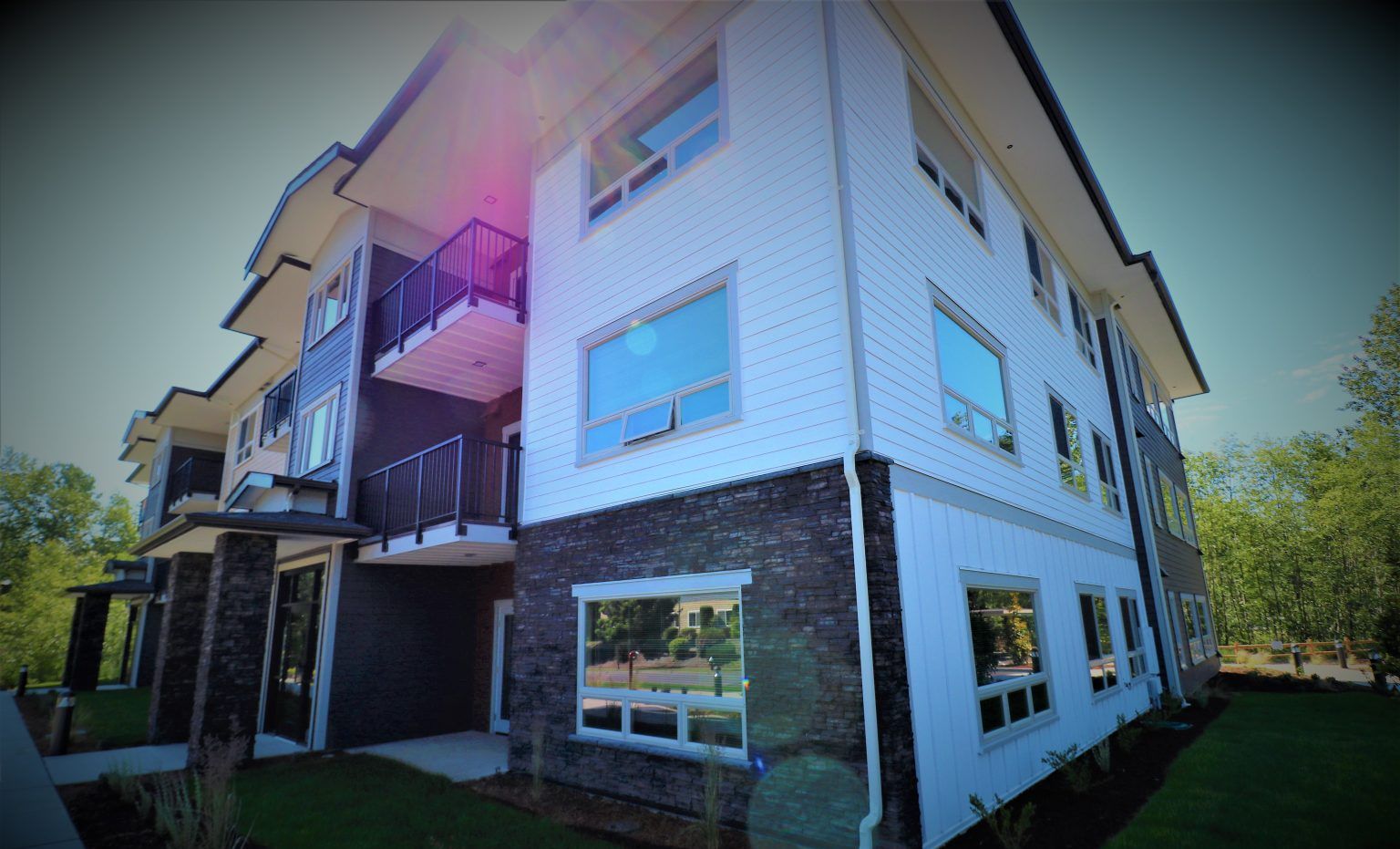
Yes. Any home in Port Richey falls under the wind provisions of the Florida Building Code, which means the siding going on your walls has to carry a valid Florida Product Approval for the wind pressures this part of Pasco County sees, installed with the fastening pattern that approval actually specifies — not just the generic nailing schedule printed on the box. Alpine Exteriors pulls a permit and checks product approvals against the local wind requirements on every siding job we run in this area, because skipping that step is the single most common reason a re-side gets flagged at inspection.
Every siding product sold for use in Florida — vinyl, fiber cement, engineered wood, aluminum — has to be tested and approved through the state's Florida Product Approval system, or hold a Miami-Dade Notice of Acceptance that's also accepted statewide. That approval isn't a rubber stamp on the packaging; it's a document tied to a specific manufacturer, product line, and installation method, and it lists the wind pressure the product was tested to withstand along with the fastener type, spacing, and embedment depth required to hit that rating. When a contractor pulls a permit in Pasco County, the reviewer wants to see that the product approval number on the application matches what's actually going up on the house.
This matters because wind pressure isn't uniform across a wall. Corners and the edges near rooflines see higher suction than the flat field of a wall during a storm, so approved installation instructions often call for tighter fastener spacing in those zones. A crew that fastens every panel the same way regardless of location is cutting a corner that doesn't show up until the wind does. Vinyl siding in Florida is also expected to meet recognized industry standards for wind resistance, and fiber cement products carry their own tested fastening schedules — the two aren't interchangeable, and neither is optional.
One honest caveat: because every product on a job has to carry its own current approval, the siding options actually available for a given wind zone are narrower than a manufacturer's full catalog suggests. Certain colors, panel lengths, or trim profiles sometimes lag behind on updated approvals after a code cycle changes. That can mean the exact look a homeowner had in mind isn't approved yet for this wind zone, and substituting something similar takes a conversation, not a guess.
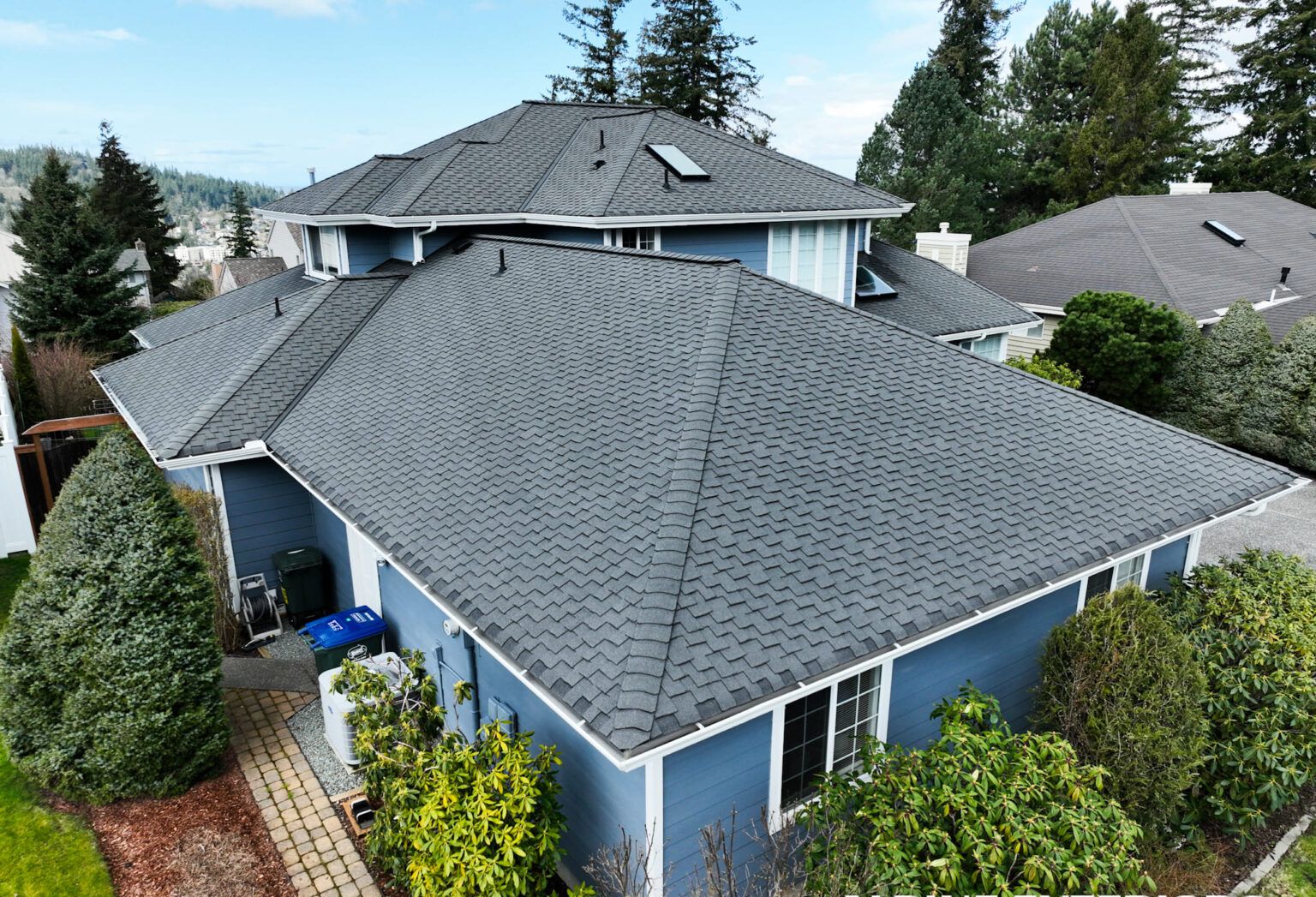
Port Richey sits close enough to the Gulf that wind-driven rain during tropical systems is a real design load, not a theoretical one. Storms here don't just push wind against a wall — they drive rain sideways under laps and around fasteners, which is why the weather-resistant barrier and flashing details behind the siding matter as much as the siding itself. A product approval covers the siding's wind resistance; it says nothing about whether water gets stopped before it reaches the sheathing.
The humid subtropical climate that comes with living this close to the coast adds a second pressure: mold and rot risk. Siding installed too tight against trim, without a drainage gap, or over sheathing that got wet during construction gives moisture nowhere to go in a climate that rarely lets anything fully dry out. Intense Florida UV is the third factor — sun exposure this strong fades and chalks lower-quality vinyl over time, and it's part of why factory-applied, UV-stable finishes on fiber cement tend to hold their color longer than field-painted trim.
Subterranean termites, including the more aggressive Formosan termite found in parts of the Tampa Bay region, are a standing concern for any wood trim, fascia, or wood-based siding on a Port Richey home — vinyl and fiber cement panels themselves aren't a food source, but wood accents and old rotted starter strips underneath new siding can be. And because Port Richey borders brackish water along the Pithlachascotee River and sits a short distance from the Gulf itself, salt-laden air corrodes exposed steel faster here than it would well inland. Uncoated or poorly coated fasteners and trim hardware can start rusting and staining a wall years before they would in a drier, inland part of the county.
Most of the actual protection here doesn't come from picking a fancier siding product — it comes from confirming the paperwork and the details match the product. Before work starts:
It's also worth asking whether the crew is installing over existing siding or doing a full tear-off. Covering old, water-damaged sheathing with new code-compliant panels doesn't fix what's underneath — it hides it. A legitimate re-side in this climate usually means pulling the old material back far enough to check the sheathing and starter strip before anything new goes up.
A Florida Product Approval number ties a specific siding product to lab testing that verifies it meets the Florida Building Code's wind pressure requirements for the way it's installed. Contractors reference that number on the permit application so the building department can confirm the exact product going on your house is rated for the wind loads in your area — without it, or with a mismatched number, the permit can be held up or the job can fail inspection even if the siding looks fine.
No. The High-Velocity Hurricane Zone is limited to Miami-Dade and Broward counties and carries its own stricter set of code provisions. Pasco County, including Port Richey, still falls under the standard Florida Building Code's wind provisions, which set wind speed and pressure requirements based on the statewide wind maps — those requirements are real and enforced here, just not the same heightened HVHZ standard used further south.
Usually not by much on its own. Florida's wind mitigation insurance discounts, verified through the OIR-B1-1802 Uniform Mitigation Verification Inspection Form, are driven mainly by roof covering age and shape, roof-to-wall connections, and protection on windows and doors — exterior wall siding generally isn't a scored category on that form. New siding is a worthwhile investment for weather protection and appearance, but it shouldn't be the reason you expect a premium drop.
An inspector typically verifies that the installed product matches the approved product listed on the permit, checks that the weather-resistant barrier and flashing around openings were installed correctly before the siding went on, and looks at fastener type and spacing — particularly at corners and edges where wind pressure is highest. They're checking that what was built matches what was permitted, not just that the finished wall looks straight.
Wind loads, product approvals, and fastening schedules aren't the parts of a siding project most homeowners want to think about — but skipping them is how a job ends up redone. Alpine Exteriors handles siding for homeowners across Port Richey, New Port Richey, and the rest of Pasco County, along with Tampa, Wesley Chapel, Lutz, Land O' Lakes, Plant City, and Zephyrhills, and we pull the permits, match the product approvals, and detail the flashing so the work actually holds up to a Gulf Coast storm season. If you're weighing a re-side or just want a straight answer on what your current siding would need to pass inspection today, contact Alpine Exteriors for a walk-through and a written estimate.