
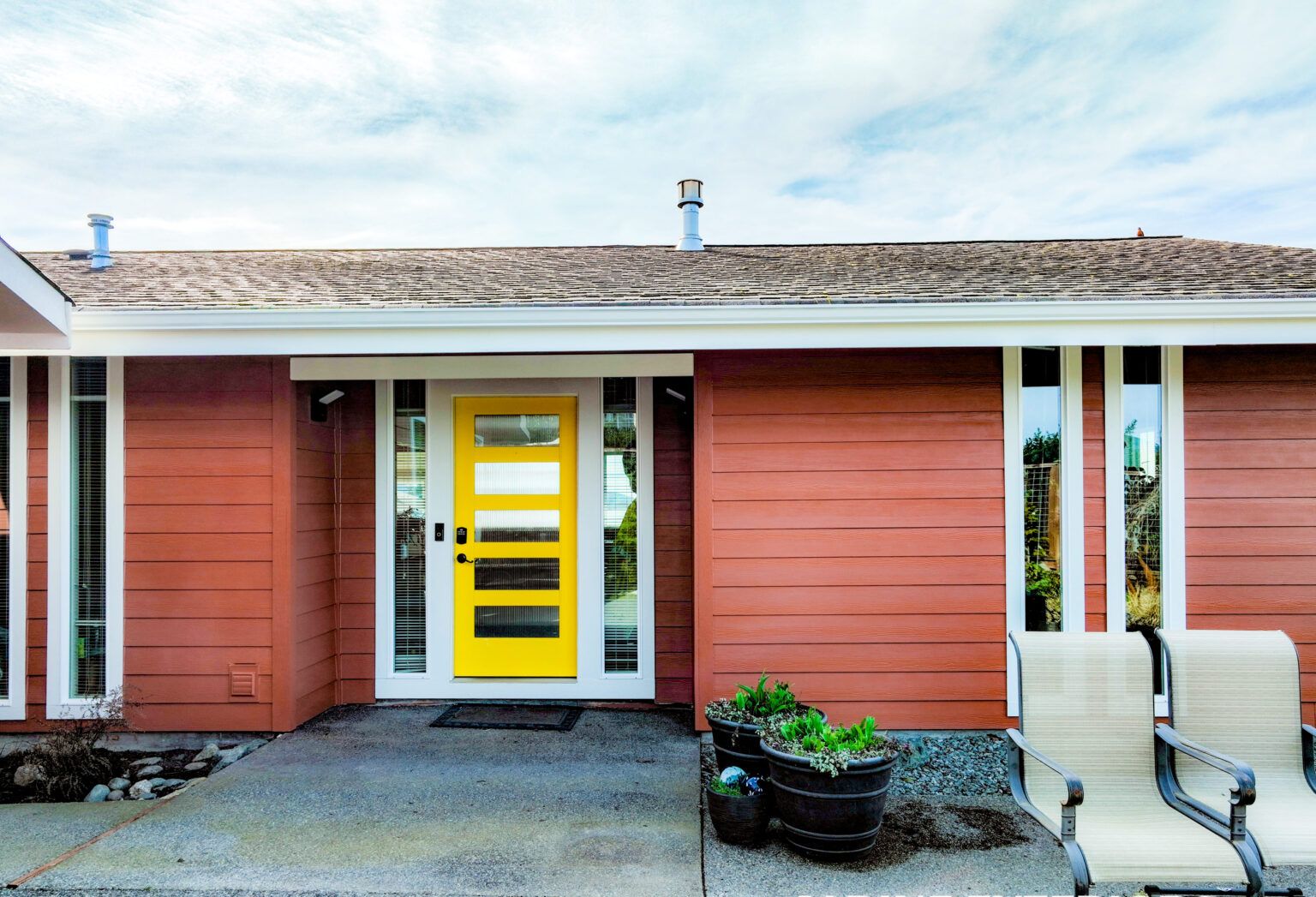
Both products can hold up in Tampa Bay if they're specified and installed correctly, but they suit different priorities. Vinyl siding is the lighter-weight, lower-cost option and it's a reasonable fit for budget-driven projects, rental properties, and homes where the owner wants a straightforward, low-fuss exterior. Fiber cement is the better fit when the priority is wind performance, a painted or wood-look appearance that holds up under intense Florida sun, and a material that shrugs off the humidity and mold pressure this climate puts on every exterior surface. Neither one is automatically wrong for this area — the right call depends on your budget, how long you plan to own the house, and how much the look of the exterior matters to you.
Vinyl is an extruded PVC panel that locks together in horizontal courses. In the Tampa Bay market it's popular because it's usually the least expensive full-siding option up front, it never needs painting, and it doesn't rot or feed termites the way wood-based products can. For a rental in Plant City or a starter home in Zephyrhills where the owner wants predictable costs, vinyl is a legitimate choice.
The tradeoffs show up under Florida-specific stress. Standard vinyl is rated for wind resistance, but the panel-to-panel fastening system relies on the nailing hem staying engaged in the track — in a strong gust, especially the wind-driven rain that comes with tropical systems, lower-grade vinyl can rattle loose, oil-can (ripple visually), or blow off entirely if it wasn't installed with the correct fastener spacing and starter strip. Any vinyl siding installed in this region needs to carry a current Florida Product Approval and be installed to the wind-load rating required for the specific address — coastal and near-Gulf parcels in Pinellas and western Hillsborough County generally carry higher design wind speeds than inland Pasco or Polk locations, and the approval and fastening schedule have to match. Intense UV exposure over years can also fade or chalk vinyl, particularly darker colors, and once a panel fades there's no way to touch it up — the whole run has to be replaced to match.
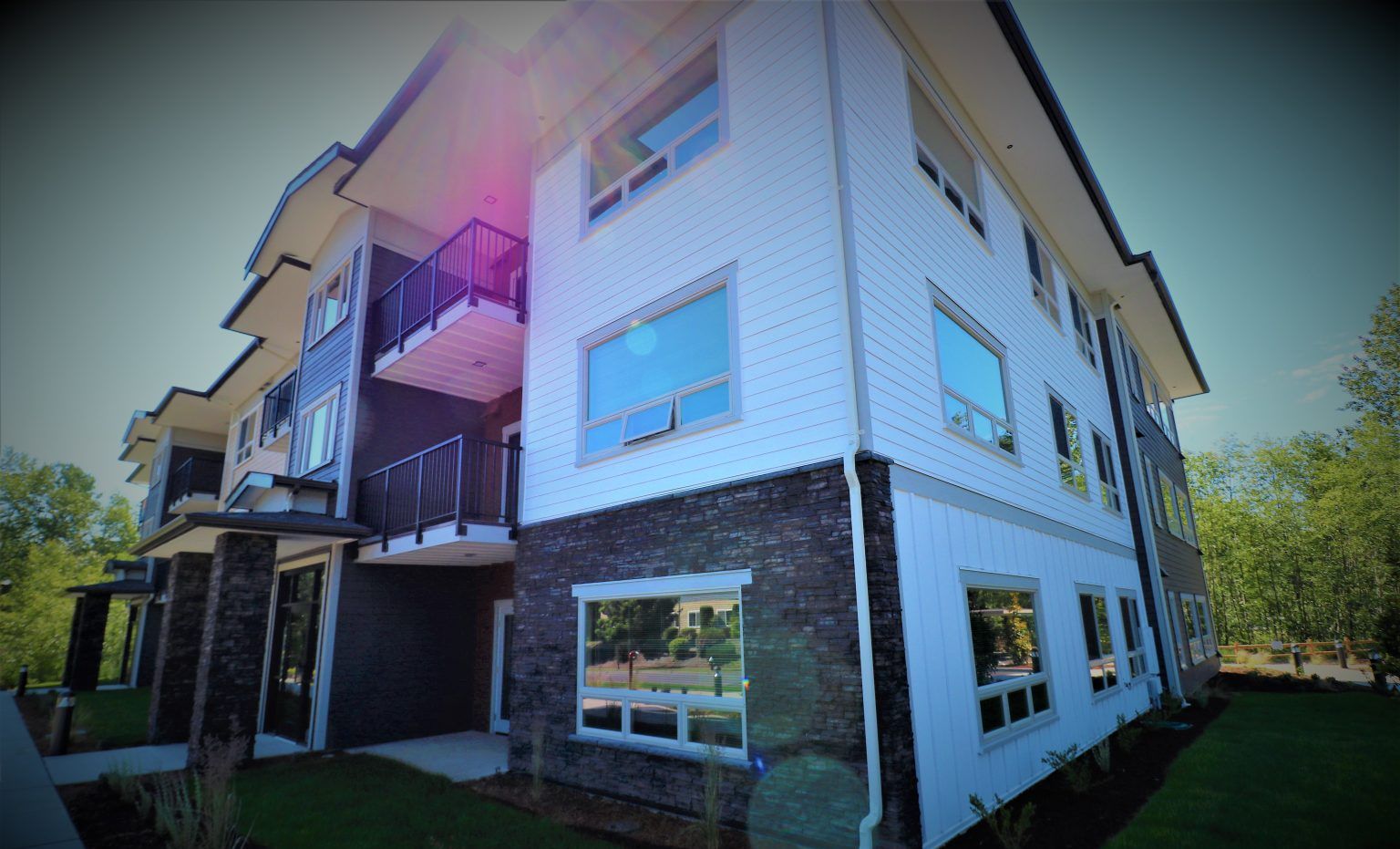
Fiber cement is a blend of cement, sand, and cellulose fibers, formed into planks or panels and painted or factory-finished. It's heavier and pricier than vinyl, but it's built for exactly the conditions Tampa Bay produces. It doesn't burn, it doesn't provide a food source for termites, and it holds its shape in high heat instead of softening or warping the way some plastic products can on a west-facing wall in August. Manufacturers publish Florida Product Approvals for fiber cement lines specifically because the material is engineered to meet the wind-load and impact requirements written into the Florida Building Code, which matters for both new construction and re-siding work anywhere in Hillsborough, Pasco, or Pinellas County.
Fiber cement also handles humidity better than most alternatives — it won't rot, and factory-primed or pre-finished versions resist the mold and mildew growth that Tampa's year-round humidity encourages on porous or poorly sealed surfaces. The tradeoff is upkeep: fiber cement needs to be painted, or repainted eventually even with factory finishes, and the joints and cut ends have to be properly sealed and caulked at installation or moisture can work into the substrate over time. It's also a heavier, harder material to cut and fasten correctly, so installation quality matters more than it does with vinyl — a poorly installed fiber cement job can trap moisture behind the panels just as easily as a well-installed one sheds it.
| Factor | Vinyl Siding | Fiber Cement Siding |
|---|---|---|
| Installed cost | Lower — generally the most budget-friendly full siding option | Higher — both materials and labor cost more than vinyl |
| Typical lifespan | Can run two to three decades in this climate if it's a quality product installed correctly and isn't in a harsh south/west sun exposure that accelerates fading | Often outlasts vinyl by a meaningful margin when the finish is maintained; the substrate itself holds up well under heat and humidity |
| Maintenance | Occasional washing; no painting; damaged panels are fairly easy to swap if a color match is still available | Needs periodic repainting or refinishing over its life; caulking and joints should be inspected, especially after storm season |
| Appearance | Clean, uniform look; limited texture and profile choices; color is baked in but can fade or chalk with age and can't be touched up | Convincing wood-grain, shake, and board-and-batten profiles; fully paintable, so color can be changed or refreshed later |
For most Tampa Bay homeowners, the deciding factors come down to three things: how close you are to the Gulf, how long you're planning to keep the house, and what look you want. If the home is well inland — say Lutz, Land O' Lakes, or Wesley Chapel — and the priority is a durable, low-maintenance exterior on a defined budget, a quality vinyl product with the correct Florida Product Approval and wind rating for the address is a sound, honest choice. It won't need painting, it resists moisture intrusion when installed with proper flashing, and it's the more affordable path if you're re-siding an older home or prepping a rental for the market.
If the home is closer to the coast — New Port Richey and similar Gulf-adjacent areas see more salt-laden air, which accelerates wear on fasteners and lower-grade trim hardware — or if you want a wood-look or painted exterior that will still look sharp in fifteen years, fiber cement is generally the stronger long-term investment. It stands up to wind-driven rain and high humidity without the softening or warping risk some lighter materials face, and because it's paintable, you're not locked into one color for the life of the siding. The added upfront cost buys durability against the specific stresses — heat, humidity, storms, UV — that define this climate.
Whichever direction fits your situation, the installation details matter as much as the product choice. Correct fastening schedules, house wrap and flashing details at every penetration, and a wind-load rating that actually matches your address's requirements are what separate siding that survives a Florida hurricane season from siding that doesn't. Alpine Exteriors evaluates both options against your home's specific exposure — inland versus coastal, roofline and elevation, existing wall condition — before recommending one over the other, rather than defaulting to whichever product carries a better margin.
When both products carry a current Florida Product Approval and are installed to the wind-load rating required for your address, both can perform well. In practice, fiber cement's weight and rigid, fastened-plank installation tends to be less prone to the panel flutter and blow-off that can happen with lower-grade vinyl in sustained wind-driven rain, but a properly specified and installed vinyl system with the correct fastener spacing is also engineered to meet code for its rating.
Siding material itself isn't usually the primary line item on a wind mitigation inspection (form OIR-B1-1802) — that form is mostly concerned with roof covering, roof-to-wall connections, opening protection, and roof deck attachment. That said, insurers and inspectors do want to see documentation that the siding product has a valid Florida Product Approval for the installed wind speed, so keep that paperwork regardless of which material you choose.
Both vinyl and fiber cement resist rot outright, since neither is an organic wood product. The real risk with either one is moisture getting trapped behind the panels due to poor flashing or sealing at seams, which can lead to mold growth on the sheathing behind the siding rather than on the siding itself. Fiber cement's joints and cut edges need more careful caulking at installation to prevent that; vinyl's lapped panel design sheds water more passively but still depends on a correctly installed weather barrier underneath.
Not directly with either product — vinyl is a PVC plastic and fiber cement is cement-based, and termites don't consume either as a food source. Where termites become relevant is at the trim, fascia, and any wood substrate or furring behind the siding; both products should be installed over materials and details that don't give termites a path into the structure, which is worth confirming with your contractor regardless of which siding you pick.
The right siding for a home in Wesley Chapel isn't automatically the right siding for one in New Port Richey, and the only way to know for sure is to have someone look at your specific exposure, elevation, and budget. Alpine Exteriors is a licensed Florida contractor (RB29003900) serving Tampa, Wesley Chapel, Lutz, Land O' Lakes, New Port Richey, Plant City, and Zephyrhills. Contact us for an on-site evaluation and an honest comparison of vinyl and fiber cement for your address before you commit to either one.