
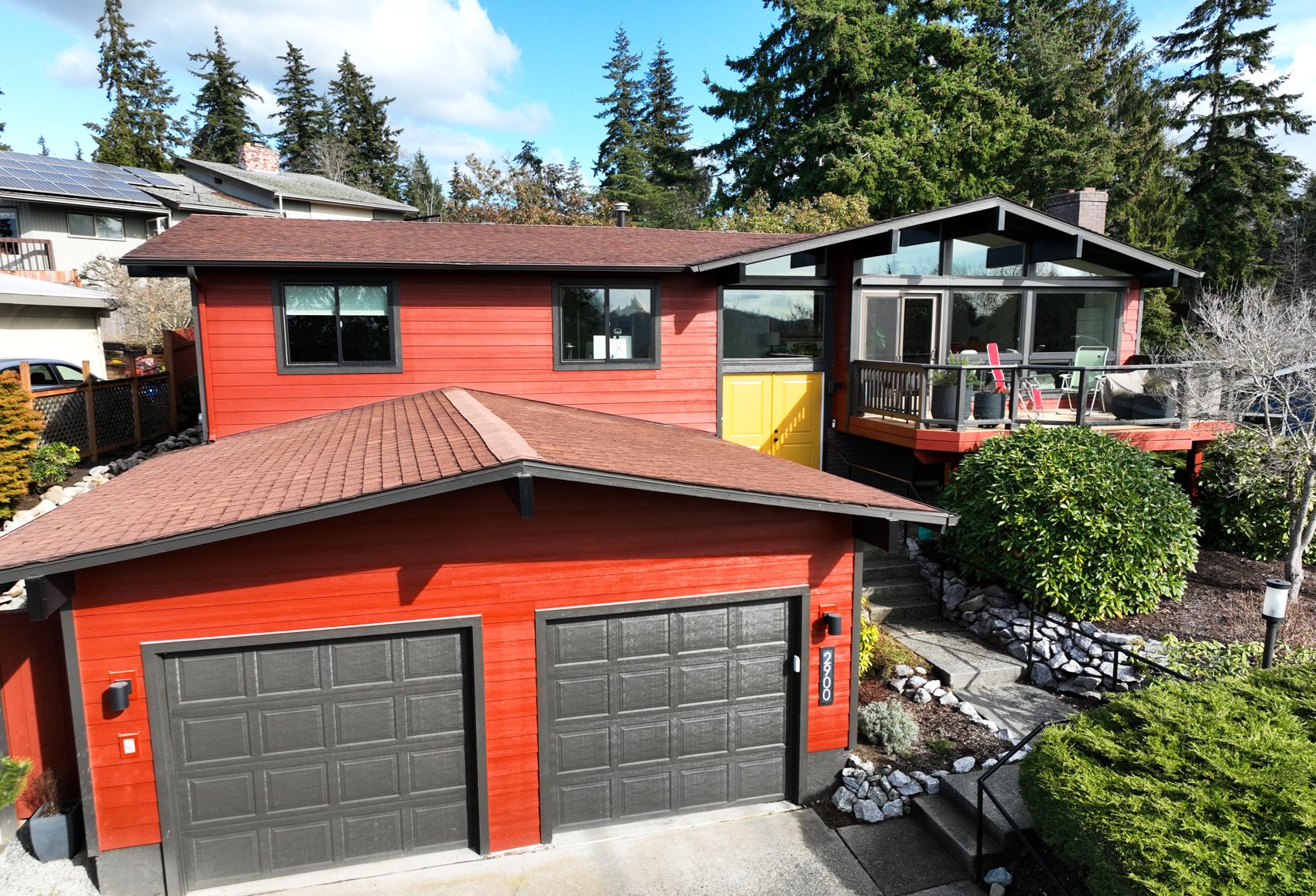
Both options are the same underlying product — James Hardie fiber cement — so the real question isn't durability of the board itself, it's durability of the finish on top of it. If you want the lowest long-term maintenance and the most consistent color under Tampa Bay's UV load and afternoon humidity, ColorPlus prefinished siding is the better fit for most homeowners in Tampa, Wesley Chapel, Lutz, and the surrounding area. If you're matching an unusual custom color, working with an existing accent trim scheme, or you already have site-painted Hardie on the house and need a patch or addition to match, site-painted is the more practical route. Neither choice is wrong; they just trade off differently between upfront cost, repaint labor, and how the finish behaves in heat and salt-laden coastal air.
ColorPlus is James Hardie's factory-applied finish, baked onto the fiber cement board under controlled conditions before it ever reaches the job site. The coating is applied in multiple coats with a curing process that a brush and roller in the field simply can't reproduce. For a Gulf Coast climate, that matters because the finish has to survive intense summer UV, long stretches of high humidity, and the kind of wind-driven rain that comes with tropical systems and afternoon storm cells. A factory finish resists fading and chalking longer than most field-applied paints, and Hardie backs ColorPlus with its own finish warranty that's separate from the substrate warranty.
The tradeoff is choice and touch-up. ColorPlus comes in a defined palette, so if you want a very specific or unusual color, you may not find an exact match. Field-cut edges (around windows, corners, and penetrations) expose raw fiber cement and need to be sealed with a color-matched touch-up product during installation — a step that's easy to skimp on and worth confirming your contractor does correctly. Installers also need to nail within the designated fastener zones and avoid marring the factory finish, since deep scratches can be harder to blend seamlessly than a fresh coat of field paint would be.
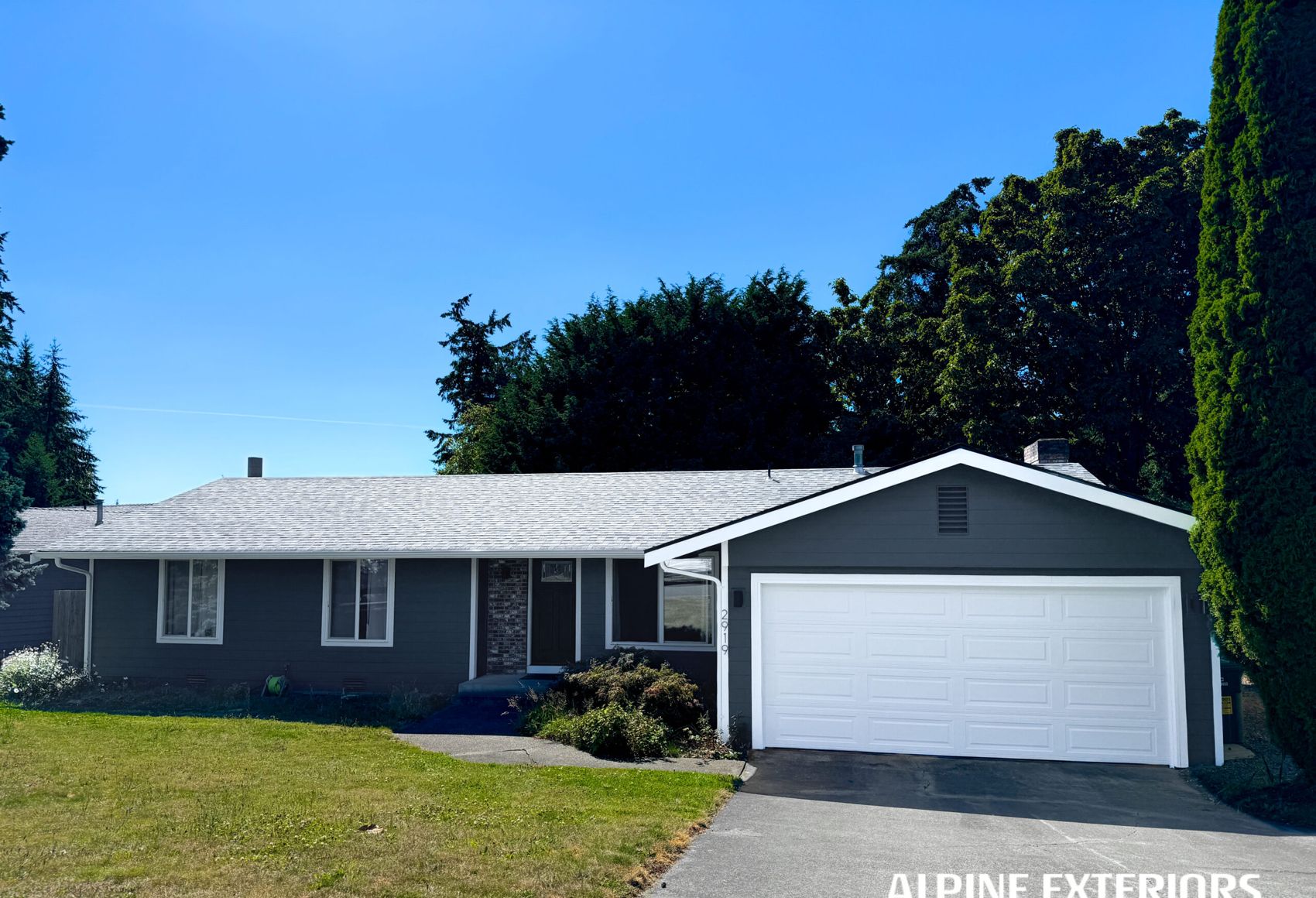
Site-painted Hardie is unprimed or primed fiber cement siding that gets its full paint system after installation, on site, using a conventional exterior paint. The obvious advantage is color flexibility — you can match any existing trim, HOA-mandated palette, or a very specific shade the homeowner wants, and repainting later doesn't require finding a factory-matched product. It's also the practical choice when you're adding onto or repairing a section of a house that already has site-painted siding on it, since blending new ColorPlus panels into old field paint is difficult to do invisibly.
The drawback shows up over time rather than on day one. Field-applied paint, even a high-quality 100% acrylic exterior product, doesn't cure the same way a factory finish does, and it's more exposed to workmanship variables — humidity at the time of application, number of coats, and how well the crew back-primes and seals cut edges. In Tampa Bay's climate, that generally means a shorter repaint cycle than ColorPlus needs, and paint failure (peeling, chalking, or color drift) tends to show up first on south- and west-facing walls that take the most direct sun, and on elevations exposed to salt air if the home is near the bay or the Gulf.
| Factor | ColorPlus Prefinished | Site-Painted Hardie |
|---|---|---|
| Upfront cost | Generally higher material cost per square foot; labor is similar since installation steps are close to identical | Lower material cost; some savings can be offset by paint and labor for the finish coats |
| Lifespan of finish | Typically the longest stretch before a repaint is needed, thanks to the factory cure and multi-coat process | Shorter repaint cycle in this climate, especially on sun-exposed elevations |
| Maintenance | Occasional rinsing and inspection of caulking and touch-up spots; no full repaint expected for many years | Periodic repainting is part of the plan; caulk and trim need the same routine checks |
| Appearance | Very consistent, uniform color and sheen across the whole house from day one | Full color flexibility and easy custom matching, but sheen and color can vary slightly by crew and batch |
For most new installs and full re-sides across our service area — Tampa, Wesley Chapel, Lutz, Land O' Lakes, New Port Richey, Plant City, and Zephyrhills — we lean toward recommending ColorPlus. The reasoning is climate-driven, not just a sales preference. This region sees strong, sustained UV exposure nearly year-round, humidity that rarely lets up even in winter, and the wind-driven rain that comes with named storms and routine summer thunderstorms. A factory-cured finish holds color and resists moisture intrusion at the coating level better than a field-applied system exposed to the same conditions, and homes closer to the bay or the Gulf pick up salt air that accelerates finish breakdown on lesser paint systems. Fiber cement itself, regardless of finish, also holds up well against the termite pressure that's common throughout Central Florida, which is one reason homeowners choose Hardie products over wood siding here in the first place.
That said, site-painted is the right call in specific situations: matching an addition or repair to existing site-painted siding, hitting a custom HOA color that isn't in the ColorPlus lineup, or working within a tighter initial budget where you're planning for a repaint cycle as a known, budgeted cost down the road. Whichever finish you choose, the installation itself needs to follow James Hardie's published fastening and clearance specifications and the product has to carry current Florida Product Approval — that's what ties the material to the wind-load and water-resistance requirements in the Florida Building Code, which is enforced in every jurisdiction in our service area even outside the High-Velocity Hurricane Zone further south. Alpine Exteriors installs both ColorPlus and site-painted Hardie systems to those specifications, and as an FL-licensed contractor (RB29003900) we can walk you through which product approval documentation applies to your specific project.
The material itself typically costs more per square foot because you're paying for the factory finish process, but installation labor is roughly comparable between the two since the panels go up the same way. Many homeowners find the price gap narrows when you account for the repaint labor that site-painted siding will eventually need, though the exact numbers depend on the size and complexity of your home.
You can repaint ColorPlus siding with a quality exterior paint if you ever want to change color, though doing so means you're now maintaining it like a site-painted system going forward and it can affect the factory finish warranty. Going the other direction — trying to make site-painted siding look like a ColorPlus finish — isn't really possible since the factory cure process can't be replicated in the field.
Sustained humidity and UV exposure are harder on any field-applied coating than on a factory-cured one, which is the main reason ColorPlus tends to hold its finish longer here. Wind-driven rain during storms tests the sealing at joints, corners, and cut edges regardless of which finish you choose, so proper installation and caulking matter as much as the finish type itself.
The fiber cement panel itself needs current Florida Product Approval covering wind and water performance, and that approval is the same whether the siding arrives prefinished or gets painted on site — the finish doesn't change the structural or wind-load rating. If you're pursuing wind mitigation credits with your insurer, that's typically documented separately on the OIR-B1-1802 form and relates more to overall construction details like roof-to-wall connections than to the siding finish itself.
The right choice between ColorPlus and site-painted Hardie usually comes down to your specific home, your color needs, and how you want to budget maintenance over the next couple of decades. Alpine Exteriors serves homeowners throughout Tampa, Wesley Chapel, Lutz, Land O' Lakes, New Port Richey, Plant City, and Zephyrhills, and we're happy to walk your property, talk through both options honestly, and give you a real cost range for your specific job. Reach out to schedule a free on-site consultation.