
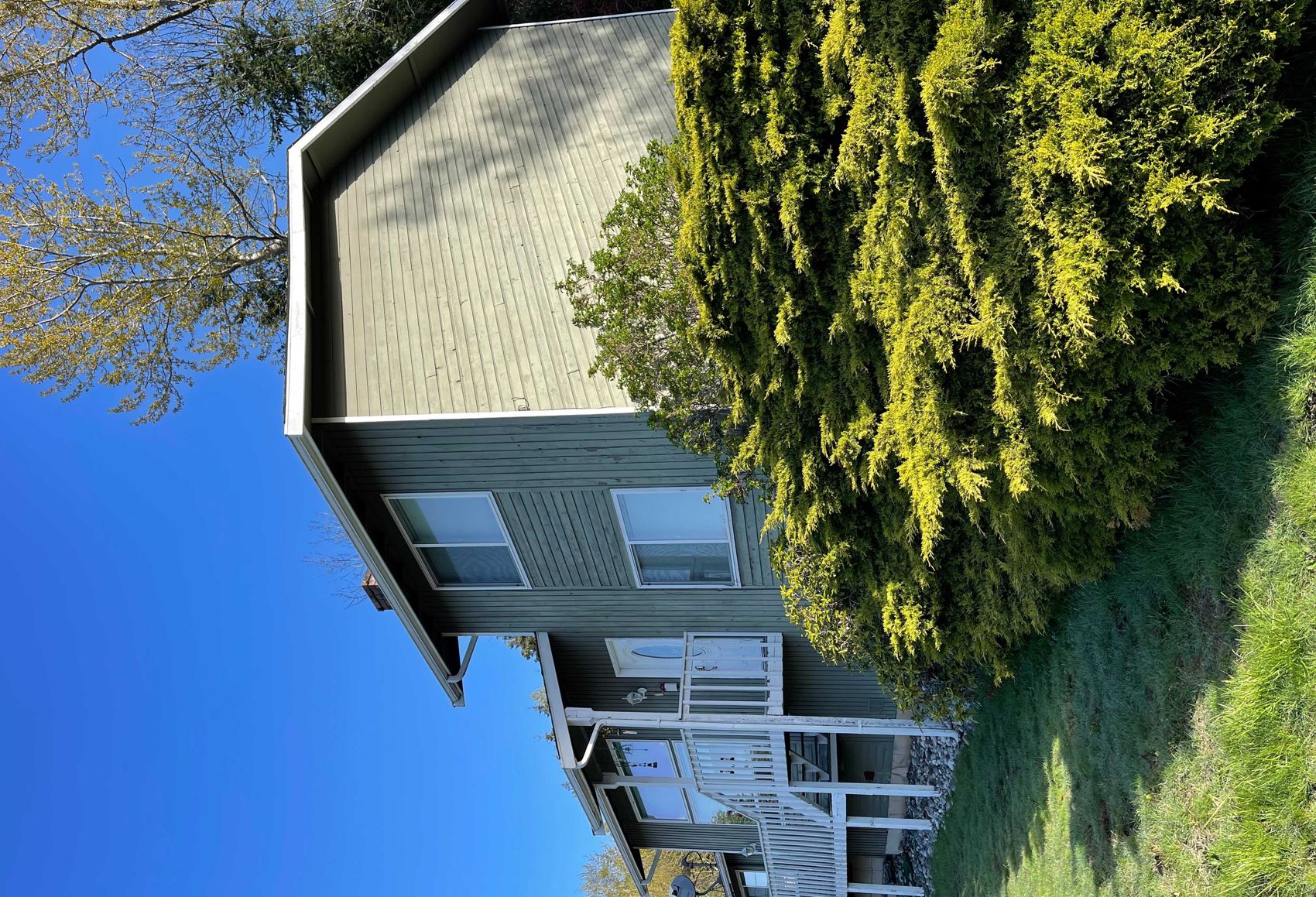
If a storm knocked loose a handful of panels, cracked a corner post, or peeled back siding near a soffit, repair is usually the right call — it's faster, less expensive, and leaves an otherwise sound wall system intact. If wind-driven rain got behind the siding over a wide area, if damage is scattered across more than one elevation, or if the siding was already brittle, chalky, or near the end of its service life before the storm hit, replacement tends to be the more honest answer, because a repair patched onto failing material often fails again in the next system that comes through. Alpine Exteriors inspects the substrate underneath, not just the visible panels, before recommending either path, because in Tampa Bay what's happening behind the siding often matters more than what's visible from the driveway.
Repair makes sense when the damage is isolated: a few cracked or missing lap panels on one wall, a loose piece of J-channel around a window, or fastener pops where wind lifted panels without tearing the house wrap underneath. A qualified crew removes the damaged sections, checks the sheathing and moisture barrier behind them for signs of water intrusion, and installs matched replacement panels. Because vinyl, fiber cement, and aluminum siding lines get discontinued or shift shade slightly from years of Florida sun, an exact color match on an older home isn't guaranteed — that's one of the honest tradeoffs of repair and worth discussing before work starts. Repair is quick, often a day or two for a single elevation, keeps disruption to the household low, and defers the larger expense of a full re-side. It's a poor choice, though, when the damage points to a bigger problem: siding that was already curling or brittle from prolonged UV exposure, gaps that let wind-driven rain track behind an entire wall rather than just the impact point, or a section where sustained humidity has already fed mold or wood rot into the sheathing. Patching over an underlying moisture problem just hides it until the next storm finds the same weak spot.
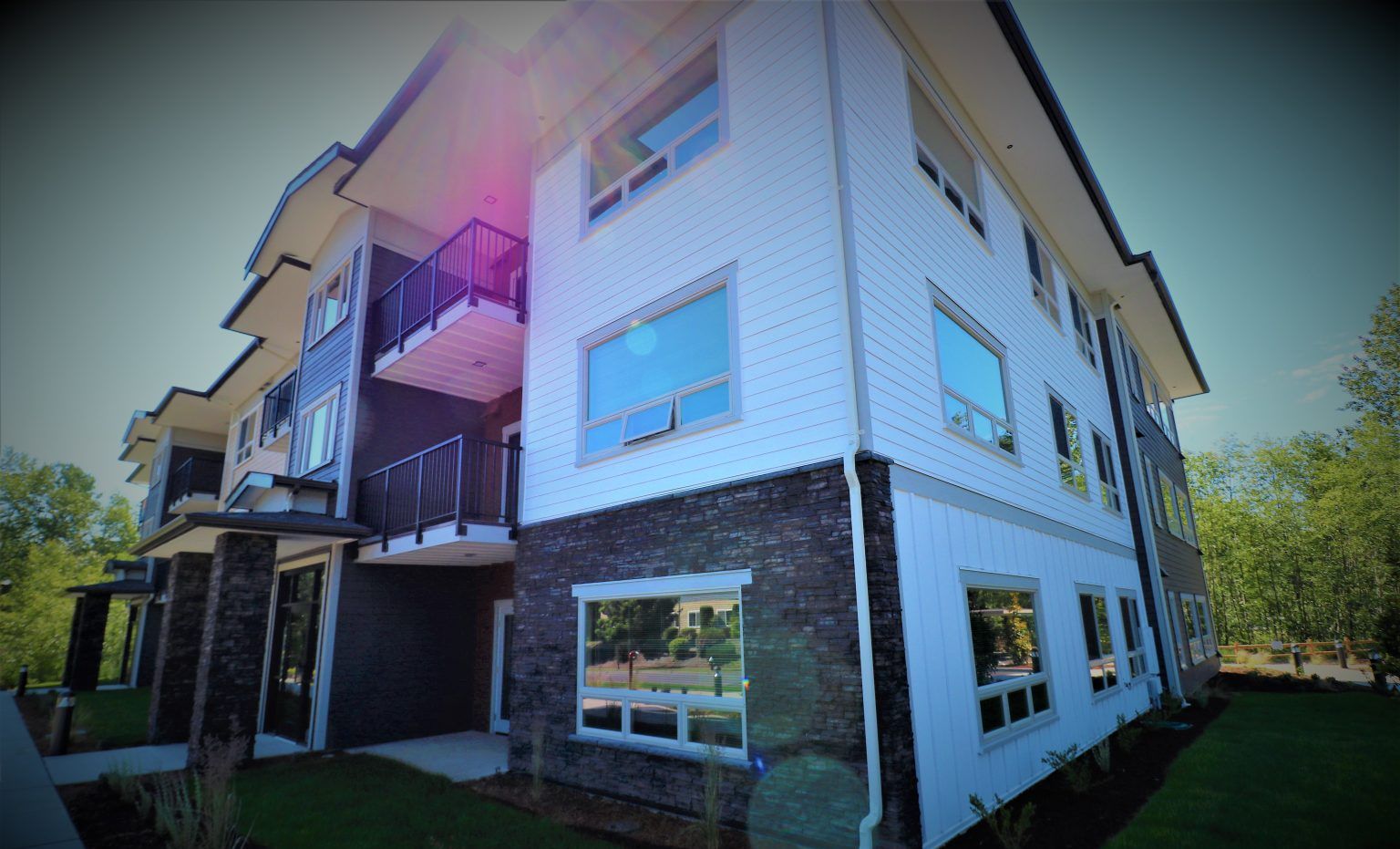
Replacement is the right call when damage is widespread, when the existing siding was already near the end of its useful life, or when an inspection turns up rot, mold, or termite activity behind the panels — all of which show up more often here than in drier, cooler climates because of sustained humidity and the wood-destroying insects it supports. A full replacement is also the moment to correct problems from the original installation, such as under-fastening for local wind loads or house wrap that was never properly lapped and taped at the seams. Any new siding installed in Hillsborough, Pasco, or the surrounding counties has to meet the wind-load and water-intrusion provisions of the Florida Building Code, and the product itself needs a current Florida Product Approval rating it for the wind pressures in this zone. Alpine Exteriors specifies siding with a valid product approval and installs it to the fastening schedule that approval requires, not just a manufacturer's bare minimum. Replacement costs more up front and takes longer — typically several days to a couple of weeks depending on the home's size and how much sheathing work is needed underneath. In exchange, you get a uniform, code-compliant wall system, a fresh manufacturer warranty, and siding condition that a wind mitigation inspector will note on the OIR-B1-1802 wind mitigation inspection form, which some insurers use as one factor in setting premiums. The exact effect on any given policy depends on the carrier and the full inspection, not siding condition alone.
| Factor | Repair | Replacement |
|---|---|---|
| Cost | Roughly $300–$1,500 per damaged section, depending on material and access | Roughly $9,000–$25,000+ for a typical single-family home, depending on size and material |
| Lifespan | Extends the life of the existing wall only as long as the surrounding, undamaged siding lasts | Resets the clock — commonly two to four decades depending on material, backed by a new warranty |
| Maintenance | Same upkeep as before, plus keeping an eye on how the patched section weathers compared to the rest | Lower near-term maintenance thanks to new, uniform material and correctly installed flashing throughout |
| Appearance | Functional, but color and texture may not match older, sun-faded panels exactly | Consistent look across every elevation of the home |
Local conditions push this decision harder than they would somewhere with milder weather. Tampa Bay sees direct and glancing hurricane impacts that load siding with sustained wind plus wind-driven rain, and that combination finds any gap in flashing or fastening and drives water behind the panels rather than just marking the surface. Paired with year-round high humidity, a repair that leaves compromised house wrap or unsealed seams in place risks mold and rot developing behind the wall before the next storm season even arrives. Intense, near-constant UV exposure also ages exterior siding faster here than in cooler climates, so a decade-old wall that takes storm damage is a different case than a three-year-old one — the older material is more likely to be brittle throughout, not just at the point of impact, which means a nearby patch is more likely to crack again soon. For homes closer to the Gulf, salt-laden air accelerates corrosion of fasteners and metal trim, so a repair on an older home in that zone should include a check of fastener condition, not just the visible panels. Termites are active across the region and can hollow out wood furring strips or trim hidden behind vinyl and fiber cement, so any repair that opens up the wall is a low-cost opportunity to check for them while it's exposed. Weighing all of that, Alpine Exteriors generally recommends repair for young, otherwise sound siding with isolated damage, and replacement once damage is spread across a wall, the material predates the roof it's paired with, or an inspection finds moisture or pest issues behind the surface.
Usually, but expect some visible difference. Vinyl and fiber cement colors fade slightly from UV exposure, and manufacturers periodically discontinue or reformulate product lines, so a patch installed years after the original job may not match perfectly even with the same product code. Options include replacing a full elevation instead of a partial section, placing mismatched panels on a less visible wall, or planning for full replacement now if a close match seems unlikely.
That depends on the policy and the adjuster's assessment, not on which option a contractor prefers. Insurers generally cover the cost to restore what was damaged, so if damage is confined to one elevation, they typically approve repair to that area; if the adjuster determines matching materials aren't available or the damage pattern affects the wall's overall integrity, they may approve broader replacement instead. Alpine Exteriors can document damage and provide estimates for either scope to support a claim, but the coverage decision itself sits with the insurance company.
Timeline depends more on how much substrate repair is needed underneath than on the size of the house alone. A straightforward re-side over sound sheathing might run several days to about a week; if inspectors find water damage, mold, or rot that requires replacing plywood or house wrap first, add time for that work before new siding can go up. Exterior work also pauses for active storms during hurricane season, which can extend a project's calendar time even when the labor itself is quick.
Sometimes, if the damage is minor and the rest of the siding has otherwise held up well. But on a home where the siding is already a decade or more old, a storm-triggered repair is a reasonable moment to get a full inspection rather than just patching the visible damage. If the material is uniformly aging and losing flexibility from years of Florida sun, a second storm within a few years often causes new damage nearby, and at that point full replacement would have been the more cost-effective choice from the start.
If a recent storm left your siding cracked, missing, or lifted anywhere in Tampa, Wesley Chapel, Lutz, Land O' Lakes, New Port Richey, Plant City, or Zephyrhills, Alpine Exteriors (Florida contractor license RB29003900) can inspect the damage — including what's happening behind the panels — and give you a straight recommendation on repair versus replacement, backed by a written estimate for either path. Contact Alpine Exteriors to schedule an inspection before the next storm system tests whatever is currently holding your walls together.