
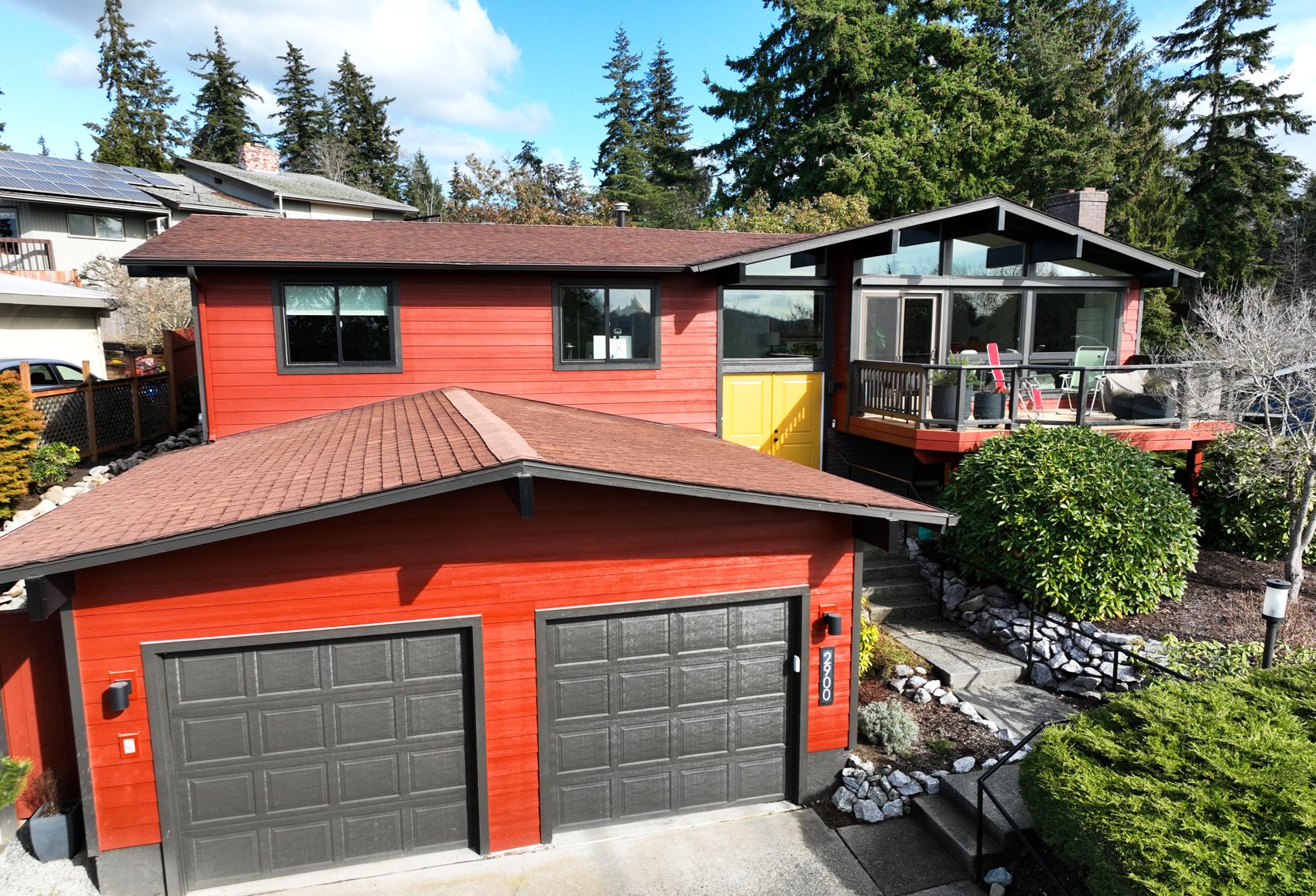
Most siding in the Tampa Bay area needs replacing somewhere between 15 and 30 years after installation, and the honest trigger isn't a calendar date — it's whatever comes first among cracked or buckled panels, soft spots you can press a finger into, recurring paint failure, or a wind mitigation inspection that flags the cladding as a liability. If you're seeing two or more of those signs at once, or a contractor has told you the substrate underneath is already wet, it's time to stop patching and start planning a full replacement.
That timeline moves around a lot based on the siding material, the direction your walls face, and how close you are to open water. A house in Land O' Lakes with vinyl siding on a shaded, inland lot can outlast one in a similar house in New Port Richey with the same siding facing prevailing wind and afternoon sun by a decade or more.
Siding fails from the outside in, and in most cases the visible damage is the last stage of a process that started months or years earlier. Small hairline cracks in fiber cement or vinyl let water behind the panel long before anyone notices a problem at eye level. Once moisture reaches the house wrap or the sheathing, you're no longer dealing with a cosmetic issue — you're dealing with a moisture management failure that can rot framing, feed mold, and eventually show up as soft or bulging wall sections.
The practical signs worth acting on include:
Any one of these alone might be a repair. Several together, or any sign paired with soft substrate, usually means the assembly needs to come off and be rebuilt correctly rather than patched over.
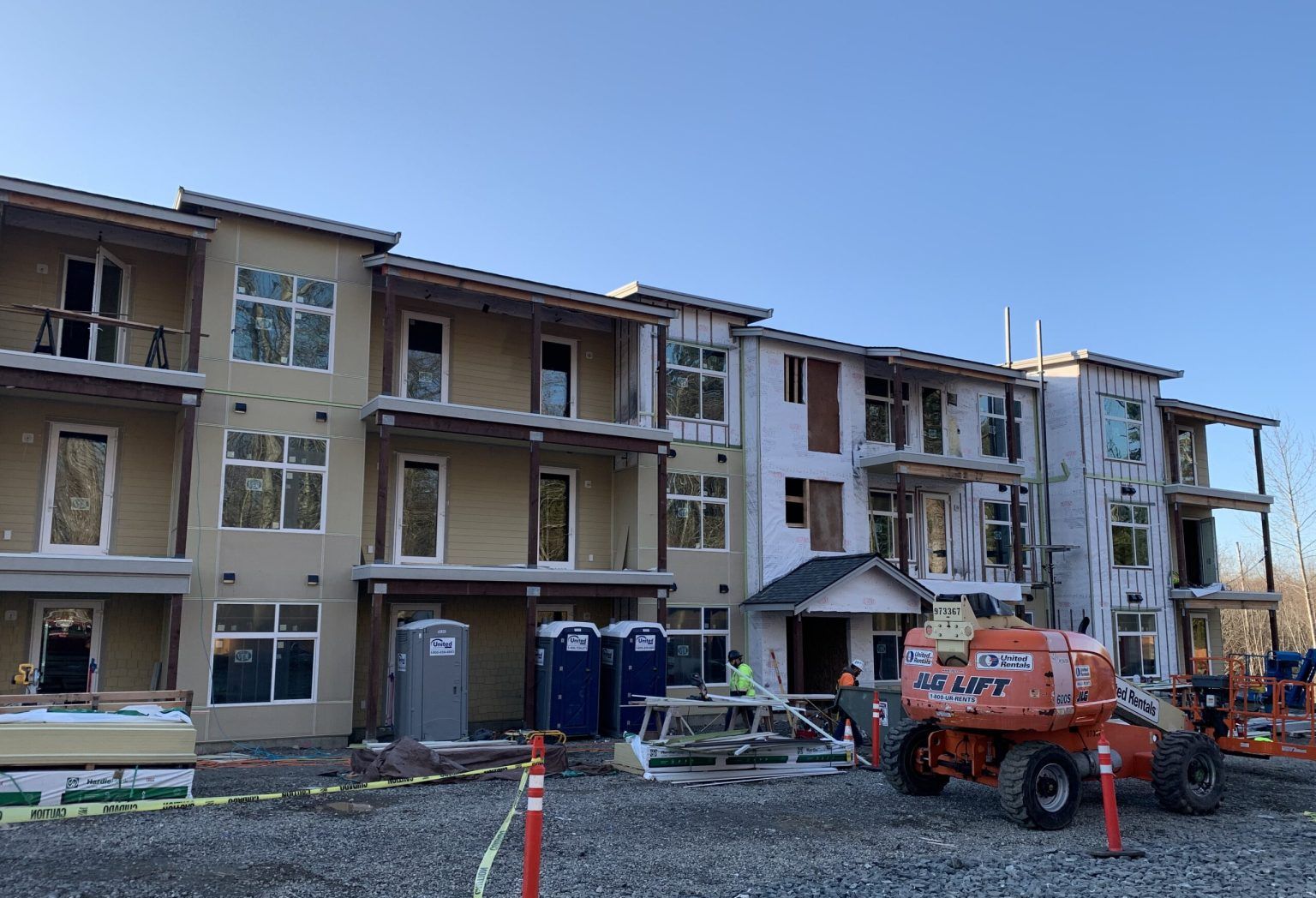
Siding doesn't age the same way here as it does in a drier or cooler climate, and a few regional conditions matter more than most homeowners realize.
Hurricane wind loads and wind-driven rain. Tropical systems don't just push wind against a wall — they push rain sideways under pressure, and any gap in the siding, flashing, or seams becomes an entry point. Products installed here have to carry a Florida Product Approval showing they meet the wind load and water infiltration requirements in the Florida Building Code for this wind zone, and fastening patterns matter as much as the material itself. Siding that was installed to a lighter standard, or that's loosened over years of storm cycles, is a real vulnerability the next time a named storm comes through.
Humidity and mold pressure. The Tampa Bay area runs high humidity for most of the year, and that moisture doesn't need a leak to cause problems — it can migrate through vapor-permeable materials and condense behind siding that isn't ventilated correctly. This is a big part of why mold and mildew staining on siding here isn't just an eyesore; it's often a sign the wall assembly is staying damp longer than it should between rain events.
Intense, near-constant UV exposure. Central Florida sun is harsher and more consistent than in most of the country, and it degrades vinyl, paint finishes, and caulking faster here than in northern climates. Chalking, fading, and brittleness that would take 25 years to show up elsewhere can show up in 12 to 15 years on a west- or south-facing wall in Tampa or Zephyrhills.
Termites. Florida has a heavy subterranean and drywood termite population, and any wood trim, wood-based siding, or even the sheathing behind other siding types is a target if moisture has softened it. Termite damage is one of the reasons a wall that looks fine from ten feet away can turn out to need full replacement once a contractor gets a panel off.
Salt air near the Gulf. Homes closer to the coast — think New Port Richey and the western edges of the service area — deal with salt-laden air that accelerates corrosion on fasteners, trim flashing, and any exposed metal components faster than the same materials would corrode further inland in Plant City or Zephyrhills.
Put together, these conditions mean siding in this region is doing more work than the same product would in most other parts of the country, and it shows up as a shorter realistic lifespan even when the material itself is rated for decades of service.
Start with an honest visual and physical inspection rather than guessing from the driveway. Walk the exterior after a hard rain and look for water staining, check corners and penetrations for gaps, and press on a few spots low on the wall where moisture collects. If you have a wind mitigation inspection scheduled for insurance purposes — the OIR-B1-1802 form insurers use to verify wind mitigation features — pay attention to what the inspector notes about the condition of the exterior wall covering, since that inspection sometimes surfaces problems homeowners hadn't noticed.
If the siding is under 10 years old and the damage is isolated — a single cracked panel, a small area of impact damage — a targeted repair is usually the right call, and it's worth getting quotes for a repair before assuming replacement is necessary. If the siding is past the middle of its expected life, if damage is spread across multiple walls, or if you find soft sheathing anywhere, full replacement is almost always the better long-term decision, because reopening the same wall repeatedly costs more over time than doing it once correctly.
When you do replace, insist on documentation. Ask for the Florida Product Approval number for whatever siding product goes on your house, confirm the installer is pulling a permit (siding replacement in this region typically requires one), and get the fastening schedule in writing rather than taking a verbal assurance that it meets code. Alpine Exteriors handles siding replacement across Tampa, Wesley Chapel, Lutz, Land O' Lakes, New Port Richey, Plant City, and Zephyrhills under Florida contractor license RB29003900, and part of doing that work correctly is walking homeowners through exactly which product approval applies to their project and why, not just quoting a price.
Budget-wise, expect siding replacement costs in this market to run roughly in the range of $8,000 to $25,000 or more for a typical single-family home, depending heavily on square footage, material choice, and how much of the underlying sheathing needs repair once the old siding comes off. That range is wide on purpose — a straightforward vinyl re-side on a house with sound sheathing sits at the low end, while a fiber cement replacement that uncovers rot or termite damage climbs quickly. Any contractor who gives you a firm number before opening up a section of wall is guessing, not quoting.
It depends heavily on material and orientation, but most siding in this region realistically lasts 15 to 30 years rather than the upper end of a manufacturer's national warranty period. Vinyl on a shaded, sheltered wall can last close to 30 years, while the same product on a west-facing wall exposed to full sun and prevailing storm winds may show serious wear closer to the 15-year mark.
If the damage is limited, recent, and the substrate underneath tests dry and firm, a repair is usually reasonable and less disruptive. Once you're dealing with multiple damaged areas, siding older than 15 to 20 years, or any confirmed moisture behind the panels, replacement tends to be the more cost-effective path because repeated repairs on aging siding rarely stay fixed for long.
Yes on both counts in most cases. Siding replacement in this part of Florida typically requires a building permit, and the product installed needs a Florida Product Approval confirming it meets the wind load and water intrusion requirements of the Florida Building Code for this region's wind zone. Skipping either step can create problems at resale or during an insurance claim after a storm.
It can, particularly if the old siding or its installation was flagged during a wind mitigation inspection using the OIR-B1-1802 form. Replacing damaged or improperly installed siding with a product that carries current wind mitigation credentials can sometimes improve how an insurer scores the wall covering on that form, though the effect on your premium depends on your specific policy and carrier.
If you're weighing repair against replacement, or you just want a straight answer about what condition your siding is really in, Alpine Exteriors offers inspections for homeowners throughout Tampa, Wesley Chapel, Lutz, Land O' Lakes, New Port Richey, Plant City, and Zephyrhills. Licensed under Florida contractor license RB29003900, Alpine Exteriors can walk you through what's actually happening behind the siding, what code and product approval requirements apply to your project, and what a realistic repair-versus-replace decision looks like for your specific house — no pressure, just a clear read on where things stand.