
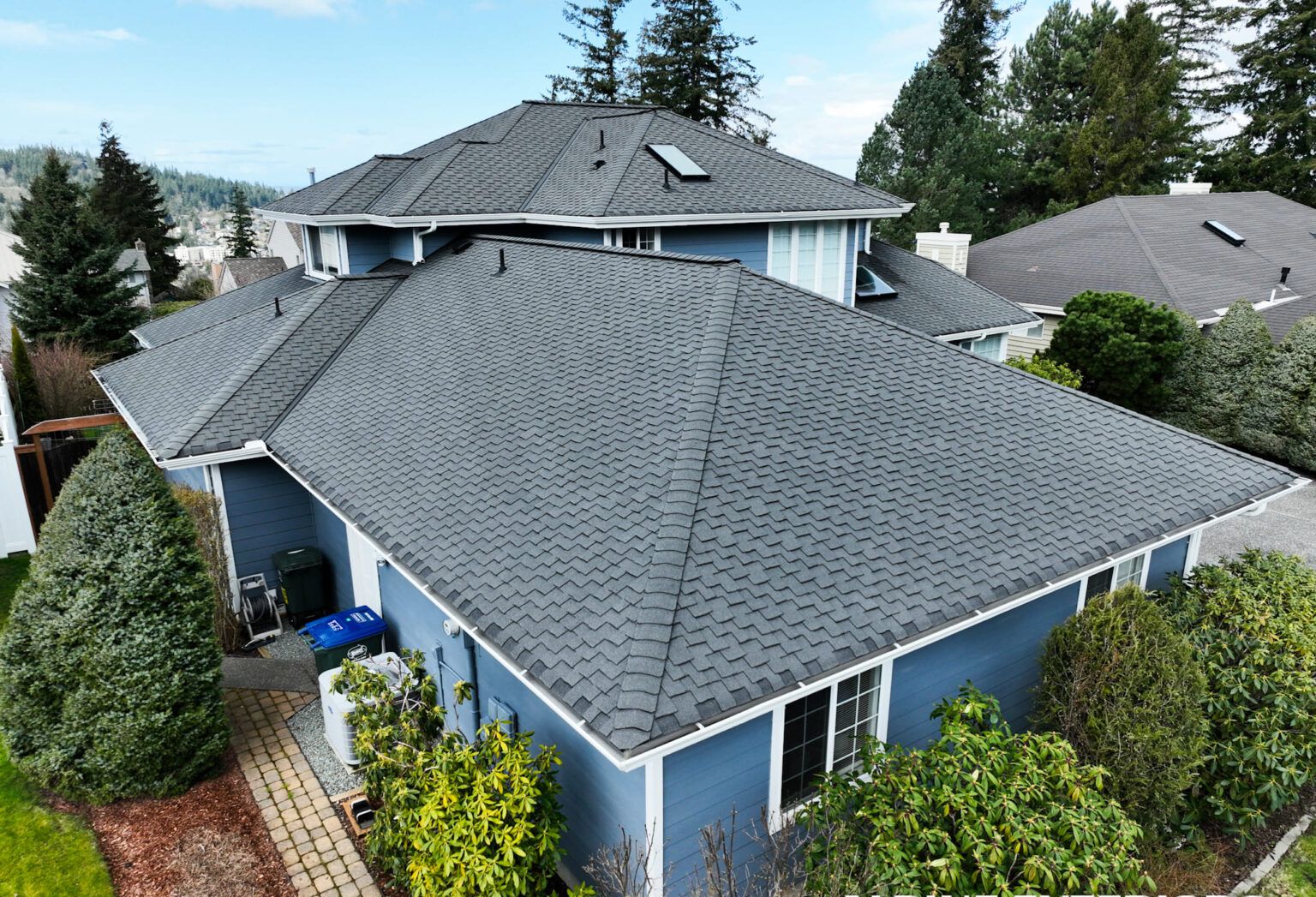
A manufactured or mobile home in Pasco County can be re-sided, and for homes more than fifteen or twenty years old it's often the single biggest upgrade for both curb appeal and moisture protection. The catch is that these homes weren't framed like site-built houses, so the material, the fastening method, and the prep work all have to be chosen around that thinner wall structure rather than treated the same as a stick-built remodel.
Most manufactured homes in Pasco County were built with 2x2 or 2x3 wall studs on 16- or 24-inch centers, sheathed with thin OSB or particleboard rather than the plywood or engineered sheathing used on a conventionally framed house. That matters because siding fasteners need to bite into real framing, not just sheathing, to hold under wind load, and a contractor has to locate the studs accurately before the first course goes up rather than fastening into sheathing alone.
On double-wide and triple-wide homes there's also a marriage wall — the seam where the two or three factory-built sections were joined and closed up on site. That seam is one of the more common places for water to work its way in if the trim and flashing weren't done carefully the first time, and it deserves a close look before new siding goes over it rather than after problems show up.
Material choice matters more here than on a typical house. Manufactured-home-rated vinyl siding, built in a thinner gauge engineered for lighter wall systems, is the most common choice and the easiest to install without overloading the wall framing. Fiber cement is durable and holds paint well, but it's considerably heavier, and not every manufactured home wall was engineered to carry that extra weight — it needs to be checked against the specific home rather than assumed. Metal and steel siding options have become more common as well, offering solid wind resistance without fiber cement's weight, though they typically cost more up front than vinyl.
A full re-side on a manufactured home in Pasco County typically runs into the mid-to-high five figures depending on square footage, material, and how much of the old siding, trim, and moisture barrier needs to be replaced rather than simply covered. Ask for an itemized quote rather than one lump number — covering over a compromised substrate instead of replacing it is exactly how these jobs go wrong a few years later.
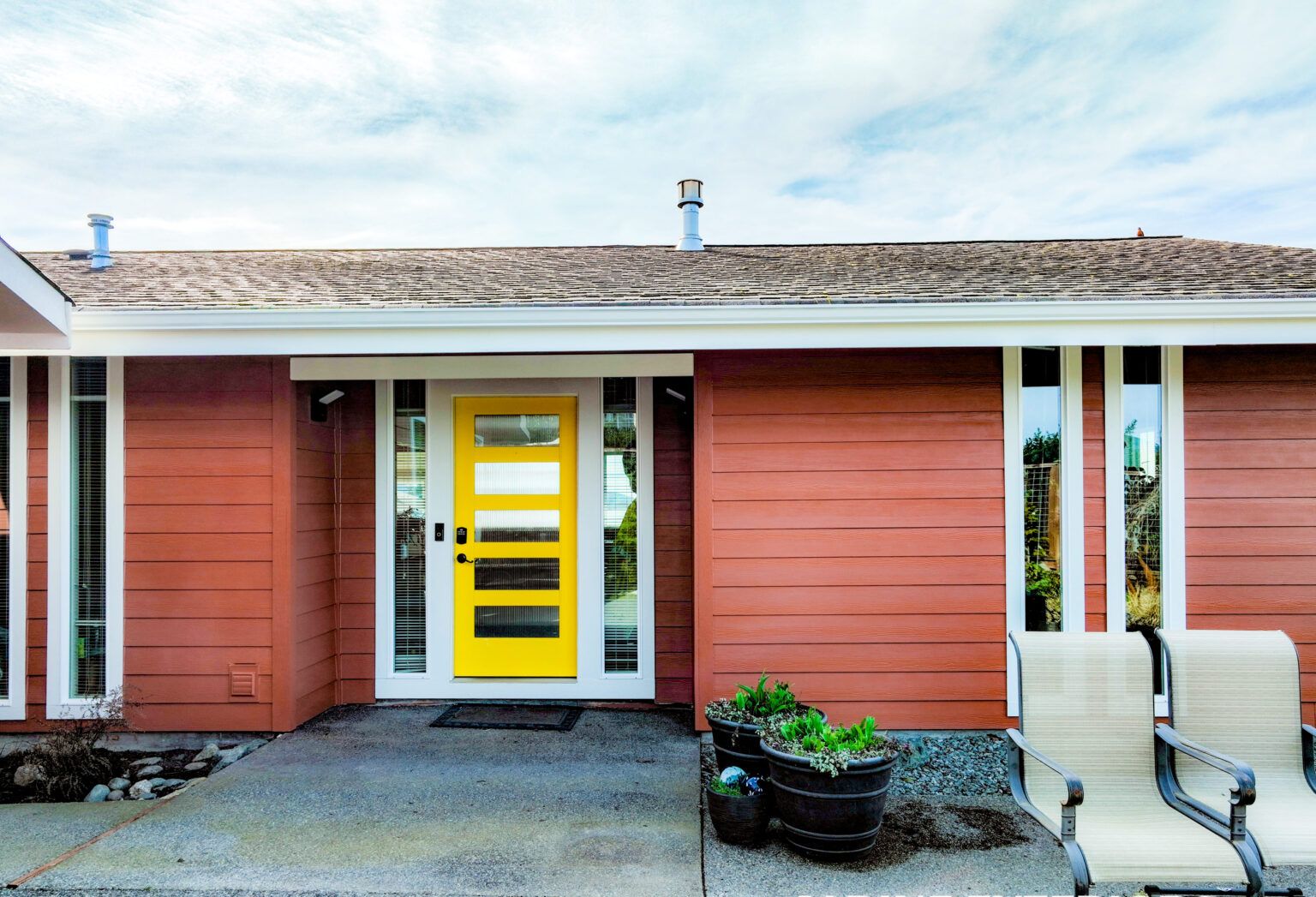
Pasco has to be built for wind, water, and heat all at once, and manufactured homes feel each of those more directly than site-built houses do. Under the federal HUD Code (24 CFR Part 3280) that governs manufactured home construction, most of Pasco County falls within Wind Zone II, a higher design wind speed than the base zone covering most of the country. That federal rating is about the home's original structure — but re-siding is a home improvement project, which means it runs through Pasco County's local building permit and inspection process, and the siding product itself has to carry a valid Florida Product Approval, issued through the Florida Department of Business and Professional Regulation, rated for the wind pressures at the home's location under the Florida Building Code.
Wind-driven rain is the other half of that equation. It isn't just wind speed — it's rain forced sideways and upward under siding laps and around trim during a tropical system, which is why proper flashing, weep holes, and a continuous water-resistive barrier behind the siding matter as much as the siding material itself.
Humidity works against manufactured homes in a quieter way. Florida's year-round moisture load means any gap in the weather barrier, or siding installed too tight against the wall with no ventilation gap, can trap moisture against OSB sheathing — and that sheathing doesn't tolerate repeated wetting the way plywood does. Mold and soft spots behind siding tend to show up faster on a manufactured home than on a conventionally framed one for exactly that reason.
UV exposure in this part of Florida is intense enough that siding color and quality matter for more than appearance. Lower-grade vinyl can fade, chalk, or warp within a few years, and darker colors absorb enough heat to cause visible buckling on thinner-gauge siding over time.
Termites stay active across Pasco County year-round, and while vinyl, fiber cement, and metal siding aren't a food source themselves, the wood trim, furring strips, and skirting framing that typically go along with a re-siding job are. It's worth addressing that alongside the siding rather than treating it as a separate problem to deal with later.
Homes closer to the Gulf side of the county, around New Port Richey, Elfers, and Hudson, also deal with salt-laden air, which accelerates corrosion on fasteners, trim screws, and exposed metal flashing. Stainless or coated fasteners cost more up front but matter more the closer a home sits to the water.
Alpine Exteriors is a Florida-licensed contractor, license RB29003900, working throughout Pasco County and the wider Tampa Bay area, and manufactured and mobile home re-siding is a regular part of that work — with the prep work, finding real framing, sealing the marriage wall, and checking product approval ratings, getting as much attention as the finished look.
Yes, when it's a manufactured-home-rated product installed correctly. Standard site-built vinyl can be used as well, but manufactured-home-specific vinyl is engineered for lighter wall framing and generally holds up well to Pasco County's UV and humidity as long as it's fastened properly and not stretched too tight, which is one of the more common installation mistakes and tends to show up as buckling within a year or two.
In most cases, yes. Re-siding is treated as a home improvement project and goes through the county's standard building permit and inspection process, separate from the federal HUD Code that governed the home's original construction. A licensed contractor should be pulling that permit as part of the job, and if a bid doesn't mention it, that's worth asking about directly.
Sometimes, but it depends on the home's wall framing and how it was originally engineered. Fiber cement is heavier than vinyl or metal siding, and not every manufactured home wall system was built to carry that additional weight — this needs to be checked against the specific home rather than assumed, and it's a legitimate reason a contractor might recommend against it for a particular unit.
A single-wide home typically takes a matter of days once material is on site and prep work like the moisture barrier, marriage-wall sealing, and trim is finished; double-wides and homes needing more substrate repair take longer. Weather is the biggest variable in Pasco County — afternoon storms during the summer months can stretch out a project that would otherwise move quickly.
If you're weighing whether to re-side a manufactured or mobile home in Tampa, Wesley Chapel, Lutz, Land O' Lakes, New Port Richey, Plant City, or Zephyrhills, Alpine Exteriors can walk the home, check the framing and marriage-wall condition, and put together a written scope that spells out exactly what's being replaced versus covered, so there are no surprises once the project starts. Contact Alpine Exteriors for an on-site evaluation before committing to a material or a price.