
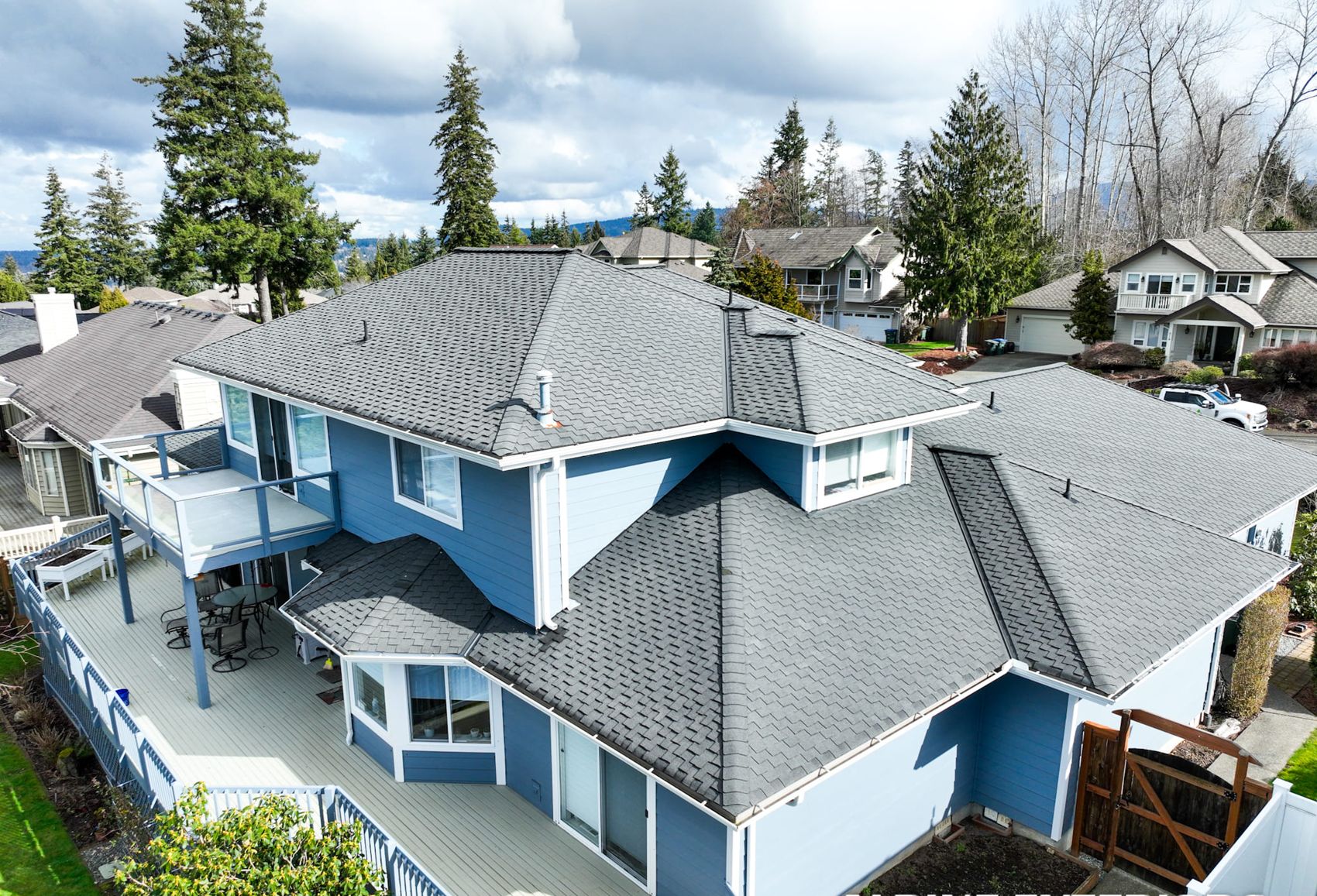
Out toward Ridge Manor, homes tend to sit on bigger lots with mature oak canopy, well water, and more distance between neighbors than you'll find closer in toward Tampa. That's part of the appeal. It also means siding out here takes a different kind of beating than siding on a house in a dense subdivision: more shade means more standing moisture on north-facing walls, more leaf litter builds up in the J-channels and behind trim, and a property that's a longer drive from town means small problems sit unnoticed longer before anyone's close enough to spot them. Add in the wind and wind-driven rain that come through the greater Tampa Bay area every hurricane season, the relentless Florida UV load, and humidity that never really lets up, and it's easy for siding to go from fine-looking to letting water into the wall faster than most homeowners expect.
This page walks through what failing siding actually looks like on a Ridge Manor-area home, what's driving the damage locally, and how to tell the difference between something you can watch for a season and something that needs a contractor out this week.
Vinyl and fiber cement siding are both rated for wind exposure under the Florida Building Code, but that rating assumes the panels were installed correctly and haven't already been weakened by age, impact, or heat cycling. Cracks usually start small — a hairline split near a nail slot, a corner chipped by a branch during a storm — and widen every time the temperature swings from a cool, damp morning to full afternoon sun. Buckling, where a panel looks rippled or pushed outward, is different: it's often a sign the siding was fastened too tightly and can't expand and contract the way it's designed to, or that trapped moisture behind the panel is pushing it out. Either way, a cracked or buckled panel is an open door for wind-driven rain the next time a tropical system or even a strong summer thunderstorm rolls through.
Press on the wall near the bottom courses, under windows, or around any spot you've noticed staining. If it flexes, feels spongy, or gives more than the surrounding wall, water has likely been getting behind the siding and softening the wood sheathing, trim, or furring strips underneath — sometimes for months before it shows on the surface. In Ridge Manor's humid, shaded lots, that trapped moisture is exactly the environment subterranean termites look for, so soft wood isn't just a rot problem; it can also be a sign of termite activity working from the inside out. Soft spots rarely fix themselves and almost always mean opening the wall to see how far the damage has spread.
Florida's UV exposure is intense for most of the year, and it breaks down paint binders and siding pigments faster than in much of the country. Some fading and light chalking — a powdery residue that comes off on your hand — is normal wear and, on its own, is cosmetic, not urgent. Bubbling or peeling paint is a different story: it usually means moisture is trying to escape from behind the siding or trim, pushing the paint film up from underneath. That's worth investigating even if the siding itself still looks structurally sound, because it's often the earliest visible clue that water is getting in somewhere.
When panels bow outward or you can see daylight or gaps behind them, the siding has usually lost its grip on the wall — fasteners have backed out, the underlying sheathing has swollen or rotted, or the panel itself has warped from repeated heat and moisture cycling. This is one of the more urgent signs on this list, because a panel that's already loose is far more likely to tear off entirely in high wind, and once one panel goes, wind can get under the next one and start a chain reaction. This is also where the Florida Building Code's product approval requirements matter most: replacement siding needs a valid Florida Product Approval for the wind pressures at your site, and Alpine Exteriors always checks that a proposed replacement material is actually approved for the job before quoting it.
Shaded, tree-covered lots like a lot of the ones around Ridge Manor hold moisture on north- and east-facing walls long after the sun has dried everything else. Dark streaking or a fuzzy, greenish-black bloom on the siding face is usually mildew or algae growing on grime and moisture — often cosmetic, and often cleanable with a soft wash rather than a repair. But if that discoloration keeps coming back in the same spot within weeks of cleaning, or if you find it on the interior side of an exterior wall, in a closet, or around an outlet, that's a different problem: it means moisture is getting into the wall assembly itself, not just sitting on the surface, and mold behind the siding needs to be traced to its source.
Corners, window and door frames, and anywhere two materials meet are the weak points in almost any siding system, because that's where caulk and flashing do the real work of keeping water out — and caulk doesn't last forever under Florida's UV and humidity. Look for soft or discolored trim, gaps that have opened up between the trim and the siding, or paint that's failing specifically at these joints. Termites also favor these transition points, especially where wood trim sits close to grade or under gutters that overflow during heavy rain. Damage here is easy to miss from a distance because the rest of the wall can look fine.
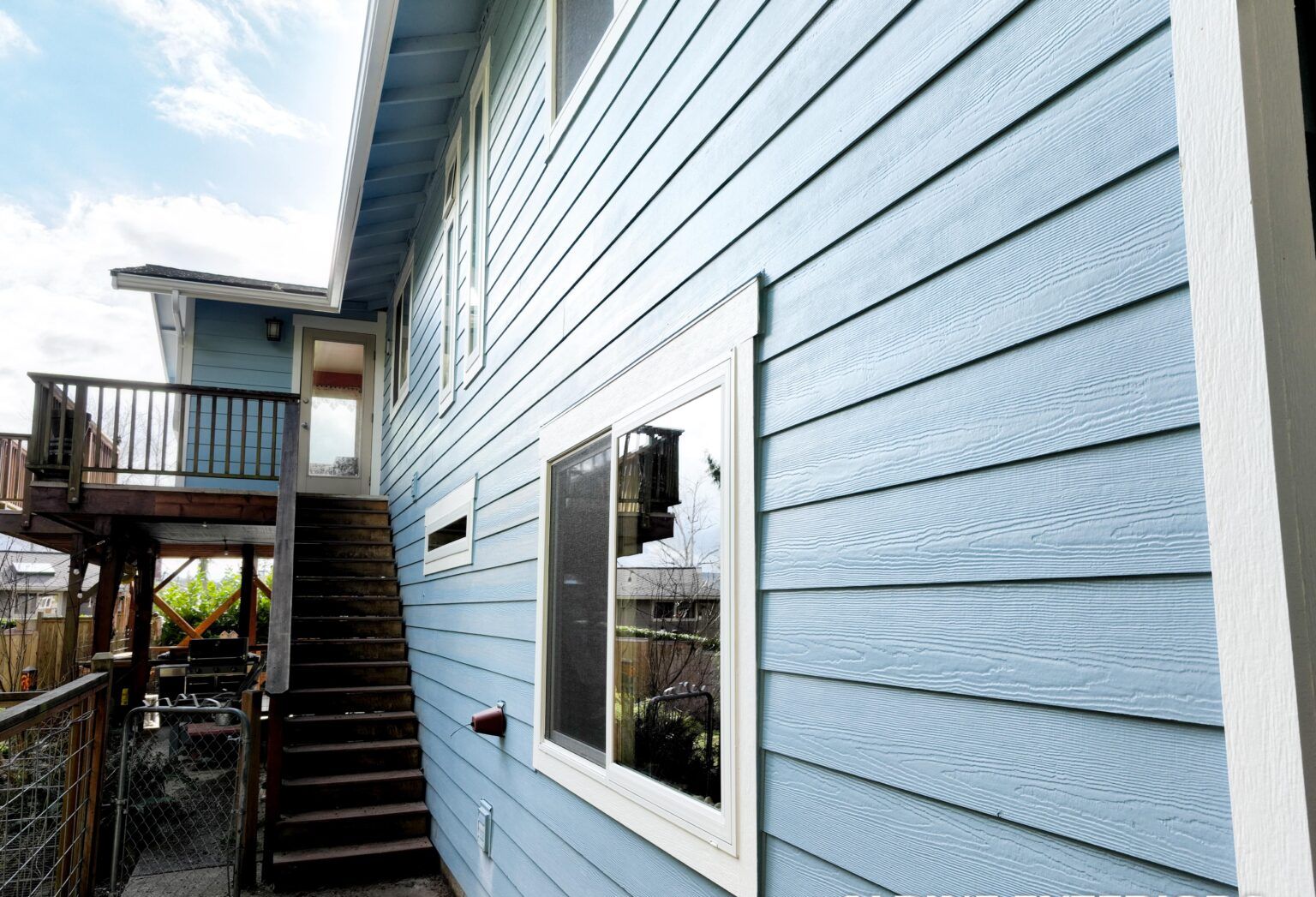
Not every item on this list needs a same-week service call, and it's fair to be skeptical of anyone who tells you otherwise. Here's a reasonable way to sort it.
Treat as urgent — schedule an inspection soon, ideally before the next named storm or heavy rain event: soft or spongy wall sections, panels that are visibly loose, bowed, or missing, gaps that let daylight through, active water staining on interior walls or ceilings near an exterior wall, and any mold or mildew that keeps returning after cleaning. These are the signs most likely to turn into a much bigger repair — or an interior water problem — the next time wind-driven rain hits the house sideways.
Can generally wait for a scheduled visit: light chalking or fading, minor hairline cracks that aren't growing, surface mildew that hasn't returned after a wash, and small cosmetic dings. These are worth noting and mentioning when you schedule an inspection for something else, but they're not usually an emergency on their own.
One honest caveat: it's not always possible to tell which category a problem falls into just by looking at it from the ground. A hairline crack that looks minor can be sitting over sheathing that's already soft underneath, and there's no way to know that without someone actually checking. When in doubt, get it looked at rather than guessing.
If you're seeing one or more of these signs on a Ridge Manor-area home, a few steps make the next decision easier.
Alpine Exteriors inspects siding on homes throughout Tampa Bay, including the Zephyrhills and Dade City corridor that Ridge Manor sits near, and can walk a property, explain what's actually driving the damage, and lay out repair versus replacement options without pushing toward the more expensive one by default.
The quickest field test is to press firmly on the wall around any stained, cracked, or discolored area. Cosmetic issues — fading, light chalking, surface mildew — don't change how the wall feels under your hand. If the area flexes, feels soft, or sounds hollow compared to the surrounding wall, moisture has likely reached the sheathing or framing underneath, and that's a structural concern rather than a cosmetic one. When you're not sure, it's worth having someone check behind the siding directly rather than guessing from the outside.
It depends on your policy, your deductible, and whether the damage is clearly tied to a specific wind or storm event versus long-term wear and neglect, which most policies exclude. Photographing damage right after a storm, keeping a simple record of when you first noticed each issue, and getting a written inspection report all help support a claim if you decide to file one. Every policy is different, so it's worth a direct conversation with your insurance agent about what your specific coverage includes before assuming either way.
It varies a lot by material, installation quality, and how much sun and moisture a particular wall sees — a shaded, humid north wall on a wooded Ridge Manor lot will show wear differently than a sun-baked south wall. Vinyl siding often performs for a couple of decades or more when it's installed correctly and hasn't been compromised by wind damage, while fiber cement can last longer but depends heavily on the paint or finish being maintained over time. Rather than going by a fixed number of years, it's more reliable to judge condition by the actual signs covered on this page.
In most cases, yes — siding replacement in Florida typically requires a building permit, and the replacement material needs to carry a valid Florida Product Approval for the wind pressures at your site under the Florida Building Code. Permit requirements and review timelines vary by county, so it's worth confirming the specific process for your property's jurisdiction before work starts. A licensed contractor should handle the permit application as part of the job rather than leaving it to the homeowner.
If your Ridge Manor-area home is showing any of the signs above, it's worth getting a second set of eyes on it before the next round of Florida weather makes the decision for you. Alpine Exteriors, FL contractor license RB29003900, inspects and repairs siding for homeowners across Tampa Bay and can give you a straight read on whether you're looking at a patch job, a partial re-side, or something that can reasonably wait. Reach out to schedule an inspection and get a clear picture of what's actually going on with your walls.