
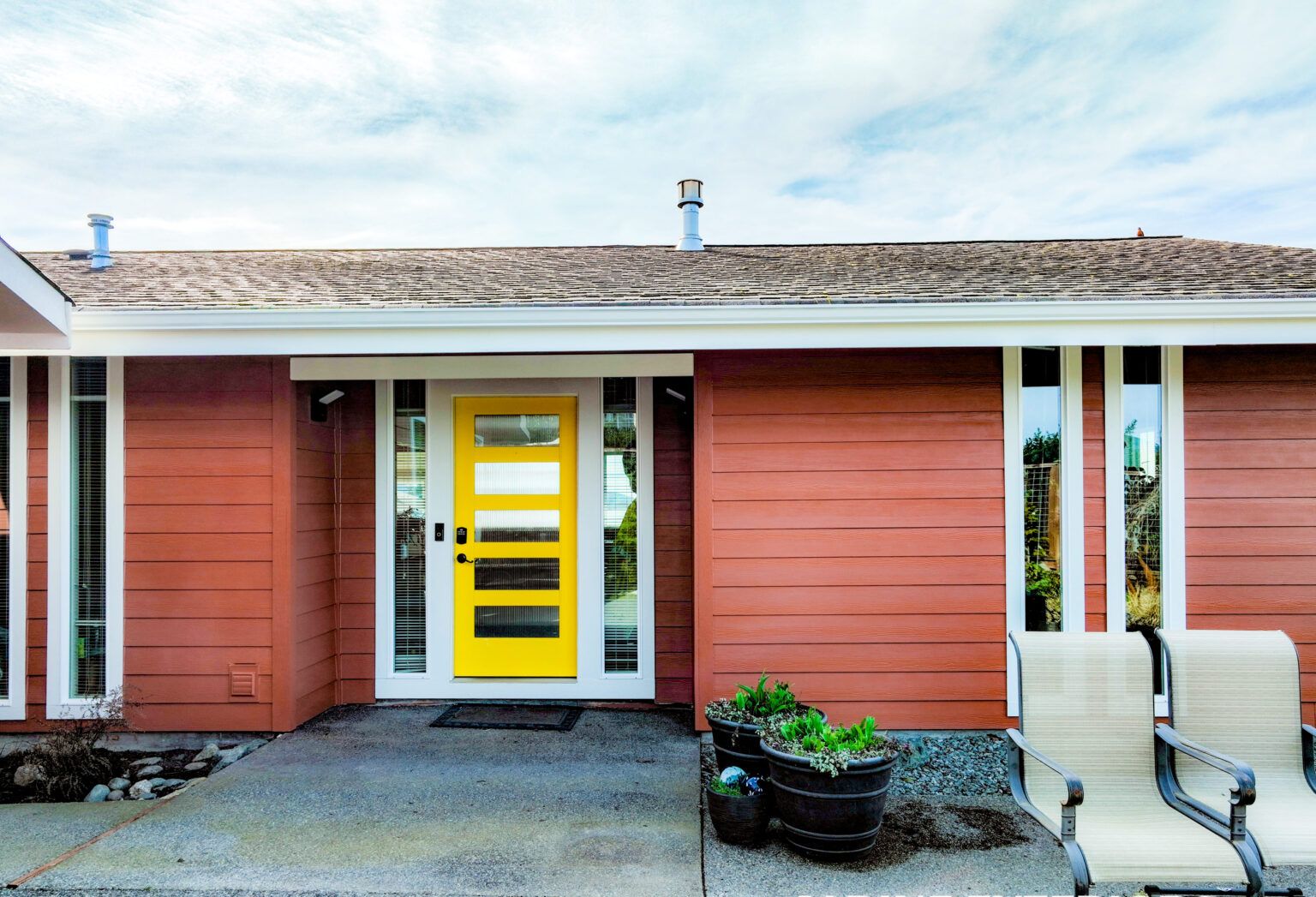
San Antonio sits inland from the Gulf in Pasco County, which changes the siding conversation a little compared with beachfront work in Tampa or Clearwater. You're not fighting direct salt spray here, but you're still squarely within the wind-borne debris region and design wind speed requirements of the Florida Building Code, still dealing with a housing stock that ranges from 1980s block-and-stucco ranches to newer wood-framed builds in developments around town, and still living with the same brutal combination of humidity, UV, and afternoon downpours that defines every Pasco County summer. Alpine Exteriors has worked on homes across San Antonio, Wesley Chapel, Land O' Lakes, and the rest of Pasco County, and this guide reflects what actually holds up on the ground here — not a generic national list.
For most San Antonio homes, the two siding materials that consistently make sense are fiber cement lap siding and thick-gauge insulated vinyl siding, with stucco remaining a strong choice for homes that already have it and just need repair or a fresh coat system rather than a full material change. Fiber cement wins on impact resistance, fire resistance, and long-term dimensional stability through humid swings; it's the material we recommend most often when a client has no strong existing preference and wants the best long-term outcome. Insulated vinyl is the more budget-friendly path and, with a heavier gauge and proper Florida Product Approval, performs well in this wind zone at a lower installed cost. Stucco is not something we'd recommend switching a wood-framed house to from scratch, but on the CBS (concrete block stucco) homes that make up a large share of Pasco County's older neighborhoods, a well-maintained stucco system is often the right call rather than a rip-and-replace.
What we'd steer most homeowners away from: thin builder-grade vinyl (under roughly 0.040" gauge), untreated or poorly maintained wood lap siding, and any product installed without a current Florida Product Approval number matched to your home's wind pressure rating. More on why below.
We evaluated every option against the conditions that actually define exposure in this part of Pasco County, not generic marketing claims:
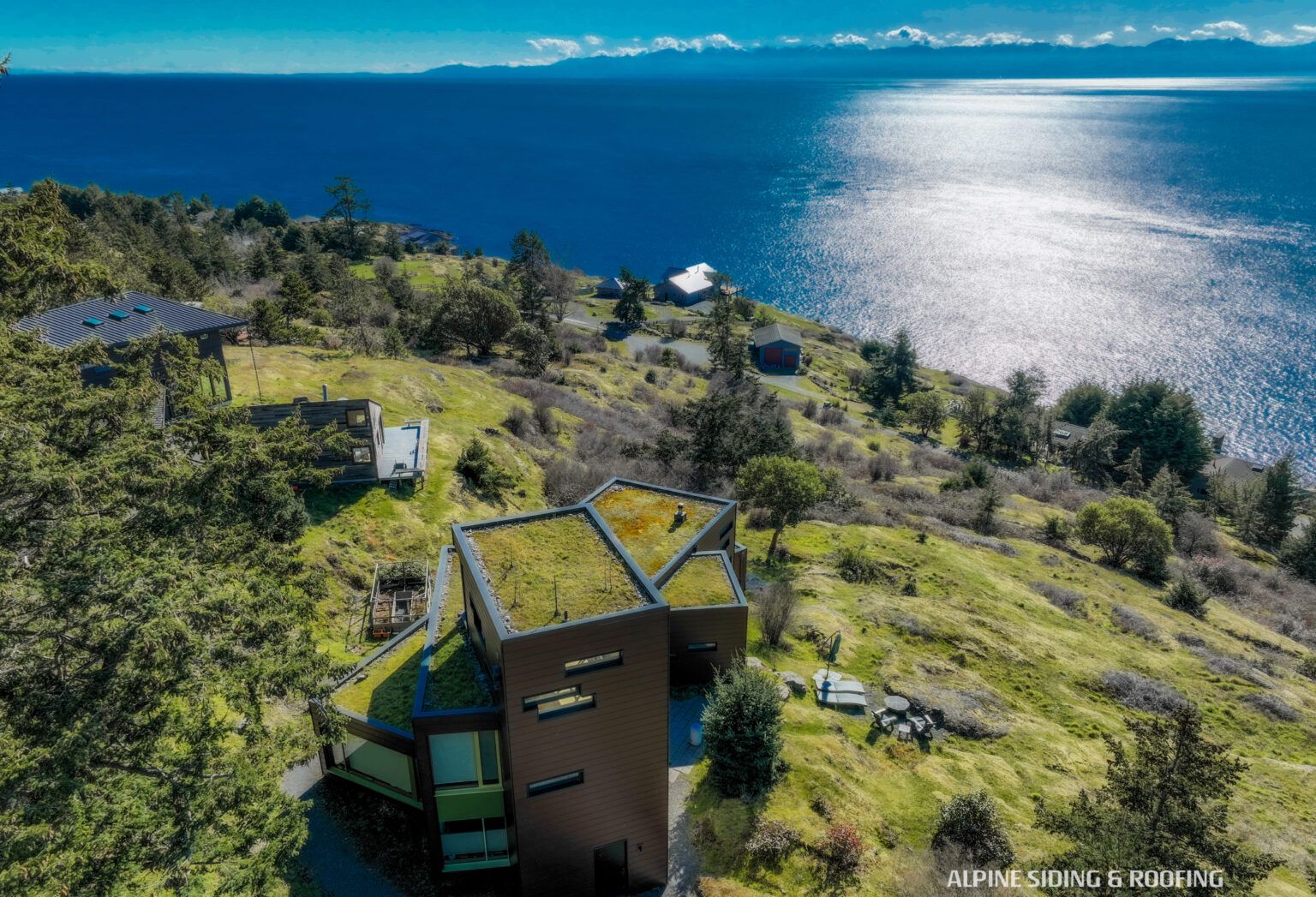
Fiber cement is a mix of cement, sand, and cellulose fiber, formed into planks that mimic wood lap siding. It's the material we most often recommend as a default for wood-framed homes in San Antonio and the surrounding Pasco County developments.
Pros: It doesn't burn, doesn't attract termites, and holds paint far longer than wood because it doesn't move with humidity swings the way real wood does. It resists impact from wind-driven debris better than vinyl. With a factory-baked finish, color retention under intense Florida UV is generally good — better than most vinyl over a long horizon. It carries strong Florida Product Approvals when installed to spec.
Cons: It's heavier and more labor-intensive to install than vinyl, which shows up in the installed cost — expect it to run noticeably higher per square than vinyl, though generally in a similar range to a full stucco system. It needs to be caulked and painted (or ordered pre-finished) correctly at the seams and cut ends, and if that detail work is skipped, you get water intrusion at exactly the joints that matter most in wind-driven rain. It's also not a DIY-friendly material — cutting it produces silica dust that requires proper controls, and a rushed installer can compromise the whole system's wind rating with the wrong fastener pattern.
Not all vinyl is equal, and this is where a lot of Pasco County homeowners get burned by a low bid. Builder-grade vinyl under about 0.040" thickness is a poor fit for this climate. Thick-gauge insulated vinyl — typically 0.046" or heavier, with a rigid foam backing — is a different product entirely.
Pros: It's the most budget-friendly of the top three options, it never needs painting, and it won't rot or feed termites. The insulated foam backing helps even out wall temperature swings, which matters when your HVAC is fighting Central Florida humidity most of the year. Good products carry Florida Product Approval ratings that hold up well in this wind zone when installed with the correct nailing pattern and starter/J-channel detailing.
Cons: Even the best vinyl is a plastic product, and prolonged intense UV exposure will eventually cause some fading, especially in darker colors — lighter colors hold up noticeably better here. It can still crack on direct impact from windblown debris, more readily than fiber cement. And the performance gap between a quality thick-gauge product and a thin, poorly installed one is large — this is the category where checking the actual Florida Product Approval number and gauge thickness before signing a contract matters most.
A large share of the older housing stock in San Antonio and greater Pasco County is concrete block construction with a traditional or synthetic stucco finish. For these homes, restoring or upgrading the existing stucco system is often more sensible than converting to a different siding material.
Pros: On a CBS wall, stucco is inherently fire-resistant, termite-proof, and — when properly maintained — very durable against wind-driven rain because it's bonded directly to a solid substrate rather than relying on lap joints. It has a long track record in this exact climate.
Cons: Stucco is a maintenance material, not a "set it and forget it" one. This area's humidity and heavy rain seasons cause hairline cracking over time, and every crack is a potential entry point for moisture — which, left unaddressed, becomes a mold and staining problem on a wall that's genuinely hard to dry out. Synthetic stucco (EIFS) systems installed on wood-framed walls have a well-documented history of trapping moisture and causing rot behind the surface if the drainage plane wasn't built correctly, which is a real concern on some older Florida builds. Full re-stucco work is also disruptive and not cheap. We generally don't recommend converting a wood-framed home to stucco from another siding type — it makes more sense as a restoration path for homes that already have a block substrate.
Yes. San Antonio and the rest of inland Pasco County are still within the wind zone covered by the Florida Building Code's design wind speed requirements, and storms don't lose their punch just because they're inland from the Gulf. Any siding installed on your home should carry a current Florida Product Approval matched to your specific wind exposure, and Alpine Exteriors checks that approval against your home's rating before we install anything.
It can, depending on your policy and insurer. Wind mitigation features documented on the OIR-B1-1802 form — things like the type of roof-to-wall connection, opening protection, and in some cases exterior wall attachment details — are what insurers actually score, and siding choice can interact with some of those categories. We can't promise a specific discount, since that's entirely between you and your insurance carrier, but installing to current code with proper product approvals is the baseline that keeps you eligible for whatever mitigation credits your policy offers.
Regular rinsing (a garden hose and soft brush, or a gentle low-pressure wash) a couple of times a year goes a long way, especially on shaded walls and areas near trees, which stay damp longer after Pasco County's frequent afternoon storms. Fiber cement and quality vinyl both resist mildew growth better than untreated wood, but no exterior material is fully immune to it in this humidity. If staining returns quickly after cleaning, it's worth having someone check for a moisture source behind the wall rather than just treating the surface repeatedly.
It depends on your time horizon and priorities. If you're planning to stay in the home long-term and want the best impact resistance, fire resistance, and color retention under Florida UV, fiber cement's higher upfront cost tends to pay off over time. If budget is the primary driver, or you're preparing a rental or resale property, a quality thick-gauge insulated vinyl installed correctly is a legitimate, durable choice — just avoid the thin, low-cost end of the vinyl market, which is where most premature failures happen in this climate.
Every San Antonio and Pasco County home is a little different — block construction versus wood frame, tree cover, sun exposure, age of the existing siding or stucco — and the right material depends on those specifics more than any general ranking can capture. Alpine Exteriors (FL contractor license RB29003900) has been assessing and installing siding across San Antonio, Wesley Chapel, Land O' Lakes, Lutz, New Port Richey, Plant City, and Zephyrhills, and we'll give you a straightforward look at what your home actually needs, including the tradeoffs, before you commit to a material. Reach out to schedule an on-site evaluation and a written estimate.