
Homeowners across Tampa, Wesley Chapel, Lutz, Land O' Lakes, New Port Richey, Plant City, and Zephyrhills usually land on this question once they start pricing a siding job: board and batten, or the traditional horizontal lap? Both hold up in Florida's climate when they're installed correctly and carry a valid Florida Product Approval, but they behave differently in wind-driven rain, they read differently on a roofline, and they carry different long-term maintenance habits. This guide breaks down both so you can pick the one that fits your house, your budget, and your neighborhood.
Board and batten is the better call when you want a modern-farmhouse, coastal, or craftsman look, or when you're siding a gable end, a porch accent, or a small addition where its vertical lines can stand out. Lap siding is the more practical choice for covering an entire house in Tampa Bay's humidity, sun, and hurricane-season winds, mostly because it has a longer regional track record, a wider range of Florida Product Approved systems, and more local crews who install it correctly the first time. A lot of the homes Alpine Exteriors works on in Wesley Chapel and Land O' Lakes actually use both — lap on the main body, board and batten on a gable or entry accent — which gives you the visual variety without betting the whole envelope on the less common product.
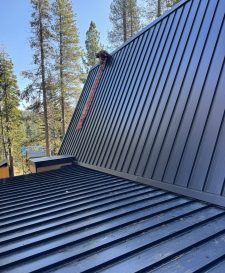
Board and batten is a vertical siding pattern: wide flat panels or boards installed plumb, with a narrower strip (the batten) covering each seam. It's most often installed today as fiber cement panels, though vinyl board and batten profiles exist for homeowners on a tighter budget. The vertical seams, when properly flashed and caulked, give wind-driven rain fewer horizontal ledges to sit on and work its way behind the cladding — a real advantage during the sideways rain that comes with a tropical storm or hurricane outer band.
That said, board and batten has real drawbacks in this market. Fewer installers around Tampa Bay have deep experience with its fastening pattern, and a batten job that skips a proper weather-resistive barrier and drainage gap behind the panels can trap moisture against the wall sheathing — a serious problem in a climate where humidity and mold pressure are constant. It also generally costs more per square foot than lap siding in fiber cement, since board and batten uses more linear material (the base boards plus every batten strip) to cover the same wall area. Any installer you hire should be pulling wind-load fastening schedules from the manufacturer's current Florida Product Approval, not guessing at nail spacing.
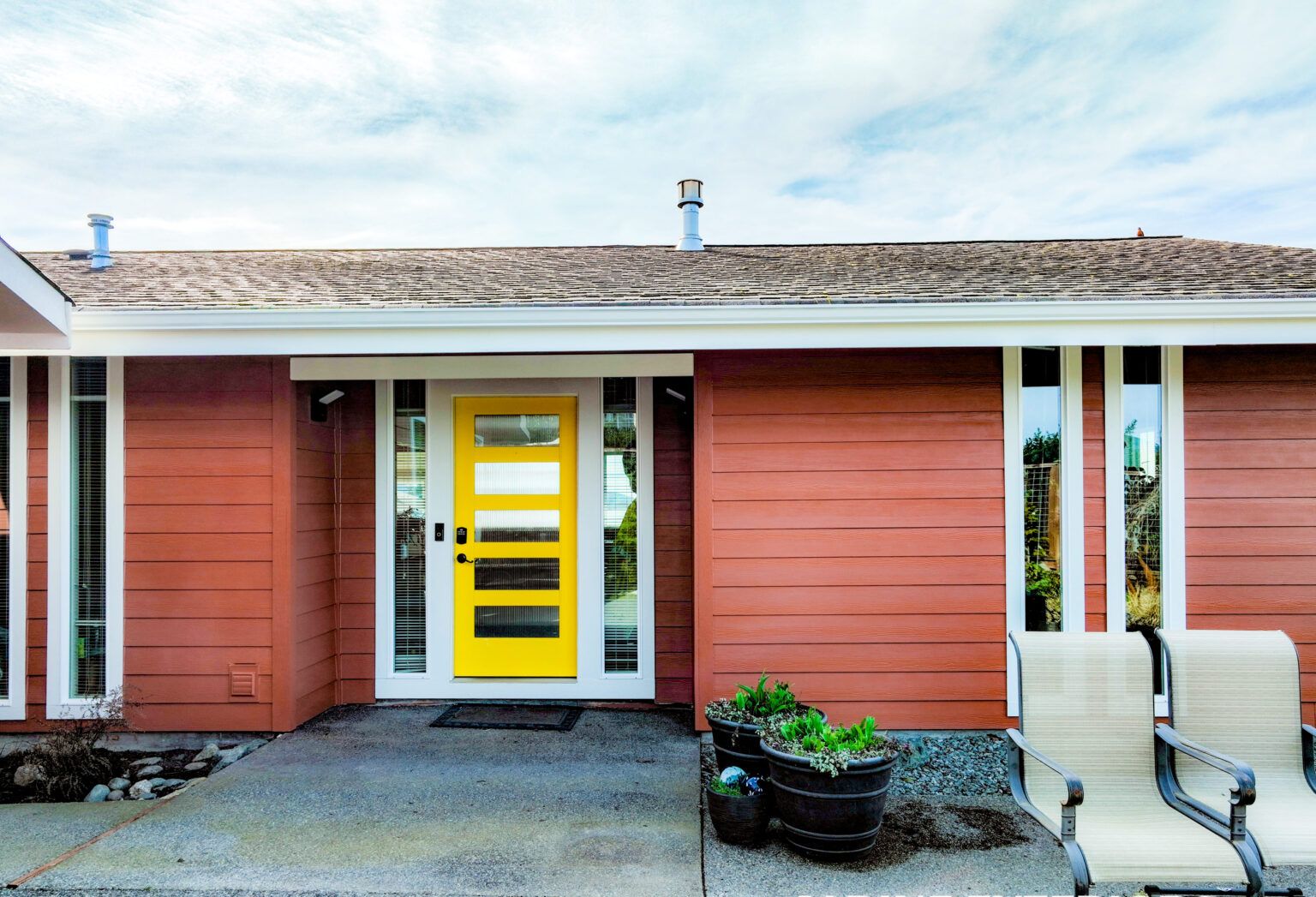
Lap siding is the horizontal overlapping board most people picture when they think "siding" — each course laps over the one below it, shedding water downward by design. It's available in fiber cement, vinyl, and engineered wood, with fiber cement lap being the dominant choice for new installs and re-sides in this region because it resists the combination of high humidity, intense UV exposure, and termite pressure better than wood-based products, and it simply has decades of installed history in Florida to draw on.
Lap siding's advantage in Tampa Bay is availability and familiarity: more manufacturers carry Florida Product Approved lap systems rated for the wind pressures the Florida Building Code requires here, and more local crews can install it to spec without a learning curve. The tradeoff is that horizontal laps mean more seams stacked up a wall, and in a wind-driven downpour — the kind that comes sideways off a summer thunderstorm or a hurricane's outer bands — a lap job with insufficient overlap or poor flashing at windows and corners is more likely to let water find its way in than a well-executed board and batten wall. Vinyl lap also has a heat limitation worth knowing about: very dark color choices can warp or bow under direct Florida sun unless the product is formulated specifically for heat reflection, which narrows your color palette somewhat if you go with vinyl.
| Factor | Board and Batten | Lap Siding |
|---|---|---|
| Cost | Generally higher installed cost per square foot in fiber cement, due to extra batten material and less local installer competition; vinyl board and batten narrows the gap | Typically lower installed cost in both fiber cement and vinyl, thanks to more installer competition and simpler material takeoffs |
| Lifespan | Comparable material lifespan to lap when the same substrate is used (fiber cement vs. fiber cement, vinyl vs. vinyl); real-world lifespan depends heavily on correct flashing at every seam | Comparable material lifespan to board and batten; fiber cement lap has the longest documented in-service history in Florida specifically |
| Maintenance | Battens and seams need periodic caulk inspection, especially at butt joints and around penetrations; more seams overall to check than a plain flat wall | Fewer vertical seams, but each horizontal lap edge should be checked periodically for gaps that open up as the house settles or the material expands and contracts with heat |
| Appearance | Modern farmhouse, coastal, or craftsman look; strong vertical lines that read well on gables, dormers, and accent walls | Traditional, classic look that suits most Florida ranch, colonial, and Craftsman-style homes; blends into most Tampa Bay neighborhoods without standing out |
Tampa Bay's exterior cladding has to deal with a specific combination of stresses: hurricane-driven wind pressures and wind-driven rain during storm season, near-constant high humidity that pushes mold and mildew growth on anything that traps moisture, intense year-round UV that degrades cheap or poorly formulated materials faster than in northern climates, and subterranean termite pressure that makes wood-based trim and sheathing a liability over time. Homes closer to the Gulf, including parts of New Port Richey, also deal with salt-laden air that accelerates corrosion on fasteners and metal trim, which is why corrosion-resistant fastener specs matter as much as the siding material itself.
None of this rules out board and batten. It rules out a badly installed board and batten job, or a badly installed lap job — the material choice matters less than the drainage plane, flashing, and fastening behind it. For a full re-side across Hillsborough and Pasco counties, Alpine Exteriors generally recommends fiber cement lap siding as the default for the main body of the house, because it has the deepest local installation track record and the widest range of Florida Product Approved systems rated for the wind pressures the Florida Building Code requires in this area. Tampa is not in the state's High-Velocity Hurricane Zone (that designation applies to Miami-Dade and Broward), but Hillsborough and Pasco counties still require siding systems engineered and tested to specific wind-pressure ratings under the Florida Building Code, so "whatever's cheapest at the box store" isn't a safe substitute for a product with current Florida Product Approval documentation.
Where board and batten earns its place is on accents: a gable end, a covered porch, a dormer, or a small addition where the vertical lines add character without exposing the whole envelope to a less common installation. That combination — lap for the bulk of the house, board and batten as an accent — is what Alpine Exteriors installs most often across Tampa, Wesley Chapel, Lutz, Land O' Lakes, New Port Richey, Plant City, and Zephyrhills, and it tends to balance upfront cost against long-term performance better than committing the entire house to either extreme.
In fiber cement, yes, typically — board and batten uses more linear material to cover the same wall area and fewer local crews specialize in it, which tends to push labor costs up. Vinyl board and batten narrows that gap considerably, though it still often runs a bit higher than standard vinyl lap. Get itemized quotes for your specific square footage rather than assuming a fixed percentage difference, since waste factors and trim details vary by house.
Both can, provided the specific product carries a current Florida Product Approval rated for the wind pressures required under the Florida Building Code for your address, and it's installed with the fastening schedule that approval specifies. The siding material itself matters less for wind performance than whether the crew followed the approved nailing or screw pattern and properly flashed every seam, window, and corner.
Not inherently, but it has more seams and butt joints than a flat lap wall, and any seam that isn't properly caulked and backed by a working drainage gap behind the panel gives moisture a place to sit. In our humid climate, that makes correct installation — not the pattern itself — the deciding factor in whether a board and batten wall stays mold-free over the years.
Yes, and it's a common approach in Tampa Bay. Many homeowners use lap siding across the main body of the house for cost and proven performance, then use board and batten on a gable, dormer, or porch accent for visual interest. The transition detail between the two materials needs proper flashing to stay watertight, so it's worth having the same crew handle both rather than patching one style onto another contractor's earlier work.
If you're weighing board and batten against lap siding for a home in Tampa, Wesley Chapel, Lutz, Land O' Lakes, New Port Richey, Plant City, or Zephyrhills, Alpine Exteriors (FL contractor license RB29003900) can walk your property, point out where wind-driven rain and drainage details matter most for your specific roofline, and give you a written estimate for both options side by side. Contact Alpine Exteriors to schedule a look at your home before you commit to a material.