
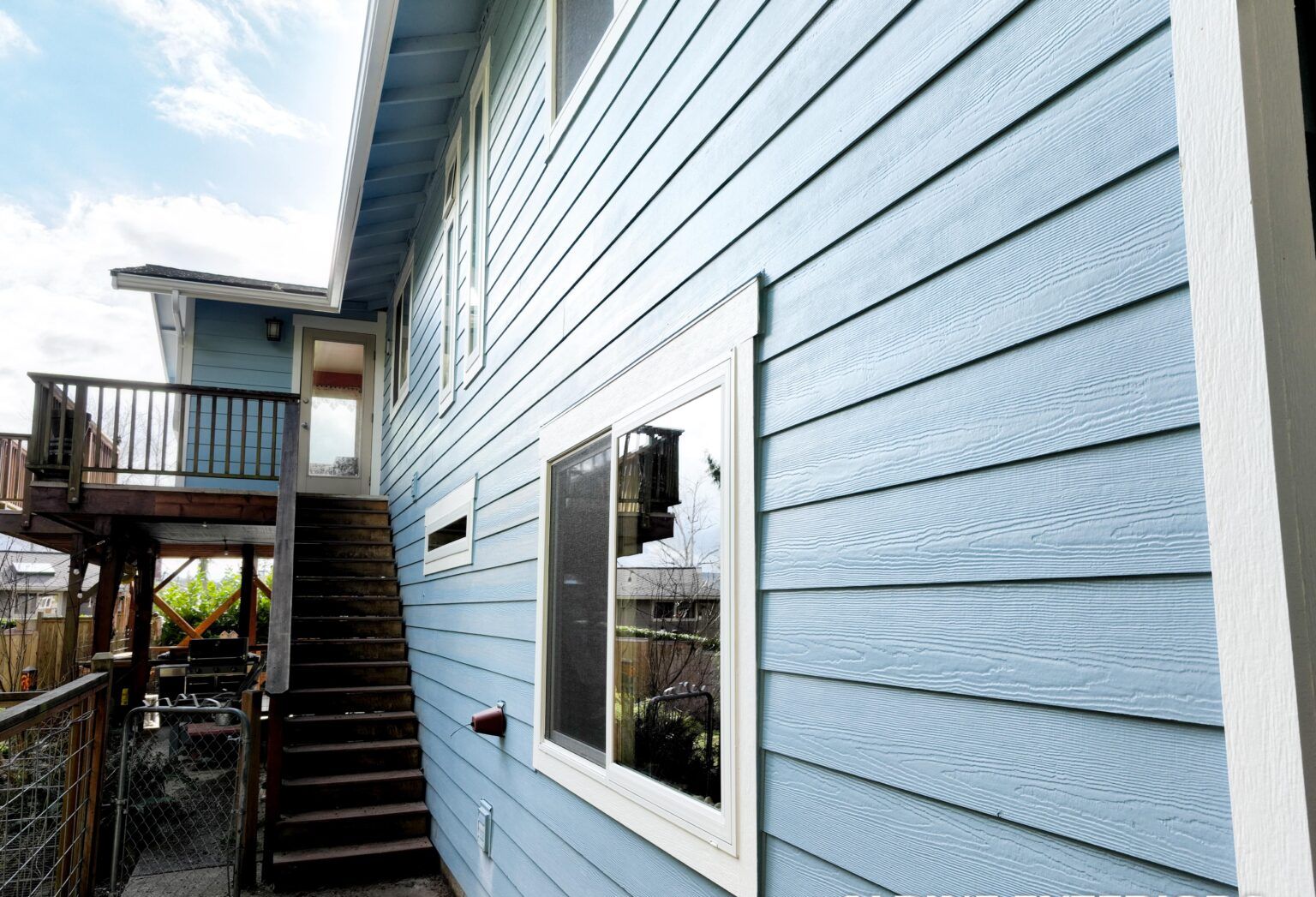
Zephyrhills sits inland in Pasco County, away from the coastal salt spray that Gulf-front neighborhoods deal with, but the housing stock here still takes a beating from three things every year: hurricane-season wind and wind-driven rain, thick summer humidity that never really lets up, and UV load that fades and chalks weak materials faster than homeowners expect. Add a large share of manufactured and mobile homes alongside older site-built ranch houses from the 1970s through 1990s, and the "best siding" answer depends a lot on what's already on the wall. This guide walks through how we weigh siding options for this specific area, what each material actually does well and poorly, and what we'd steer a Zephyrhills homeowner away from.
For most stick-built homes in and around Zephyrhills, fiber cement siding rated for high-wind installation is the option we recommend most often. It holds up to wind-driven rain without warping, doesn't feed mold the way untreated wood products can in Florida humidity, and carries Florida Product Approval when installed to the manufacturer's high-wind fastening schedule. For homeowners who want a lower-maintenance, lower-cost option and are comfortable with vinyl's limitations, a heavy-gauge, wind-rated vinyl siding (rated well above the old standard residential vinyl) is a reasonable second choice, especially on additions or smaller projects where budget matters more than long-term rigidity. For manufactured and mobile homes, the calculus is different again — insulated vinyl or specialty manufactured-home siding systems, installed to the home's specific wind zone rating, tend to make more sense than trying to retrofit fiber cement onto a chassis-built structure. There is no single "best" siding for every house in Zephyrhills; there's a best siding for your house, your budget, and how long you plan to own it.
We didn't rank these products on curb appeal alone. For a Pasco County home, four things matter more than they would in a milder climate, and we weighted each option against them:
We didn't score salt-air resistance for Zephyrhills specifically — it's an inland community, and salt corrosion isn't a meaningful factor here the way it is for our clients closer to the Gulf in New Port Richey. If your Zephyrhills property is unusual in some way (a lakefront lot, heavy tree cover, an older mobile home on a slab), those specifics can shift the recommendation, which is part of why we still walk every home in person before quoting.
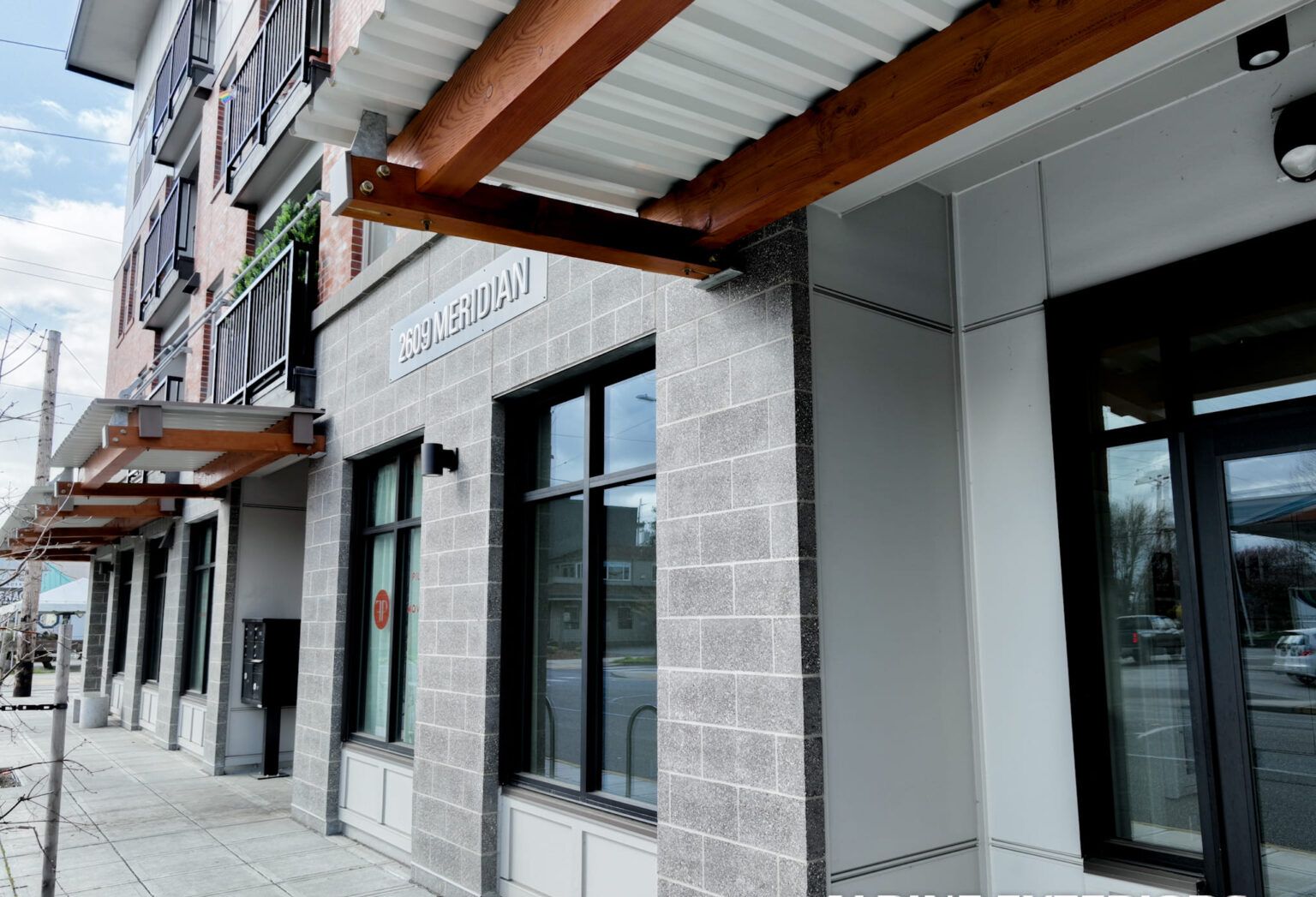
Fiber cement (the category that includes James Hardie's HardiePlank and HardiePanel lines) is cement, sand, and cellulose fiber pressed into planks or panels. It's non-combustible, doesn't absorb enough moisture to rot, and doesn't feed mold growth the way organic wood products can.
Pros: Holds paint and color far longer than vinyl under intense Florida UV without chalking as quickly. Rigid enough to resist denting from wind-blown debris. Termites have nothing to eat in it. When installed to the manufacturer's Florida-specific fastening schedule, it carries a documented Florida Product Approval and performs well in wind-driven rain testing.
Cons: It's heavier and more labor-intensive to install than vinyl, so labor cost is a bigger share of the total price. It has to be painted (factory-primed products still need field paint or a factory-finish option), and that paint job will eventually need refreshing, typically on a longer cycle than most people expect but not never. It also has to be cut and installed correctly — improper caulking or fastening at seams is the most common source of water intrusion complaints we see with fiber cement, which makes installer quality more important than the product itself.
Not all vinyl siding is the same product wearing different colors. Standard low-end vinyl and heavy-gauge, wind-rated vinyl behave very differently in a storm, and the difference matters in a wind-exposed county like Pasco.
Pros: Lower material and labor cost than fiber cement. Never needs painting — color is baked through the panel. Doesn't rot, and insects don't eat it. Heavy-gauge products designed for high-wind regions carry their own Florida Product Approval and, installed correctly with the right fastener spacing, hold up respectably in wind events.
Cons: Even good vinyl can crack on hard impact from debris in a storm, and it's more prone to visible waviness on a wall that isn't perfectly flat underneath, which shows up more under strong Florida sun angles. Darker colors absorb more heat and can warp over time on south- and west-facing exposures if the product isn't rated for it. It's also less rigid than fiber cement, so it telegraphs an uneven substrate more readily. Cheap vinyl — the kind sold on price alone — is the version we tell clients to avoid; see the section below.
Engineered wood products (resin-treated wood strand siding, sold under brands like LP SmartSide) sit between fiber cement and traditional wood in cost and performance.
Pros: Lighter and easier to install than fiber cement, with a similar plank appearance. Factory treatment resists fungal decay and, in most current formulations, is treated against termites. Can be a reasonable middle-ground price point.
Cons: It's still a wood-based product, and Zephyrhills' humidity is a genuinely tough environment for anything wood-based. Any breach in the factory coating — a scratch, an improperly sealed cut edge, a fastener hole that wasn't caulked — becomes a moisture entry point, and swelling at joints and edges is the most common failure mode we see reported with this category in Florida. We'll install it when a client specifically wants it and understands the maintenance commitment, but it's not our default recommendation for this climate.
Zephyrhills has a substantial number of manufactured and mobile homes, many original to the 1980s and 1990s, often still wearing their original aluminum panels or an early vinyl re-side.
Pros: Aluminum doesn't rot and isn't a termite target. Purpose-built manufactured-home siding systems are designed for the lighter framing and different fastening approach these homes use, and can be matched to the home's HUD wind zone rating.
Cons: Original aluminum siding dents easily and dulls under UV over the decades, and repainting it requires the right prep or paint won't hold. Retrofitting a manufactured home with siding designed for stick-built construction is a mismatch — the fastening and structural assumptions are different, and it can void warranties or fail inspection. This is the one category where we specifically match the product to the home type rather than defaulting to fiber cement.
A few choices come up often enough in estimates and second opinions that they're worth calling out directly. Bargain-grade vinyl with no documented Florida Product Approval is the most common one — it may install fine and look fine on day one, but if it wasn't tested for wind-driven rain and high wind uplift, you're relying on installer skill alone to make up for a product gap, and that's a bad bet in a county that gets real tropical systems most years. Original, unmaintained wood lap siding is another: it's attractive, but in this humidity and with active subterranean termites in the area, it demands a maintenance schedule (recaulking, repainting, inspection) that a lot of owners underestimate when they buy the house. Finally, we'd caution against any siding installer who can't tell you the Florida Product Approval number for the product they're proposing, or who wants to fasten to a pattern that isn't specific to your home's design wind speed — that's a code compliance issue, not a style preference, and it can matter when you file an OIR-B1-1802 wind mitigation form for insurance purposes later.
No. The High-Velocity Hurricane Zone applies to Miami-Dade and Broward counties. Pasco County, including Zephyrhills, follows the standard Florida Building Code wind provisions, which still require siding products to carry a Florida Product Approval and be installed to a wind-speed-appropriate fastening schedule — just not the stricter HVHZ testing standard used further south.
Siding itself isn't usually the line item that drives wind mitigation discounts — those are more tied to roof shape, roof-to-wall connections, and opening protection, documented on the OIR-B1-1802 form. That said, siding installed without proper Florida Product Approval documentation can complicate an inspection or a claim later, so it's worth keeping your installer's product approval paperwork on file alongside your wind mitigation report.
It varies more by product and installation quality than by any fixed number. Fiber cement generally holds up the longest structurally in Florida humidity, though its paint finish will need attention on its own schedule. Quality vinyl can last a long time with minimal upkeep if it was rated for the wind exposure here. What shortens any siding's life in Zephyrhills faster than the material itself is poor flashing and caulking at seams, which lets moisture behind the siding regardless of what's on the surface.
Yes, and it's fairly common. A lanai enclosure or a smaller addition sometimes has different structural or budget considerations than the main house. The main thing we check is that whatever product goes where is still installed to its own correct Florida Product Approval fastening schedule for that section's exposure — mixing materials isn't a problem, mixing installation standards is.
Every house on this list of pros and cons is a real option somewhere in Pasco County — the right one for your home depends on what's on the wall now, your budget, and how long you're planning to stay. Alpine Exteriors is licensed in Florida (RB29003900) and works throughout Tampa Bay, including Zephyrhills, Wesley Chapel, Lutz, Land O' Lakes, New Port Richey, and Plant City. If you'd like a straight assessment of what your current siding is doing, what it would take to replace it, and which product actually fits your house rather than a generic recommendation, reach out to Alpine Exteriors for a walk-through and a written estimate.