
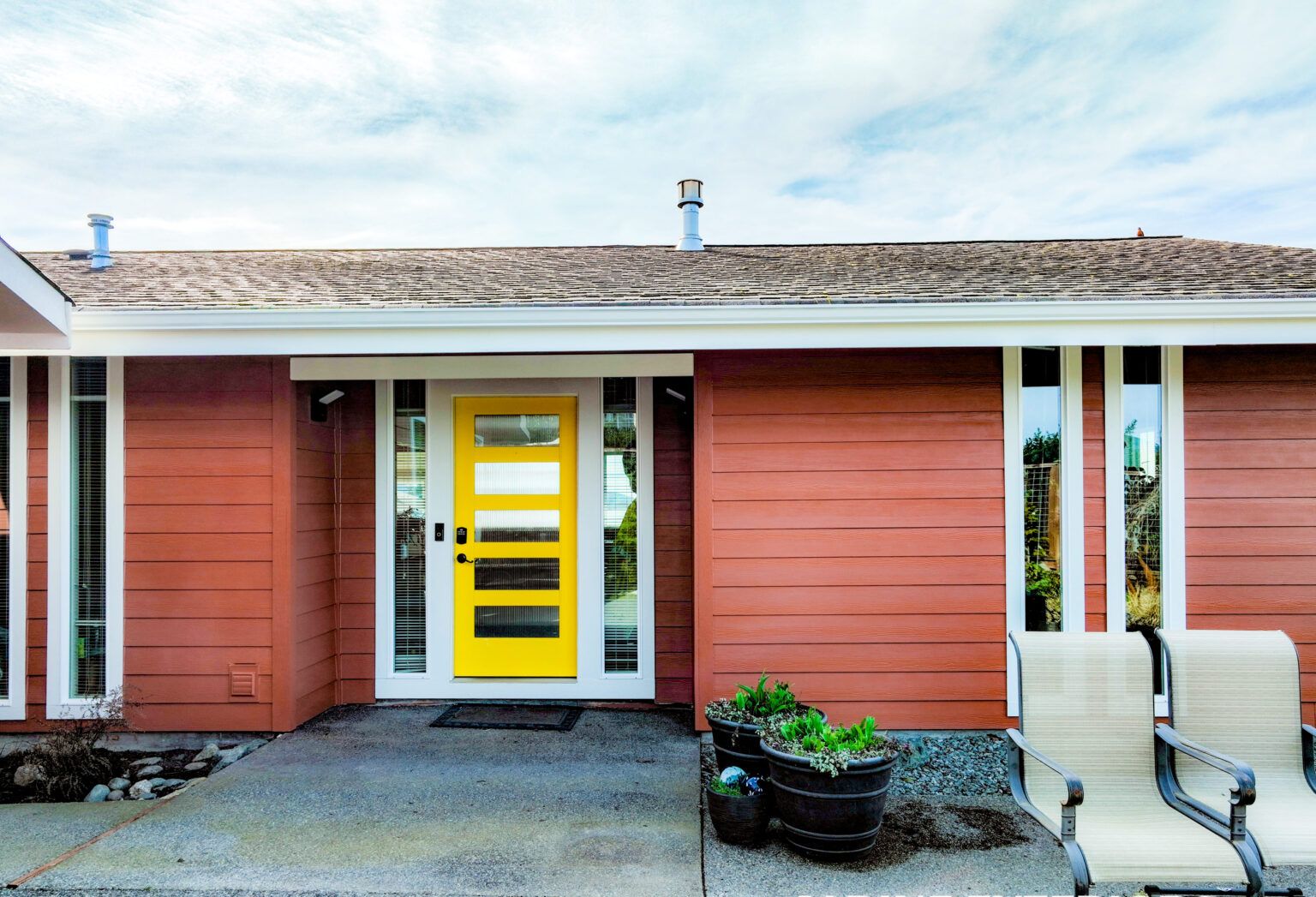
For most homes in Port Richey and the surrounding Pasco County communities, fiber cement siding is the strongest all-around choice, and insulated vinyl is a reasonable second choice when budget is the deciding factor. Neither is automatically "right" for every house — a lot depends on whether your home is concrete block with stucco, wood-frame, or a manufactured home, and how close you are to the Gulf. Alpine Exteriors has worked on enough Tampa Bay homes to say plainly: the siding that performs best here is the one that was actually engineered and tested for wind pressure, moisture, and sun, not just marketed as "hurricane-ready." Fiber cement earns the top spot because it resists moisture intrusion, doesn't feed mold, isn't a termite food source, and holds paint and color through years of intense Florida UV. Insulated vinyl earns its place as a solid runner-up for homeowners who want lower upfront cost and don't mind slightly more limited color depth over time. Both need to be installed with wind-rated fasteners and documented Florida Product Approval for your home's exposure category — the product matters less than whether it was installed to the number on that approval.
Port Richey sits along the Pithlachascotee River just off the Gulf of Mexico, which means homes here deal with a specific combination of stresses that doesn't show up the same way inland. We weighed every siding option against six criteria that actually matter for Pasco County, not generic marketing points:
We also factored in what's actually on the ground in Port Richey: a large share of concrete block homes built from the 1960s through the 1990s and finished in stucco, a meaningful number of manufactured and mobile homes in Pasco's many 55-and-over communities, and a smaller pocket of wood-frame homes near the canals and older sections of New Port Richey. The "best" siding depends partly on which of those you're starting from.

Fiber cement is a blend of cement, sand, and cellulose fibers pressed into planks or panels. It doesn't rot, it isn't a termite food source, and it holds up well against wind-driven rain when installed with the correct clearances and flashing details. In a humid climate like Tampa Bay's, that combination is hard to beat. It also takes factory-applied or field-applied finishes that resist UV fading better than most vinyl over the long haul, which matters most on the west-facing walls that take the brunt of Florida's afternoon sun.
Pros: excellent moisture and rot resistance, termite-indifferent, holds paint and color well under intense UV, available with documented Florida Product Approval for wind ratings, works well over wood-frame walls and as an accent element on a block home.
Cons: heavier and more labor-intensive to install than vinyl, meaning higher upfront cost; it must be painted or finished and eventually repainted; cut edges need to be sealed correctly or moisture can wick in over time; it's not typically used as a full wrap over sound stucco on a block home, since it's installed on wood-frame walls or furring strips rather than directly over masonry.
Vinyl remains popular in Pasco County because it's budget-friendly and low-maintenance — no painting, and it won't rot or feed termites. Insulated vinyl (vinyl panels with a rigid foam backing) adds a bit of extra wind resistance and helps even out wall temperatures, which is a genuine comfort benefit given how much cooling load Tampa Bay homes carry for most of the year.
Pros: lower material and installation cost than fiber cement, never needs painting, doesn't support mold growth on the surface, insulated versions add a modest thermal and impact benefit, wide range of wind-rated products with Florida Product Approval documentation.
Cons: standard (non-insulated) vinyl can flex and rattle in sustained wind if not fastened correctly; darker colors absorb heat and can warp under direct Florida sun; over many years, UV exposure will fade and slightly chalk most vinyl, even good-quality product; if moisture gets behind poorly installed panels, the wall cavity behind it — not the vinyl itself — can develop mold, so correct house wrap and flashing detail matters as much as the siding choice.
Engineered wood siding (wood strands or fiber bonded with resins, treated with a borate for insect resistance) gives a more traditional wood look at a lower cost and lower maintenance burden than solid wood. It's less common on Port Richey's block-dominant housing stock but shows up on some newer wood-frame construction and additions.
Pros: attractive traditional appearance, factory-applied treatments resist termites better than untreated wood, generally lighter and easier to install than fiber cement, reasonably good wind ratings when installed per manufacturer specification.
Cons: more vulnerable to swelling and edge damage if caulking and paint aren't maintained in a humid, rainy climate; any breach in the factory treatment or finish creates an opening for moisture and, over time, insects; not the first choice for homes with direct, unshaded Gulf-facing exposure to wind-driven rain.
Stucco isn't technically "siding," but it's worth including because it's already on the majority of Port Richey's concrete block housing stock, and re-stuccoing or patching is often the real alternative homeowners are weighing against a full siding tear-off. Traditional hard-coat stucco over block performs well against wind and salt air when the substrate is sound. Synthetic stucco (EIFS) over a wood-frame wall is a different animal — it depends entirely on a correctly installed drainage plane, and older EIFS installations in humid climates have a well-documented history of trapping moisture when that drainage layer was missing or damaged.
Pros: traditional hard-coat stucco over block is durable, wind-resistant, and matches the existing character of most Port Richey neighborhoods; doesn't need replacement as often as full siding if maintained and recoated periodically.
Cons: cracking is common as block homes settle and as galvanized lath ages in salt-humid air, and cracks left unsealed let wind-driven rain into the wall; synthetic (EIFS) stucco over wood framing carries real moisture-trapping risk if the drainage plane was skipped or damaged, which is a known problem in older Florida installations; recoating and patching is a specialized, labor-heavy job, not a simple wash-and-paint.
Aluminum siding still exists on some older Port Richey homes and manufactured housing, mostly as a holdover from decades past. It won't rot and resists fire, but it's a poor match for the coastal salt air Port Richey sees off the Gulf and its brackish waterways.
Pros: won't rot or feed termites, lightweight, historically inexpensive.
Cons: dents easily and shows every ding, especially from wind-blown debris in a storm; pits and corrodes faster than other claddings in salt-heavy air, particularly closer to the water; fades and chalks under UV over time; largely superseded by vinyl and fiber cement for good reason, and we don't recommend it for new installations in this market.
A few choices come up often enough in Pasco County that they deserve a direct call-out:
Yes, in general — vinyl doesn't corrode the way metal does, so proximity to salt air isn't the concern it is for aluminum. The bigger factors are UV fade over time and making sure the specific product carries Florida Product Approval for your home's wind exposure, with fasteners installed to that rating. Insulated vinyl tends to hold up a bit better under sustained coastal wind than standard hollow-back panels.
Pasco County isn't part of Florida's High-Velocity Hurricane Zone, which only covers Miami-Dade and Broward, so you won't see Miami-Dade NOA requirements here. But every siding product still has to meet Florida Building Code wind provisions for your address, documented through the statewide Florida Product Approval system. In practice that means asking your contractor for the FL# approval and confirming the installation follows its fastening schedule — that's what actually determines wind performance, not a general "hurricane-rated" label.
The OIR-B1-1802 wind mitigation inspection form that insurers use focuses mainly on roof shape, roof covering attachment, roof-to-wall connections, and opening protection like impact windows and doors — siding itself isn't a line item on that form. That said, poorly attached or damaged siding can still allow water intrusion during a storm, which matters for your overall risk and claims history, so it's worth getting right even though it won't move your wind mitigation credit directly.
Not necessarily. Many block homes here are finished in stucco directly over the masonry, and if that stucco is sound, well-sealed, and free of significant cracking, there's often no need to add a separate siding system. Full siding installations on block homes are more common as accent elements — gables, a room addition built in wood frame, or a full exterior refresh where the stucco has failed extensively. Alpine Exteriors can evaluate whether your stucco needs repair, recoating, or a full siding solution before recommending a bigger project than you actually need.
Every home in Port Richey and the wider Pasco County area — from block homes finished in stucco to wood-frame properties near the canals to manufactured homes in the area's 55-and-over communities — has a different starting point, and the right siding decision follows from that, not from a one-size-fits-all recommendation. Alpine Exteriors, Florida contractor license RB29003900, evaluates your home's construction type, wall condition, and sun and wind exposure before recommending a product, and we'll walk you through the actual Florida Product Approval documentation for anything we install. If you're weighing fiber cement against vinyl, wondering whether your stucco needs repair or replacement, or just want an honest read on what your Port Richey home actually needs, reach out to Alpine Exteriors for a straightforward assessment and estimate.