
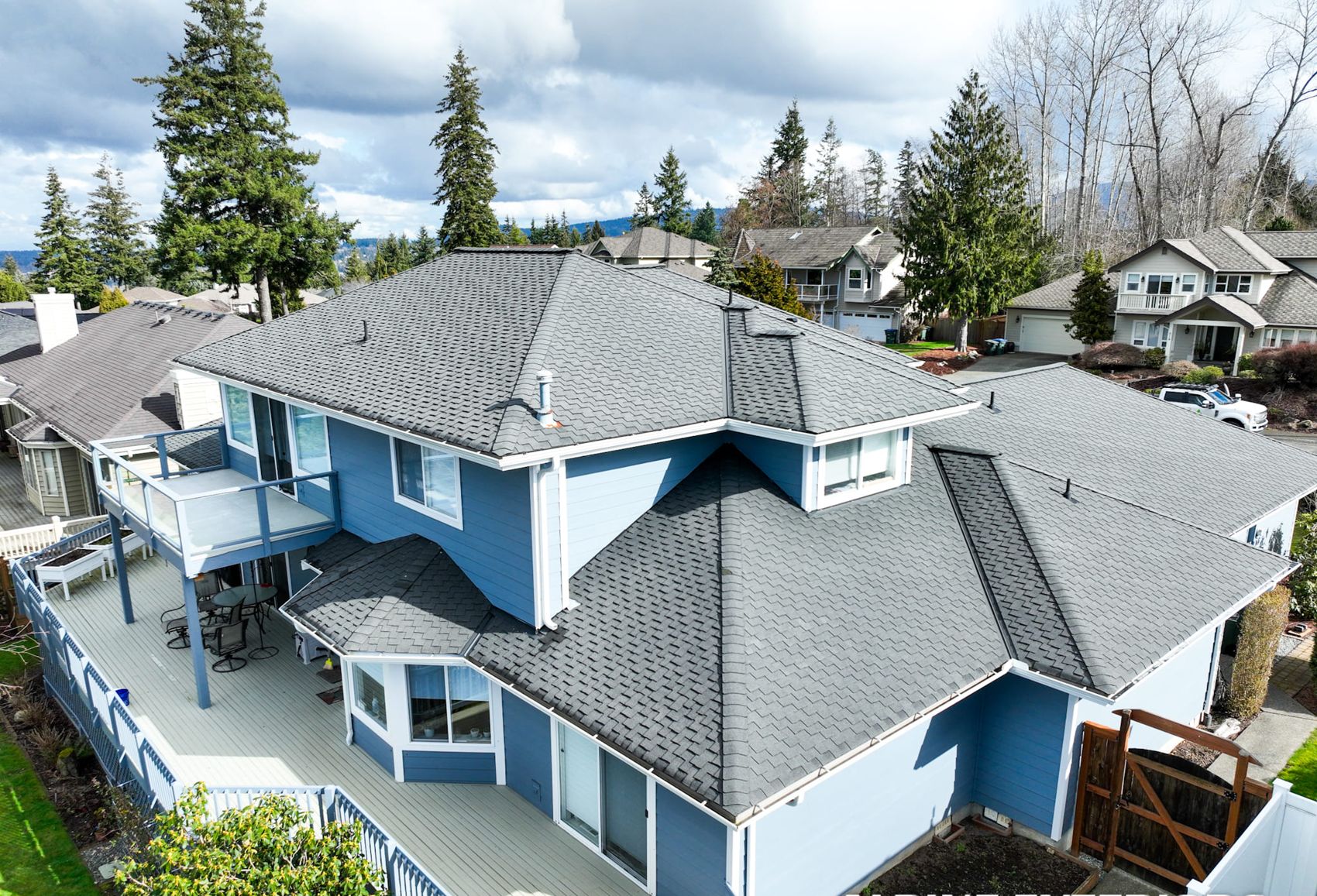
If you own a home in Dover, Florida and you are trying to decide what to re-side it with, the short version is this: fiber cement siding and wind-rated, insulated vinyl siding are the two materials that hold up best against what this part of Hillsborough County actually throws at a house. Dover sits inland from Tampa Bay, out past Brandon and Seffner along the State Road 574 and I-4 corridor, in a community built mostly around agriculture and quiet residential streets shaded by mature oak canopy. That combination of tree cover, high humidity, hard summer sun, and hurricane-season wind and rain is what should drive the material choice, not just curb appeal.
Fiber cement earns the top spot for most of the ranch-style and farmhouse homes common in Dover because it does not rot, does not feed termites, and carries wind and impact ratings that hold up under Florida Building Code review. Insulated vinyl siding is the close second choice, especially for homeowners who want a lower upfront cost and less maintenance, as long as the specific product carries a real Florida Product Approval and a wind-pressure rating matched to your home's exposure. Engineered wood siding, aluminum siding, and traditional wood siding all have a place in this guide too, but each comes with a tradeoff worth understanding before you sign a contract. Alpine Exteriors has installed all of these materials on homes throughout the Tampa Bay area, and this guide reflects what we have actually seen hold up and what we have seen fail early.
We are not ranking these products on looks alone. Dover's climate and housing stock create a specific set of stresses, and we judged every material against those stresses rather than against a generic national standard.
Wind resistance matters because Hillsborough County sits well within Florida's hurricane-exposed wind zones, even though it is not part of the state's High-Velocity Hurricane Zone that applies further south in Miami-Dade and Broward counties. Siding installed here still has to meet Florida Building Code wind-load requirements for its ASCE 7 wind speed zone, and any vinyl siding product should carry a Florida Product Approval number along with a wind-pressure rating tested to ASTM D3161 or ASTM D7158. Wind-driven rain during tropical storms and hurricanes is a separate problem from wind pressure alone; siding that is rated for wind but installed with poor flashing and weak seams will still let water behind the wall.
Moisture and mold pressure matter because Hillsborough County's humidity sits high for most of the year, and Dover's tree canopy keeps a lot of homes shaded and slow to dry after a storm. Materials that hold moisture against the wall sheathing, or that provide organic material for mold to feed on, are a poor fit here regardless of how they perform in a drier climate.
UV exposure matters because central Florida sun is intense for most of the year, and cheaper siding products can fade, chalk, or warp under sustained heat. We looked at how each material's color and surface hold up over a decade-plus of Florida sun rather than just its appearance on day one.
Termite exposure matters because subterranean termites are established throughout this part of Florida, and Dover's older tree stock and agricultural surroundings add to that pressure. Any wood-based product, including engineered wood siding, has to be evaluated with that risk in mind.
Finally, we factored in what actually exists on Dover homes today. This is a community with a lot of single-story ranch homes from the 1970s through 1990s, older wood-sided farmhouses, a meaningful number of manufactured and mobile homes, and a smaller but growing share of newer construction on larger lots. A siding recommendation only means something if it fits the homes people actually own here.
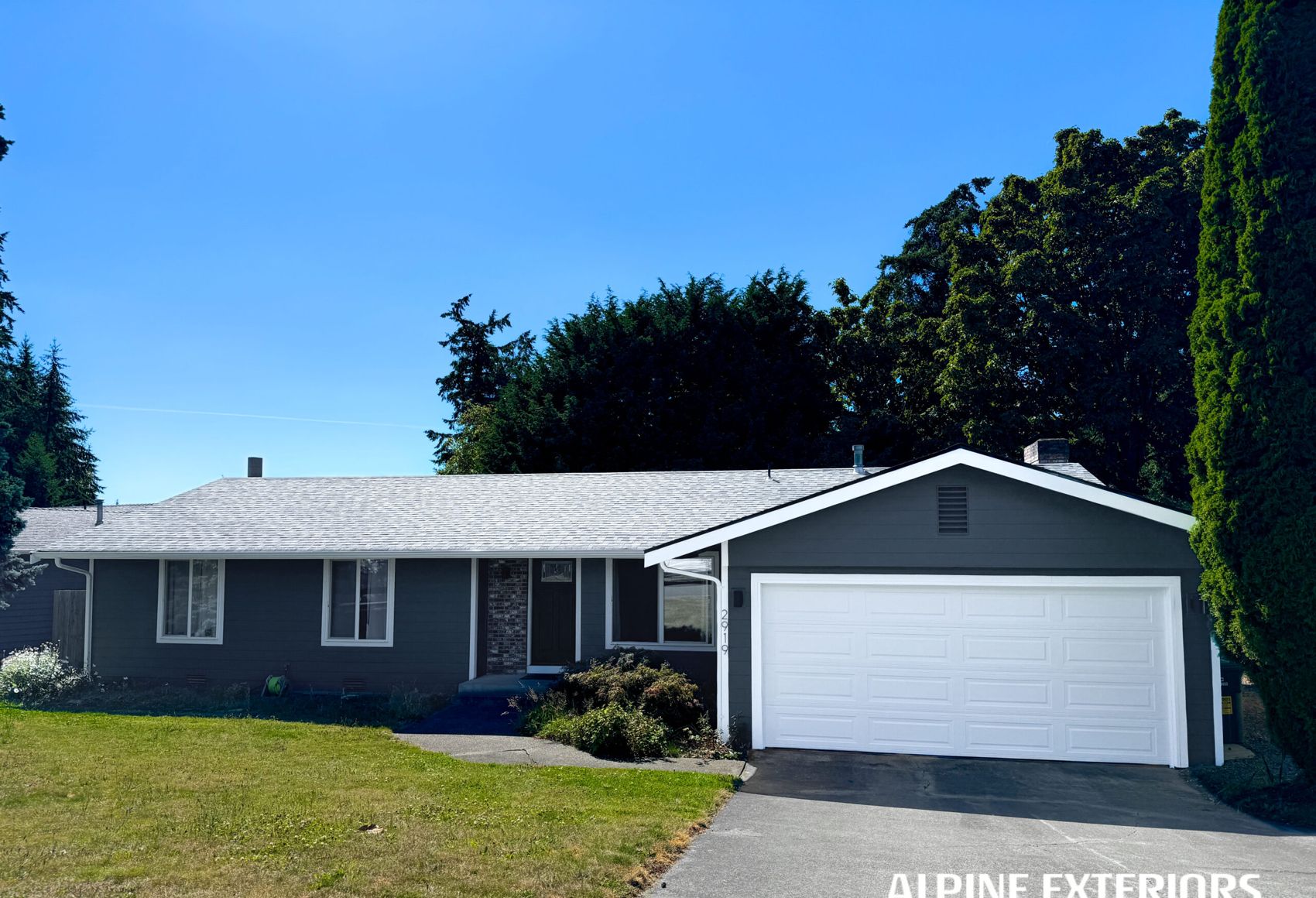
Fiber cement siding is a blend of cement, sand, and cellulose fibers formed into planks or panels, and it has become the material we install most often on Dover homes that want a long-term, low-maintenance exterior. It does not rot, does not provide food for termites, and holds paint well under intense UV exposure, which matters a great deal given how much direct sun this area gets for most of the year. Properly installed fiber cement products carry Florida Product Approval numbers and meet Florida Building Code wind-load requirements for Hillsborough County's wind zone, which also tends to help with wind mitigation inspections used for homeowners insurance discounts under the state's OIR-B1-1802 form.
The drawbacks are real. Fiber cement is heavier than vinyl and more labor-intensive to install correctly, which raises the installed cost, generally landing in a mid-to-upper range compared to vinyl. It has to be painted or comes pre-finished, and while the factory finishes hold up well, field-cut edges need to be sealed and painted or they can absorb moisture over time. It is also less forgiving of a rushed installation; gaps at butt joints or missed caulking at penetrations can let water in behind the panel, which matters a lot with Dover's humidity and wind-driven rain during storm season.
Modern insulated vinyl siding has come a long way from the thin vinyl of decades past. The better products on the market today are backed with rigid foam insulation, which adds some impact resistance and helps the panel resist the warping and oil-canning that thinner vinyl can suffer under intense Florida heat. For Dover homeowners working with a tighter budget, or for the area's many single-story ranch and mobile-adjacent properties where a lighter material simplifies the retrofit, wind-rated vinyl is a legitimate and durable choice as long as the specific product has a Florida Product Approval number and a wind-pressure rating matched to the home's height and exposure category under the Florida Building Code.
The tradeoffs: not all vinyl siding sold in Florida is rated for the wind pressures this area can see in a hurricane, and installers cutting corners with a lower-cost, non-rated product are setting a homeowner up for panels that pull loose in the first serious storm. Vinyl also does not have the same resale perception as fiber cement in this market, and color options are limited to what is manufactured into the panel since it cannot be painted a different color later without voiding warranties on many products. On homes with a lot of dark trim or a color that traps heat, lower-grade vinyl can still warp over time even with insulation backing, so product selection matters as much as the material category itself.
Engineered wood siding, sold under brand names built around wood strands treated with resin and zinc borate for insect resistance, gives homeowners a wood-grain appearance with better moisture and termite resistance than solid wood. For Dover's older farmhouse-style homes where owners want to keep a traditional wood look, this is often the most realistic path, since it carries better protection against the subterranean termites established throughout this part of Hillsborough County than raw lumber does.
That termite treatment is not a guarantee, however, and any breach in the factory-applied coating, especially at field cuts, needs to be primed and sealed immediately or the exposed edge becomes vulnerable. Engineered wood also requires more regular maintenance than fiber cement or vinyl, including repainting on a set cycle, and it costs more than vinyl while offering less inherent moisture resistance than fiber cement. It is a reasonable middle option, not a top pick, for this climate.
Metal siding, whether aluminum or steel, resists termites entirely and holds up to UV exposure without fading the way some vinyl can. It is not a common choice for new installations in this region today, but it still shows up on some older Dover properties and is worth understanding if you are deciding whether to replace it or work around it.
The downsides are significant for this climate. Aluminum siding dents easily, which becomes a real concern with hail sometimes accompanying Florida storm systems, and dented panels are difficult to repair without replacing the whole run. Both aluminum and steel siding can develop noise issues during heavy wind-driven rain, and steel is prone to rust at cut edges and fastener points in a humid environment if the protective coating is compromised. We do not typically recommend new metal siding installations for Dover homes given these tradeoffs against fiber cement and vinyl.
Solid, unprotected wood siding is the clearest one to avoid in Dover. Between the area's tree canopy holding humidity against exterior walls, the established subterranean termite population throughout Hillsborough County, and the intense UV exposure that breaks down paint and finish faster than in milder climates, traditional wood siding requires a maintenance commitment that most homeowners underestimate until they are dealing with rot or termite damage behind the boards. It can be done well with disciplined upkeep, but it is not a low-maintenance or budget-friendly choice here the way it might be marketed elsewhere.
Bargain vinyl siding without a documented wind-pressure rating or Florida Product Approval number is the other one to watch for. Some lower-cost vinyl products sold in this market were never tested to the wind pressures Hillsborough County can see in a tropical storm or hurricane, and an installer using an unrated product to hit a lower price point is passing that risk directly to the homeowner. Ask any contractor bidding your siding job for the specific product's Florida Product Approval number and wind rating before signing anything, and be skeptical of a bid that cannot produce one.
Also avoid mixing incompatible flashing and trim details with any siding choice, regardless of material. A lot of siding failures we get called out to inspect in the greater Tampa Bay area are not failures of the siding material itself but of the water management behind it: missing or improperly lapped flashing at windows and doors, gaps at penetrations, and house wrap that was not properly integrated with the new siding. Wind-driven rain during Florida's storm season will find any gap in that system over time.
Both can perform well here, and the right choice depends on your budget and priorities. Fiber cement generally offers better long-term durability against termites, UV fading, and wind-driven rain when installed correctly, while wind-rated insulated vinyl offers a lower installed cost and less painting-related maintenance as long as the specific product carries a Florida Product Approval number and a wind rating suited to your home's exposure.
It can. Many Florida insurers offer premium credits for wind mitigation features documented on the state's OIR-B1-1802 wind mitigation inspection form, and siding installed to current Florida Building Code wind-load standards, along with other hardening features like impact-rated openings, can factor into that inspection. Ask your insurance agent what your carrier specifically credits before assuming a discount.
Costs vary widely based on home size, the material chosen, how much of the existing wall sheathing and moisture barrier needs replacement, and site conditions. As a rough range, vinyl siding projects often run lower than fiber cement projects on a comparable home, but the only way to get a number that means anything for your specific house is a walk-through estimate, since tear-off condition and trim detail work move the number significantly.
Sometimes, but it depends on the condition of what is underneath and the material being installed. In Dover's humid climate, covering over siding that already has hidden moisture or mold damage just traps the problem, so we generally recommend a proper tear-off and inspection of the sheathing and house wrap first, even though it costs more upfront than a direct overlay.
If you are weighing siding options for a home in Dover, Wesley Chapel, Lutz, Land O' Lakes, New Port Richey, Plant City, Zephyrhills, or elsewhere in the greater Tampa Bay area, Alpine Exteriors can walk your property, look at your home's specific exposure and existing wall condition, and put together a written estimate that names the exact product, its Florida Product Approval number, and its wind rating before any work begins. Alpine Exteriors holds Florida contractor license RB29003900. Reach out to schedule a free on-site evaluation and get a straight answer about what will actually hold up on your home.