
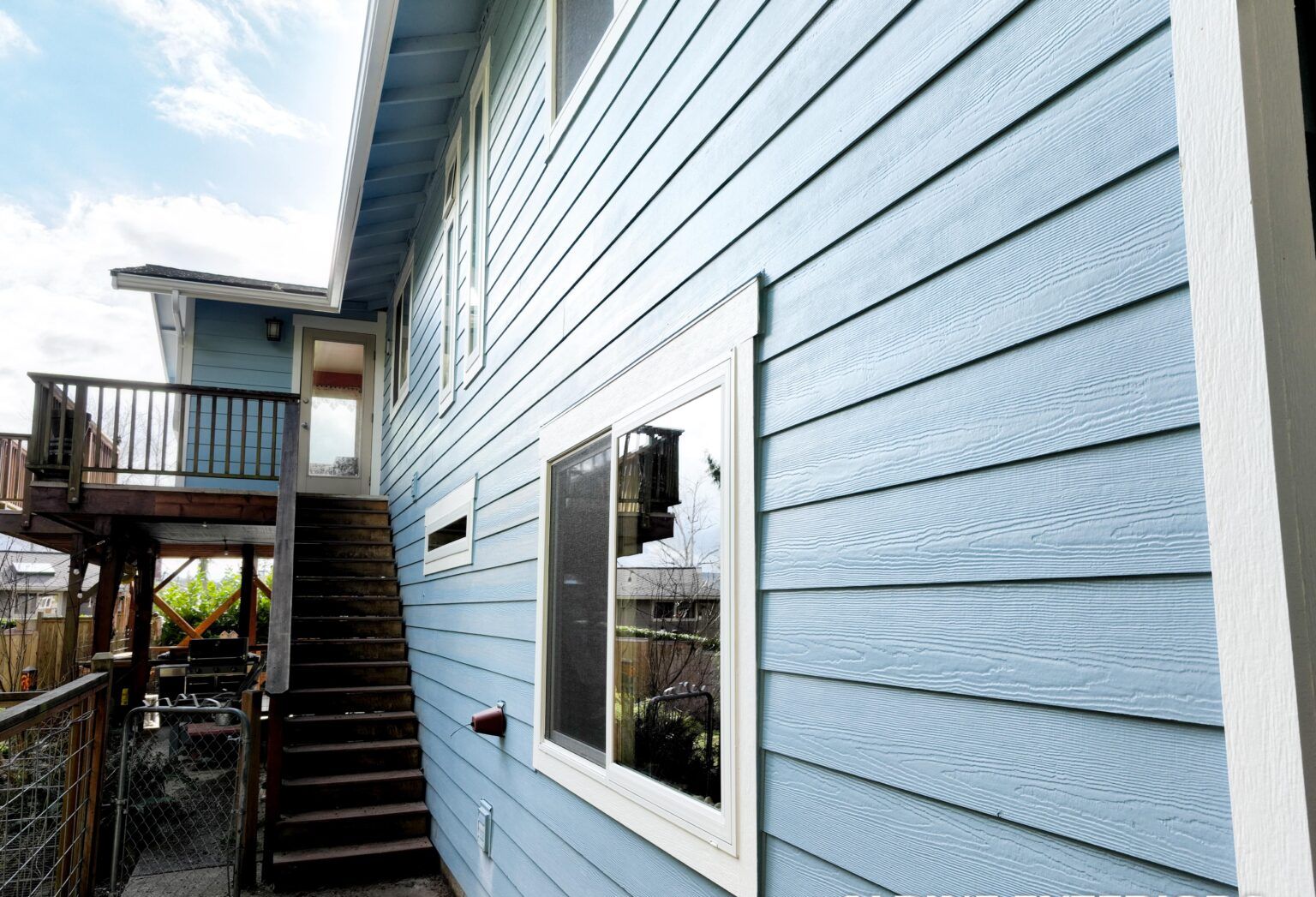
San Antonio is a small, tree-shaded Pasco County community tucked between Dade City and Zephyrhills, and homes here sit through the same brutal Central Florida weather cycle as the rest of the Tampa Bay area: long, saturating summer humidity, sudden afternoon downpours, intense UV exposure nearly year-round, and the occasional direct hit or near-miss from a tropical system. Siding is the first thing all of that weather touches, and once it starts to fail, the damage underneath it — sheathing rot, mold colonies, termite access — can outpace what you see from the driveway. This guide walks through the warning signs local homeowners should watch for, what typically causes each one in this climate, and how to decide whether a problem is an emergency or something you can plan for on your own timeline.
Vinyl and some fiber-cement siding can distort when it's repeatedly heated by direct sun and then soaked by afternoon storms — the material expands and contracts, and over enough cycles it stops snapping back flat. In San Antonio, FL, west- and south-facing walls that get the longest sun exposure are usually the first to show this. Improper original installation (panels nailed too tightly, without room to expand) makes it worse and shows up sooner than it would on a correctly hung wall.
Wood and engineered wood siding can split as it dries out under intense UV, then swells again with humidity — the repeated stress opens seams along the grain. Vinyl gets brittle with age and UV exposure and can crack on impact from lawn equipment, hail, or wind-blown debris during a storm. Any crack is an entry point for wind-driven rain, which is the main way water gets behind siding here.
This is almost always a moisture signal, not just a cosmetic one. When paint bubbles or lifts in sheets rather than fading evenly, water is usually trapped underneath the coating — often because caulking has failed at a seam, trim, or window edge and humidity or rain is wicking in. On wood and fiber-cement siding especially, this is worth investigating before it's dismissed as a simple repaint.
Press a gloved hand or the tip of a screwdriver against the siding near the bottom of the wall, around window sills, and near roof-to-wall transitions. If it gives or feels spongy, moisture has likely been sitting against the sheathing or framing behind the siding for a while. Florida's humidity means wet wood rarely gets the chance to fully dry out between rain events, so once rot starts it tends to spread rather than stall.
Some surface mildew on siding is common in this climate and can often be power-washed off without concern. The bigger warning sign is mold or streaking that comes back quickly after cleaning, or that's concentrated in one recurring spot — that usually points to a leak or a shaded, poorly ventilated section of wall that stays damp longer than the rest of the house.
After a strong wind event — even a tropical storm that doesn't make direct landfall nearby — it's worth walking the exterior and looking for panels that have pulled loose, fasteners that have backed out, or trim that's separated from the wall. Florida's wind loads put real stress on siding attachment, and a panel that's no longer secured correctly can act like a sail in the next storm, tearing loose entirely or letting wind-driven rain get behind the whole wall section.
Subterranean termites are active throughout inland Pasco County, and wood or wood-based siding low on the wall, along with any siding in contact with soil, mulch, or dense landscaping, is at higher risk. Pencil-thin mud tubes running up the foundation, wood that sounds hollow when tapped, or small exit holes are all signs to have checked out — siding repair alone won't fix a termite problem, so this often needs a licensed pest control provider in addition to any siding work.
Siding isn't just a weather barrier — behind it is typically a layer of house wrap or building paper and insulation that depends on the siding staying tight and intact. Gaps, warping, and missing caulking let conditioned air escape and outside heat and humidity in, which shows up as a cooling system that runs longer than it used to, especially through a Tampa Bay summer.
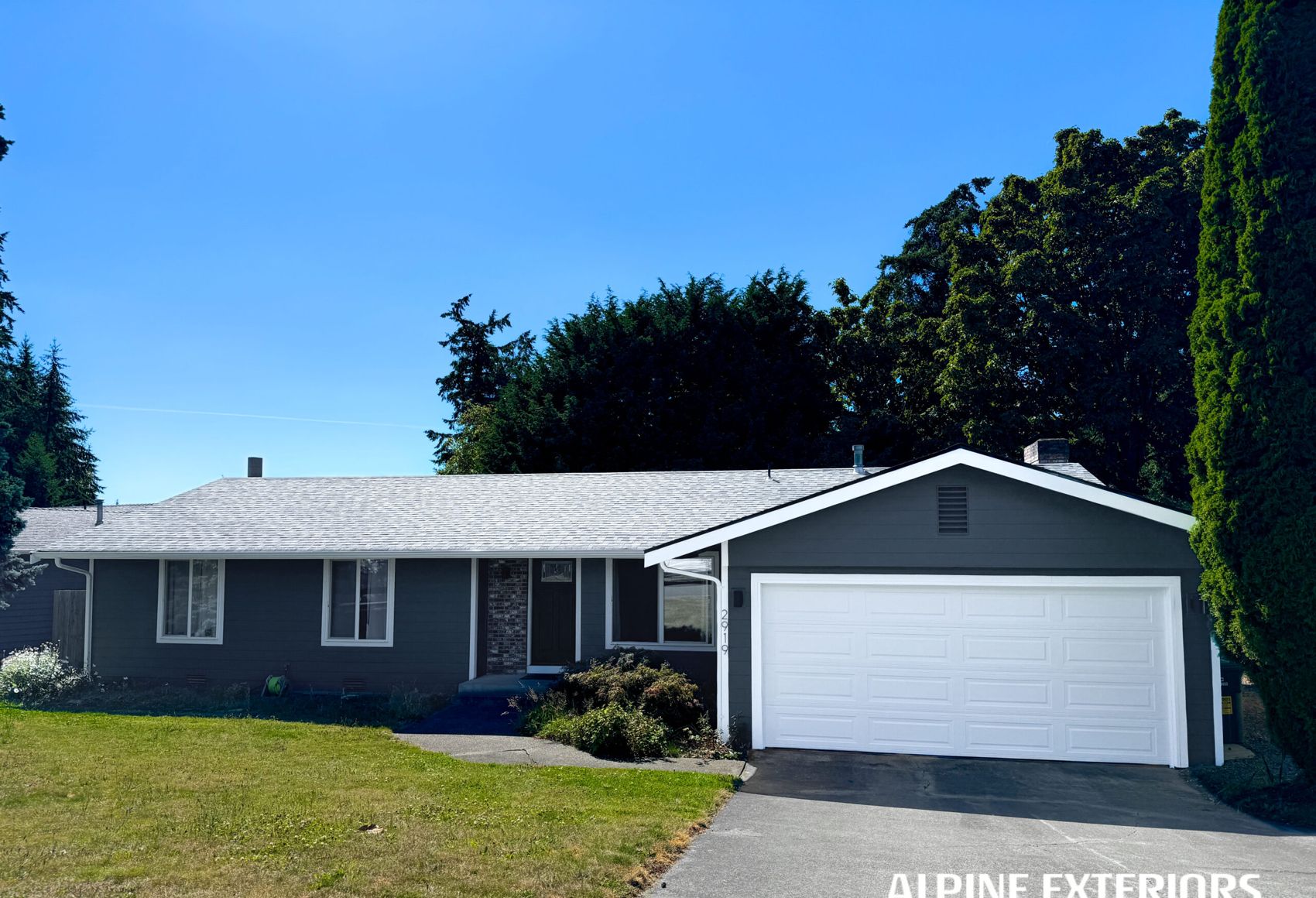
Some of these signs call for a prompt inspection, and others can be scheduled around your budget and calendar. Treat these as urgent: soft or spongy sheathing anywhere on the house, visible mold spreading indoors near an exterior wall, panels that came loose or blew off in a storm, and any sign of active termite activity. Leaving these unaddressed through another humid season or storm cycle tends to turn a repair into a much larger rebuild of wall framing.
These can typically wait for a planned appointment: light surface mildew that cleans off easily, minor cosmetic cracking on a panel or two, chalky or faded paint with no bubbling, and small nail pops with no visible gap behind them. It's still worth getting these looked at before they progress, but they're not an emergency.
Start with a visual walk around the exterior in daylight, paying extra attention to north-facing and shaded walls (where moisture lingers longest), areas below roof valleys and gutters, and any spot where two different materials meet — those transitions are common leak points. Photograph anything that concerns you, including the date, since documentation matters if you end up filing an insurance claim after a storm.
From there, a professional inspection is the only reliable way to know what's happening behind the siding, not just on the surface. Alpine Exteriors serves San Antonio and the surrounding Tampa Bay communities — Wesley Chapel, Lutz, Land O' Lakes, New Port Richey, Plant City, and Zephyrhills — and can evaluate whether you're looking at a localized repair, a partial re-side of the affected wall, or a full replacement, along with whether replacement siding should carry Florida Product Approval for your wind zone. Alpine Exteriors holds Florida contractor license RB29003900.
It depends heavily on the scope — a small section repair might run a few hundred to a couple thousand dollars, while a full re-side of an average home is a much larger investment, often well into five figures depending on size, material, and how much of the underlying sheathing needs replacing. Real numbers require a walk-through, since hidden rot or termite damage found once panels come off can change the scope.
Localized damage — a cracked panel, a small soft spot, storm damage confined to one wall — can often be repaired or patched without touching the rest of the house, especially if the siding is a common style that's easy to color-match. Widespread warping, rot along multiple walls, or siding that's simply reached the end of its service life usually makes a full or near-full replacement the more cost-effective long-term choice.
Wind and storm-related siding damage is often covered under a standard Florida homeowners policy, but coverage details, deductibles (including any separate hurricane deductible), and exclusions for gradual damage like rot or mold vary by policy. It's worth reviewing your policy and your OIR-B1-1802 wind mitigation form, and documenting damage with photos and a contractor's assessment before filing a claim.
There's no single right answer — fiber-cement siding resists moisture, pests, and UV fading well but is heavier and costs more upfront; vinyl siding is budget-friendly and low-maintenance but can fade or become brittle over many years of intense sun; wood siding offers a traditional look but needs the most upkeep to fight humidity and termite pressure in this region. Whatever the material, it should carry a Florida Product Approval rated for the wind speeds required by the Florida Building Code in your area.
If you've spotted one or more of these warning signs on your San Antonio, FL home, it's worth getting a professional opinion before the next humid season or storm cycle adds to the damage. Alpine Exteriors offers siding inspections and repair or replacement estimates across San Antonio, Wesley Chapel, Lutz, Land O' Lakes, New Port Richey, Plant City, and Zephyrhills — contact Alpine Exteriors to schedule a walk-through and get a straightforward assessment of what your siding actually needs.