
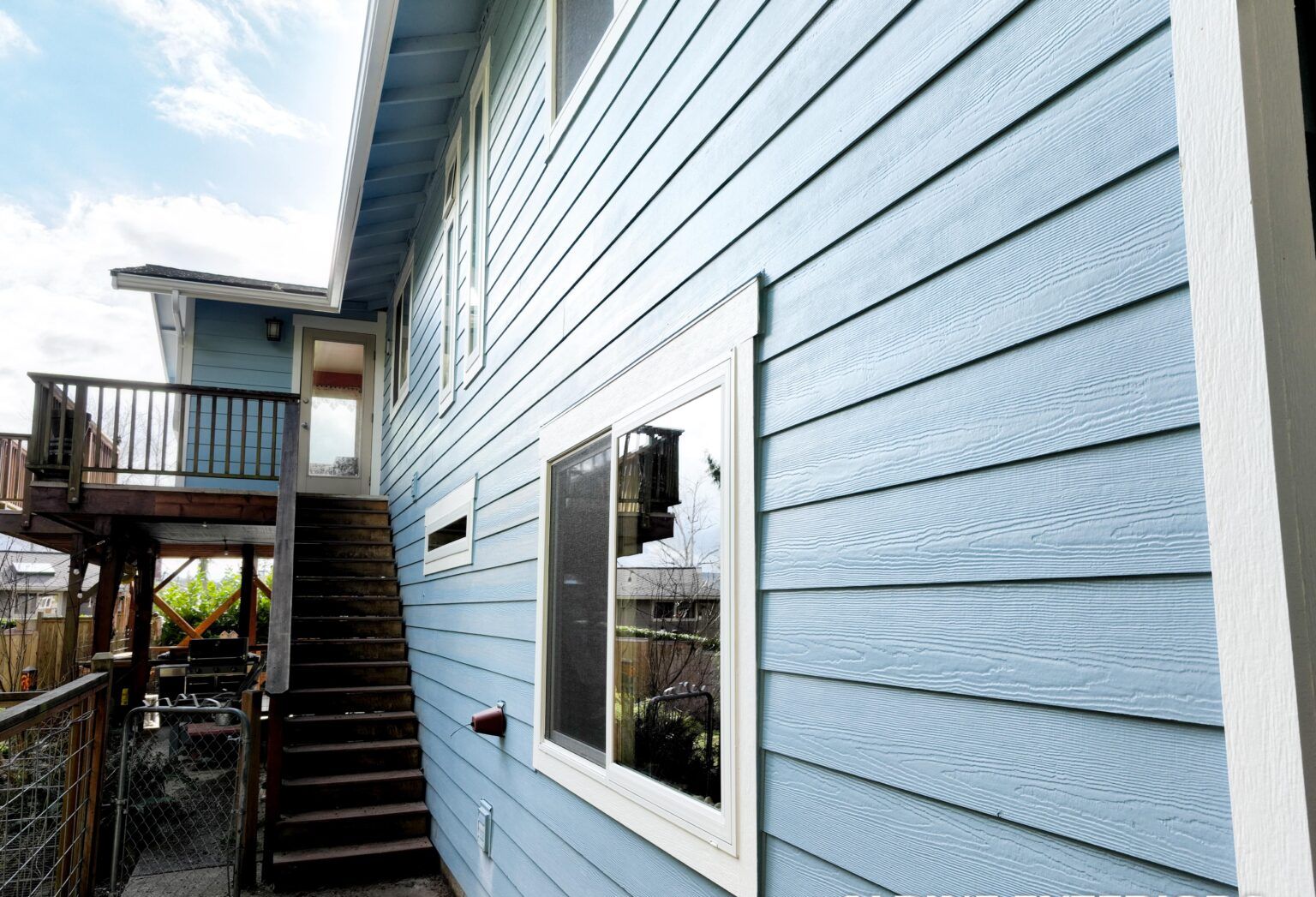
Crystal Springs sits in the rural, wooded stretch of northeastern Pasco County, and homes out here tend to be spread out on larger lots with mature oak canopy, well systems, and long gravel or shell driveways. That layout changes a few practical things about a siding job compared to a tight subdivision lot in Wesley Chapel or Land O' Lakes — staging space is usually easier to come by, but crews often deal with more overhead branches, softer ground near septic fields, and longer hose or extension-cord runs. Alpine Exteriors has replaced siding on homes throughout this part of Pasco County, and the sequence below reflects how a typical project actually unfolds here, not a generic national script.
For an average single-family home in the Crystal Springs area, plan on roughly two to five weeks from signed contract to final walkthrough, and about three to seven working days of actual on-site installation once material arrives. The spread depends heavily on house size, the number of corners and gables, whether there's rot to address under the old siding, and how far out material lead times run at the moment. Central Florida's summer weather pattern — near-daily afternoon thunderstorms from June through September — is the biggest variable in the install schedule itself. Crews here typically work mornings and break or wrap up before the storm cells build, which is safer but can stretch a five-day job into six or seven calendar days during peak storm season. Winter and early spring (roughly November through April) tend to move faster because the weather is more predictable.
It's worth being upfront that siding replacement is disruptive. There will be noise, dust, staging materials in the yard, and a work crew on ladders around your home for the better part of a week or more. Landscaping near the foundation may get trampled even with careful crews, and irrigation heads or low-hanging shrubs sometimes need temporary protection or relocation. None of this is a reason to skip needed work, but it's part of an honest picture of the process.
Siding replacement in unincorporated Pasco County requires a building permit in most cases, since the work affects the building envelope and has to meet current Florida Building Code wind-load provisions for this wind zone. Your contractor pulls the permit, and the products installed need current Florida Product Approval (or Miami-Dade NOA, which is also accepted) documentation showing they're rated for the applicable design wind speed. This isn't paperwork for its own sake — it's what determines whether the siding assembly, fasteners, and house-wrap system will actually hold up in a tropical storm or hurricane, and it's what an inspector checks before signing off.
If your property is inside a homeowners' association — some of the newer developments near Zephyrhills and Crystal Springs Road have HOA covenants even on larger rural-style lots — check your architectural guidelines before ordering material. Color, profile, and sometimes brand restrictions are common, and getting HOA approval after material has already been ordered can mean re-ordering at your expense.
Material lead time is the other piece that catches homeowners off guard. Fiber cement siding, certain vinyl profiles in less common colors, and specialty trim boards can run anywhere from two to eight weeks out from order date depending on the manufacturer's current backlog. Alpine Exteriors places material orders as soon as the contract and color selections are finalized specifically because this lead time, not the labor itself, is usually the longest part of the calendar.

Once material is on site and the permit is issued, the physical work generally follows this sequence:
A little preparation on your end keeps the job moving and protects your property. Move vehicles, boats, or trailers away from the work zone and driveway staging area. Take down anything hanging on exterior walls — house numbers, mailboxes mounted to trim, decorative shutters, string lights — since these usually have to come off anyway and it's easier if they're already clear. If you have a dog or other pets, plan for them to be inside or in a secured area during work hours; gates get propped open constantly during a siding job. Because Crystal Springs properties are often on well water, let your contractor know if there's a well head, pump house, or irrigation control box near the work area so it doesn't get buried under staged material or splashed with debris. Inside the house, expect some vibration and noise near exterior walls, and plan around that if you work from home.
Once installation is complete, the county building inspector performs a final inspection to confirm the work matches the permitted scope and meets Florida Building Code requirements for the installed products. Any corrections the inspector flags get addressed before the permit closes — this is a normal part of the process, not a sign something went wrong.
Cleanup should include a magnetic sweep of the yard and driveway for stray fasteners, removal of all packaging and cut-offs, and a check that landscaping, mulch beds, and any disturbed irrigation lines are put back reasonably close to how they started. A proper final walkthrough means walking the full exterior with the crew lead or project manager, checking every elevation for consistent reveal lines, tight corners, clean caulk joints, and no exposed fastener heads, before you sign off as complete.
New siding in this climate benefits from a simple annual habit: a soft wash (not a high-pressure blast, which can force water behind panels or damage fiber cement finishes) to knock off the mildew and algae growth that Florida's humidity encourages, plus a visual check of caulk joints and trim after hurricane season each year. Catching a lifted panel or an open seam early is far cheaper than dealing with water intrusion that's had a season to work into the wall assembly.
Warranty coverage on a siding job typically has two layers: the manufacturer's product warranty (which varies by material and brand, and is usually prorated over time) and the installer's labor warranty covering workmanship. Ask for both in writing, understand what voids each one — improper pressure washing is a common exclusion — and keep the paperwork with your homeowner's insurance records, since some insurers ask for it when underwriting or renewing wind coverage. Alpine Exteriors provides documentation for both warranty layers at project close, along with copies of the permit and product approval numbers for your records.
It can, but not automatically. Some insurers reassess wind mitigation credits when siding, a major exterior component, is replaced, especially if the new installation includes improved fastening or a documented product approval rating. If you want this reflected in your policy, you'll likely need to have a new wind mitigation inspection completed and submit the OIR-B1-1802 form to your insurer — the siding contractor's paperwork alone usually isn't enough to trigger a rate review.
This is common enough in older Pasco County homes that most contracts include a process for it: the contractor documents the damaged area with photos, discusses repair options and cost before proceeding, and replaces only the affected sheathing or framing rather than the whole wall. It's worth asking your contractor upfront how they price this kind of unforeseen repair so there are no surprises mid-project.
Yes, and much of the work in this region happens during the June-through-November window by necessity. Contractors here plan around daily storm patterns, keep an eye on any tropical development, and will pause or secure a partially open wall section if a storm system is approaching close enough to threaten the exposed sheathing before it's re-wrapped.
Service life depends heavily on the material chosen and how consistently it's maintained, but quality siding properly installed to current Florida Building Code wind and moisture-management standards is generally expected to perform well for decades. Intense UV exposure will fade color over time regardless of material, and consistent humidity means mildew control is an ongoing task rather than a one-time treatment.
If you're weighing a siding replacement on a Crystal Springs property, Alpine Exteriors (FL license RB29003900) can walk your home, point out what's driving the timeline for your specific house, and put together a written scope before any material gets ordered. Reach out to schedule a site visit and get a realistic start-to-finish estimate for your project.