
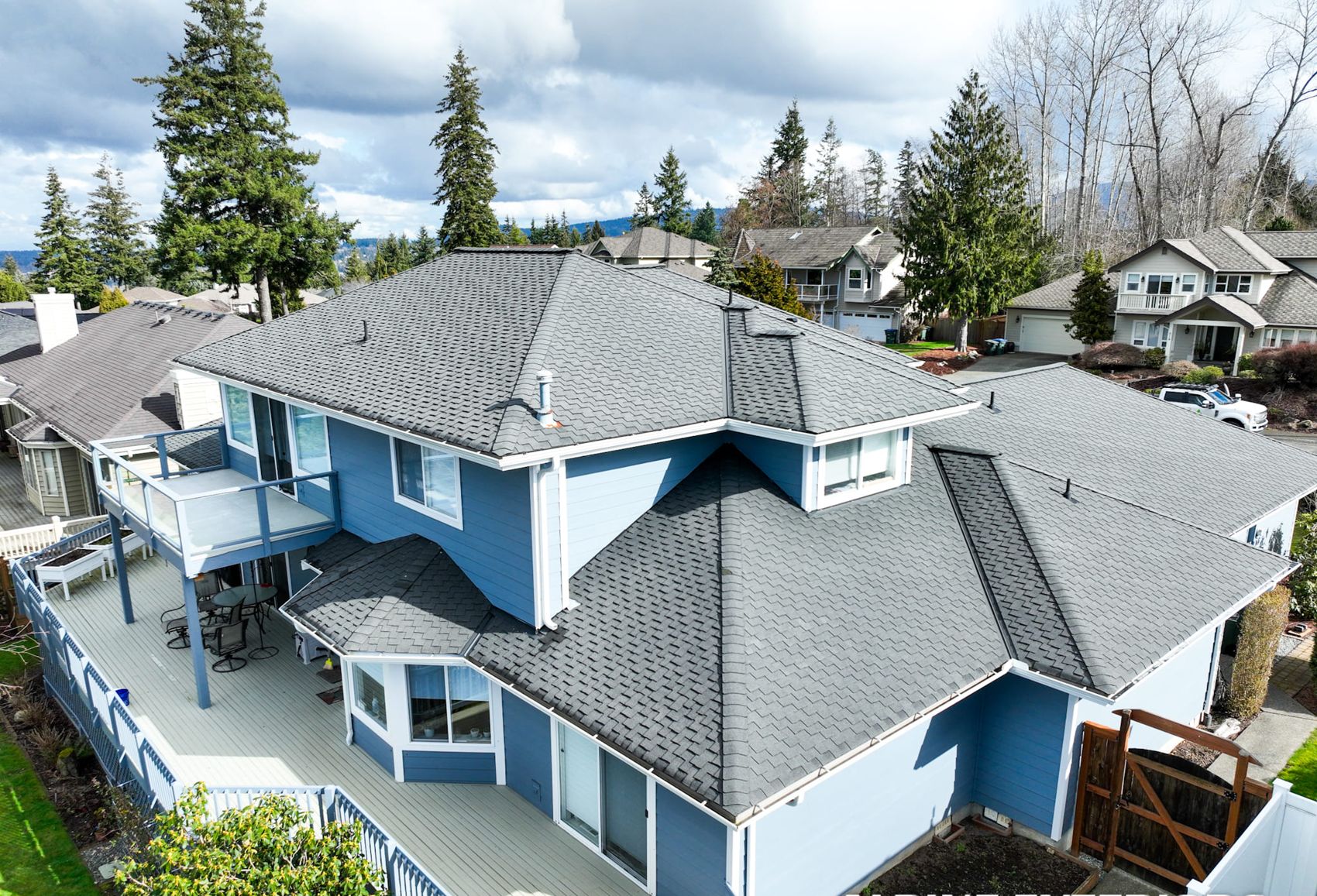
Northdale sits in unincorporated Hillsborough County between Carrollwood and Lutz, a mix of 1970s-through-1990s block and frame homes shaded by mature oaks. That tree canopy is part of what makes the neighborhood attractive, but it also means siding here fights a specific combination of stresses: heavy summer humidity that never fully lets shaded walls dry out, intense subtropical UV on the sun-facing elevations, wind-driven rain during tropical systems, and a steady background pressure from subterranean termites that will exploit any wood-to-soil contact or hidden rot. A siding replacement in this part of Hillsborough County has to answer all of those conditions at once, not just look good on delivery day.
For a typical single-family home in Northdale, a full siding replacement runs somewhere between two and four weeks from the day crews first show up to the final walkthrough, though the honest answer is "it depends." A straightforward lap-siding job on a one-story home with easy access can wrap in under two weeks of actual on-site work. A two-story home with extensive trim, soffit, and fascia work, or one that turns up rot or termite damage once the old siding comes off, can run closer to a month. Rain days matter too — Tampa Bay's wet season (roughly June through September) regularly adds delays, since siding and especially any exposed house wrap or sheathing repairs can't be left open in a downpour. Alpine Exteriors builds float days into every Northdale schedule for exactly this reason, and we'd rather push a start date than rush a install ahead of a named storm.
Nothing gets installed in Northdale until the paperwork is in order, and skipping this step is the single most common way a siding job turns into a headache later. Three things have to line up before the first panel goes up.
Permitting. Northdale is unincorporated, so permits run through Hillsborough County's Development Services division, not the City of Tampa. A residential siding replacement typically requires a building permit demonstrating that the new assembly meets the wind-load and water-intrusion requirements of the Florida Building Code for this wind zone, along with documentation that the products carry current Florida Product Approval (or, where applicable, a Miami-Dade Notice of Acceptance) for the wind pressures mapped to this part of Hillsborough County. Plan on the county needing anywhere from a few days to a couple of weeks to review and issue, and a mid-job inspection plus a final inspection before the permit closes.
HOA and architectural review. A large share of Northdale's platted villages have an active homeowners association with an architectural review committee, and many require prior written approval of siding material, color, and sometimes trim profile before work begins — separate from and in addition to the county permit. Some associations keep an approved color palette on file; others review submissions case by case. We ask homeowners to pull their HOA's current architectural guidelines early, because a color that isn't pre-approved can mean a resubmission cycle that adds a week or more to the front end of the schedule.
Material lead times. Fiber cement siding, which holds up well against Florida humidity and doesn't feed termites the way wood can, is usually the longer lead item — factory-finished colors and certain trim profiles can take several weeks to arrive, more if a color falls outside a manufacturer's standard run. Vinyl siding rated for Florida's wind zones is often quicker to source but has a narrower color range and can fade faster under direct west- or south-facing sun exposure than factory-baked fiber cement finishes. We order materials as soon as the permit and any HOA approval are both in hand, since starting demolition before materials are confirmed on a truck is how homes end up with open walls for longer than anyone wants.
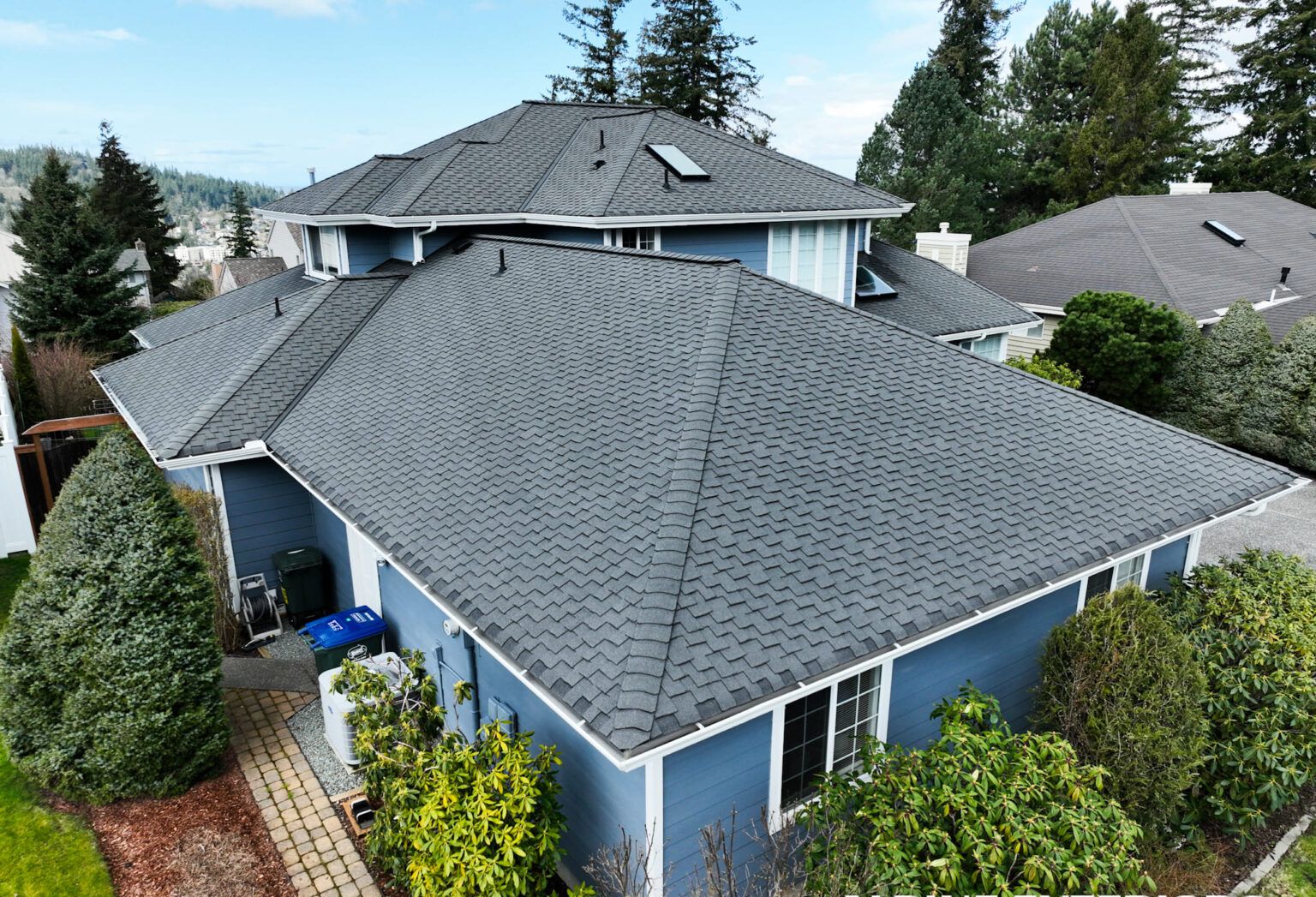
Once permits are issued and material is on-site, the physical work follows a fairly consistent sequence, though the exact order can shift slightly depending on whether soffit, fascia, or trim carpentry is part of the scope.
A little prep on the homeowner's side keeps the schedule moving and protects belongings around the house.
Before the county closes out the permit, a building inspector reviews the completed work against the approved plans, checking fastening, flashing, and clearances. Alpine Exteriors schedules this inspection and handles any corrections directly rather than leaving that back-and-forth to the homeowner. Daily cleanup happens throughout the job — loose nails and cut-offs get swept from the yard and driveway each day, both for safety and because stray fasteners are hard on lawn mower blades and bare feet alike. At the end of the job, crews do a magnetic sweep of the ground near the work area specifically to catch metal debris, then remove staging material, the dumpster, and any remaining site protection.
The final walkthrough is done with the homeowner present, going wall by wall to check color and panel alignment, caulking lines, trim corners, and that every penetration — hose bibs, light fixtures, dryer vents — was properly sealed and reinstalled. This is the time to point out anything that doesn't look right; it's much easier to correct before the crew demobilizes than after.
New siding in Northdale doesn't need much upkeep, but a little attention extends its life. Rinse the exterior periodically with a garden hose to keep pollen, dust, and the mildew film that Florida's humidity tends to encourage from building up, especially on shaded north-facing walls under tree canopy — a soft-wash rather than aggressive pressure washing avoids driving water behind seams. Walk the perimeter after major storms to check for loose panels, damaged trim, or caulking that's pulled away, since minor issues are far easier to address before the next heavy rain finds them. Keep mulch and soil pulled back a few inches from the bottom edge of the siding; constant soil contact is one of the more common ways termites and moisture find a way in.
Materials carry their manufacturer's product warranty, which varies by product line and typically covers defects in the material itself for a long term, with some prorating over time. Alpine Exteriors backs its own installation labor separately, and we'll walk through exactly what's covered by the manufacturer versus by us before work starts, in writing, rather than leaving it as a verbal promise. We don't inflate what a warranty covers, and we tell homeowners plainly where the gaps are — for instance, most material warranties don't cover damage from a falling tree limb during a storm, which homeowner's insurance would need to address instead.
New siding by itself isn't automatically an insurance discount, but code-compliant installation with documented fastening and wind-rated materials can factor into a wind mitigation inspection. If your insurer requests or accepts the Florida OIR-B1-1802 Uniform Mitigation Verification Inspection Form, ask your agent whether the siding and attachment work performed qualifies for any credit — that determination is made by your insurer and a licensed wind mitigation inspector, not by the contractor, so we can provide documentation of what was installed but can't promise a specific discount.
You don't need to be present for the full job, but we do ask that someone be reachable by phone, especially on the day sheathing comes off, in case unexpected rot or termite damage turns up and needs a quick decision before crews can move forward. Being present for the initial walkthrough and the final walkthrough is strongly recommended.
We stop and document it before doing anything else. Depending on severity, that can mean replacing a section of sheathing or framing, or it can mean pausing so a licensed pest control company can treat the area first. This is disclosed and priced separately from the original siding scope, since it isn't something that can be reliably assessed until the old cladding comes off.
Yes, but scheduling around Florida's wet season (roughly June through November, which overlaps hurricane season) takes more care. We avoid leaving walls open overnight during active storm threats, build rain days into the schedule, and will pause or resequence work ahead of a tropical system regardless of what that does to the calendar — a home with a partially open wall is far more vulnerable to wind-driven rain than a short delay is worth.
Every Northdale home carries its own combination of tree cover, HOA rules, and wall condition underneath the existing siding, so the details above are a realistic starting point, not a fixed script. Alpine Exteriors is a licensed Florida contractor (RB29003900) serving Northdale and the surrounding Tampa Bay area, and we're glad to walk your property, explain what we see, and put a written scope and timeline in front of you before any work begins. Reach out to schedule an on-site assessment.