
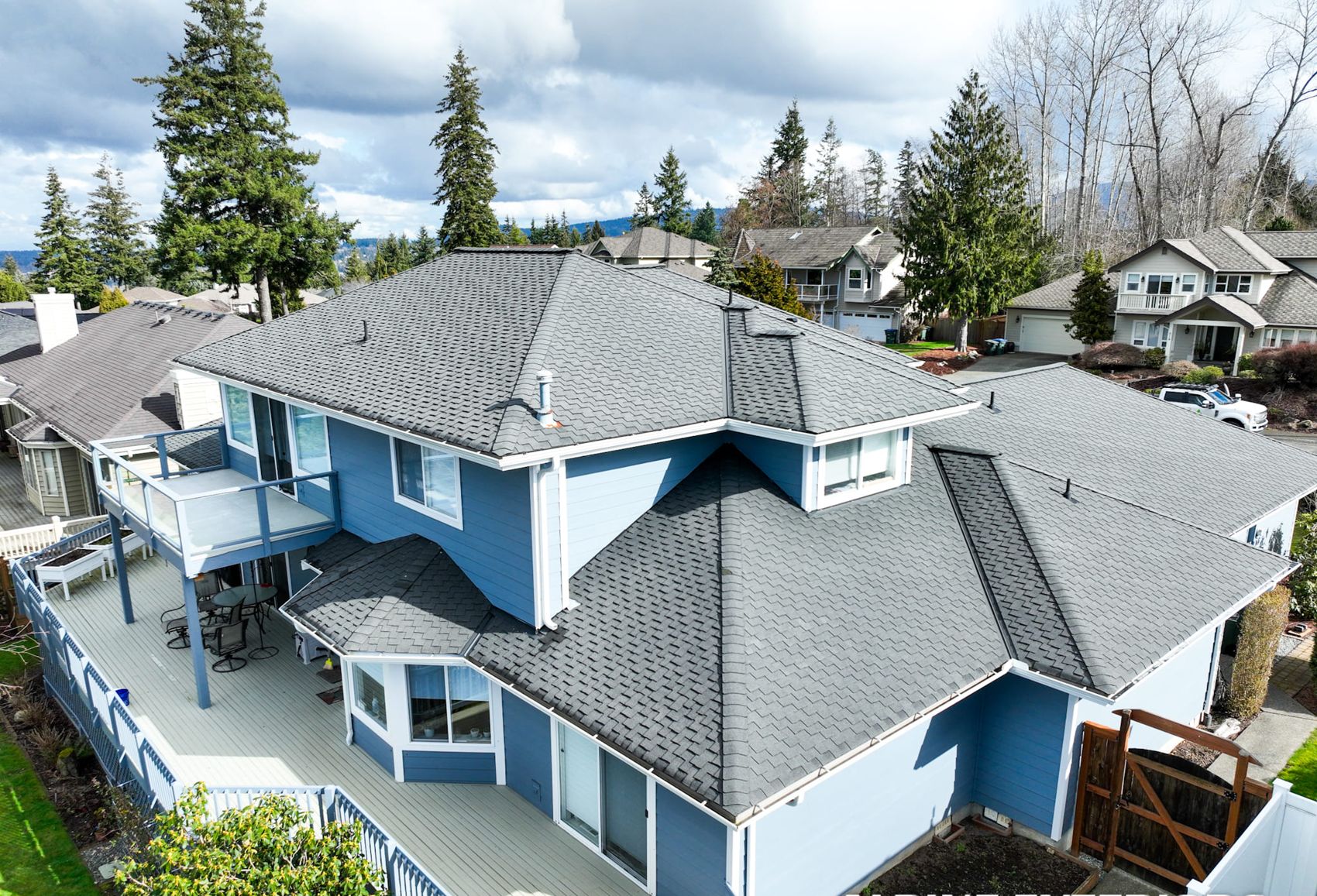
San Antonio is a quiet, mostly rural corner of Pasco County — ranchettes, older farmhouses, and newer subdivisions sitting between Dade City and Wesley Chapel. Homes here take a beating from a Florida climate that doesn't let up: months of high humidity, intense UV exposure, subterranean termites that don't care whether your siding is wood-backed or not, and tropical-storm-strength wind and wind-driven rain that test every seam and flashing detail. Replacing siding here isn't just a cosmetic project — it's a chance to correct moisture problems and bring the wall assembly up to current Florida Building Code wind and water-resistance requirements. This guide walks through what a siding replacement actually looks like from the first phone call to the final walkthrough, written for homeowners in San Antonio and the surrounding Pasco County communities Alpine Exteriors serves.
Most homeowners are surprised by how much of the calendar is consumed by things other than the actual installation. From signed contract to finished siding, a typical single-family home project in San Antonio runs somewhere between four and ten weeks, and the spread is almost entirely driven by permit review speed and material availability rather than labor. Measuring and finalizing material selections usually takes one to two weeks. Permit review through Pasco County can run anywhere from about a week to three weeks depending on current volume. Material lead time is the biggest variable: some vinyl products can be sourced in two to four weeks, while fiber cement in a specific color, plank width, or textured profile can take four to eight weeks to arrive from the manufacturer. The installation itself — tear-off through final trim — is usually the shortest phase of the whole project, typically three to ten working days for an average one-story home, longer for larger two-story homes or homes with extensive trim and gable detail. Summer months add a wrinkle: Florida's near-daily afternoon thunderstorm pattern from June through September can push a five-day install into seven or eight days simply because crews won't leave wall sheathing exposed with rain building on the radar.
Pasco County requires a building permit for almost any full siding replacement, because swapping the exterior wall covering means the new assembly has to meet Florida Building Code requirements for wind pressure resistance and water intrusion at a wall system that's directly exposed to hurricane-season wind loads. Every siding product installed on the job needs a current Florida Product Approval number, which documents that the specific panel, fastening pattern, and water-resistive barrier combination has been tested for the wind pressures Pasco County requires. Alpine Exteriors pulls the permit, references the correct product approval on the application, and schedules the required inspections — this isn't optional paperwork, it's what keeps the work insurable and sellable down the road.
If your property sits inside one of the newer platted subdivisions near San Antonio, Dade City, or Wesley Chapel with an active homeowners association, check the covenants before ordering material. Many HOAs require architectural review of siding color and style, and getting that sign-off after material has already shipped can mean re-ordering and losing weeks. Older, unincorporated San Antonio properties on larger acreage often have no HOA at all, so this step doesn't apply to everyone — but it's worth five minutes to confirm rather than assume.
On material lead times specifically: vinyl siding in common colors is often the fastest to source, while fiber cement products in premium colors, longer plank lengths, or non-standard reveals can take considerably longer, especially if the color needs to be factory-matched or field-painted to coordinate with existing trim. Ask for a written lead-time estimate before signing, and build in a buffer — a two-week delay from a manufacturer backorder is common and shouldn't derail your broader renovation plans if you've planned for it.
A siding replacement follows a fairly consistent sequence once crews are on site:
A little prep work on your end keeps the project moving and avoids surprises. Clear a three- to four-foot perimeter around the house — potted plants, patio furniture, wind chimes, grills, and AC unit covers should be moved so crews can work and so debris doesn't damage them. If shrubs or palms are touching the walls, trim them back before work starts; this isn't just for the crew's benefit, plants pressed against siding trap moisture and give termites and mold an easy path to the wall. Keep kids and pets away from the work zone during active hours, both for safety around ladders and pneumatic tools and because the noise can be startling. Expect exterior water spigots and dryer vents to be temporarily inaccessible while that section of wall is open. If your property has an irrigation system with heads that spray directly against the house, turn that zone off for the duration — freshly exposed sheathing and new siding both need to stay dry. Finally, plan for a delivery of material staged in the driveway or yard for a few days, and consider parking cars on the street if space is tight.
Pasco County typically requires at least one in-progress inspection — often to verify the moisture barrier and flashing details before they're covered by siding — plus a final inspection once the work is complete. These aren't formalities; they're the check that confirms the wall assembly was actually built to the code requirements the permit was issued under. Reputable crews sweep the yard and driveway daily for stray nails and cut-offs, which matters if you have kids, pets, or tires rolling through the driveway during the project. At the end of the job, all debris, packaging, and the dumpster or trailer should be hauled off, and you should walk the exterior with the foreman before signing off — checking for straight nail lines, tight seams, square corner miters, and clean caulk joints at every window and door. This walkthrough is your chance to flag anything before the crew leaves the site.
Alpine Exteriors backs its installation with a workmanship warranty separate from the manufacturer's product warranty on the siding itself, and it's worth understanding what each one actually covers before the crew leaves — workmanship warranties typically address installation defects, while product warranties address material failure like cracking, fading, or delamination. In this climate, a little routine care goes a long way toward getting the full service life out of new siding. Florida's humidity and intense UV promote algae and mildew growth on exterior surfaces, especially on shaded, north-facing walls or areas that don't get much direct sun and airflow. An occasional rinse with a garden hose and soft brush keeps growth from taking hold; avoid high-pressure washing, which can force water up and behind panels regardless of the siding material. After any significant storm, it's worth a quick visual check for lifted or cracked panels, loose trim, or displaced caulking, since even code-compliant installations can take a hit from debris impact in high wind. Caulk joints at trim and penetrations should be inspected periodically and refreshed as they age — UV exposure breaks down sealants faster here than in milder climates.
For a typical one-story single-family home, the on-site installation itself generally runs three to ten working days once material has arrived and the permit is in hand. Counting permit review and material lead time, most homeowners should plan on the full project taking four to ten weeks from signed contract to finished walls, with fiber cement in custom colors trending toward the longer end due to manufacturing and shipping time.
Yes, in nearly every case. Because siding is part of the exterior wall assembly that has to meet Florida Building Code wind pressure and water-resistance requirements, Pasco County requires a permit referencing the Florida Product Approval for the specific siding product being installed, along with at least one inspection during the project.
There isn't a single universal answer — vinyl, fiber cement, and other approved claddings each handle Florida conditions differently, and the right choice depends on your home's exposure, budget, and maintenance preferences. Fiber cement generally resists moisture and pests well but needs periodic caulk and paint upkeep; vinyl needs little maintenance but can fade over time under sustained UV exposure and has lower impact resistance than fiber cement. Alpine Exteriors can walk through the tradeoffs for your specific property during an assessment.
No. Siding replacement is exterior work, so most homeowners stay in the home throughout the project. Expect some noise from pneumatic nailers and temporary loss of access to exterior spigots or dryer vents on the section being worked, but interior living space isn't affected.
If your San Antonio home's siding is showing cracked panels, chalky fading, soft spots, or signs of moisture or termite damage at the base of the walls, it's worth having it looked at before those issues spread into the sheathing. Alpine Exteriors is a licensed Florida contractor (RB29003900) serving San Antonio and the surrounding Pasco County and Tampa Bay communities, including Wesley Chapel, Land O' Lakes, Zephyrhills, and New Port Richey. Reach out for an on-site assessment, a written estimate with a realistic cost range for your home's size and material choice, and a straight answer on what your walls actually need.