
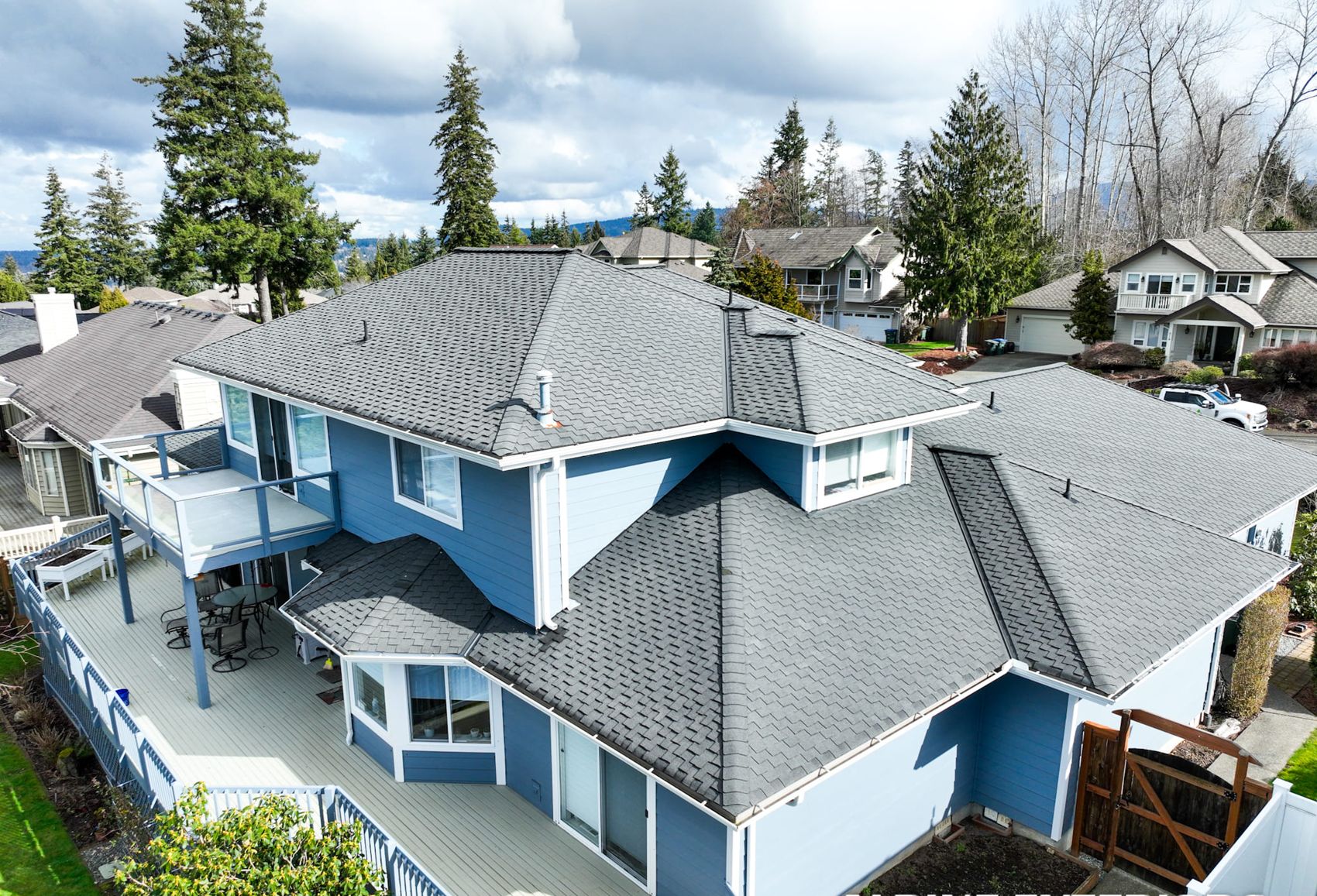
A full siding replacement in Zephyrhills is not a weekend project, and any contractor who promises otherwise is skipping steps that matter in Pasco County. Between the permit review, material lead times, and the actual installation, most single-family homes here run six to ten weeks from signed contract to final walkthrough. The installation itself — once crews are on site with material in hand — typically takes three to seven working days for an average-size home, longer for two-story homes, homes with a lot of trim and architectural detail, or homes where the sheathing underneath turns out to need repair. Alpine Exteriors gives homeowners a stage-by-stage schedule at contract signing rather than a single end date, because too many variables in a Florida job — afternoon thunderstorms, a permit reviewer with questions, a supplier backorder on a specific color — can shift a completion date by a week or two without anyone doing anything wrong.
It helps to think of the project in two phases: the paperwork and prep phase, which is mostly waiting, and the physical work phase, which is fast by comparison. Homeowners who understand that split going in tend to be far less frustrated by the schedule than those who assume the whole job is a matter of days.
Siding replacement in unincorporated Pasco County or within Zephyrhills city limits requires a building permit reviewed against the Florida Building Code. The permitting authority wants to confirm that whatever product goes on the wall carries a valid Florida Product Approval (or Miami-Dade NOA where applicable) rated for the wind pressures required in this part of the state. Pasco County sits in a hurricane-prone wind zone, and even homes well inland still have to meet a real wind-load requirement — this is not a coastal-only rule. Alpine Exteriors pulls the permit, submits the product approval documentation, and schedules the required inspections as part of the contract; homeowners should not need to interact with the county building department directly, though it is worth setting aside a little time in case the reviewer has a follow-up question about the specific product line.
If the home is in an HOA or a deed-restricted community, architectural review is a separate step from the county permit and often the slower of the two. HOA boards frequently meet monthly, and color or product changes can require a submittal package with samples and spec sheets. It is worth starting that conversation with the HOA the same week the contract is signed, not after, since waiting on an HOA meeting date is one of the most common reasons a project's start date slips.
Material lead time is the other major variable. Standard vinyl siding profiles in common colors are often available in a few weeks; fiber cement siding, specialty colors, and certain trim or soffit profiles can run considerably longer, especially when a manufacturer is behind on a popular color run. Alpine Exteriors orders material as soon as the permit is submitted rather than waiting on approval, so the two clocks run in parallel instead of stacking end to end.
| Stage | Typical duration |
|---|---|
| Contract, measurements, product selection | 1–2 weeks |
| Permit submittal and HOA review (if applicable) | 2–5 weeks |
| Material ordering and delivery | 2–6 weeks, runs alongside permitting |
| Tear-off, sheathing repair, house wrap | 1–2 days |
| Siding, trim, and flashing installation | 2–5 days |
| Final inspection and walkthrough | 1 day, scheduled after county sign-off |
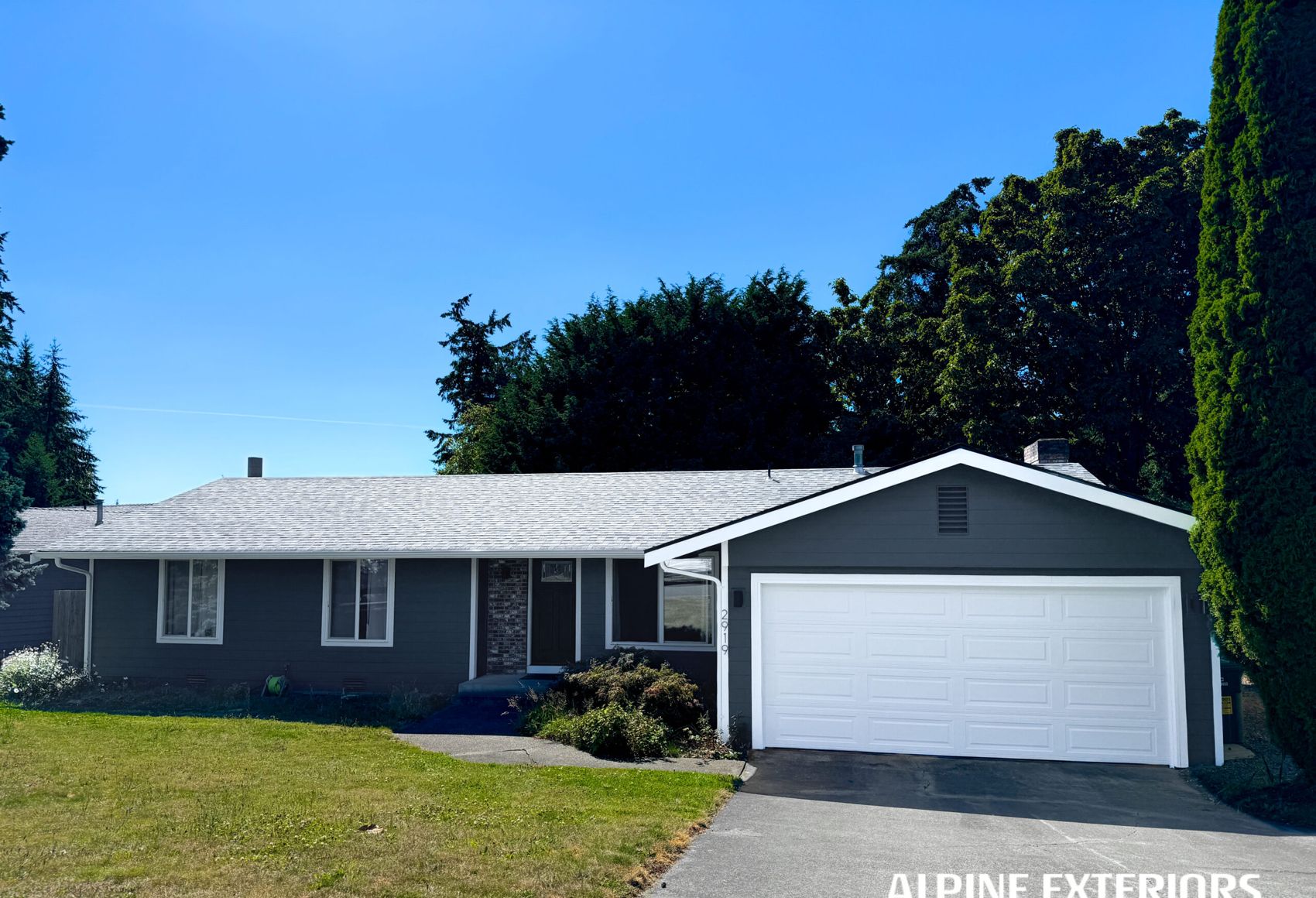
Once the permit is issued and material has arrived, the physical work follows a fairly consistent order. First is protection and staging: crews lay down tarps and plywood along planting beds, walkways, and the driveway, and relocate anything breakable close to the house — hose reels, potted plants, wall-mounted lighting fixtures, and window screens are typically removed by the crew before tear-off begins.
Second is tear-off. The old siding comes off in sections, not all at once, so the house is never left fully exposed to an afternoon storm overnight. As sheathing is exposed, the crew checks it for water damage, soft spots, or termite activity — subterranean termites are common enough in this part of Florida that finding some evidence of past activity is not unusual, and any compromised sheathing gets identified and priced as a change order before new material goes over it, rather than being covered up.
Third is the water-resistive barrier. A new house wrap or building paper goes over the sheathing, with all seams, penetrations, and window and door openings flashed and taped. This layer is what actually stops wind-driven rain from reaching the framing during a tropical storm or hurricane-adjacent weather event, and it matters more in Florida than in almost any other climate — a siding job that skips proper flashing at windows and penetrations is the single most common cause of hidden water intrusion and mold growth behind new siding.
Fourth is the siding installation itself, working from the bottom up, with attention to the manufacturer's specified nailing pattern and fastener spacing — this is what the wind rating on the Florida Product Approval actually depends on, not just the material choice. Trim, corner posts, and J-channel go in alongside the field material rather than as an afterthought. Fifth is the detail work: soffit and fascia where included in the scope, caulking at transitions, and touch-up around fixtures and vents that were removed and reinstalled.
A few days before crews arrive, it helps to trim back shrubs and tree limbs within a few feet of the exterior walls so there is clear working room on all sides of the house. Move vehicles out of the driveway and immediate work area, since material staging and scaffolding will need that space during the install. Anything hanging on exterior walls — house numbers, mailboxes mounted to siding, decorative shutters, string lights — should come down ahead of time if it is not something the crew was told to handle.
Inside the house, expect noise and vibration during tear-off and nailing, particularly on walls where bedrooms or home offices back up to the exterior. It is worth taking pictures and any wall-mounted décor down on interior walls that share a stud line with exterior work, and giving pets a quieter room away from the work zone for the days crews are on site. Irrigation systems with heads near the foundation should be noted for the crew, or shut off during active work, so they are not accidentally triggered near open walls.
Florida Building Code permits typically require at least one inspection during the process — often after the water-resistive barrier and flashing are installed but before siding covers them, since that is the layer an inspector cannot verify once it is buried — plus a final inspection once the work is complete. Alpine Exteriors schedules these with the county and is present for both; the homeowner does not need to coordinate directly with the inspector unless they choose to be there.
Daily cleanup during the job includes magnetic sweeps for nails and staples across the yard and driveway, since even a careful crew drops fasteners, and a stray nail in a driveway or a bare foot is a real hazard. At the end of the project, expect a full cleanup pass: removal of the old siding and packaging waste, a final magnetic sweep, and replacement of anything moved during staging, such as potted plants and hose reels, back to roughly where they started.
The final walkthrough is done with the homeowner, going wall by wall to check trim lines, caulking, color consistency, and that every fixture and vent cover was reinstalled correctly. This is the right time to flag anything that does not look right — a slightly uneven J-channel, a caulk line that needs cleaning up — before final payment and before the punch list is closed out.
New siding in this climate does best with a light rinse a few times a year to clear pollen, mildew film, and airborne dust that builds up fast under Florida humidity and UV exposure; a garden hose and soft brush is usually enough, and homeowners should avoid pressure washing directly into seams or up under panels, which can force water behind the material. It is worth doing a visual check after any significant storm — looking for lifted panels, loose trim, or gaps at flashing — rather than waiting for the next scheduled maintenance pass, since wind-driven rain finds small openings quickly.
Alpine Exteriors provides a workmanship warranty on the installation, separate from the manufacturer's product warranty on the siding material itself, and reviews both documents with the homeowner at closeout so it is clear what is covered by whom. Manufacturer warranties on siding sold in Florida are generally prorated over time and can have specific exclusions around impact damage or improper maintenance, so it is worth actually reading the warranty paperwork rather than filing it away unopened.
New siding by itself is not one of the factors typically evaluated on the wind mitigation inspection form insurers use for premium discounts in Florida, since that form focuses primarily on roof shape, roof deck attachment, and opening protection. Where siding replacement can matter is indirectly — if the project also involves work on soffits, attachments, or other elements an adjuster or inspector reviews. Homeowners curious about a rate change should ask their insurance agent directly rather than assume the siding job alone triggers a discount.
In most cases, yes. Once the water-resistive barrier is up and the house is weather-protected, exterior work does not require the homeowner to be present, and Alpine Exteriors can proceed on the agreed schedule with check-ins by phone or text. It is worth being reachable for the pre-tear-off walkthrough and the final inspection day, since those are the two points where decisions or sign-off are most likely to come up.
This is priced as a change order rather than absorbed into the original contract, since the scope and cost depend entirely on how much sheathing needs replacing and how far the damage extends. Alpine Exteriors documents any damage with photos before covering it and reviews the repair cost with the homeowner before proceeding, so there are no surprises on the final invoice. Homes with a known history of moisture intrusion or a prior termite treatment are more likely to see at least some sheathing repair.
No — the inspection is between the county inspector and the permit holder of record, and Alpine Exteriors coordinates and attends these directly as part of the contracted scope. Homeowners are welcome to be present if they want to see the process, but it is not required, and the project schedule does not depend on the homeowner's availability for inspection dates.
If you're weighing a siding replacement in Zephyrhills or anywhere else in Pasco County, Alpine Exteriors can walk your home, talk through material options rated for Florida wind loads, and give you a realistic timeline before any contract is signed. Contact Alpine Exteriors, FL license RB29003900, to schedule a walkthrough and get a written estimate for your home.