
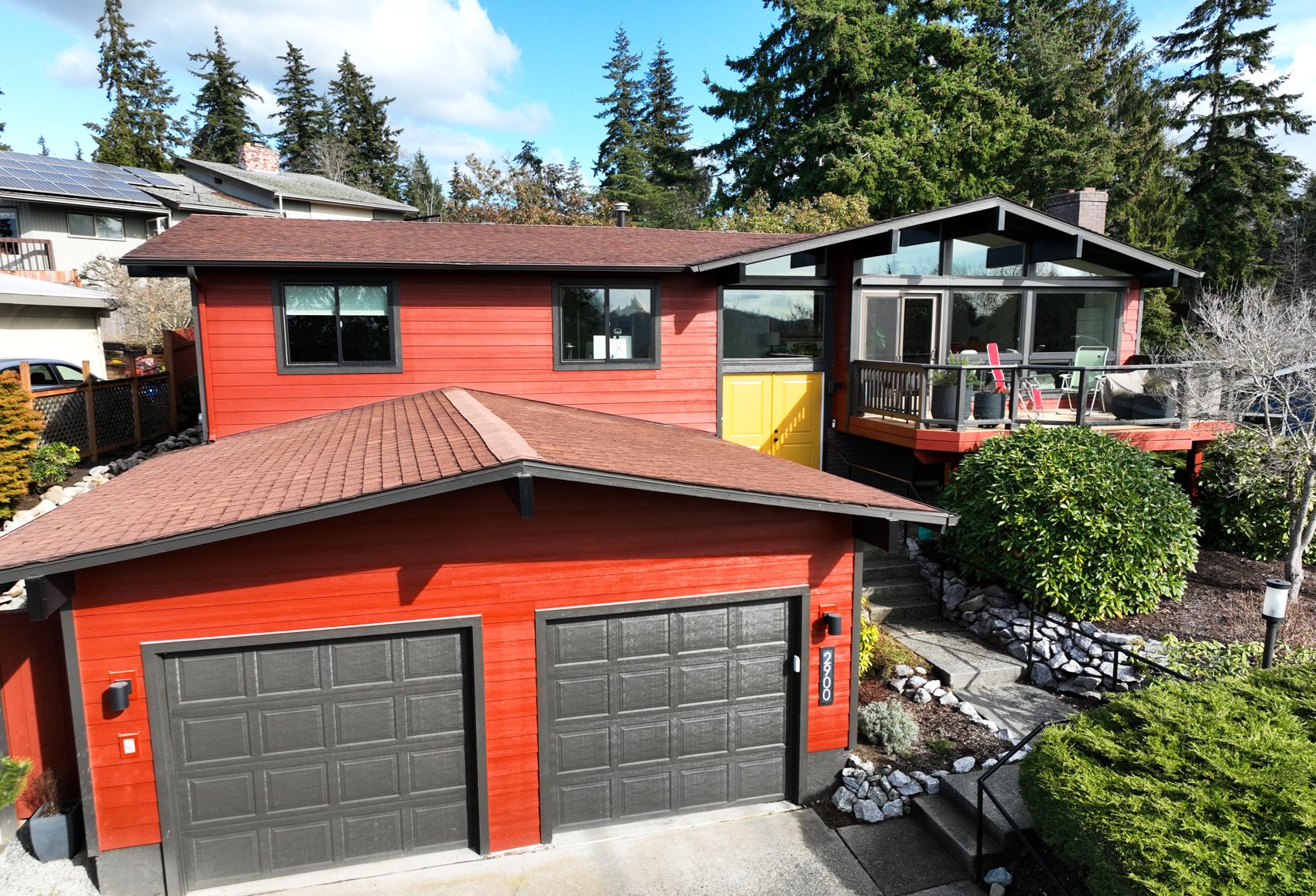
Hudson sits on the west side of Pasco County, close enough to the Gulf of Mexico that salt-laden air, high humidity, and intense summer UV all take a toll on exterior building materials faster than they would further inland. A lot of the housing stock in Hudson and the surrounding communities dates to the 1970s through the 1990s, and a good share of those homes still carry their original aluminum, wood, or first-generation vinyl siding. By the time a homeowner calls a contractor, that siding has usually been fading, chalking, or letting moisture behind the wall for years.
A realistic timeline has two parts: the lead-up and the install itself. Once a contract is signed, most projects take roughly four to eight weeks before a crew ever shows up, mostly waiting on permit approval and material delivery. The physical tear-off and re-side on an average single-family home in Hudson typically runs three to seven working days, depending on square footage, the number of corners and window openings, and whether trim, fascia, or soffit repair is bundled into the job. Larger homes, homes with extensive hidden rot, or jobs that add insulated underlayment will run longer. Weather is a factor too — a wet, unsettled stretch in summer can push a seven-day job to ten or eleven, since wall sheathing cannot be left exposed ahead of a storm.
Pasco County requires a building permit for siding replacement, and for good reason. Re-siding exposes the sheathing and house wrap, which is the point in the process where wind resistance and water management actually get built into the wall. Any product installed has to meet the wind-load provisions of the Florida Building Code for the site's wind zone, and the specific siding profile has to carry a valid Florida Product Approval, or an accepted Miami-Dade County Notice of Acceptance, rated for that pressure. A licensed contractor pulls the permit, makes sure the plans reflect the correct fastening schedule for the product, and schedules the required inspections — this is not paperwork to skip.
If the home sits in a deed-restricted community — and several neighborhoods around Hudson do have architectural review committees — color and material approval needs to happen before the permit is finalized. That review can take anywhere from two to four weeks depending on how often the committee meets, so it is worth submitting the request the same week the contract is signed rather than waiting.
Material lead time is the other variable that catches homeowners off guard. Hurricane-rated vinyl siding in a standard color is often available within two to three weeks. Fiber cement products, specialty colors, board-and-batten profiles, or anything requiring a custom order can run four to six weeks or longer, especially right after hurricane season when regional demand spikes. Building that lead time into expectations up front avoids the frustration of a signed contract with no visible progress for a month.
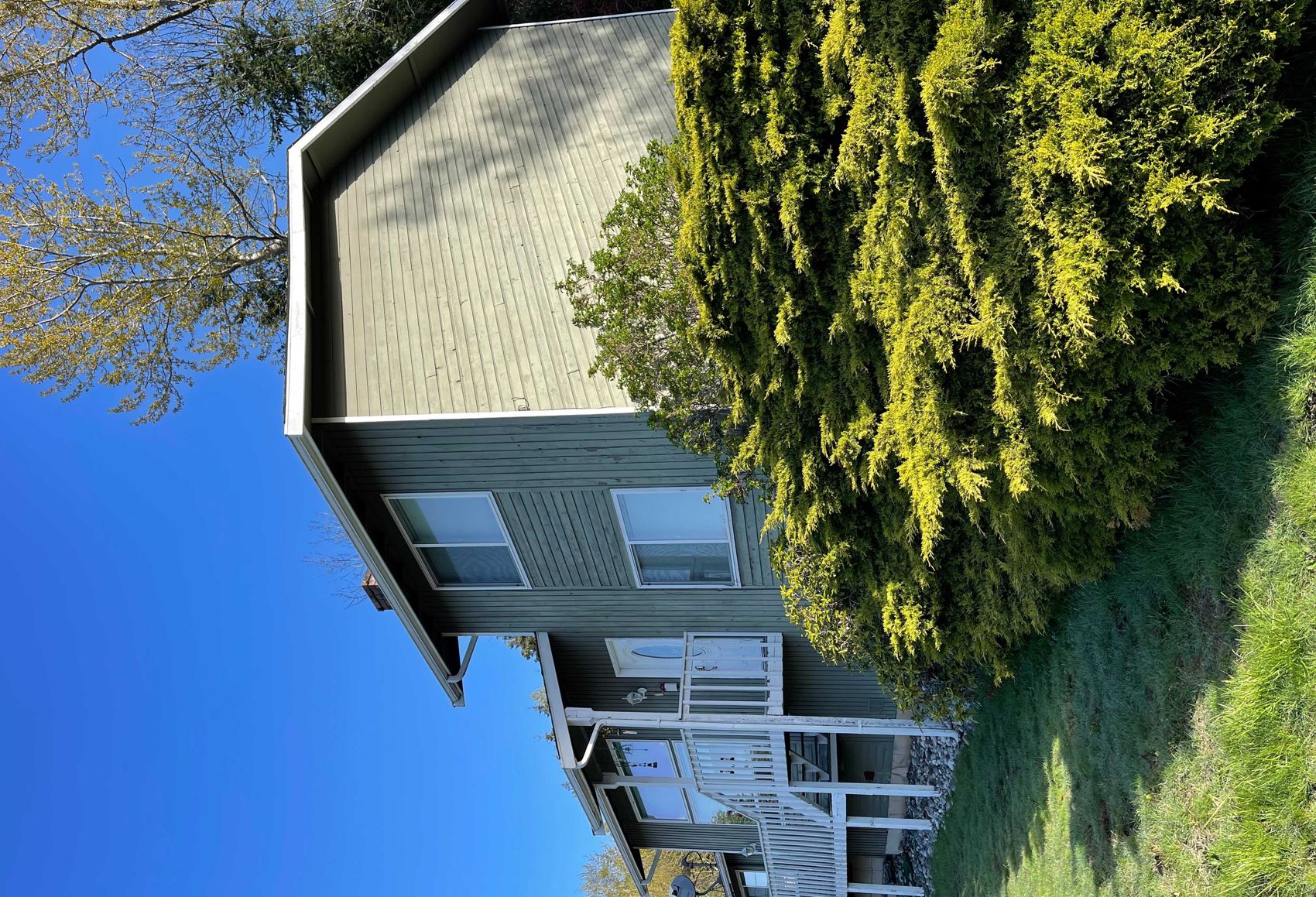
The first stage is a pre-construction walk-through, where the crew confirms measurements, color selection, and where material will be staged on the property. Materials typically arrive and are stored on-site, tarped and secured, a few days before work begins.
Next comes removal of the existing siding. This is also the point where problems that were hidden for years become visible — soft or delaminated sheathing, evidence of past leaks around windows, or termite damage in the framing. Subterranean termite pressure is significant throughout this part of Florida, and it is not unusual to find some degree of insect or moisture damage behind older siding, particularly around window sills, bottom plates, and anywhere caulking had failed. If damage is found, it needs to be repaired, or the affected wood replaced, before anything new goes up. This is one of the most common reasons a project's price or timeline shifts once work is underway, and homeowners deserve a clear explanation and photos before that work proceeds.
With the wall opened up, the crew installs a new weather-resistant barrier and corrects flashing details around windows, doors, and any wall penetrations. This step matters more here than in most parts of the country — wind-driven rain during tropical storms and hurricanes does not just fall straight down, it gets forced sideways and even upward under eaves and around openings, so flashing and the drainage plane behind the siding are what actually keep water out of the wall assembly, not the siding surface alone.
New siding then goes up according to the manufacturer's fastening schedule for the wind pressure rating that applies to the address — nail type, spacing, and embedment depth are all specified for a reason, and installing siding with the wrong fastening pattern can void the product's wind-load rating even if it looks correct. Corner posts, J-channel, and trim follow, along with any soffit or fascia work that was scoped into the job.
A few days before the crew arrives, it helps to clear a perimeter around the house — move vehicles, patio furniture, grills, and potted plants away from the walls, and trim back shrubs or irrigation heads that sit close to the siding. Anything mounted to the exterior walls within a few feet of the ground, such as address numbers, low-voltage lighting, or security cameras, should be removed or flagged so it is not damaged or reinstalled crooked. Pets should be kept indoors or off-site during work hours, since gates may need to stay open for material access and there will be nail guns, ladders, and debris around the yard.
It is worth knowing the job is noisy and dusty for its duration — old siding coming off generates real debris, and windows near the work area are better left closed. Homeowners should also flag anything unusual about the exterior, since that history helps the crew know where to look closer during tear-off.
Depending on scope, Pasco County may require an inspection partway through the job, before the new siding covers the house wrap and flashing, in addition to a final inspection once everything is complete. A contractor who schedules these proactively, rather than treating them as an afterthought, is doing the job the way the code intends. Once installation wraps, the crew should do a magnetic sweep of the yard for stray nails and screws, remove packaging and old siding debris, and leave gutters and downspouts clear of construction dust.
The final walkthrough is the homeowner's chance to compare the finished work against the contract and the color or profile sample that was approved, checking caulking lines, corner trim, and that any relocated fixtures were reinstalled properly. A punch list for anything that needs adjustment should be resolved before final payment, not after.
New siding in this climate needs a small amount of ongoing attention, not because it is fragile, but because sun, humidity, and salt air are genuinely hard on exterior materials over time. Rinsing the siding periodically with a garden hose helps clear salt residue and airborne grime before it builds up, and it is worth checking caulking at trim and window edges once a year, since UV exposure breaks down sealants faster here than in milder climates. Irrigation heads that spray directly onto the wall should be adjusted, since repeated wetting in one spot can cause mineral staining or, over years, contribute to moisture problems at that location. Fiber cement siding should be checked occasionally for pest activity, since woodpeckers can peck at trim in some neighborhoods.
Material warranties are typically prorated and come from the manufacturer, separate from the workmanship warranty a contractor provides on the installation itself; homeowners should keep both documents together with the product and color information for future reference. It is also worth knowing that after a full siding replacement with code-compliant, wind-rated materials, an updated wind mitigation inspection using the state's OIR-B1-1802 form can sometimes be worth requesting from an insurance agent. It will not guarantee a lower premium, since insurers weigh many factors, but it gives the carrier current, accurate information about the exterior instead of assumptions based on the home's age.
Alpine Exteriors, licensed in Florida under RB29003900, has walked homeowners through this process across Tampa Bay, including Hudson and the rest of west Pasco County, and treats the permitting and inspection steps as part of the job rather than a hurdle to work around.
In nearly all cases, yes. Pasco County requires a building permit for siding replacement because the work exposes the sheathing and weather barrier and involves fastening new material in a way that has to meet Florida Building Code wind-load requirements for the property's location. A licensed contractor pulls this permit and schedules the required inspections as a normal part of the project.
Most homeowners should expect somewhere between six and ten weeks from a signed contract to a completed installation, though the on-site work itself is usually just three to seven days. The gap is mostly permit processing and material lead time, which stretches further if the home is in an HOA that requires architectural approval or if a specialty color or profile is ordered.
It may help, but there is no guaranteed outcome. New, code-compliant siding installed to current wind-load standards can be reflected on an updated wind mitigation inspection using the state's OIR-B1-1802 form, which gives an insurer more accurate information about the home. Whether that changes a premium depends on the carrier and the rest of the home's risk factors, so it should be treated as a possible benefit, not a promised discount.
There is no single right answer, since vinyl, fiber cement, and other Florida Product Approved materials all perform differently on cost, maintenance, and appearance. In general, homeowners closer to open water or canals tend to lean toward materials with strong fade and moisture resistance, while those further inland have more flexibility. A contractor familiar with the specific street and its exposure can usually give a more useful recommendation than a generic material comparison.
Homeowners in Hudson who are dealing with siding that is cracking, fading, or letting moisture into the wall behind it can reach out to Alpine Exteriors for a walk-through of the home, an honest assessment of what is actually happening behind the existing siding, and a written estimate that spells out material, timeline, and permit steps before any contract is signed.