
For most homes in Dover and the surrounding eastern Hillsborough County countryside, James Hardie fiber cement siding is the stronger long-term match for our climate — dense construction with high humidity, intense sun, and hurricane-season wind and rain that reach well inland from Tampa Bay. Vinyl siding remains a legitimate choice for homeowners working with a tighter renovation budget, a rental or investment property, or a home that is shaded enough and set back far enough from open exposure that its lighter-duty performance is less of a liability. Neither product is wrong; the right one depends on how long you plan to own the home, how exposed the walls are to sun and storm wind, and whether you would rather pay more upfront or spend less now and expect a shorter service life.
James Hardie fiber cement is manufactured from a mix of Portland cement, sand, and cellulose fibers, pressed and cured into planks, panels, and trim boards. Because it is essentially engineered masonry rather than wood or plastic, it does not rot, it is not a food source for termites or other wood-boring insects, and it holds up to Dover's combination of high humidity and hard afternoon sun without softening, cupping, or delaminating the way lower-grade composite sidings can over time. Hardie's lap siding, panel siding, and trim products carry Florida Product Approval, meaning they have been tested and rated for the wind pressures the Florida Building Code requires in this part of Hillsborough County — important both for passing inspection on a re-side permit and for holding up when a tropical system's outer bands push wind-driven rain sideways into the wall assembly.
The trade-offs are real. Fiber cement is heavy, so it costs more to ship and install, and it has to be cut with equipment suited to fiber cement — a rushed or under-equipped install can leave dust and rough cut edges that show through paint later. It also has to be painted, either as Hardie's factory-applied ColorPlus finish or field-painted after install, so while it will not rot, it still needs caulk inspection and repainting on a normal schedule to keep water out of the seams. And it simply costs more up front than vinyl, in both material and labor.
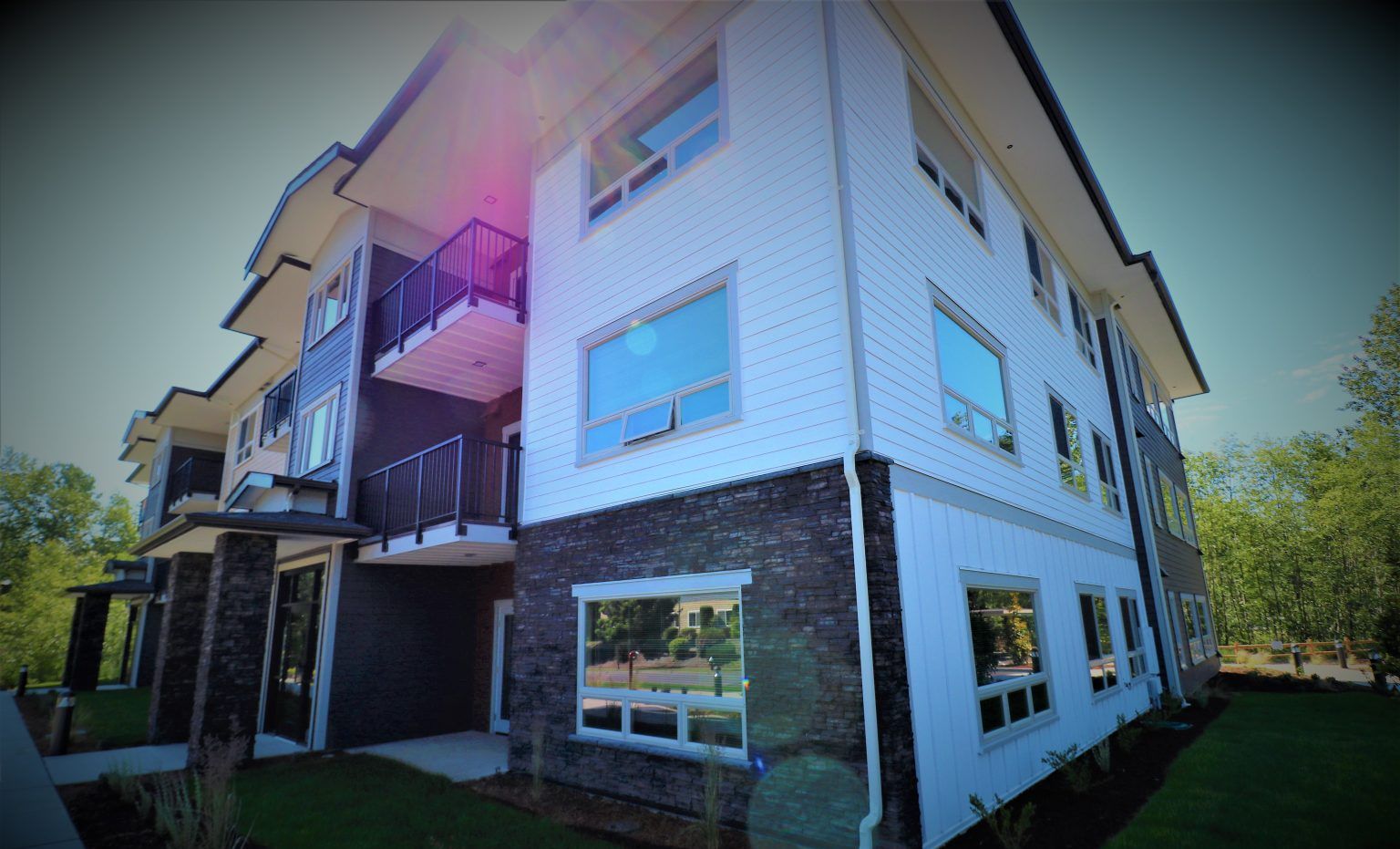
Vinyl siding is an extruded PVC panel that locks together in overlapping courses. It is lightweight, comes pre-colored so there is no painting, costs less to buy and install than fiber cement, and modern vinyl profiles do a better job of mimicking traditional lap and shake looks than the vinyl of twenty years ago. For a Dover home that is well shaded by mature oaks, set back from open field wind exposure, or being resided on a tighter budget — a rental, a flip, a starter home — vinyl is a reasonable, defensible choice.
Where it struggles in our climate is worth being honest about. Standard vinyl can soften and distort under prolonged direct summer heat, especially darker colors that absorb more solar energy — a real concern on west- and south-facing walls that take the full afternoon sun here. It is also more vulnerable to wind than most homeowners assume. Under-fastened vinyl, or a lower-rated product, can crack, oil-can, or blow off panels in sustained high wind and gusts, which is why the installer's fastening schedule and the product's own Florida Product Approval both matter — cheap vinyl installed to a minimal nailing pattern is the version that fails first in a storm, not vinyl siding as a category. Vinyl also cannot be meaningfully repainted if it fades or you want a different color later without a full re-side, and impact damage from storm debris usually means replacing the whole panel, since color-matching an older, sun-faded run is difficult.
| James Hardie Fiber Cement | Vinyl Siding | |
|---|---|---|
| Installed cost | Generally higher — heavier material, specialized cutting tools, and more labor time per square | Generally lower — lighter, faster to install, widely available |
| Typical lifespan | Often 30-plus years with normal caulk and paint upkeep; Hardie backs its products with a long manufacturer's warranty | Often 20 to 30 years, shorter in unshaded, full-heat exposures |
| Maintenance | Periodic caulk inspection and repainting on a normal cycle; longer between paint jobs with factory ColorPlus finish | Occasional washing, no painting, but cracked or faded panels are hard to spot-repair invisibly |
| Appearance | Crisp shadow lines, convincing wood-grain and shake textures, wide color and trim selection | Improved depth versus older vinyl, but can still read as plastic up close, especially in bright direct sun |
Dover sits inland, in the agricultural belt of eastern Hillsborough County near Plant City — it is not a bayfront or barrier-island community, so the salt-air corrosion that matters for our coastal customers closer to Tampa Bay and the Gulf beaches is not a significant factor here. What does still apply everywhere in this county, Dover included, is the Florida Building Code's wind-pressure and product-approval requirements, hurricane season's wind-driven rain, high ambient humidity, and intense subtropical UV for most of the year. Dover's humidity is arguably a touch more noticeable than in nearby suburban areas because of the strawberry fields' overhead frost-protection irrigation, which keeps local air moisture elevated on cold mornings during growing season. Termite pressure from subterranean termites is a statewide baseline rather than something unique to Dover, but it is still worth noting that neither fiber cement nor vinyl siding is itself a food source — the exposure that matters is wood trim, fascia, or furring behind either product if it is not properly treated and flashed.
Given those conditions, Alpine Exteriors generally recommends James Hardie fiber cement for full re-sides on homes that will stay in the family for a decade or more, especially on west- and south-facing walls that take the hardest sun, and on any home on an open, less-shaded lot where wind exposure during a tropical system is a real consideration. The higher upfront cost is offset by not having to worry about heat-distorted panels on the sunny side of the house or under-built vinyl failing in a wind event, and a well-detailed Hardie installation with proper Florida Product Approval documentation fits naturally into the broader storm-readiness file homeowners keep for insurance purposes alongside their roof's OIR-B1-1802 wind mitigation inspection.
Vinyl still earns its place for Dover homeowners who are shading a good share of the exposed wall area with mature trees, who are working within a firm budget on an older farmhouse or rental property, or who plan to sell within a handful of years and do not need to amortize the siding's cost over decades. It is a legitimate, code-compliant option in this climate when it is a quality product installed to the correct fastening schedule — the mistake to avoid is treating "vinyl" as one product; the gap between a properly rated, correctly installed vinyl job and a bargain one is large in a place that sees both hard sun and hurricane wind most years.
Somewhat. Dover does not face the salt-air corrosion that homes closer to Tampa Bay or the Gulf beaches deal with, so that particular argument for fiber cement's more corrosion-resistant fasteners and trim carries less weight here. What does not change is the Florida Building Code's wind and product-approval requirements, hurricane-season wind-driven rain, and the region's humidity and UV exposure — all of which still favor fiber cement for full-sun, open-exposure homes regardless of how close you are to the water.
Standard vinyl can soften and distort under sustained, direct heat load, and it is a documented issue with darker colors on west- and south-facing walls that take the most afternoon sun, sometimes made worse by nearby windows reflecting concentrated sunlight onto a wall. It is not a certainty on every home, but it is a real risk that lighter colors, more shading, and a better-quality product reduce, and it is worth walking your specific lot's sun exposure with your contractor before committing to a color and product.
Yes. Both James Hardie fiber cement and vinyl siding have to be installed under a Florida Product Approval covering wind-pressure resistance, and that approval specifies fastener type, spacing, and embedment — it is not optional or a one-size-fits-all nailing pattern. This matters more in Hillsborough County than in milder climates because under-fastened siding, vinyl in particular, is the version that fails first when a tropical system's wind field moves through.
Siding itself generally is not scored on the OIR-B1-1802 wind mitigation inspection form the way your roof shape, roof deck attachment, and roof-to-wall connections are, so do not expect a new siding job alone to move your wind mitigation credit. That said, a correctly installed, code-compliant siding job is part of the broader picture insurers and inspectors look at for overall storm readiness, and it is worth keeping your permit and Florida Product Approval paperwork on file alongside your wind mitigation report.
If you are weighing James Hardie fiber cement against vinyl for a home in Dover, Plant City, or anywhere else in eastern Hillsborough County, Alpine Exteriors (FL contractor license RB29003900) can walk your specific walls, sun exposure, and budget before you commit either way. Contact Alpine Exteriors for a siding consultation and a written estimate that spells out material, fastening schedule, and Florida Product Approval documentation for whichever siding ends up being the right fit for your home.