
Homeowners in Trinity replacing siding usually narrow the choice down to two materials: James Hardie fiber cement and vinyl. Both are sold and installed throughout Pasco County, both show up on new-construction homes in Trinity's newer subdivisions, and both can pass Florida Building Code wind-load review when installed correctly. Past that, they behave very differently once a Gulf-season storm rolls through, once August humidity sets in, and once the siding is fifteen years old. This page walks through both products on their own terms, then compares them head-to-head so you can make a decision based on how your specific house sits, not on a sales pitch.
If you're staying in the home long-term, want the widest range of Florida Product Approval-rated wind ratings to choose from, or you're re-siding after storm damage and want a material that shrugs off moisture and won't feed termites, James Hardie fiber cement is generally the better fit for Trinity. If you're working with a tighter budget, want the fastest install timeline, or you're prepping a rental or a home you plan to sell within the next several years, vinyl siding — specifically a thicker, higher-wind-rated vinyl profile — is a reasonable and honest choice. Neither material is wrong for this climate; they're suited to different priorities, and the right answer depends on your budget, your timeline for owning the house, and how much maintenance you want to do.
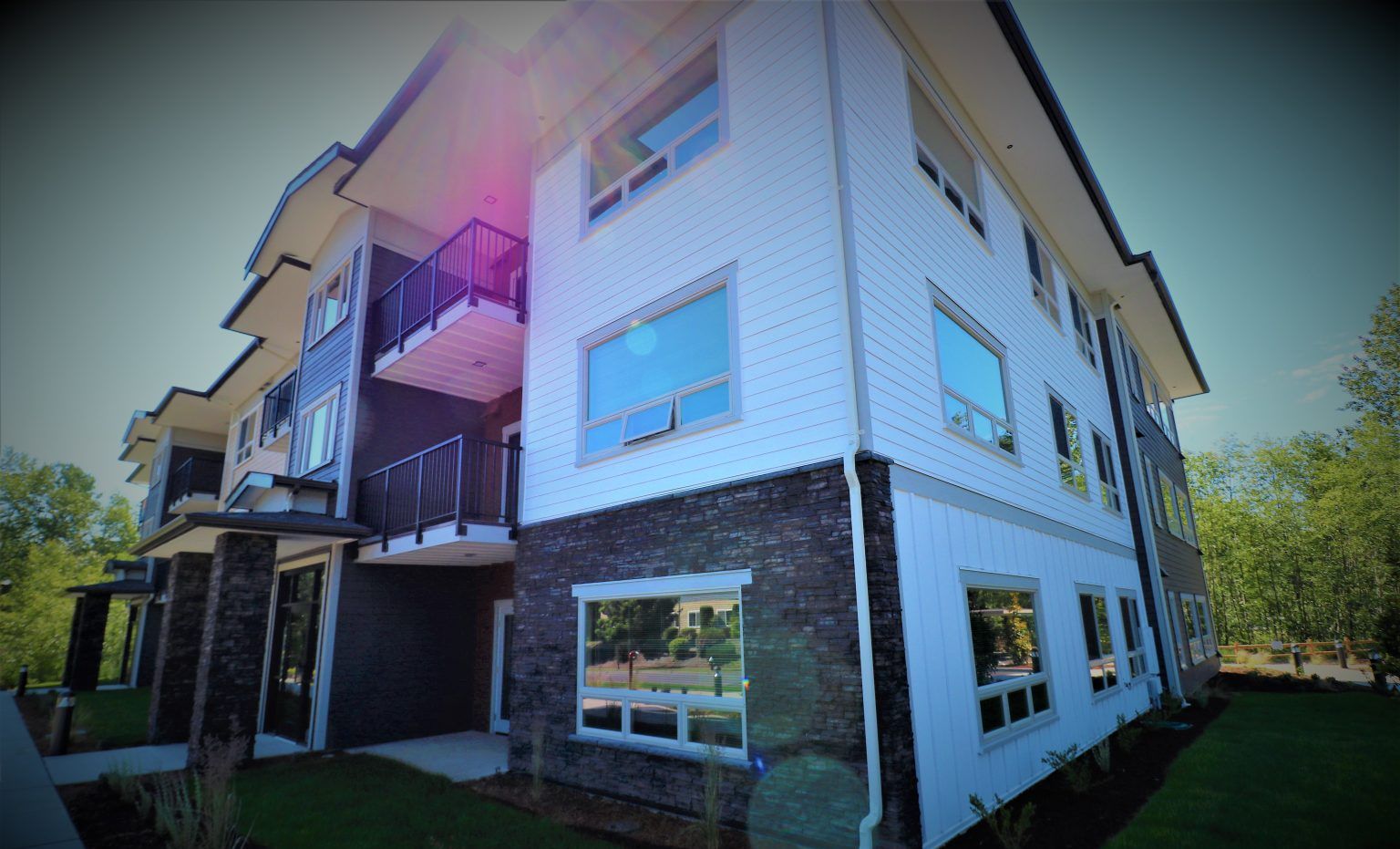
James Hardie siding is made from a blend of cement, sand, and cellulose fiber, cured into rigid planks or panels. Because it's an inorganic material at its core, it doesn't absorb moisture the way wood does, it isn't a food source for subterranean termites (a real and common pest across Pasco County), and it holds up to the intense, near year-round UV exposure Trinity gets without the plastic-like chalking that shows up on lower-grade siding after a decade in the Florida sun. Hardie's factory-applied ColorPlus finish is baked on and warranted against fading, which matters here because color retention is one of the first things to go under Florida sun exposure.
Fiber cement products carry their own Florida Product Approval numbers and are tested to specific wind pressure ratings, so an installer can select a profile and fastening schedule that's engineered for your home's exposure category under the Florida Building Code. Fiber cement is also non-combustible, which some insurers factor into homeowner's policy pricing, though the effect on your premium varies by carrier and should be confirmed with your agent rather than assumed.
The tradeoffs are real. Fiber cement is heavy — a full pallet is dramatically heavier than the equivalent vinyl — which means installation takes longer, requires more labor, and should be done by a crew that has actually hung Hardie before, not a general contractor doing it as a side skill. It has to be painted (ColorPlus panels come pre-finished, but field-cut edges and any repainting down the road require the correct primer and paint) and it costs more upfront than vinyl, sometimes substantially more depending on the profile and trim package chosen.
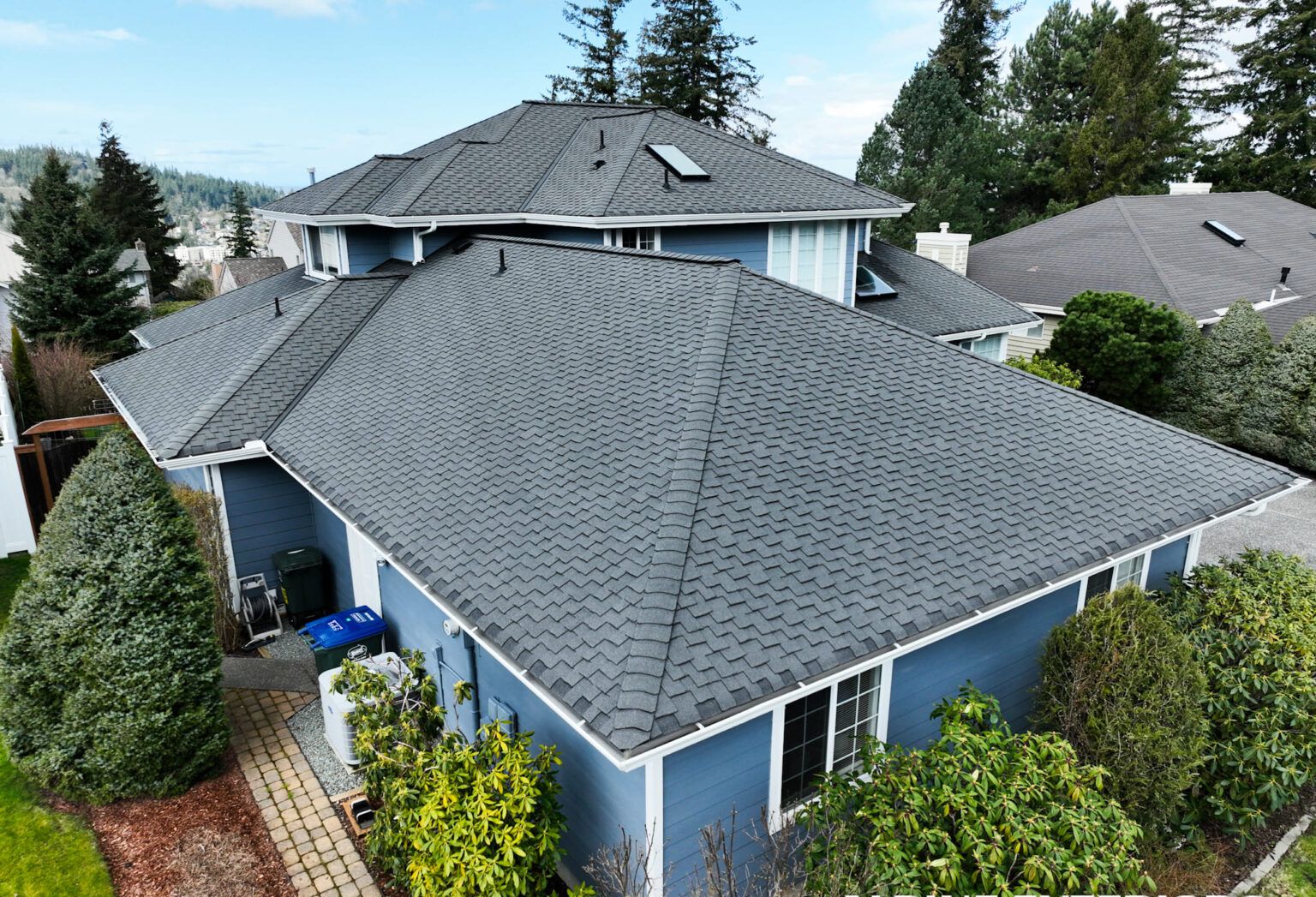
Vinyl siding is an extruded PVC panel, typically installed in horizontal lap profiles, and it remains the most common re-siding material nationally because it's inexpensive relative to fiber cement, installs quickly, and needs essentially no painting. Modern vinyl sold for Florida markets comes in a range of thicknesses and wind ratings, and the better manufacturers publish Florida Product Approval documentation showing tested wind pressure resistance for specific profiles — this is the number that actually matters here, not the marketing name on the box. A thin, low-mil vinyl panel rated for a mild climate is not the same product as a thicker, storm-rated vinyl panel engineered for Gulf Coast wind exposure, and the price difference between the two is often smaller than homeowners expect.
Vinyl's real weaknesses in this climate show up over time rather than on day one. It expands and contracts more than fiber cement as temperatures swing between a humid 95-degree afternoon and a cooler evening, so panels have to be installed with the correct nailing slack or they'll buckle. Under sustained, intense UV exposure, vinyl gradually fades and can become brittle after a decade or more, particularly in darker colors that absorb more heat. During wind-driven rain — the kind that arrives sideways during a tropical system, not just a straight-down summer thunderstorm — vinyl's overlapping panel seams are more dependent on correct installation and a sound weather-resistive barrier underneath to keep water from working its way behind the siding. None of that makes vinyl a bad product; it makes correct installation and product selection more important than the marketing on the label.
| Factor | James Hardie Fiber Cement | Vinyl Siding |
|---|---|---|
| Upfront cost | Higher — expect a meaningfully larger material and labor budget, more so with trim and soffit work | Lower — generally the most budget-friendly full re-side option, higher for storm-rated thick-mil profiles |
| Typical service life | Multiple decades with proper installation; the cement core doesn't rot or feed pests | Multiple decades is achievable with a quality, correctly rated product, though color and rigidity degrade with sustained UV exposure over time |
| Maintenance | Occasional washing; repainting eventually needed on field cuts or if the finish is refreshed | Occasional washing; no painting required, but cracked or faded panels usually need full-panel replacement since color-matching aged vinyl is difficult |
| Appearance over time | Holds color and a wood-grain or smooth finish well; factory finish resists fading | Can fade, especially darker colors, and lower-grade panels may show waviness after years of thermal cycling |
Trinity sits inland from the immediate Gulf shoreline but is still squarely within the wind-exposed part of Pasco County, and any siding installed here has to be selected and fastened according to the wind pressure requirements in the Florida Building Code for your home's specific wind zone. That's true whether you go with fiber cement or vinyl — the material name on the box matters less than the tested wind rating and the fastening schedule your installer actually uses. Alpine Exteriors pulls Florida Product Approval documentation for whatever siding a homeowner selects and installs to the schedule that document specifies, because a beautiful install that isn't fastened to the approved spacing is the kind of thing that fails during the next named storm, not before.
Humidity is the other constant factor here. Trinity doesn't get the direct salt spray that homes right on the water in New Port Richey or along the coastal stretches of Pasco County deal with, but it shares the same year-round high humidity and heavy rainfall pattern, which creates real mold and moisture pressure on any home's exterior envelope. This is where fiber cement's inorganic composition earns its keep — it simply isn't a material mold or moisture can degrade the way it can with lower-grade products, and it isn't a termite food source in a region where subterranean termites are a routine concern. Vinyl doesn't feed termites either, but it relies more heavily on a correctly installed weather-resistive barrier behind it to manage moisture, since the panels themselves aren't doing much structural or moisture-blocking work on their own.
Homeowners planning to stay in a Trinity home for the long haul, or who had storm damage and are rebuilding the exterior anyway, tend to get more value out of fiber cement over a 20-to-30-year ownership horizon, especially factoring in that they likely won't repaint or replace panels during that window. Homeowners on a tighter renovation budget, tackling a rental property, or planning to sell within five to ten years often find that a quality, correctly wind-rated vinyl product delivers a clean, updated exterior without the higher upfront spend — as long as it's installed by a crew that treats the wind rating and fastening schedule as non-negotiable rather than optional. Either way, ask to see the actual Florida Product Approval number for the specific profile going on your house, not just the manufacturer's general marketing claims, and confirm how the choice interacts with your OIR-B1-1802 wind mitigation inspection, since that form is what your insurer uses to price wind coverage regardless of which siding you choose.
Yes, in almost every case. Fiber cement material and installation labor both run higher than vinyl because the boards are heavier, require more careful cutting and fastening, and typically need field-painting on cut edges. The gap narrows somewhat if you compare Hardie against a premium, thick, storm-rated vinyl profile rather than a basic builder-grade panel, but vinyl remains the lower-cost option in most Trinity remodels.
A vinyl product with a wind rating that matches your home's exposure category, installed to the fastening schedule in its Florida Product Approval, can perform reasonably well in the wind speeds Trinity typically sees. The failure point is usually not the material itself but using a lower-rated panel or skipping the correct nailing pattern, both of which are common shortcuts on rushed jobs.
Fiber cement's non-combustible, rigid composition is sometimes viewed favorably by insurers, but wind mitigation credits in Florida are primarily driven by roof shape, roof-to-wall connections, opening protection, and other factors captured on the OIR-B1-1802 form rather than exterior wall cladding alone. Siding choice can be a secondary factor at most; confirm the specifics with your insurance agent rather than assuming a discount.
Trinity's high year-round humidity puts sustained moisture pressure on any home's exterior envelope. Fiber cement's inorganic composition resists moisture-related degradation and won't feed termites, which is an advantage in a region where both mold pressure and termite activity are routine concerns. Vinyl handles humidity fine as a surface material but leans more on a properly installed weather barrier underneath to manage moisture over the long run.
The right siding for your house depends on your home's exposure, your renovation budget, and how long you plan to own it — not on which product a salesperson wants to move that month. Alpine Exteriors, Florida contractor license RB29003900, installs both James Hardie fiber cement and quality wind-rated vinyl throughout Trinity and the rest of Pasco County, and can walk your specific home to recommend the option that actually fits it. Reach out for an on-site look and a written estimate that spells out the product, the wind rating, and the installation method before any work begins.