
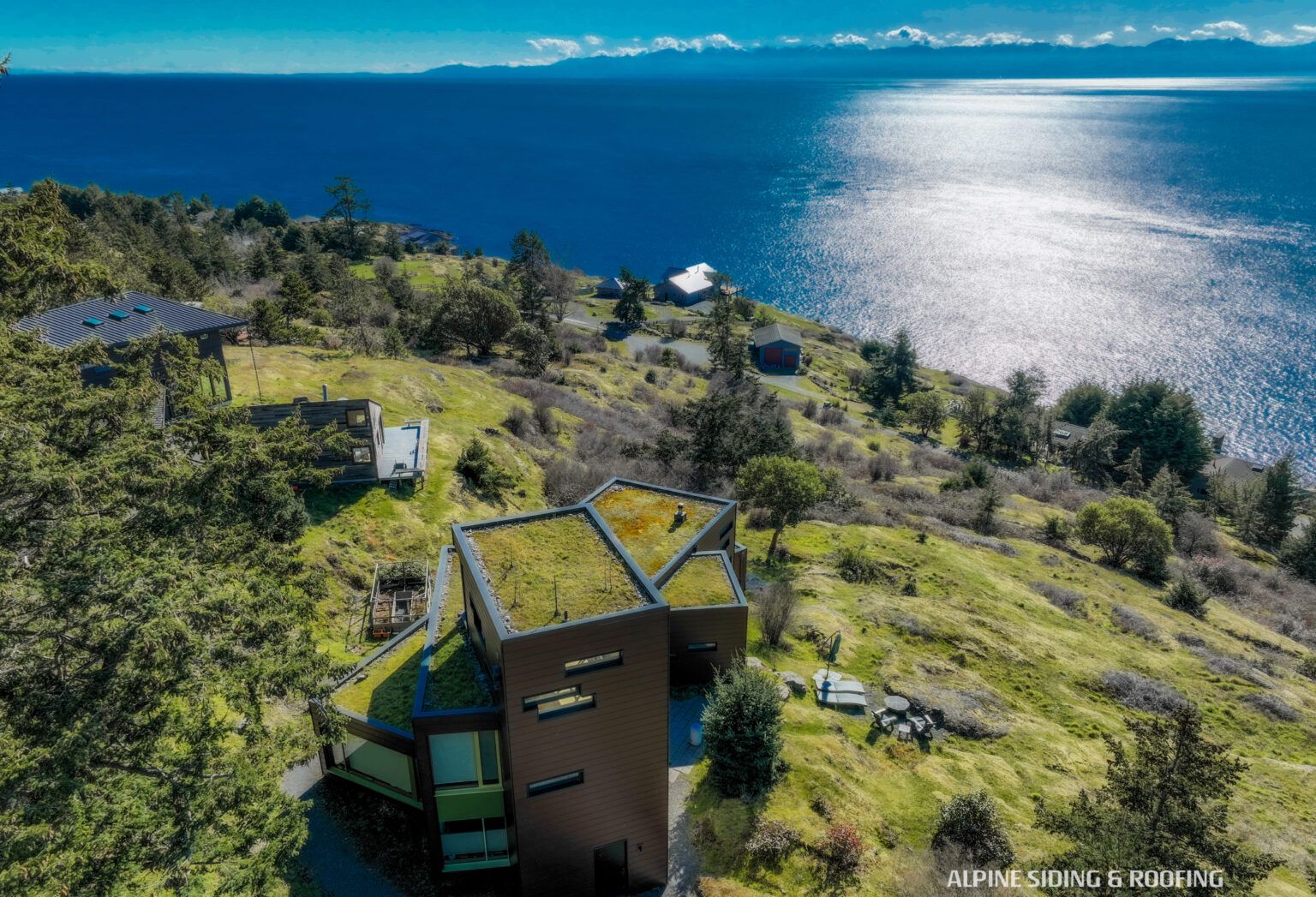
If you're re-siding a house in Zephyrhills, Wesley Chapel, or anywhere else in Pasco County, the decision usually comes down to two products: James Hardie fiber cement and vinyl. Both are legitimate, widely used siding systems, and both can pass Florida Building Code wind requirements when installed correctly. The right answer depends less on which product is "better" in the abstract and more on your budget, how long you plan to own the home, and how much Florida's climate has already worked on your current siding. This guide walks through both options with an eye on what actually matters here in Pasco County: hurricane wind loads and wind-driven rain, high humidity and the mold pressure it creates, intense year-round UV, and subterranean termites, which are a fact of life across inland Florida.
If you're planning to stay in your Zephyrhills home for a decade or more, want the closest thing to a "set it and forget it" exterior, and can absorb a higher upfront cost, James Hardie fiber cement is usually the stronger long-term choice. It resists moisture, holds paint and color better under intense Florida sun, and has a long track record in wind-prone climates. If you're working with a tighter budget, need a faster install, or are re-siding a rental or a home you may sell in the next few years, vinyl siding — especially a heavier-gauge, impact-rated product — is a reasonable and honest choice that still performs well when installed to current code. Neither product is wrong; they solve different problems.
James Hardie siding is made from a blend of cement, sand, and cellulose fibers, pressed and cured into planks, panels, or shingle-style pieces. Because it's essentially a manufactured masonry product rather than a plastic, it doesn't soften, warp, or melt in Florida heat, and it holds up well to the wind-driven rain that comes with tropical storms and hurricanes moving through the Tampa Bay area. Hardie's HZ5 products are engineered specifically for high-humidity, hot climates like Florida's, with formulations meant to resist moisture intrusion — humidity and rain exposure being the real stress test here rather than freeze-thaw cycling.
Fiber cement also doesn't feed termites. Subterranean termites are common throughout Pasco County, and while they primarily attack wood framing rather than the siding surface itself, fiber cement gives them nothing to chew through the way some wood-based trim products do. It's also non-combustible, which some insurance carriers factor into premiums, and it holds factory-applied ColorPlus finishes far longer under Florida's UV exposure than a typical field-painted surface, meaning fewer repaint cycles over the life of the siding.
The tradeoffs are real. Fiber cement is heavier and more labor-intensive to install than vinyl, which raises labor cost and means installer experience matters — improperly fastened Hardie board is a callback waiting to happen in a wind event. It must be installed per Hardie's published fastening schedules and per the product's Florida Product Approval to count toward code compliance and to hold up in a storm. It also costs more upfront than vinyl, and while it doesn't rot, it does require periodic caulking maintenance at joints and periodic repainting if you choose an unfinished or field-painted product rather than ColorPlus.
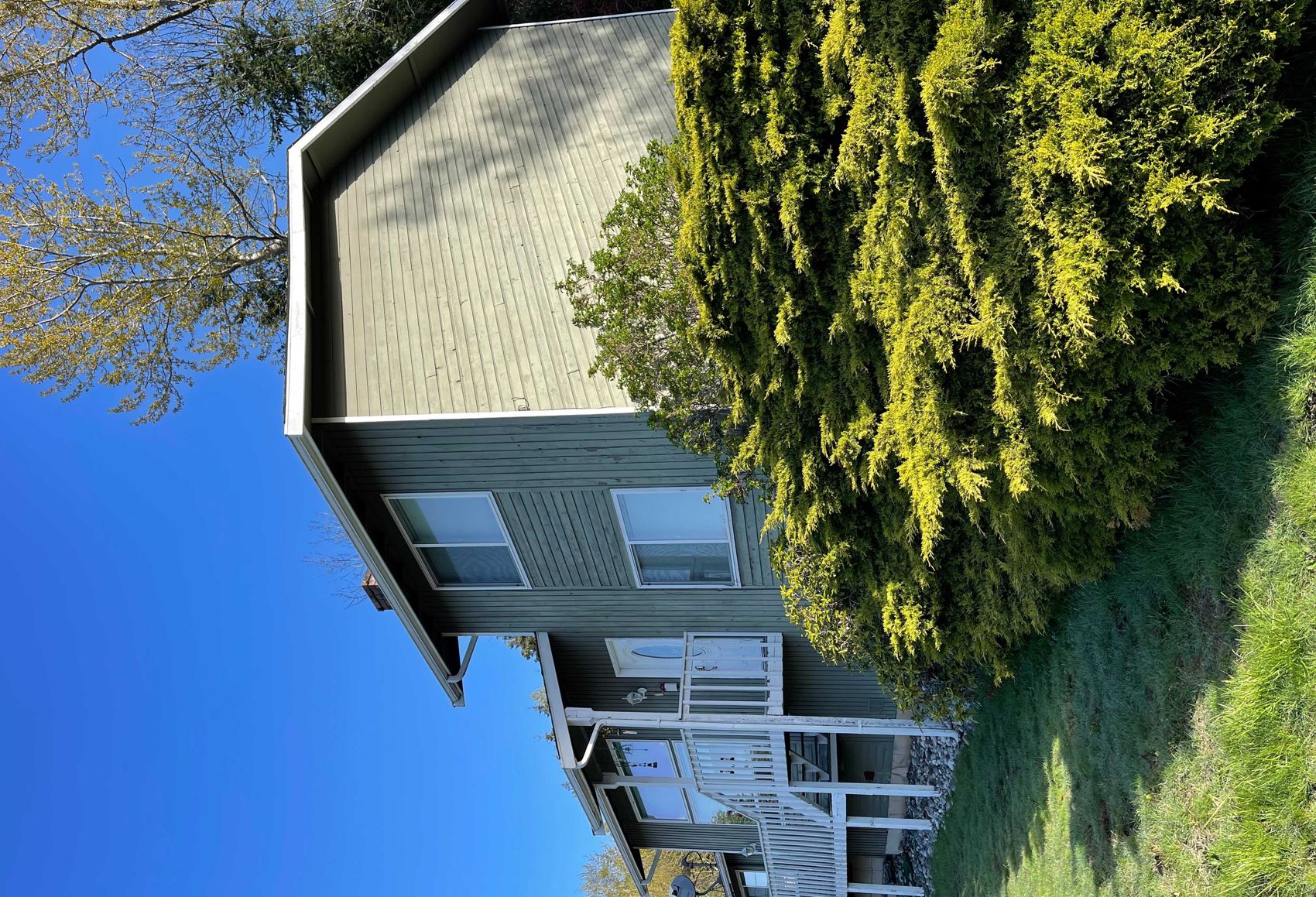
Vinyl siding is a PVC plastic panel product, typically interlocking horizontal planks, sometimes in board-and-batten or shake profiles. Its biggest advantages are cost and installation speed — it's lighter, cheaper per square foot, and a crew can usually close in a house faster than with fiber cement, which matters if you're trying to minimize the time your home is exposed during a re-side. Modern vinyl products rated for Florida use carry their own Florida Product Approval and are engineered with thicker panels and stronger locking systems specifically to meet the wind pressure requirements in the Florida Building Code for our region.
Vinyl doesn't rot and termites have no interest in eating it, which covers two of the region's bigger risks. It never needs painting, and a hose-down a couple of times a year keeps most vinyl looking presentable. The drawbacks show up over time and in extreme weather. Vinyl can become brittle with age under sustained UV exposure, and darker vinyl colors absorb more heat and can warp or bow in direct summer sun — a real consideration given how much direct sun Pasco County homes get most of the year. In a hurricane or severe thunderstorm with wind-driven rain, water can work behind vinyl panels at the seams if the underlying weather barrier and flashing weren't installed correctly, since vinyl itself isn't a sealed water barrier the way fiber cement joints can be when properly caulked. Lower-gauge, budget vinyl is also more prone to cracking or blowing off in high wind events than thicker, code-rated products — this is an area where cutting corners on material grade actually shows up during storm season.
| Factor | James Hardie Fiber Cement | Vinyl Siding |
|---|---|---|
| Installed cost | Higher — generally runs several dollars more per square foot installed than vinyl, driven by material weight and labor time | Lower — one of the more budget-friendly siding options, especially for standard profiles |
| Typical lifespan | Often 30-plus years with proper installation and periodic caulk/paint maintenance | Commonly 20 to 30 years depending on panel gauge and sun exposure |
| Maintenance | Periodic caulk joint inspection; repaint every decade or more if not ColorPlus; no rot or insect vulnerability | Occasional rinsing; no painting; but replacement panels can be hard to color-match years later |
| Wind and storm performance | Strong when installed per Hardie's fastening schedule and Florida Product Approval; heavier mass resists flexing in gusts | Strong in thicker, code-rated gauges with correct nailing; thinner or budget vinyl more prone to cracking or blow-off in high winds |
| Heat and UV tolerance | Holds shape and color well under sustained Florida sun; ColorPlus finish resists fading | Can soften or warp in direct heat, especially darker colors; more fading over time in unshaded exposures |
| Moisture and mold resistance | HZ5 formulation built for high-humidity climates; won't support mold growth on the material itself | Doesn't absorb water or support mold growth, but water intrusion behind panels is possible if installed poorly |
| Termite resistance | Not a food source for subterranean termites | Not a food source for subterranean termites |
| Appearance | Can mimic wood grain, shake, or smooth lap convincingly; factory finishes look higher-end and hold up longer | Wide color and profile range; appearance quality varies significantly by panel grade and thickness |
For most owner-occupied homes in Zephyrhills and the surrounding Pasco County communities, we lean toward recommending James Hardie fiber cement when the budget allows it, specifically because of how the local climate behaves. Zephyrhills sits inland from Tampa Bay but still takes direct hits from tropical systems moving through central Florida, and the combination of sustained humidity, intense summer UV, and periodic wind-driven rain is exactly the environment fiber cement was engineered for. Homes here also tend to be occupied year-round rather than seasonal, which makes the lower long-term maintenance burden and longer color retention of Hardie's ColorPlus finishes a better match for how long people actually keep these houses.
That said, vinyl is a legitimate choice, not a compromise, for a meaningful share of Pasco County homeowners. If you're re-siding an investment property, working within a firm budget, or replacing siding on a home in a mostly shaded, moderate-sun lot, a thicker code-rated vinyl product installed correctly with proper flashing and a matched Florida Product Approval will perform well for decades. What matters more than which material you pick is who installs it — a fiber cement job with under-driven or over-driven fasteners fails the same way a vinyl job with the wrong panel gauge or poor flashing does: badly, in the next big storm. Either product should be installed with documentation you can hand to your insurance carrier for the OIR-B1-1802 wind mitigation inspection, since verified opening protection and wall construction details can affect your windstorm premium.
Alpine Exteriors installs both systems across Tampa, Wesley Chapel, Lutz, Land O' Lakes, New Port Richey, Plant City, and Zephyrhills, and we'll walk your specific house — its sun exposure, its age, its current siding condition — before recommending one over the other. We hold Florida contractor license RB29003900, and every install follows the manufacturer's fastening and flashing specifications tied to the product's Florida Product Approval, not a generic national spec sheet.
For most homeowners planning to stay in their house long-term, yes — the combination of longer color retention under Florida UV, resistance to humidity-driven moisture problems, and a longer realistic lifespan tends to offset the higher installed cost over a couple of decades. If you're re-siding a short-term hold or working with a tight renovation budget, vinyl can still be the more sensible financial choice.
Yes, when you choose a vinyl product with a current Florida Product Approval rated for the wind pressures required in your area of Pasco County, and it's installed with the correct nailing pattern and panel gauge specified by the manufacturer. Budget-grade vinyl installed loosely or with the wrong fastener spacing is where wind failures typically happen, not with the material category itself.
Siding material itself is a smaller factor on the OIR-B1-1802 wind mitigation inspection form compared to roof shape, roof-to-wall connections, and opening protection, but a correctly installed, code-approved siding system supports the overall wall construction documentation your inspector and insurer will want to see. Ask your contractor for the Florida Product Approval paperwork on whatever siding you choose so you have it on file.
Subterranean termites are common throughout inland Florida, including Pasco County, but they target wood framing, sheathing, and trim rather than the siding surface itself in the case of fiber cement or vinyl, since neither is a food source. Where termites do become a siding-adjacent problem is at wood trim, fascia, or older wood siding that's still in place — something worth having inspected during a re-side.
If you're weighing James Hardie fiber cement against vinyl for a home in Zephyrhills or elsewhere in Pasco County, Alpine Exteriors can look at your specific house, sun exposure, and budget and give you a straightforward recommendation rather than a one-size-fits-all pitch. Reach out to schedule a walkthrough and get real numbers for both options before you decide.