
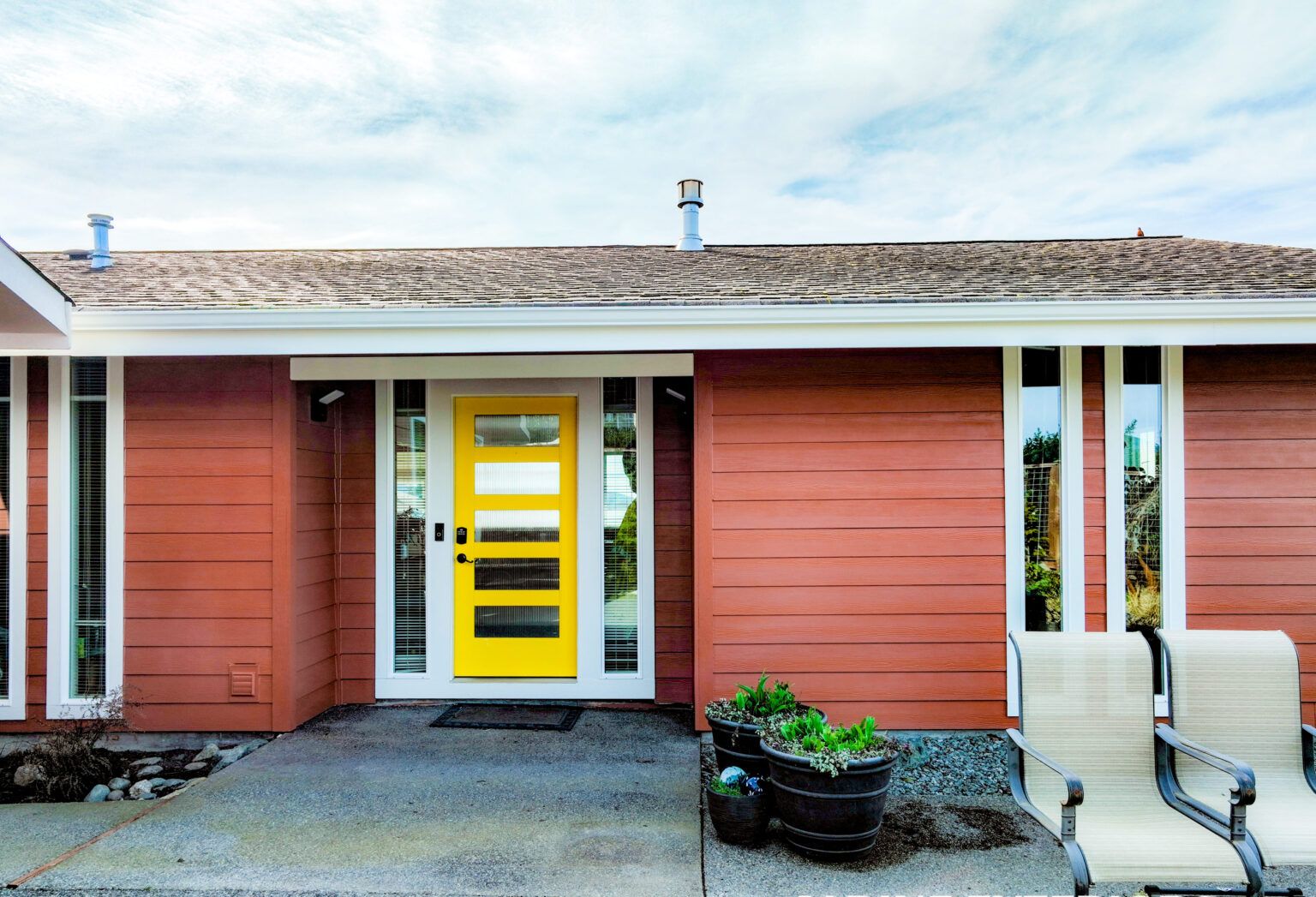
Board and batten siding has become one of the most requested exterior looks in Tampa Bay, showing up on everything from Craftsman-style farmhouses in Land O' Lakes to modern coastal remodels near the water. The pattern of wide flat boards with narrow vertical strips covering the seams reads as clean and architectural, and it holds up visually whether it's used on a full house or just an accent gable. But because "board and batten" describes an installation style rather than a single product, its cost in this region swings more than most homeowners expect. This page walks through realistic price ranges, the region-specific factors that move those ranges, what a legitimate quote should include, and how to compare bids from different contractors without just chasing the lowest number.
Because the same pattern can be built from vinyl, engineered wood, fiber cement, or true wood boards, and each starts from a different cost floor, whole-house board and batten installations in this market generally fall somewhere in the rough range of $9 to $20 or more per square foot installed, with vinyl-based systems toward the low end and fiber cement or real wood toward the high end. A full exterior on an average Tampa Bay home often lands broadly in the $15,000 to $45,000-plus range depending on size, material, and wall condition, though smaller accent applications, like a single gable end or porch surround, can run just a few thousand dollars. These are wide, directional ranges, not quotes; the only way to know where a specific home falls is a walk-through and a written proposal. Homeowners should treat any number given over the phone with no site visit as a placeholder, not a real estimate.
| Cost Factor | Low End of Range | High End of Range |
|---|---|---|
| Material choice (vinyl vs. engineered wood vs. fiber cement vs. true wood) | Budget vinyl or engineered panel systems, roughly $6-$10/sq ft | Premium fiber cement or real wood board and batten, $14-$20+/sq ft |
| Wall prep and substrate condition | Sound sheathing, minimal repair needed | Rot, moisture, or termite damage requiring sheathing rebuild |
| House shape and cutting complexity | Simple rectangular walls, few openings | Multiple gables, dormers, wraparound porches, tight reveals |
| Wind zone and fastening schedule | Standard exposure, moderate wind speed zone | High-velocity zones near the coast requiring engineered fastening |
| Finish and trim detail | Standard batten spacing, factory paint or stain | Custom reveals, wide trim boards, premium color coatings |
| Accessory scope (house wrap, flashing, trim replacement) | Reuse of sound existing components where code allows | Full weather-resistive barrier and flashing package replacement |
Alpine Exteriors always walks a homeowner through where their specific project is likely to fall in that range before quoting, rather than leading with a number that doesn't reflect the actual walls, wind zone, or material choice involved.
Several conditions specific to the Tampa Bay area push board and batten pricing up or down more than they would in a milder, calmer-wind climate, and it's worth understanding these before collecting quotes.
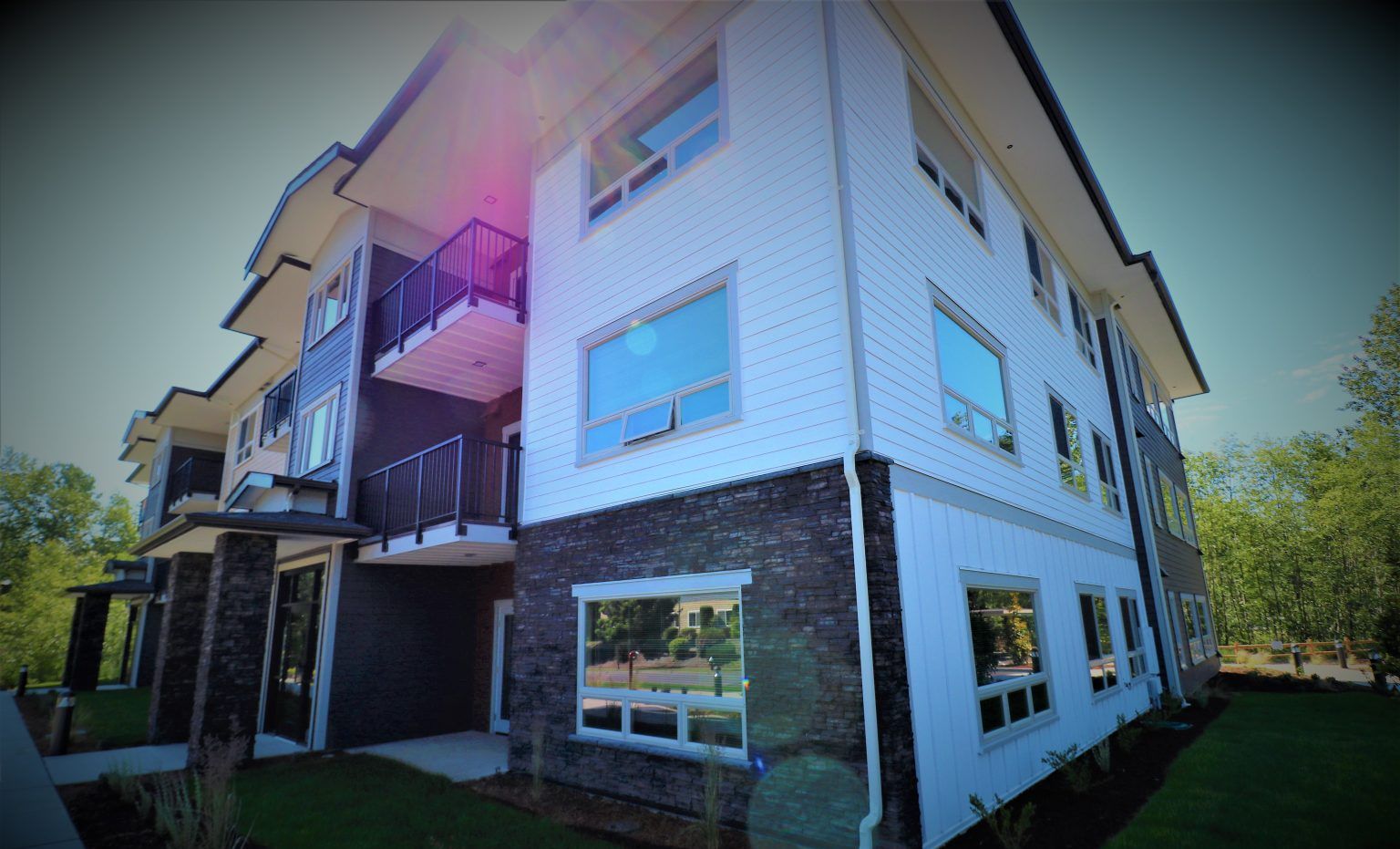
A complete board and batten quote in this market should spell out far more than a total dollar figure. At minimum, it should specify the exact product line and whether that product carries current Florida Product Approval for the home's wind zone, the fastening schedule being used, and whether house wrap and flashing are being replaced or reused. It should note the batten spacing and reveal width, since that detail materially affects both the finished look and the amount of material required. It should separate labor from material costs where possible, spell out what happens if rot or termite damage is discovered during tear-off, and state the manufacturer's product warranty alongside the contractor's own workmanship warranty. A quote that only lists a lump sum with no breakdown makes it very difficult to know what's actually being paid for, or to compare it fairly against a competing bid.
It's also worth asking whether the quote accounts for local permitting. Most siding replacement in Tampa Bay municipalities requires a permit tied to Florida Building Code compliance for the applicable wind zone, and a contractor who quotes without factoring in permitting and inspection is either absorbing that cost invisibly or planning to skip it, neither of which is a good sign.
The most useful way to compare board and batten quotes is to normalize them to the same scope before comparing totals. Two bids for the same house can differ by thousands of dollars simply because one includes full house wrap replacement and hurricane-rated fastening while the other reuses existing wrap and uses a standard fastening pattern that may not actually meet the home's wind zone requirement. Line up each quote's product name, wind rating or product approval status, fastener spec, and scope of substrate repair side by side rather than just looking at the bottom line.
It's also worth asking each contractor directly how they handle wall moisture or rot found after tear-off, since this is one of the most common sources of mid-project cost surprises in Florida. A contractor with a clear, pre-agreed process for documenting and pricing that work, rather than a vague promise to "handle it," is generally easier to work with. Finally, confirm that each bidder is a licensed Florida contractor and ask to see their license number; Alpine Exteriors operates under Florida contractor license RB29003900 and lists that number on every proposal so it can be verified independently.
Many homeowners in the Tampa Bay area finance siding projects rather than paying the full amount up front, and it's worth asking any contractor what financing partners or payment plans they offer before assuming it isn't an option. On the insurance side, upgrading to siding with documented wind resistance and current Florida Product Approval can sometimes affect the results of a wind mitigation inspection, which in turn can influence premiums under the OIR-B1-1802 wind mitigation form Florida insurers use. This isn't guaranteed to lower a premium, since wind mitigation credits depend on a range of factors beyond siding alone, but it's a reasonable question to raise with an insurance agent once the new siding and its product approval documentation are in hand. Keep copies of the product approval numbers and installation paperwork from the project, since insurers may request them at a future wind mitigation reinspection.
It can be, provided the underlying materials and installation details are chosen with humidity, UV exposure, and wind in mind. Fiber cement and properly engineered composite products tend to perform better long-term in Tampa Bay's climate than solid wood board and batten, which is more prone to moisture-related problems and termite vulnerability even with regular maintenance.
The pattern can be built from very different materials and wall assemblies, and contractors differ on whether they replace house wrap and flashing, use hurricane-rated fastening, and select products with current Florida Product Approval. Two quotes that look similar on price on paper can represent very different long-term durability once those details are actually compared.
Most municipalities in the region require a permit for exterior siding replacement, tied to Florida Building Code requirements for the home's applicable wind zone. A reputable contractor handles the permit application and inspection as part of the project rather than leaving it to the homeowner.
Timelines depend heavily on house size, wall complexity, and whether hidden rot or termite damage turns up once old siding is removed. A single accent area may take just a few days, while a full-house installation with substrate repair can extend over multiple weeks, and weather delays are common during Florida's rainy season.
If you're weighing board and batten siding for a home in Tampa, Wesley Chapel, Lutz, Land O' Lakes, New Port Richey, Plant City, or Zephyrhills, Alpine Exteriors can walk your specific walls, explain where your project is likely to fall in the ranges above, and put together a detailed, itemized quote so you know exactly what you're paying for before any work begins.