
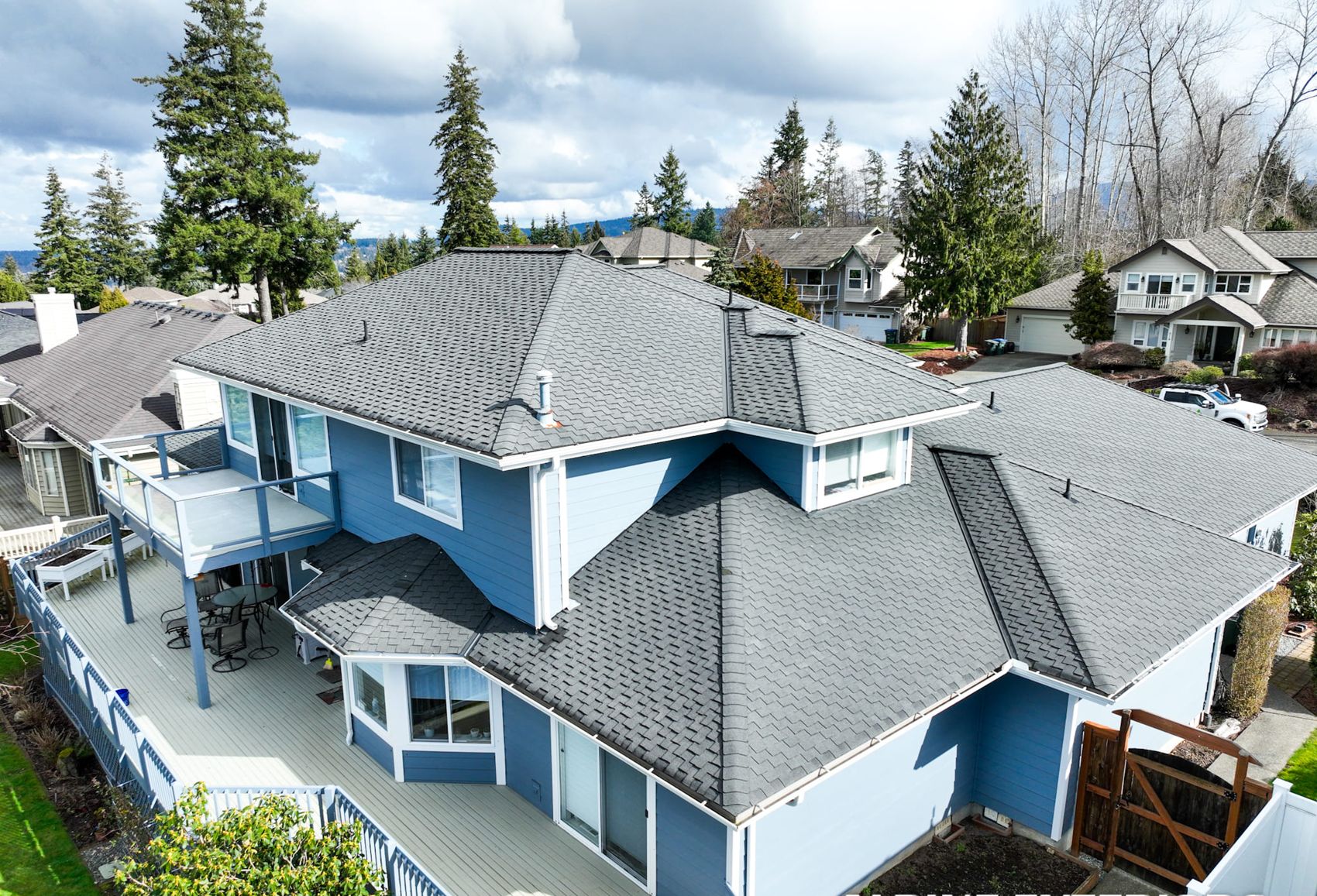
Stucco is the default exterior on most Tampa Bay homes built from the 1970s through the 2000s, but decades of Gulf humidity, UV exposure, and occasional storm damage leave a lot of it cracked, stained, or hiding moisture problems underneath. Homeowners in Tampa, Wesley Chapel, Lutz, Land O' Lakes, New Port Richey, Plant City, and Zephyrhills increasingly ask whether new siding can go over that stucco instead of tearing it off. It often can, but the cost and the right approach depend heavily on the condition of what's underneath and how the region's climate and building code factor in. Alpine Exteriors fields this question on a weekly basis, so here is an honest look at what drives the number.
For a typical single-family home in the Tampa Bay area, installing siding over existing stucco generally lands somewhere between roughly $12,000 and $35,000 or more for a full exterior, with a lot of that spread coming down to material choice and whether the stucco needs repair before anything goes over it. On a per-square-foot basis of wall area installed, most projects fall in a broad $6 to $16 range, with basic vinyl overlays at the lower end and fiber cement or insulated vinyl systems running higher. Homes with extensive stucco cracking, water intrusion, or hidden wood rot can push costs well past those numbers once remediation gets added to the scope.
The overlay method is usually the more economical path, since it avoids the labor and disposal cost of tearing off the existing stucco and simply builds a new wall plane on top of furring strips. Full or partial stucco removal costs more up front because it adds demolition, debris hauling, and re-sheathing, but it's often the right call on a home with cracked or moisture-compromised stucco, since it lets everyone see and fix what's actually behind the wall instead of guessing. Homeowners in Lutz and Land O' Lakes with newer, sound stucco tend to be good overlay candidates, while older homes in Tampa's established neighborhoods more often need at least partial removal to deal with decades of accumulated wear.
| Cost Factor | Low End | High End |
|---|---|---|
| Siding material | Standard vinyl, thinner gauge | Fiber cement or insulated vinyl systems |
| Stucco condition and prep work | Sound stucco, minimal repair needed | Cracked, delaminated, or moisture-damaged stucco requiring remediation |
| Attachment method | Standard furring strips over a sound wall | Engineered furring or partial stucco removal for wind-load compliance |
| Home size and stories | Single-story, simple footprint | Two-story with multiple gables, dormers, and cutouts |
| Trim, flashing, and accessories | Basic J-channel and corner posts | Custom trim, decorative accents, upgraded flashing details |
| Wind rating and product approval compliance | Standard exposure category | Higher exposure or coastal zones needing heavier fastening schedules |
Several region-specific factors swing a bid more than most homeowners expect:
A usable, comparable quote spells out more than a single total. At minimum, look for:
The biggest mistake homeowners make is comparing two bids that aren't actually describing the same job. A $14,000 quote and a $24,000 quote on the same house usually mean different materials, different attachment methods, or one contractor pricing for stucco repair while the other assumed a best-case wall from a visual look alone. Ask each contractor to itemize material, labor, and any allowance for hidden damage. Verify the contractor's Florida license and insurance directly rather than taking it on faith — Alpine Exteriors, for example, holds Florida contractor license RB29003900, and that number can be checked against the state license lookup the same way any contractor's should be. Get the wind-load and product approval details in writing rather than just verbally, since that's what protects you if an inspector or your insurer asks questions down the line.
Most siding contractors in the area offer some form of financing, whether through a third-party lender or a retail installment plan, and a home equity line is another common route for a full exterior project. Terms and qualification vary enough by lender and by credit profile that it's worth getting your own numbers rather than assuming an advertised rate applies to you.
On the insurance side, Florida's wind mitigation inspection, documented on the OIR-B1-1802 form, is what most carriers use to calculate wind-related premium credits, and it's centered on roof attachment, roof shape, and opening protection rather than wall siding itself — so putting new siding over stucco generally won't change that form's results on its own. That said, it's worth asking your insurer two things before work starts: whether the material or installation method affects any other underwriting factor on your policy, and whether they want documentation such as permits or product approval numbers kept on file in case of a future wind or water claim. Keeping copies of the permit, the approved product data sheet, and the final inspection is good practice regardless of what your carrier asks for today.
In most cases, yes, provided the wall assembly meets the Florida Building Code's requirements for the wind exposure category of your lot and the siding product carries a valid Florida Product Approval for installation over the existing substrate. A contractor pulling the permit should confirm this for your specific address rather than assuming it applies the same way on every property.
It depends on condition. Sound, dry stucco with only minor cosmetic cracking is a reasonable base for a furring-strip overlay. Stucco with widespread cracking, soft spots, or signs of past water intrusion is usually better removed, at least in problem areas, so the wall behind it can be inspected and repaired instead of sealed in behind new siding.
It can, if the installation doesn't account for it. Sealing new siding directly against stucco with no drainage gap or ventilation risks trapping humidity against the wall, which supports mold growth and slow wood decay over time. A properly detailed overlay includes a drainage plane and flashing that lets incidental moisture escape instead of accumulating.
A straightforward single-story overlay on a home without hidden wall damage often wraps up within one to two weeks once work begins. Homes needing stucco repair, wood replacement, or multiple stories with detailed trim can take several weeks longer, and permitting timelines add time on the front end before installation even starts.
Every stucco wall hides a different story, and the only way to get a number you can trust is an on-site look at what's actually behind it. Alpine Exteriors serves Tampa, Wesley Chapel, Lutz, Land O' Lakes, New Port Richey, Plant City, and Zephyrhills, and can walk your property, check the stucco condition, and put together a written quote that spells out material, wind-load compliance, and any repair allowance before work ever starts.