
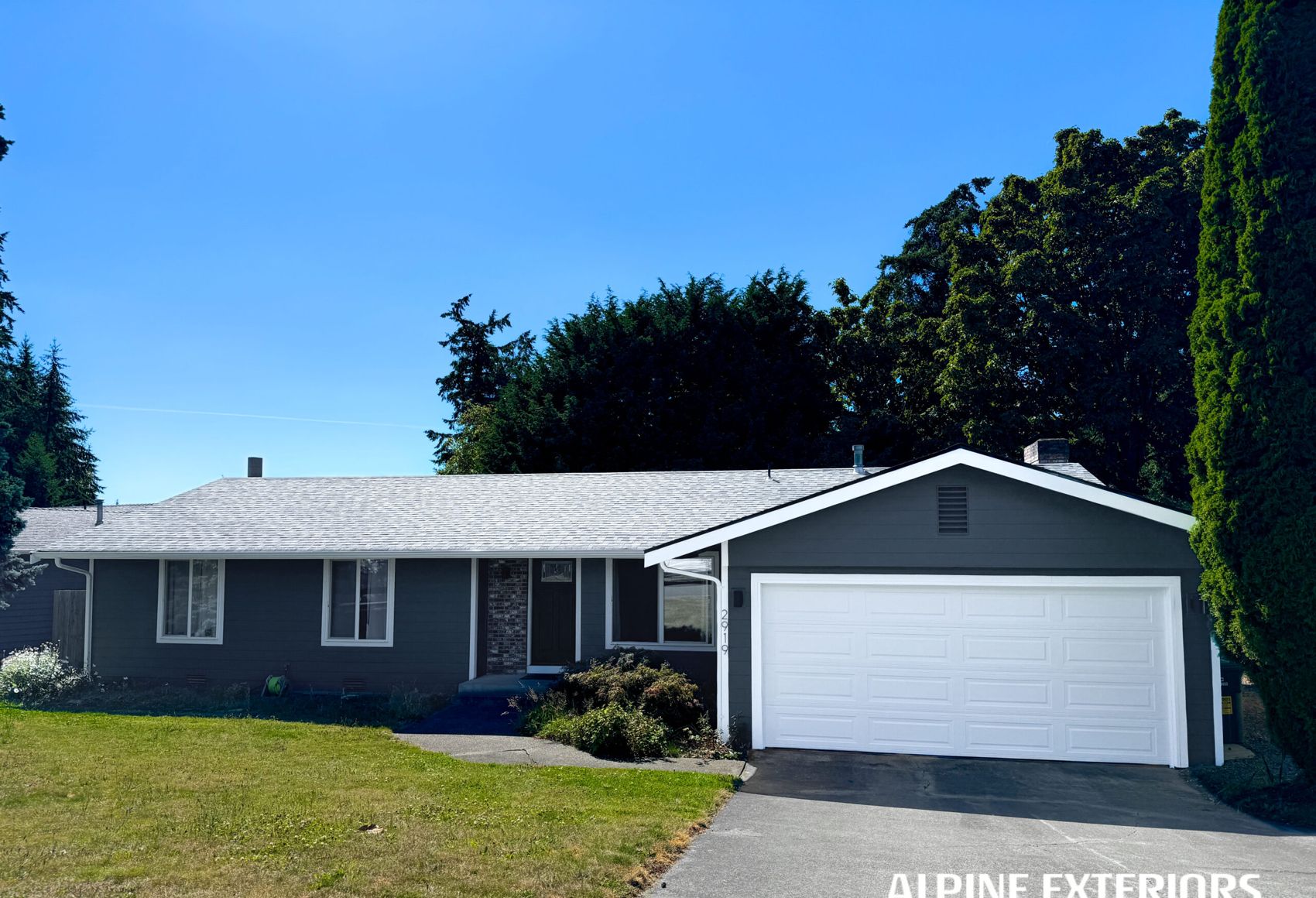
Engineered wood siding sits in an interesting spot for Tampa Bay homeowners: it gives you the look of traditional wood lap or shake siding with a more stable, resin-and-wood-fiber core that's manufactured to resist the swings this region throws at exterior products. If you're pricing a project in Tampa, Wesley Chapel, Lutz, Land O' Lakes, New Port Richey, Plant City, or Zephyrhills, the number you land on depends less on the material itself and more on your home's size, condition, and how the installer handles the details that matter here — wind resistance, moisture management, and termite exposure. This guide walks through realistic ranges and the variables that push a bid up or down, so you can read a quote with more confidence.
Engineered wood siding installed in the Tampa Bay area typically lands in a mid-range price bracket — above basic vinyl, generally below premium fiber cement or natural cedar, though the bands overlap depending on product tier and finish. For a full re-side on an average single-family home, most homeowners in this market should expect a wide range rather than a single number, because tear-off scope, trim complexity, and substrate condition vary so much from house to house. Older homes in Tampa and Plant City with original wood or aluminum siding often carry hidden rot or termite damage behind the cladding, which isn't visible until tear-off starts. Newer homes in growth corridors like Wesley Chapel and Land O' Lakes tend to have simpler, more predictable scopes.
| Cost Factor | Typical Low End | Typical High End |
|---|---|---|
| Home size (total siding square footage) | Smaller single-story homes | Large two-story or multi-gable homes |
| Tear-off and substrate condition | Install over sound, dry sheathing | Full tear-off with rot/termite repair |
| Engineered wood product tier | Standard lap profile, primed | Factory-prefinished, textured or shake-style profiles |
| Trim, fascia, and soffit work | Simple rectangular footprint | Multiple gables, dormers, bay windows |
| Moisture barrier and flashing upgrades | Standard housewrap system | Enhanced weather-resistive barrier with reinforced window/door flashing |
| Wind rating and product approval requirements | Standard wind zone fastening schedule | Higher wind-pressure zones needing engineered fastening patterns |
| Access and site conditions | Ground-level, clear yard | Second story, tight lot lines, heavy landscaping removal |
A handful of variables do most of the work in separating a low bid from a high one. The biggest is almost always substrate condition. Tampa Bay's humidity, seasonal heavy rain, and termite pressure mean that sheathing and framing behind old siding sometimes need repair before new siding can go on — and that work is priced separately from the siding itself because it can't be quoted accurately until the old material comes off. Expect any honest contractor to flag this as a contingency rather than promise a fixed number sight unseen.
Home geometry matters almost as much. A simple rectangular one-story home costs meaningfully less per square foot than a home with multiple gables, dormers, bump-outs, or a lot of trim transitions, because each corner, J-channel, and window return adds labor. Two-story homes, more common in newer Wesley Chapel and Land O' Lakes subdivisions, also add scaffolding or lift costs and slow the crew down.
Product selection is another lever. Engineered wood siding comes in a range of profiles and finish levels — from primed boards that need field painting to factory-finished planks with a baked-on coating designed to hold up under intense Florida UV without chalking or fading as quickly. Factory-finished products cost more up front but reduce near-term repainting needs, which matters given how hard sustained UV exposure is on painted exterior surfaces here.
Finally, wind and code requirements affect labor even when they don't change material cost much. The Florida Building Code sets wind-load requirements based on your specific location's design wind speed, and any siding system installed in this region needs to carry a valid Florida Product Approval showing it's been tested for the wind pressures it will face. Meeting that fastening schedule correctly — closer nail spacing, proper starter strips, correct panel engagement — takes more time than a generic installation, and that labor should show up in a legitimate quote.
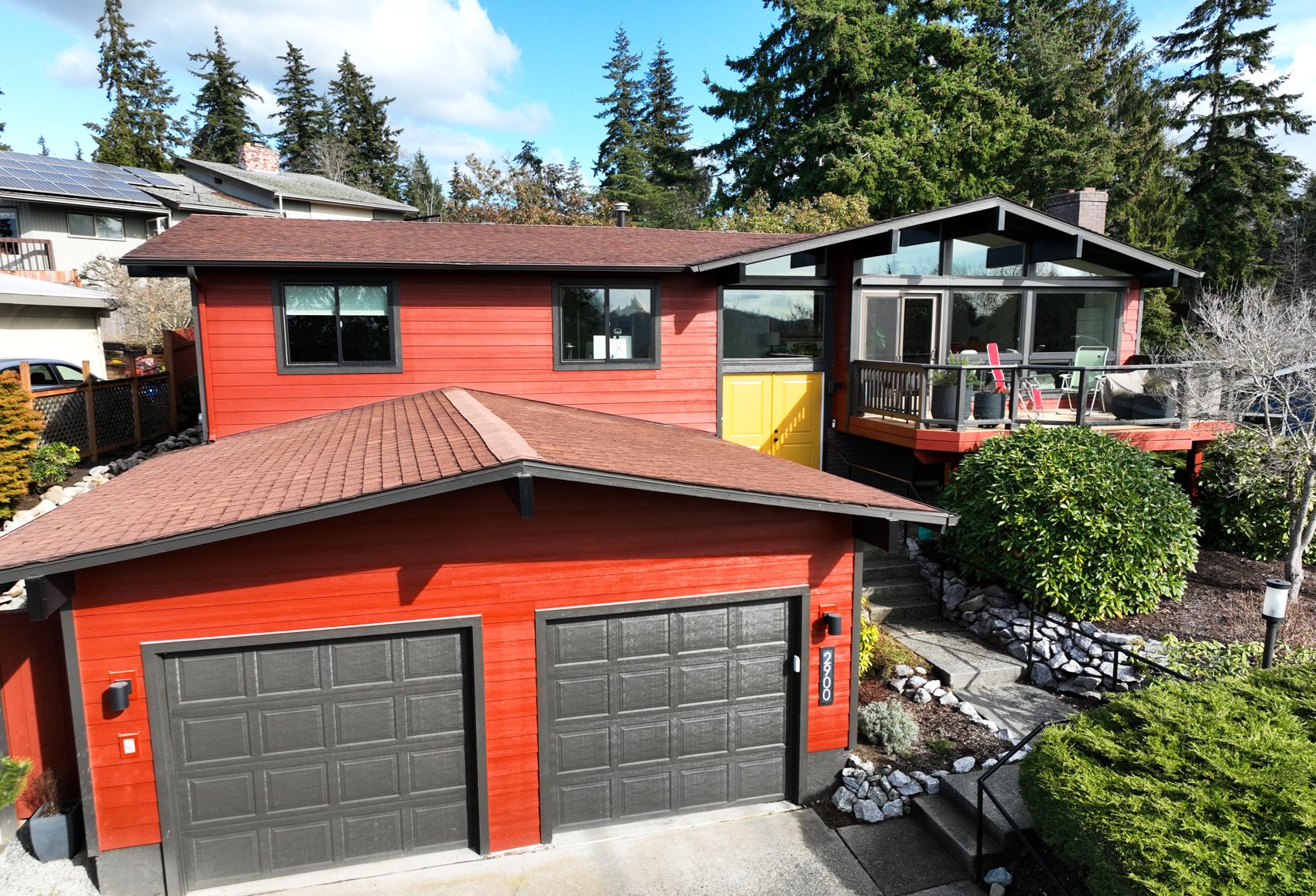
A complete, comparable quote for engineered wood siding in this market should spell out more than just a total price. Look for these line items:
If a quote is missing several of these, it's not necessarily a bad contractor, but it's a sign you need to ask follow-up questions before comparing that number against others.
The most common mistake homeowners make when comparing siding bids is treating the bottom-line number as the whole story. Two quotes for the same home can differ by thousands of dollars because one includes a full tear-off with sheathing repair and reinforced flashing, and the other assumes best-case conditions and standard housewrap. Before comparing totals, make sure every bid covers the same scope: same square footage, same product tier, same trim work, and the same assumptions about what happens if rot or termite damage turns up.
Verify that whoever you're hiring is properly licensed to do exterior construction work in Florida — you can look up any contractor's license status through the Florida Department of Business and Professional Regulation. Alpine Exteriors holds Florida contractor license RB29003900, and any reputable siding contractor should be able to provide their license number without hesitation.
Ask each bidder for the Florida Product Approval documentation for the specific siding and underlayment system they're proposing, not just a general claim that the product is code-compliant. Also ask how they handle discovered damage during tear-off — a fixed per-square-foot repair rate agreed to up front is far less stressful than an open-ended change order mid-project. Finally, be cautious of a bid that's dramatically lower than the others with no clear explanation; it often means thinner moisture barrier, wider fastener spacing than the wind zone calls for, or an allowance that assumes no hidden damage, all of which can cost more later.
Many homeowners finance a full siding replacement rather than paying out of pocket, whether through a contractor-arranged financing program, a home equity line of credit, or a personal loan through their bank or credit union. Terms and qualification vary by lender, so it's worth comparing more than one option rather than accepting the first offer presented.
On the insurance side, it's worth knowing that siding replacement itself generally isn't a line item on Florida's Uniform Mitigation Verification Inspection Form (OIR-B1-1802), which insurers use to calculate wind mitigation discounts — that form focuses mainly on roof shape, roof-to-wall attachment, and opening protection rather than wall cladding. That said, a full exterior project is a practical time to also have a wind mitigation inspection done or updated, since scaffolding and access are already in place and any related openings work can be coordinated at once. It's also worth checking with your insurance agent or carrier ahead of time, since some insurers — including Citizens Property Insurance Corporation for older homes — do ask about exterior wall condition and material during underwriting, and documentation of a recent, code-compliant siding replacement can be useful to have on file.
It can be, provided it's installed and finished correctly. Engineered wood siding is manufactured with resin-treated wood fibers and, in most products, a borate treatment aimed at resisting termites, which is a real consideration in this region. The bigger risk factor is moisture: cut edges, butt joints, and any exposed spots need to be properly sealed and painted or factory-finished, because sustained humidity and heavy seasonal rain will find any gap in the finish system over time. Installers who cut corners on caulking and edge sealing are the most common source of problems with this material here.
It generally falls above basic vinyl siding and can overlap with mid-to-premium fiber cement depending on the specific products and finish levels being compared. Vinyl is typically the least expensive option but has a different look and can perform differently under sustained UV and wind pressure. Fiber cement is often more expensive, especially with premium textures, but has different maintenance characteristics. The right comparison depends on your priorities around appearance, maintenance, and long-term upkeep, not just sticker price.
Timelines depend heavily on home size, whether tear-off reveals substrate damage, and weather. A straightforward single-story home with sound sheathing underneath moves faster than a larger two-story home needing repairs and complex trim work. Florida's rainy season can also add delay days, since siding installation and painting both require dry conditions to go on correctly.
Yes, more than vinyl, though generally less than untreated natural wood. Expect to periodically inspect caulk lines and touch up paint or finish, particularly on sun-exposed elevations where UV breaks down coatings fastest and on lower courses where sprinkler overspray or standing moisture can be an issue. Factory-finished products with a durable coating reduce how often repainting is needed, but no exterior wood-based product in this climate is entirely maintenance-free.
The only way to know what engineered wood siding will actually cost on your specific home is to have it measured and assessed in person, since roof lines, trim detail, and substrate condition all factor into the final number. Alpine Exteriors, Florida license RB29003900, provides written quotes for homeowners across Tampa, Wesley Chapel, Lutz, Land O' Lakes, New Port Richey, Plant City, and Zephyrhills that spell out product, scope, wind-rated fastening, and moisture protection details up front, so you can compare it against any other bid line by line. Reach out to schedule an on-site evaluation and get a real number for your home.