
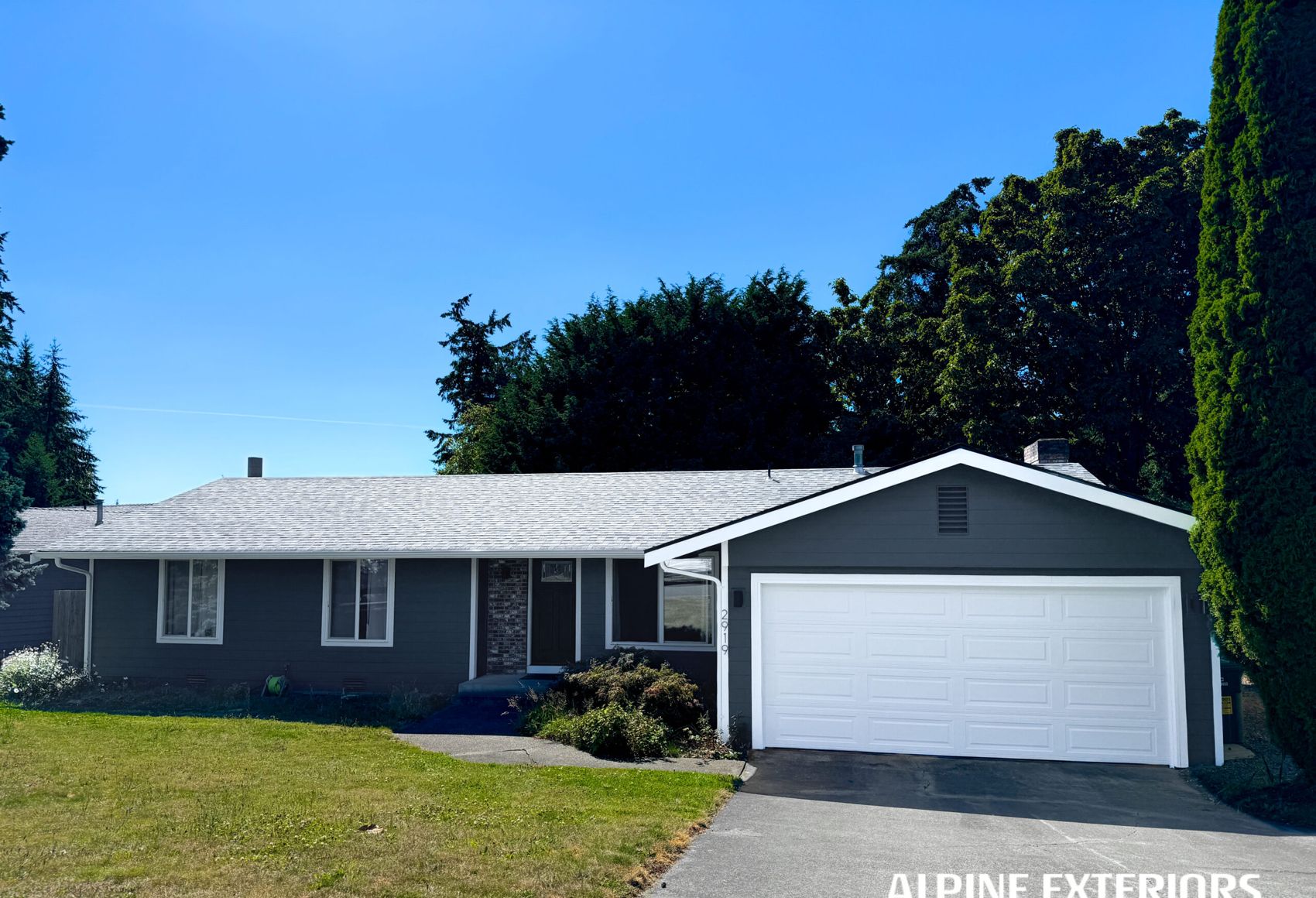
Homeowners in Thonotosassa face a specific set of siding stresses: hurricane-season wind and wind-driven rain off the Gulf and the Atlantic, months of high humidity that push moisture into wall assemblies, intense year-round UV that fades weaker materials, and the termite pressure that comes standard with life in Hillsborough County. Whatever goes on your walls has to survive that combination for decades, not just look good on installation day. This guide compares James Hardie fiber cement siding and vinyl siding on the factors that actually matter here, so you can make a decision based on your home, your budget, and how long you plan to own the property.
If you're planning to stay in your Thonotosassa home for the long haul, want the strongest wind and impact performance the siding aisle offers, and don't mind a somewhat higher upfront cost, James Hardie fiber cement is generally the better fit. It carries Florida Product Approval for use in high-velocity and standard wind zones, resists moisture and termites by nature of being a cement-based product, and holds paint and color far longer under Florida sun.
If your priority is the lowest upfront cost, you're renovating a rental property, or you're working with a tighter budget on a smaller job, vinyl siding is a legitimate option — especially newer, thicker-gauge vinyl profiles rated for higher wind speeds. The tradeoff is a shorter realistic service life in this climate, more visible wear under UV exposure, and less impact resistance during storm season. Neither material is universally "wrong" for this area; the right call depends on how long you'll own the house and what you're willing to spend now versus later.
James Hardie siding is made primarily from cement, sand, and cellulose fiber, pressed and cured into planks or panels. It's not a new product in Florida — fiber cement has been a mainstream choice in hurricane-prone coastal states for years precisely because it doesn't share vinyl's vulnerabilities to wind, moisture, and heat. For a Thonotosassa home, the relevant strengths are:
The honest drawbacks: fiber cement costs more per square foot installed than vinyl, it's heavier and more labor-intensive to install correctly (which matters for finding a crew that knows the fastening and clearance details), and it requires periodic repainting over its life unless you keep the factory ColorPlus finish rather than a field-painted option. It's also a harder material to cut and handle, so installation quality depends heavily on contractor experience.
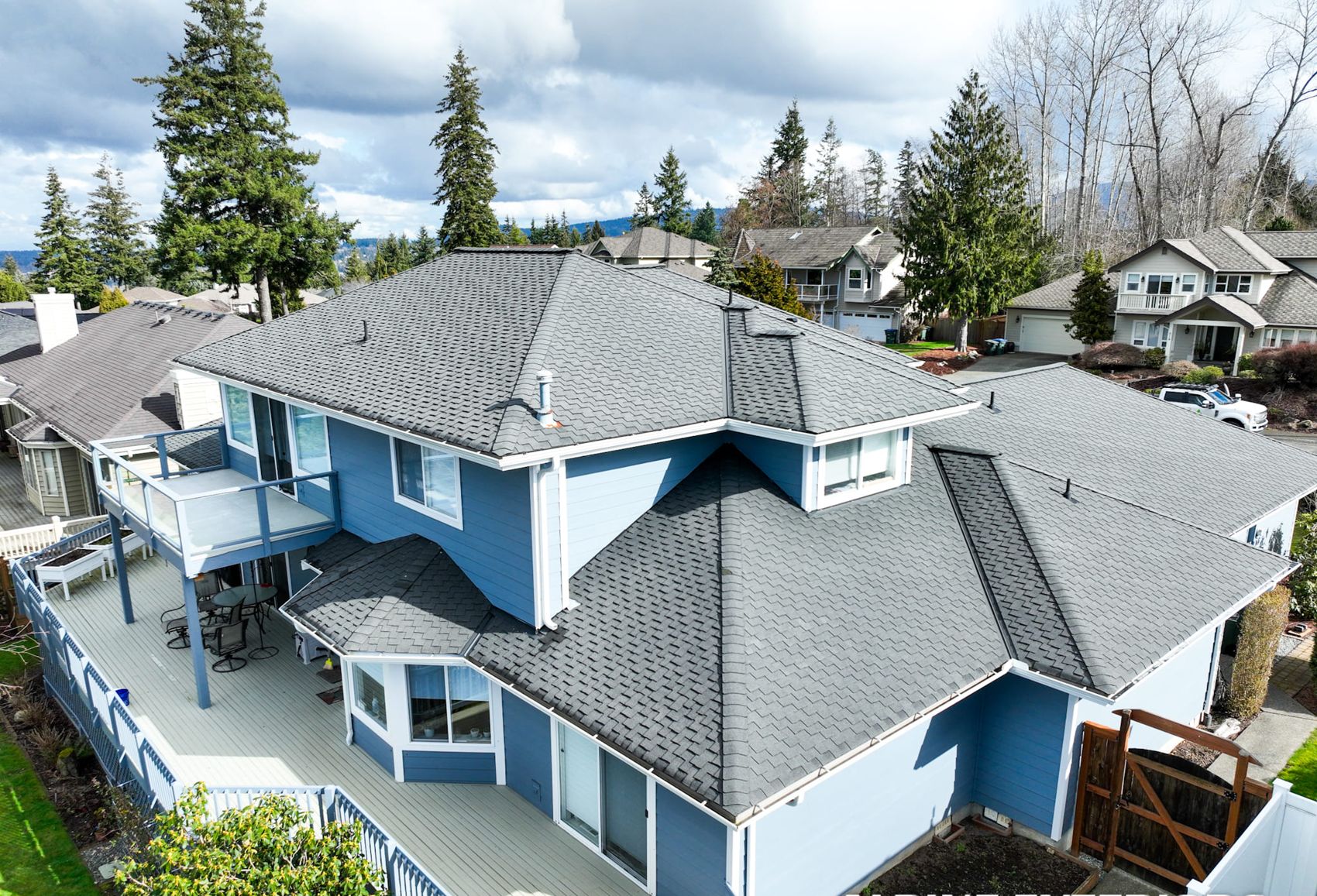
Vinyl siding is a PVC-based product that's been the volume leader in residential siding for decades, largely on the strength of low material cost and easy installation. Modern vinyl has improved from the thin, brittle panels of decades past — thicker-gauge products with reinforced profiles and higher wind ratings are available and, when installed correctly, can perform reasonably well in Florida's storm environment. Its practical advantages:
The tradeoffs matter more in this climate than in milder ones. Standard-gauge vinyl can crack, warp, or blow off in high wind if fastening isn't done to spec, and even quality vinyl is more vulnerable to wind-driven debris impact than fiber cement. Florida's UV load will fade and, over enough years, chalk lower-grade vinyl faster than it would in a less sun-intense region — and once vinyl fades or becomes brittle, there's no repainting it back to new; the whole run typically needs replacement. Humidity doesn't rot vinyl the way it can wood, but poor installation that traps moisture behind panels can still cause problems for the sheathing underneath, regardless of the siding material on top.
| Factor | James Hardie Fiber Cement | Vinyl Siding |
|---|---|---|
| Installed cost | Higher upfront; premium material and labor | Lower upfront; budget-friendly |
| Typical service life | Multiple decades with proper care | Shorter realistic lifespan in intense Florida UV and humidity, especially for lower-gauge products |
| Wind/storm performance | Strong; Florida Product Approval listings available for wind-zone compliance | Varies widely by gauge and profile; lower-end vinyl is more vulnerable to wind and impact |
| Moisture/termite resistance | Excellent; cement-based, not a termite food source | Not a termite food source itself, but trapped moisture behind panels can damage sheathing |
| Maintenance | Periodic repainting unless factory ColorPlus finish is kept; occasional caulk/joint checks | Minimal; occasional washing, no repainting, but fading/brittleness isn't reversible |
| Appearance/fade resistance | Holds color and texture well; wider range of authentic profiles (lap, shake, board-and-batten) | Can look plasticky up close; color fades and can chalk over years of UV exposure |
| Fire resistance | Non-combustible material | Combustible; melts/deforms under heat |
For most owner-occupied homes in Thonotosassa and the surrounding Hillsborough County area, James Hardie fiber cement is the stronger long-term match for the local climate. The combination of hurricane wind exposure, humidity, and sustained UV is exactly the environment fiber cement was engineered to handle, and the Florida Product Approval documentation that comes with Hardie products makes it straightforward for a contractor to demonstrate code compliance during permitting under the Florida Building Code. If you're also updating your wind mitigation profile for insurance purposes — the kind of detail that shows up on an OIR-B1-1802 wind mitigation inspection form — opaque, well-fastened fiber cement siding paired with proper opening protection contributes to a stronger overall picture, even though siding alone isn't the primary line item on that form.
That said, vinyl isn't automatically the wrong answer. If you're working on an investment property with a shorter hold horizon, doing a partial repair rather than a full re-side, or simply need to stay within a tighter budget this year, a quality higher-gauge vinyl product installed correctly can serve reasonably well for a number of years. The key word is "installed correctly" — in this wind and moisture environment, installation quality matters as much as the material choice itself, whichever siding you pick.
Alpine Exteriors installs both James Hardie fiber cement and vinyl siding across Tampa, Wesley Chapel, Lutz, Land O' Lakes, New Port Richey, Plant City, Zephyrhills, and Thonotosassa, and we'll walk your specific home — its exposure, existing wall assembly, and your budget — before recommending one over the other. We're not going to tell every homeowner to buy the more expensive product; we'll tell you what actually fits your situation.
Yes, generally. Fiber cement material and labor both run higher than vinyl, since Hardie planks are heavier, require more precise cutting and fastening, and take longer to install correctly. The gap narrows somewhat over the life of the siding because vinyl may need full replacement sooner in this climate, but the upfront number is higher for Hardie. Getting a written estimate for your specific home is the only way to know the real difference for your project.
Both can, but the details matter. James Hardie products carry Florida Product Approval listings that a contractor references directly during permitting, and Hardie's own installation specs are written around Florida wind zones. Vinyl siding can also meet code, but only when the specific product's rated wind speed matches or exceeds what your home's exposure requires, and only when fastening follows the manufacturer's instructions exactly — a lower-grade or improperly installed vinyl product is where problems show up in a storm.
Humidity itself doesn't directly damage either material's surface, but it affects what happens behind the siding if installation isn't done well — trapped moisture can lead to sheathing or framing problems regardless of whether fiber cement or vinyl is on the outside. Fiber cement has an advantage in that it won't rot or feed termites even where humidity is chronic, while vinyl's plastic surface is inherently unaffected by moisture but relies entirely on the assembly behind it being installed with proper drainage and ventilation.
It's done, and some homeowners use it as a way to control cost — putting the higher-end fiber cement on the street-facing elevation and vinyl on less visible sides. It's a legitimate approach, though it's worth discussing with your contractor how the transition points are flashed and trimmed, since that's where water intrusion issues tend to start if the detailing isn't handled carefully.
If you're weighing James Hardie fiber cement against vinyl for a home in Thonotosassa or anywhere else in the Tampa Bay area, Alpine Exteriors (FL contractor license RB29003900) can walk your property, review your home's exposure and existing wall condition, and give you a straightforward recommendation and estimate for both options. Contact Alpine Exteriors to schedule a siding consultation.