
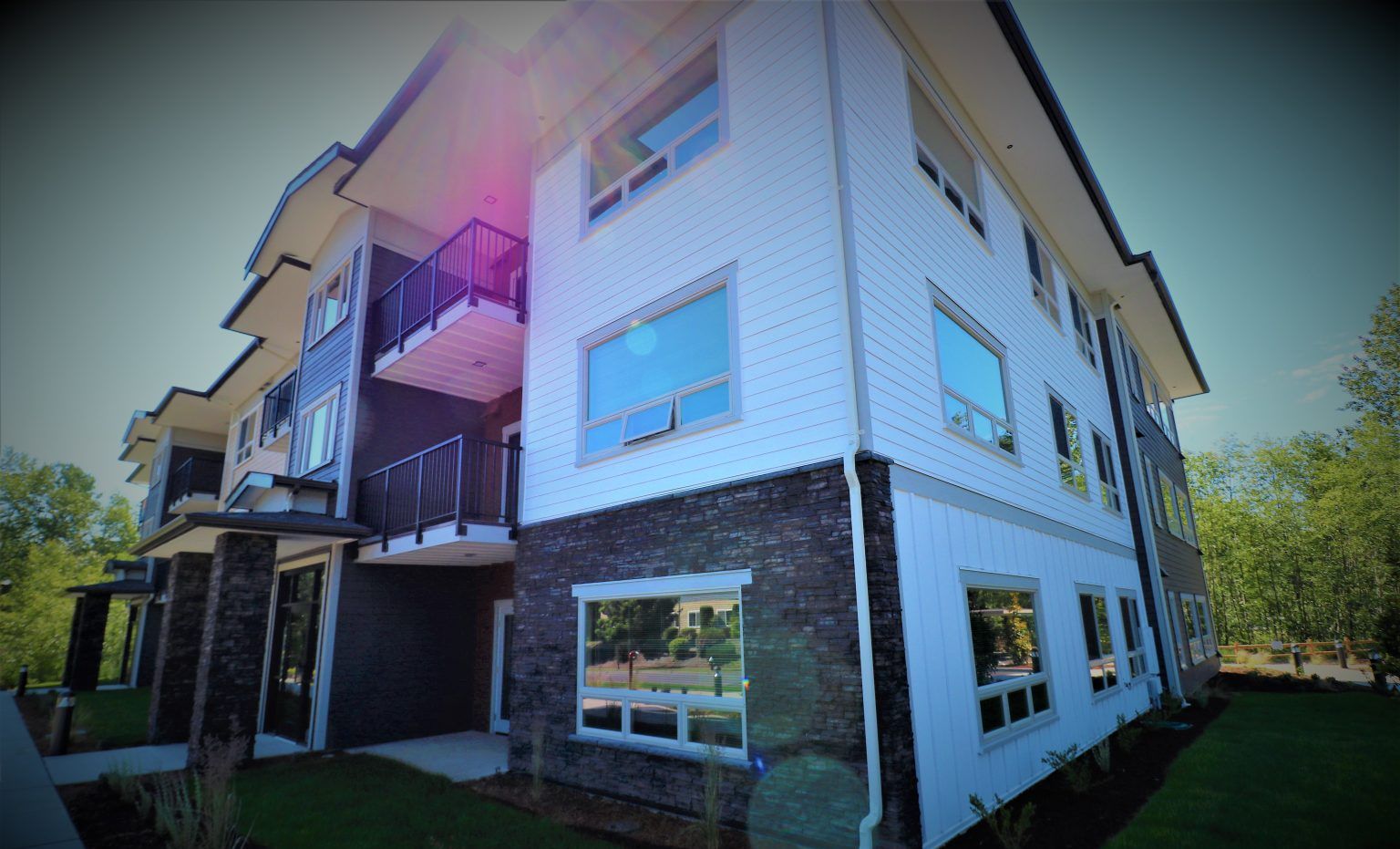
Homeowners in Lutz, Wesley Chapel, and the rest of northern Tampa Bay ask the same question early in almost every siding conversation: what does James Hardie fiber cement siding actually cost once it's installed on a real house, not a showroom sample? The honest answer is that it depends on more variables than any single number can capture — the size and shape of the house, what's coming off the walls now, how much trim work is involved, and how the Florida Building Code applies to the specific job. This page walks through realistic ranges for the Lutz and Pasco County market, the factors that push a project toward the low or high end, and what should show up on a complete, comparable quote. Alpine Exteriors puts these ranges together from work across Tampa Bay, not from a single best-case job, so treat every number here as a planning range rather than a promise.
For a typical single-family home in Lutz — roughly 1,800 to 2,800 square feet of exterior wall area, one or two stories, a mostly straightforward roofline — a full James Hardie fiber cement siding replacement usually lands somewhere in the neighborhood of $18,000 to $45,000 installed. Smaller homes with simple lines can come in under that; larger homes, homes with a lot of gables and dormers, or homes that need significant repair once the old siding comes off can run well past it. Fiber cement itself typically costs more per square foot than vinyl but less than most engineered wood siding once installation, trim, and finish are factored in, and the gap between fiber cement and other materials narrows once you account for how often vinyl needs replacing in a climate this rough on exterior materials.
The table below breaks out the main variables that move a Lutz-area James Hardie quote up or down. None of these numbers are quotes — they're the ranges Alpine Exteriors sees repeated across real Pasco and Hillsborough County jobs.
| Cost Factor | Typical Added Range | Why It Swings |
|---|---|---|
| Base installed cost — single story, lap siding, easy access | roughly $9–$13 per sq. ft. of wall area | Standard HardiePlank profile with factory ColorPlus finish and basic trim |
| Tear-off and disposal of existing siding | adds roughly $1–$3 per sq. ft. | Number of layers on the wall now and whether the old material is asbestos-era, wood, or vinyl |
| Sheathing, framing, or rot repair | adds roughly $500 to $5,000+ total | Central Florida humidity and past wind-driven rain intrusion often hide damage behind old siding until it's stripped off |
| Two-story height or a steep, cut-up roofline | adds roughly 10–25% | Staging, lift rental, and slower work around valleys, dormers, and tall gable ends |
| Trim and accent work (HardieTrim boards, shingle or board-and-batten accents) | adds roughly $2–$6 per sq. ft. on the trimmed area | More cuts, more fasteners, and more finish labor than plain lap coverage |
| Color and finish | can move the total either direction | Factory-applied ColorPlus finish costs more up front but avoids a separate paint line item for years |
A handful of conditions specific to this part of Florida push James Hardie projects toward the higher end of the range, and understanding them ahead of time makes quotes easier to interpret.
Wind and rain resistance matter more here than in most of the country. Pasco County follows the Florida Building Code, and wall assemblies in this region are built to the wind speeds mapped for this part of the state, well above what's required in most inland states. That means the water-resistive barrier, flashing details, and fastening schedule behind the siding aren't optional upgrades — they're part of a compliant install, and a contractor cutting corners on any of them is setting the house up for wind-driven rain intrusion during the next tropical system. James Hardie products used in Florida carry Florida Product Approval listings, and a reputable contractor should be able to show you the approval number for the specific product going on your house.
Humidity is the other constant. Tampa Bay's combination of heat and moisture is hard on any exterior material, and it's specifically hard on materials that can absorb water and hold it against the wall. Fiber cement doesn't rot, and it doesn't feed mold the way untreated wood siding can once moisture gets behind it, which is one of the real advantages of the material here — but the installation still has to manage moisture correctly with proper flashing, gapping, and caulking, or the benefit is lost. Intense UV exposure is a related factor: factory-applied ColorPlus finishes are formulated to hold color longer under strong Florida sun than field-applied paint, which is part of why that finish option costs more.
Termites are worth mentioning because they genuinely change the math on material choice, even if they don't show up as a line item on a siding quote. Subterranean termites are common throughout Pasco and Hillsborough counties, and wood or wood-composite siding gives them something to work with at ground level and around penetrations. Fiber cement is inorganic — it doesn't feed termites — so switching from wood siding to James Hardie removes an entire category of long-term risk, which matters more here than it would in a drier, colder climate.
Lutz itself sits inland, away from the immediate coastline, so salt-air corrosion — a real concern for homes directly on the Gulf or Tampa Bay waterfront — is a smaller factor here than it is in Clearwater or south Tampa. That doesn't remove humidity or wind exposure from the equation, but it's worth noting so homeowners don't pay for coastal-grade corrosion mitigation their home doesn't need.
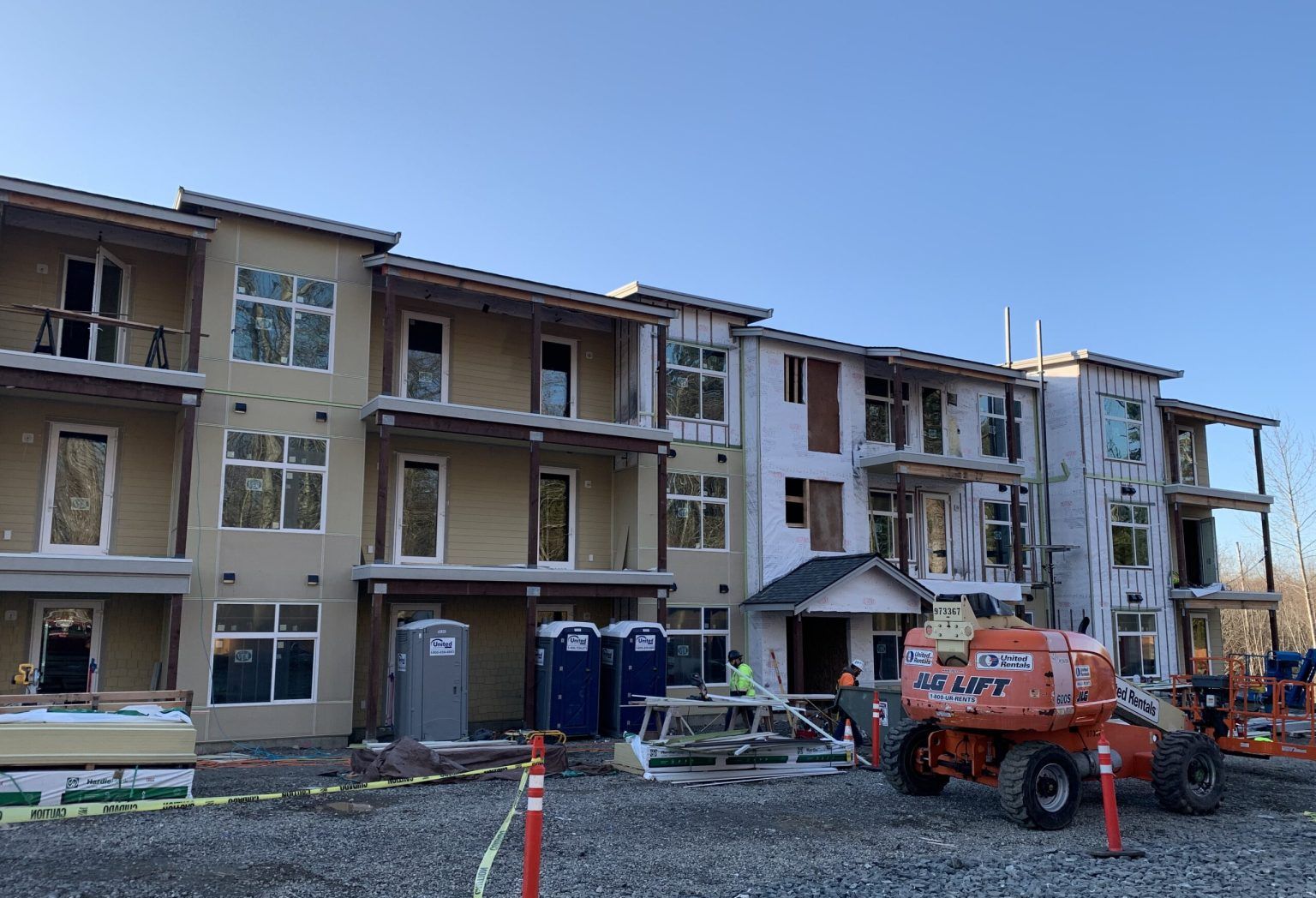
A number on a page is close to useless without knowing what it covers. A complete James Hardie quote for a Lutz home should spell out, at minimum:
If any of those items are missing from a proposal, ask for them before comparing price. A low number that's silent on flashing details or permits isn't actually a lower price — it's an incomplete one.
Because so many of the variables above are judgment calls, two contractors can walk the same house and come back with numbers thousands of dollars apart without either one being dishonest. The way to compare them fairly is to normalize what each quote actually includes before looking at the bottom line. Confirm that both quotes specify the same James Hardie product and finish, not a generic "fiber cement siding" line that could mean a lower-cost competitor product. Check whether tear-off, disposal, and any sheathing repair are included or treated as a likely add-on once the walls are opened up. Ask each contractor how they're addressing the water-resistive barrier and flashing, since that's the part of the job that determines whether the siding survives its first serious storm season, not just how it looks the day it goes up.
It's also worth asking how each estimate handles the unknown — what happens if there's rot or damaged sheathing behind the old siding. A contractor who has done enough of these jobs in Pasco County knows that's common enough to plan for, and a quote that includes a clear, reasonable allowance for it is usually more trustworthy than one that assumes a perfect wall underneath. Alpine Exteriors builds that expectation into its proposals rather than surprising homeowners with it mid-project.
Most homeowners financing a siding project in this price range use a home equity line of credit, a home improvement loan, or a contractor-facilitated financing plan; which option makes sense depends on your rate environment and other debts, and it's worth comparing terms rather than accepting the first offer. Because this is a planning page, not a lending offer, we won't quote specific rates or terms here.
On the insurance side, it's important to be realistic. The wind mitigation inspection reported on Florida's OIR-B1-1802 form primarily evaluates roof-related features — roof covering, roof deck attachment, roof-to-wall connections, and opening protection — so a siding replacement by itself typically does not generate a wind mitigation credit the way a roof retrofit can. What a code-compliant, permitted siding installation does provide is documentation: a closed-out permit, product approval paperwork, and evidence that the exterior envelope meets current Florida Building Code requirements. That documentation can matter during underwriting, at renewal, or if a claim is ever filed after storm damage, because it shows the work was done to code rather than informally. Keep copies of the permit, the product approval reference, and the final inspection for your records, and provide them to your insurance agent if asked.
Generally yes, on a per-square-foot installed basis. Vinyl siding typically costs less up front. The gap narrows over the life of the product, though, because vinyl can soften, warp, or fade under intense Florida UV and heat over the years, while fiber cement holds up longer under the same conditions and doesn't feed termites. Whether the higher upfront cost is worth it depends on how long you plan to stay in the home and how much you value not revisiting the siding again in a decade.
It's baked into the base installed price rather than broken out as a separate line item. Meeting the wind-load and water-resistive-barrier requirements that apply under the Florida Building Code takes more fastening, more flashing detail, and more labor time than a bare-minimum install in a lower-wind-speed part of the country. A contractor quoting a price well below the range on this page for a full James Hardie install may be skipping some of that detail rather than genuinely being more efficient.
Not directly, in most cases. The wind mitigation form insurers use in Florida is weighted heavily toward roof features rather than wall siding. A permitted, code-compliant siding job can still support your insurance file with documentation and may factor into an underwriter's overall view of the property's condition, but don't expect an automatic premium reduction the way a roof retrofit can produce.
For a straightforward single-family home with no major repair surprises, the installation itself often runs from roughly one to a few weeks depending on size, roofline complexity, and weather delays — Florida's summer storm pattern can push a schedule back with little notice. Homes that turn up significant sheathing or framing repair once the old siding is off will take longer, since that work has to be corrected before new siding goes up.
The ranges on this page are a starting point, not a substitute for someone walking your specific house. Alpine Exteriors is a licensed Florida contractor (RB29003900) serving Lutz, Land O' Lakes, Wesley Chapel, New Port Richey, Plant City, Zephyrhills, and the rest of Tampa Bay, and can put together a written, itemized James Hardie proposal after an on-site look at your home's size, current siding condition, and roofline. Reach out to schedule a walk-through and get a number you can actually compare against other bids.