
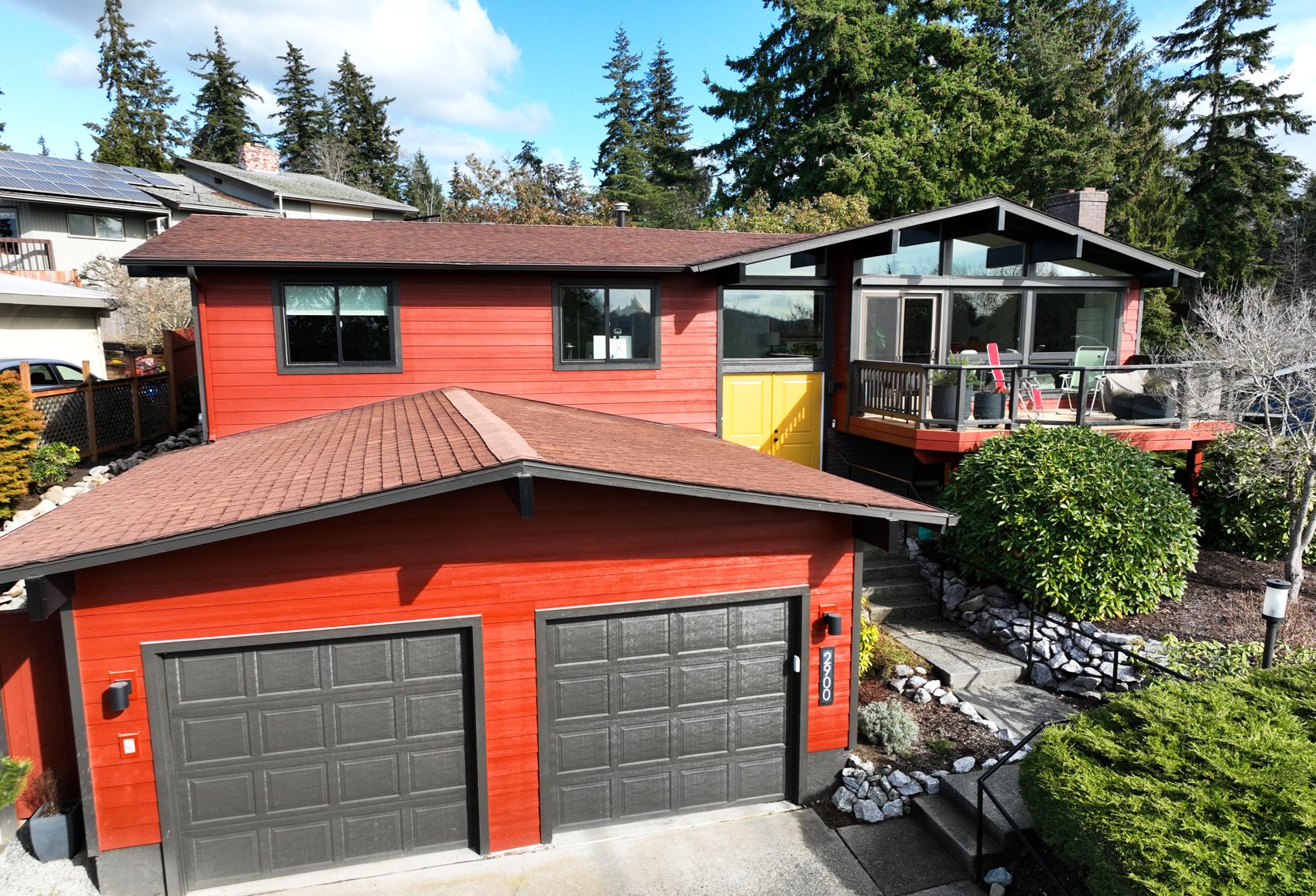
If you've started collecting quotes for siding replacement in Elfers, you've probably noticed the numbers don't line up neatly. One contractor's estimate is thousands less than another's for what looks like the same job. That gap usually comes down to material choice, how much of the wall assembly needs rebuilding once the old siding comes off, and whether the bid was written to meet current Florida Building Code requirements or just to look competitive on paper. Alpine Exteriors has priced and installed siding across Pasco County long enough to know that the honest answer to "what will this cost" is always a range, not a single number — and that the range is driven by a specific, identifiable set of factors, not guesswork.
Elfers homes run the gamut from 1970s-and-80s block ranch houses with wood or early aluminum siding to newer construction with house wraps and modern trim packages. That mix, plus the difference between installing over sound sheathing versus discovering rot once the old material is stripped, is why siding replacement costs here span a wide range rather than a fixed price per square foot. Vinyl siding replacement on a typical single-story Elfers home generally lands toward the lower-to-middle part of the regional range; fiber cement (James Hardie and similar products) runs meaningfully higher because of material cost, installation labor, and the extra fastening detail Florida's wind requirements call for. Two-story homes, homes with a lot of dormers or roofline breaks, and homes needing significant sheathing repair after tear-off all push toward the top of the range.
| Cost Factor | Low End of Range | High End of Range |
|---|---|---|
| Vinyl siding, straightforward one-story home | Lower end of typical regional pricing | Mid-range, especially with thicker/insulated panel options |
| Fiber cement siding, one to two stories | Mid-range, reflecting material and labor cost | Upper end of the regional range, particularly with detailed trim |
| Tear-off and disposal of existing siding | Modest add if one layer, easy access | Notably higher if multiple layers or lead-safe handling is needed on older homes |
| Sheathing/substrate repair | Minimal if wall deck is sound | Substantial if humidity or termite damage is found under the old siding |
| Trim, soffit, and fascia work bundled in | Small increase for spot repairs | Significant increase for full trim replacement |
| Wind-rated fastening and code-required house wrap upgrades | Built into most quotes at baseline | Higher when older assemblies need full compliance upgrades |
A handful of variables explain most of the spread between a low quote and a high one, and understanding them helps you read your own estimates more critically.
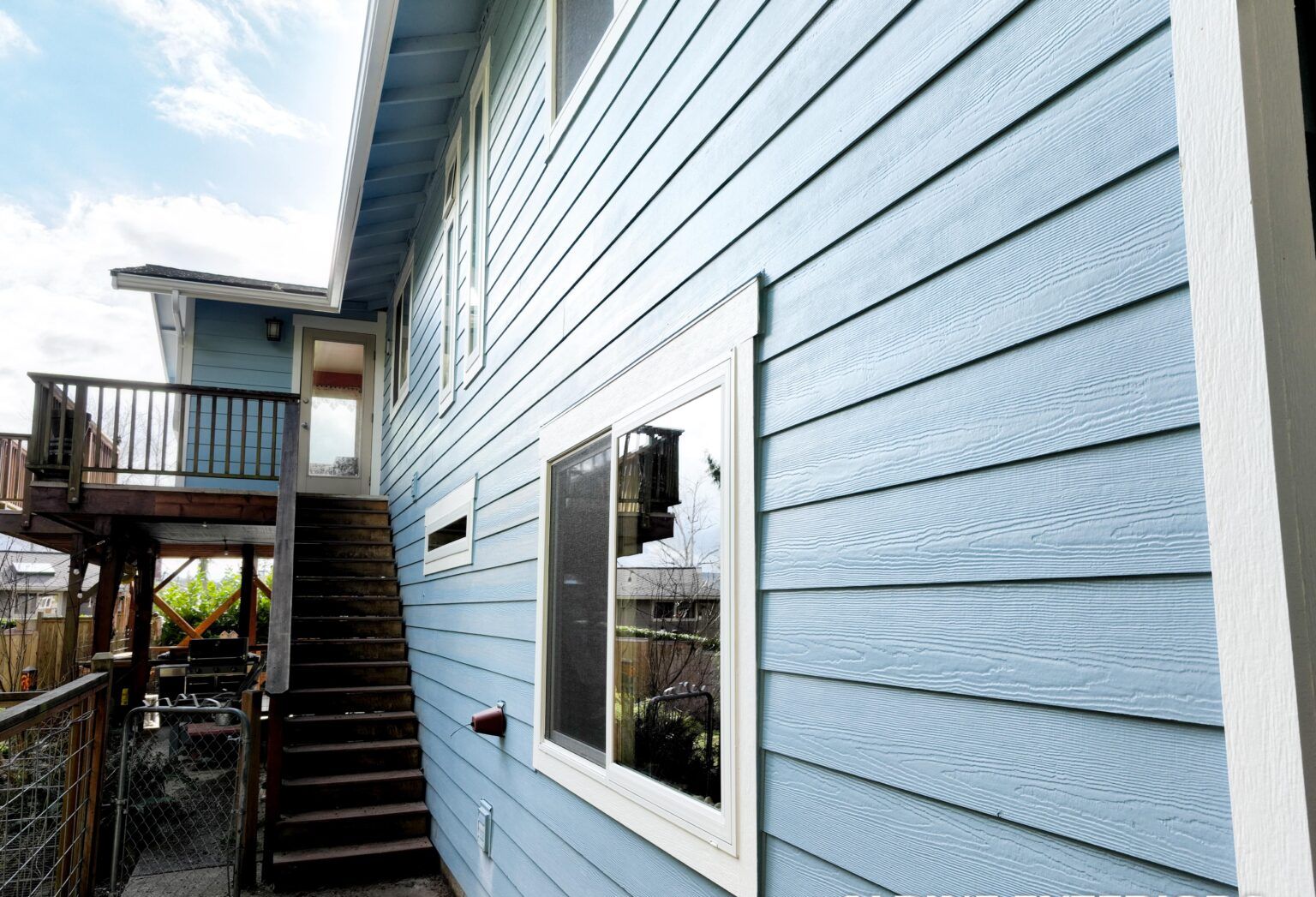
A complete, comparable quote for siding replacement in Elfers should spell out more than a total dollar figure. Look for the specific siding product and manufacturer, including its Florida Product Approval number, since that's what confirms it's rated for local wind pressures rather than a generic national listing. The quote should state whether tear-off and disposal of the existing siding is included, and whether the price assumes sound sheathing or includes an allowance for repair if rot or termite damage turns up once the walls are opened. It should specify the housewrap or weather-resistive barrier being used underneath — this layer matters more in Florida's humidity than in drier climates, since it's part of what keeps wind-driven rain from reaching the wall cavity. Fastener type and spacing should be addressed, particularly for fiber cement, where under-fastening is a common shortcut that undermines wind performance. Finally, confirm whether the price includes trim, soffit, and fascia work, permit fees, and cleanup, and get the manufacturer's warranty terms in writing along with the contractor's own labor warranty.
When quotes from different Elfers-area contractors vary by a wide margin, the difference is almost always in scope, not just markup. Start by making sure each bid lists the same siding product and thickness — a low bid using thinner vinyl or a builder-grade fiber cement panel isn't actually cheaper than a higher bid using a heavier product, it's a different product. Check whether tear-off, disposal, and sheathing repair allowances are included or listed as potential add-ons; a quote that looks low because it omits these will often end up costing more once the crew opens the walls. Ask each contractor directly whether their installation meets the fastening schedule required for your home's wind exposure under the Florida Building Code, and ask to see the product's Florida Product Approval documentation. It's also worth asking how they handle unexpected substrate damage — a contractor who gives you a clear per-panel or per-sheet repair rate up front is being straightforward; one who is vague about it is leaving room for a surprise. Alpine Exteriors writes quotes that spell out material, fastening method, and repair allowances specifically so Elfers homeowners can compare line by line rather than guessing at what's behind the total.
Many contractors, including Alpine Exteriors, offer financing options for siding replacement, which can make it easier to move forward with a full job rather than patching sections piecemeal — patched siding rarely matches in color or wind performance and can create weak points at the seams. On the insurance side, replacing siding is sometimes bundled with other exterior work as part of a broader wind mitigation effort, particularly if the existing siding or trim is damaged in a way that's affecting a wind mitigation inspection. Homeowners in Pasco County may already have or be pursuing an OIR-B1-1802 wind mitigation inspection form for their homeowners insurance; while siding itself isn't the primary driver of that form's discounts (roof-related items generally are), keeping the exterior envelope sound and properly fastened supports the overall wind performance picture insurers are assessing. It's worth asking your insurance agent whether your policy or carrier offers any consideration for verified code-compliant siding replacement, since practices vary. Get any financing terms and insurance-related claims in writing rather than relying on verbal assurances from a salesperson.
The biggest driver is scope, not just profit margin. Two contractors pricing the same house can land far apart if one includes full tear-off, sheathing repair allowances, and wind-rated fastening to current Florida Building Code requirements while the other quotes a bare material-and-labor number and treats repairs as a change order. Always ask each contractor to itemize what's included before comparing totals.
Both have a place. Vinyl siding typically costs less upfront and installs faster, but it can soften or warp under sustained heat and its color can fade faster under Florida's intense UV exposure over time. Fiber cement costs more initially and takes longer to install, but it generally holds up better to humidity, resists termites better than wood-based products, and tends to hold paint and color longer. The right choice depends on your budget, how long you plan to stay in the home, and your tolerance for a higher upfront cost versus longer-term durability.
It can, and homeowners should budget for that possibility rather than being surprised by it. Florida's humidity and subterranean termite activity mean sheathing and framing damage isn't always visible from outside, and it often isn't discovered until the old siding comes off. A contractor who won't discuss how they handle this ahead of time, or who quotes a suspiciously low flat price with no mention of possible substrate repair, is setting up a bigger surprise later. Ask for a stated repair rate before work begins.
Yes. Under the Florida Building Code, exterior products including siding must carry a valid Florida Product Approval showing they're rated for the design wind pressures applicable to your location, and installation must follow the fastening schedule tied to that rating. This isn't optional paperwork — it affects how the siding performs in wind-driven rain and storm events. A licensed, experienced contractor should be able to show you the product approval documentation for whatever siding they're proposing.
Ranges are useful for planning, but the only way to know what your specific home will cost is a walk-through that accounts for its size, current siding condition, and wind exposure. Alpine Exteriors, Florida contractor license RB29003900, serves Elfers and the surrounding Pasco County communities and can walk your property, explain what's driving your number, and put together a detailed, itemized quote so you know exactly what you're paying for before any work begins. Reach out to schedule an on-site estimate and get a straight answer instead of a guess.