
Yes, for most homes in the Tampa Bay area, James Hardie's HZ10 fiber cement formulation is one of the better siding choices available, because it's engineered specifically for hot, humid, high-UV climates like ours rather than adapted from a product built for somewhere colder. That doesn't mean it's the only good option or that every installation delivers on the promise — the material only performs as well as the crew that hangs it.
HZ10 is the version of HardiePlank and related Hardie products built for what James Hardie calls the humid, high-heat zone that covers Florida and most of the Gulf Coast. It's a different engineering recipe than the version sold in Minnesota or Montana, and the difference is not marketing — it shows up in how the board resists moisture cycling, holds paint, and stands up to sun exposure over the twenty-plus years homeowners here typically keep a house.
James Hardie sells its siding under a "HardieZone" system that splits the country into two engineering zones: HZ5 for regions with hard winter freeze-thaw cycles, and HZ10 for regions where the dominant stress is heat, humidity, and UV rather than ice. Tampa Bay falls squarely in HZ10 territory. The core material in both is still fiber cement — a mix of Portland cement, sand, and cellulose fiber — but the formulation and factory-applied finish are tuned differently for the climate each version is sold into.
In practice, HZ10 boards are formulated to manage moisture without the freeze-thaw cracking risk that drives the HZ5 recipe, and the factory finish (Hardie's ColorPlus baked-on coating, where it's specified) is built to hold color and resist fading under sustained, intense sun rather than survive repeated freezing. Because Florida almost never sees a hard freeze, the freeze-thaw engineering baked into HZ5 boards is simply unnecessary weight here — HZ10 spends that engineering budget on humidity and UV resistance instead, which is the more relevant threat in this market.
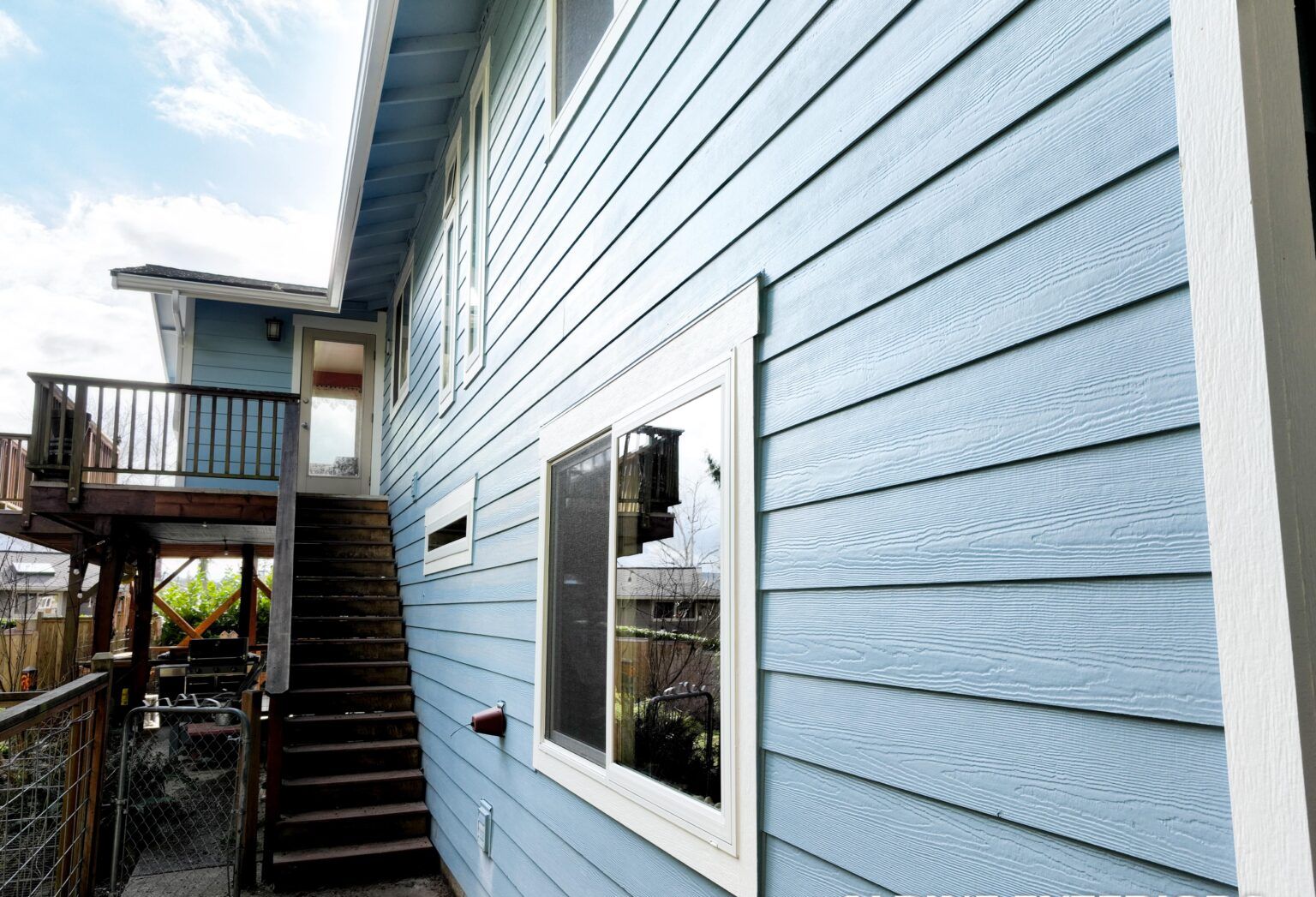
Fiber cement of either zone rating shares a few core advantages over other siding materials sold locally: it doesn't feed termites the way wood or wood-based composite siding can, it's noncombustible, and it holds its shape far better than vinyl in direct sun, which matters on west- and south-facing walls that bake all afternoon for most of the year.
Several conditions specific to this region matter more here than they would somewhere with a milder or drier climate, and they're the reason the HZ10 formulation exists in the first place:
None of these conditions are unique to Tampa Bay, but the combination — real hurricane exposure, sustained humidity, heavy UV, and termite pressure, all in the same market — is a specific enough profile that a siding product engineered for a different climate zone is a genuine downgrade here, not just a marketing distinction.
Confirm the product approval and fastening schedule before signing a contract. Every fiber cement product installed under the Florida Building Code needs a valid Florida Product Approval number, and the installer should be able to show which fastening pattern and nail type they're using to meet the wind pressure rating for your specific wall height and exposure category — this is not optional paperwork, it's what keeps the siding attached in a storm. Alpine Exteriors pulls permits and documents product approval on every siding job for this reason; it's worth asking any contractor to do the same before work starts.
Ask specifically for the HZ10 (not HZ5) product line and factory-finished ColorPlus boards where budget allows. Some suppliers stock whichever pallet is on hand, and a homeowner who doesn't ask may end up with the wrong zone formulation. Field-painted fiber cement is a legitimate lower-cost option, but it will need repainting sooner than a factory-baked finish under Tampa Bay sun, so factor that into the long-term cost comparison rather than just the install-day price.
Pay attention to installation details more than the product spec sheet. HardieZone performance depends heavily on correct gapping at butt joints and trim, proper clearance from grade and roof lines, and flashing that actually sheds water rather than trapping it against the board. A crew that rushes these details can turn a well-engineered product into a moisture problem within a few years, humidity being what it is here. This is the single biggest variable in how well any fiber cement siding performs long-term in this climate — more so than which brand or zone rating is on the label.
Consider a wind mitigation inspection while the exterior work is happening. The state's OIR-B1-1802 wind mitigation form is used by insurers to calculate windstorm premium discounts, and while it primarily evaluates roof shape, roof-to-wall connections, and opening protection rather than wall cladding itself, homeowners doing exterior work often find it's a convenient time to have that inspection done and see whether other upgrades — hurricane straps, impact-rated openings — would qualify for a discount.
Budget realistically. Fiber cement siding, HZ10 or otherwise, costs more upfront than vinyl and is typically installed in a range roughly comparable to mid-to-upper-tier wood siding once labor, trim, and paint or factory finish are factored in. As a rough planning range, expect fiber cement lap siding projects in this market to run somewhere in the neighborhood of $9 to $16 per square foot installed, though the actual number depends heavily on the home's size, how much of the existing sheathing needs replacement, and trim complexity — treat any figure given before a site visit as a placeholder, not a quote.
Be honest with yourself about the drawbacks. Fiber cement is heavier and more labor-intensive to install than vinyl, which means labor cost is a bigger share of the total project than the material itself. It's not maintenance-free — caulked joints and any field-painted surfaces still need periodic inspection, especially after storm seasons. And while it removes termite risk from the exterior cladding, it does nothing for termite pressure on the structural wood elsewhere in the house, so it's not a substitute for a termite bond or inspection program.
It's a genuinely different formulation and finish process, not just a label. James Hardie manufactures HZ10 boards to the engineering spec for hot, humid, high-UV climates, while HZ5 boards are formulated for regions with hard winter freeze-thaw cycles. The core fiber cement composition is similar, but the moisture handling and factory finish are tuned differently, and installers in Florida should be supplying HZ10, not HZ5, product.
The board itself contributes some rigidity, but wind performance in a storm comes mostly from the fastening schedule and installation method meeting the Florida Product Approval and Florida Building Code requirements for the home's wind exposure category, not from the siding material alone. Properly fastened HZ10 siding holds up well in wind-driven rain and gusts; poorly fastened siding of any brand can fail regardless of the product's rating.
It removes termites as a threat to the siding itself, since fiber cement isn't a food source the way wood is, and it resists moisture absorption better than wood-based siding, which reduces one contributor to mold growth on the exterior wall surface. It doesn't protect the framing, sill plates, or other wood structural components from termites, and it won't prevent mold that's caused by unrelated issues like poor attic ventilation or plumbing leaks.
Well-installed fiber cement siding with a factory finish commonly performs well for several decades in this climate, with the main maintenance being periodic caulk inspection and occasional repainting if the boards are field-finished rather than factory-coated. The honest caveat is that lifespan depends heavily on installation quality — correct gapping, flashing, and fastening matter as much as the product itself, especially given how much humidity and UV exposure this region puts on an exterior wall year-round.
If you're weighing HZ10 fiber cement against other siding options for a home in Tampa, Wesley Chapel, Lutz, Land O' Lakes, New Port Richey, Plant City, or Zephyrhills, Alpine Exteriors can walk your property, check what the Florida Building Code requires for your specific wall exposure, and give you a clear breakdown of what factory-finished HZ10 siding would actually cost installed correctly. Alpine Exteriors holds Florida contractor license RB29003900 and handles the permitting and product approval documentation as part of every siding project — not as an add-on. Reach out for a site visit before you commit to a material or a contractor.