
Avalon Park is one of the more visually consistent neighborhoods we work in across Wesley Chapel and greater Pasco County, and that consistency is by design. The community's architectural guidelines steer homeowners toward a coordinated palette, the tree canopy and lake lots create a lot of natural green and blue in the background, and the Florida sun is intense enough that whatever color you pick today needs to still look good in five or ten years. Below is our honest read on which siding colors actually work well here, why, and where we've seen homeowners run into trouble picking the wrong one.
For most homes in Avalon Park and the surrounding Wesley Chapel and Pasco County area, we steer clients toward warm greige, soft dove gray, or a warm off-white field color, paired with a slightly darker trim or shutter accent. These tones tend to clear architectural review committees without pushback, they hide the dust, pollen, and mild mildew film that Florida humidity produces between cleanings, and they hold their appearance under strong UV exposure better than either very light bright colors or very dark, saturated ones. A muted sage or olive green is our favorite accent option for homes that want a little more personality while still reading as a natural, landscape-friendly choice. None of these are flashy picks, but flashy is usually the wrong goal in a deed-restricted community with a lot of afternoon sun.
We didn't pick these colors out of a hat. When we walk a color decision with an Avalon Park homeowner, we're weighing the same handful of factors every time, and we think homeowners should know what those factors are before they fall in love with a swatch:
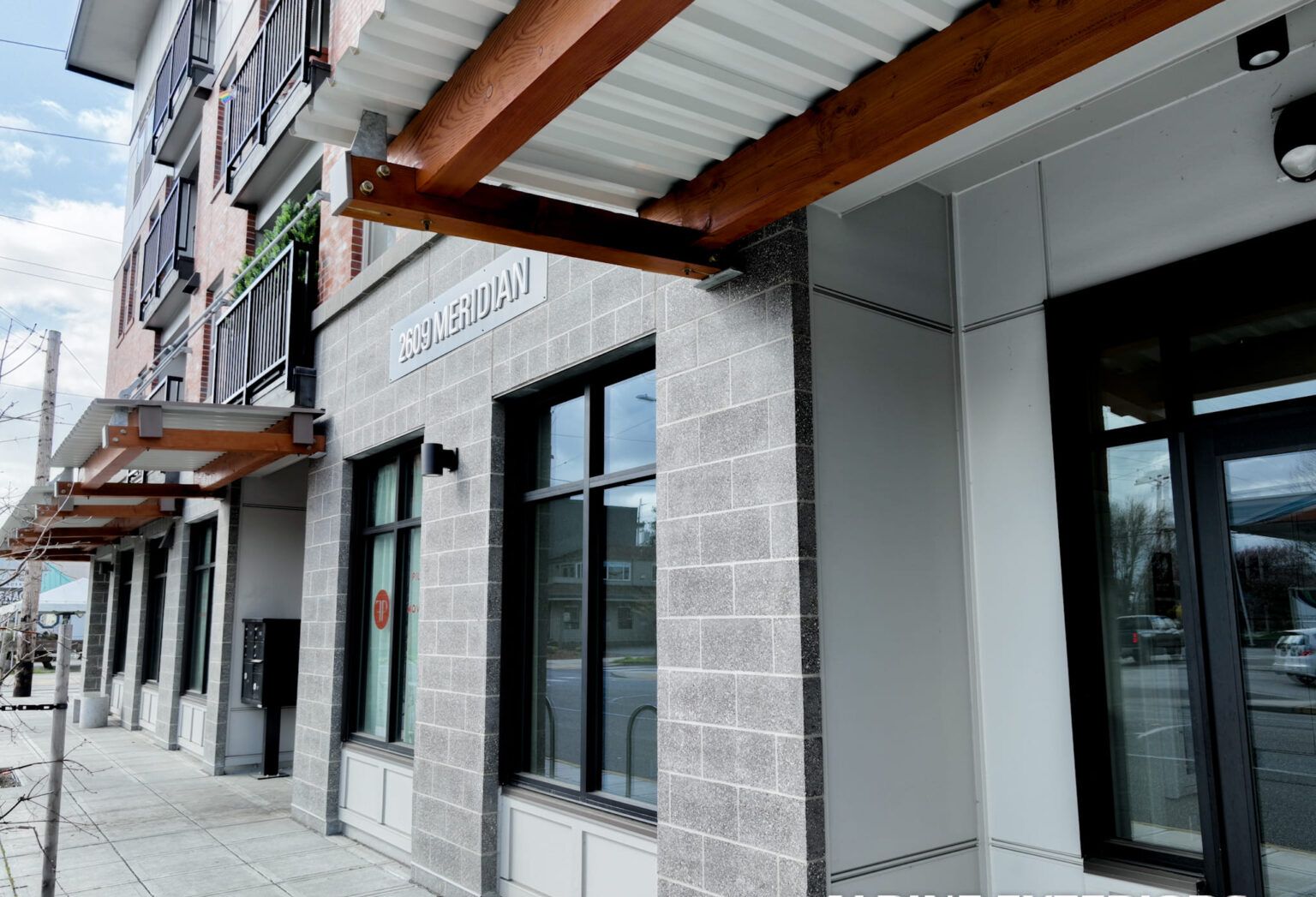
This is our top recommendation for most Avalon Park homes, and it's also the most commonly approved tone we see going through architectural review in this part of Wesley Chapel. Warm greige splits the difference between beige and gray, which means it reads as neutral and current without looking stark. It pairs well with the brick, stone, and stucco accents common on homes in this community, and it tends to photograph and age evenly, without the yellowing some warm beiges pick up after a few years in strong sun.
Pros: broad HOA acceptance, forgiving of pollen and light dirt, complements both cool and warm-toned roofing, holds its tone reasonably well under UV.
Cons: it's a popular choice, so it won't make your house stand out on the street, and cheaper pigment formulations in this color family can look slightly chalky as they age if the product isn't a quality line.
A step cooler than warm greige, soft dove gray works particularly well on homes with white or cream trim and darker roof shingles, which is a common combination in Avalon Park. It has a clean, slightly more modern look than greige without tipping into a color the architectural guidelines would flag as too far outside the approved range.
Pros: crisp against white trim, reads well next to the lakes and green space typical of the neighborhood, doesn't show pollen dust as readily as pure white.
Cons: in the wrong light, a poorly matched dove gray can look flat or slightly cold against warm brick; we always recommend viewing a physical sample on the actual house, in actual afternoon sun, before committing.
A warm white or cream field color, especially paired with a contrasting trim or shutter color, is a classic choice that generally sails through architectural review. It's a good option for homes that want a brighter, more traditional look rather than the greige and gray trend.
Pros: timeless, pairs with almost any trim or roof color, doesn't absorb much heat.
Cons: this is the color most likely to visibly show mildew film, pollen, and dirt streaking between cleanings in our humid climate, so plan on more frequent gentle washing to keep it looking sharp. It also shows lawn irrigation overspray and rust staining more than a mid-tone would.
Taupe and sand tones sit close to greige but lean slightly more brown, which some homeowners prefer because it feels warmer and less "builder gray." It's a solid match for homes with warm-toned stone accents or a Spanish- or Mediterranean-influenced roofline, both of which show up throughout Wesley Chapel.
Pros: warm and inviting without being a bold statement, generally within HOA-approved ranges, good camouflage for everyday dust.
Cons: a poorly chosen taupe can drift toward looking dated if it's too pink or too yellow undertoned; we recommend testing the sample against your actual brick, roof, and driveway rather than choosing from a small paint chip.
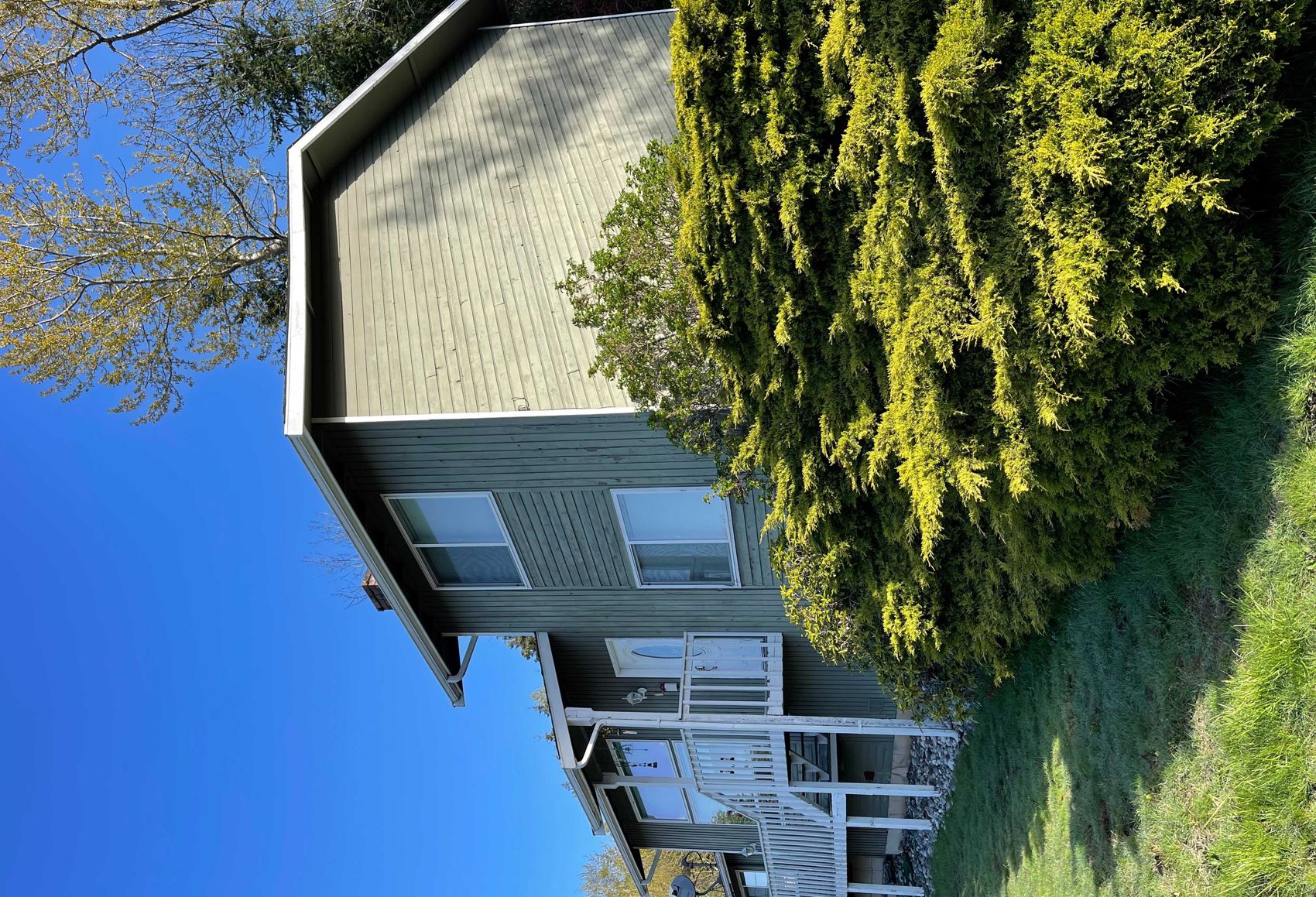
This is the accent choice we recommend most often for owners who want their home to feel connected to the wooded, lake-adjacent character of Avalon Park without going outside what the community typically approves. A muted, grayed-down sage reads as a natural extension of the landscape rather than a bold design statement, which matters both for curb appeal and for architectural review.
Pros: distinctive without being loud, complements the oak canopy and pond lots common in this neighborhood, generally well received by review committees when used tastefully.
Cons: a sage or olive that's too saturated will fade faster and more noticeably under intense UV than a true neutral, so this only works long-term with a well-pigmented product; we don't recommend it as a full-field color on homes without significant shade, only as a body color on well-shaded lots or as an accent.
A few choices come up often enough in homeowner conversations that they're worth addressing directly, even though we don't recommend them for most Avalon Park lots.
It's worth noting that color choice sits on top of a material decision, and in this climate the material matters as much as the shade. Fiber cement siding holds paint and factory-applied color longer under intense UV than many lower-grade vinyl products, and it resists the subterranean termite pressure that's common throughout Central Florida in a way that untreated wood siding does not. Whatever color you land on, it needs to be installed on a product with current Florida Product Approval and rated for the wind loads required under the Florida Building Code, since Pasco County inspectors will check that during permitting regardless of what shade you've chosen.
Yes, in most cases. Avalon Park operates under community architectural guidelines that steer homeowners toward a coordinated, approved color range, and exterior changes typically require submitting your selection for review before installation. We recommend confirming your specific section's current guidelines and getting written approval before ordering material, since requirements can be updated and can vary slightly by phase within the community.
Generally, yes, darker and more saturated colors show visible fading and chalking sooner than mid-tone neutrals under Central Florida's consistent, intense UV exposure. Sun-facing elevations will fade first and faster than shaded sides, which can create a noticeably uneven color over time on darker choices. Mid-tone grays, greiges, and creams tend to show this effect the least.
Fiber cement and engineered wood products with a factory-applied, baked-on finish tend to perform well against Florida's combination of high humidity, mold pressure, and wind-driven rain during storm season, and fiber cement in particular holds up well against termite activity, which is a real concern for wood siding throughout this region. Whatever material you choose, it should carry current Florida Product Approval and be rated for the wind loads applicable to your address under the Florida Building Code.
Siding itself isn't usually the main factor on the OIR-B1-1802 wind mitigation inspection form, which focuses more heavily on roof shape, roof-to-wall connections, and opening protection, but installing siding rated for your required wind load under the Florida Building Code, with proper fastening and flashing, matters for the overall wind and water resistance of your home. If you're planning other exterior upgrades alongside new siding, it's worth asking your contractor how the project interacts with your existing wind mitigation inspection.
Picking a siding color that clears Avalon Park's architectural review, holds up under Central Florida sun, and still looks like you five years from now is easier with a physical sample on your actual wall rather than a swatch on a screen. Alpine Exteriors works throughout Wesley Chapel, Lutz, Land O' Lakes, New Port Richey, Plant City, and Zephyrhills, and we can bring color samples to your home, walk you through what's likely to clear your community's review, and quote a Florida Product Approval-rated siding system suited to your property. Contact Alpine Exteriors (FL license RB29003900) to schedule a consultation and see samples in your own light.