
Bayonet Point sits in a stretch of unincorporated Pasco County where canal-front lots, scrub oak and pine tree canopy, and mixed housing stock from 1970s ranch homes to newer HOA-governed developments all sit a short drive from the Gulf. Picking a siding color here isn't just an aesthetic call. Florida's UV load fades pigments faster than most of the country sees, humidity feeds algae and mildew growth on shaded walls, hurricane season demands products that meet Florida Building Code wind and water-intrusion standards, and many Bayonet Point streets fall under a homeowners association with an architectural review committee that has opinions about your color chip before you ever pick up a paintbrush or order a siding panel. This guide walks through what actually holds up in this specific pocket of Pasco County, color family by color family, with the honest tradeoffs included.
For most Bayonet Point homes, we steer customers toward warm light neutrals — sandstone, dune, light greige — or soft coastal blues and sea-glass greens, generally paired with a white or light-gray trim. These choices reflect rather than absorb heat, hide the fine dust and pollen film that settles on siding between rains, read as move-in-ready to future buyers, and almost never trigger a second look from an HOA committee. Crisp classic white is a close second where the lot has enough tree cover to keep glare in check. None of these are exotic recommendations — they're simply the colors that keep looking good after three or four Florida summers, which is the real test.
A color that looks great on a mood board in Ohio can look wrong — or perform badly — on a house two miles from the Anclote River. We weighed every option against conditions that are specific to Bayonet Point and the surrounding Tampa Bay area:
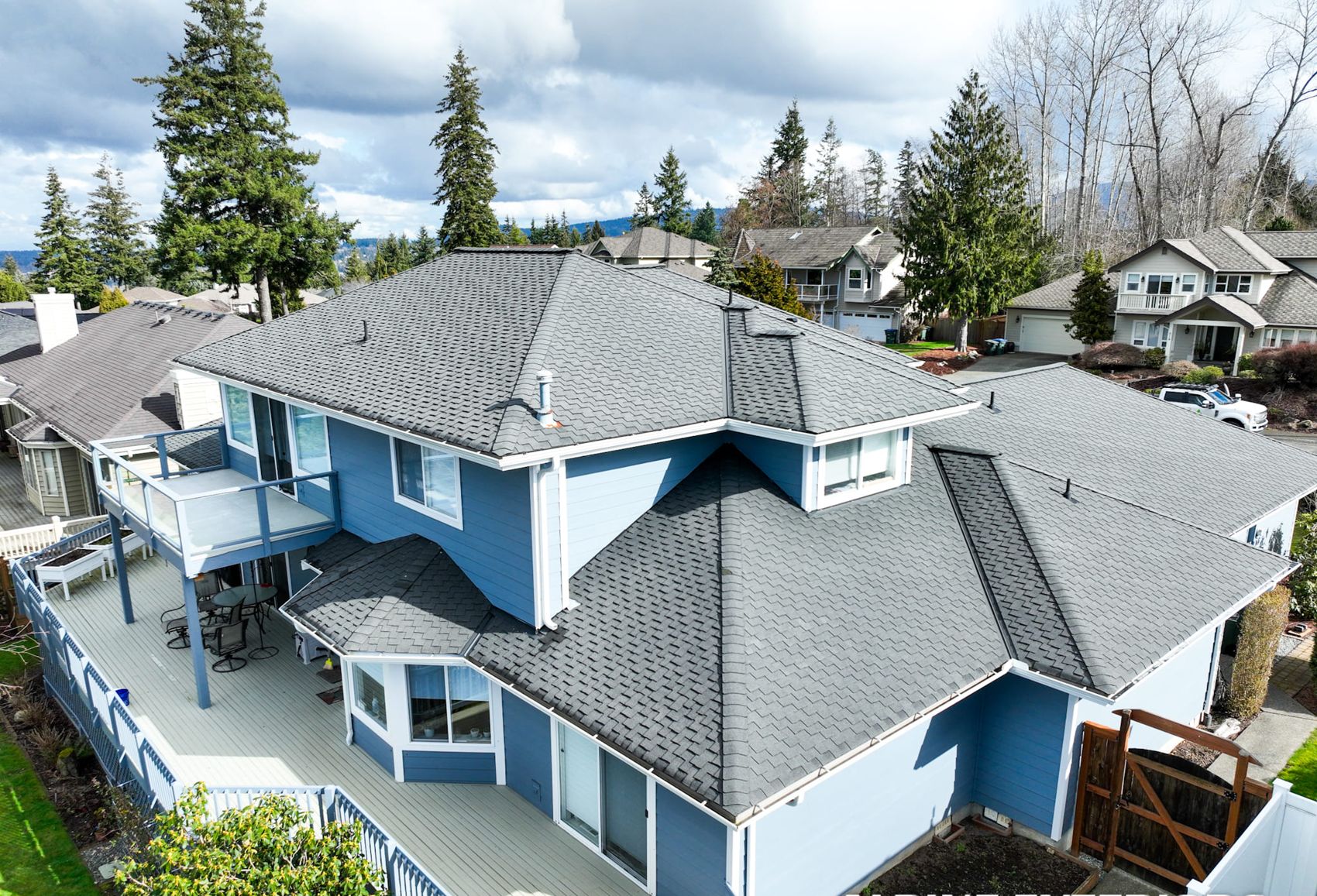
Warm light neutrals are the safest, most consistently good-looking choice for this part of Pasco County, and they're what we recommend most often when a homeowner has no strong preference already.
Pros: These tones hide pollen, dust, and the fine sandy grit that blows in off unpaved shoulders and construction sites without needing a wash every few weeks. They reflect more solar heat than dark colors, reducing the risk of heat-related panel distortion on vinyl siding. They also align almost perfectly with the "earth tone" language used in most Pasco County deed restrictions, so approval is rarely an issue. On resale, buyers consistently respond well to warm neutrals paired with white trim.
Cons: They can read as plain or forgettable next to a more distinctive neighbor, and in developments where several homes already use similar shades, your house may blend in rather than stand out. Very light greige can also show mildew streaking under shaded soffits faster than a slightly darker warm tone would, so gutter maintenance and periodic soft-washing still matter.
Given the canal-front and near-Gulf character of much of Bayonet Point, muted coastal blues and soft greens are a popular way to nod to the waterfront setting without going bold.
Pros: Soft, desaturated blues and greens photograph beautifully against Florida's greenery and blue skies, and they tend to fade more gracefully than saturated versions of the same hue because there's less pigment intensity to lose. They're also generally well received by HOA committees that allow a coastal palette alongside pure neutrals.
Cons: Not every association will approve a blue or green as readily as a neutral — some Bayonet Point HOAs restrict color choices to a narrower approved list, so this is a category where you genuinely need to check the architectural guidelines before ordering material. Cheaper, deeply saturated versions of these colors (as opposed to the muted, gray-based versions) will fade noticeably within a few years under constant Florida sun, so if you go this route, it's worth insisting on a manufacturer's fade-resistant or UV-stabilized formulation rather than a bargain-tier product.
White and light gray remain a dependable choice, especially on homes with mature tree cover that softens direct glare.
Pros: White is the most heat-reflective option available, which is genuinely useful on west-facing walls that take the brunt of Florida's afternoon sun. It pairs cleanly with almost any roof color, landscaping style, or trim accent, and it's essentially never flagged by an HOA. Light gray offers the same benefits with a slightly more contemporary look.
Cons: On a lot with little shade, bright white can produce noticeable glare in direct afternoon sun, which some homeowners find uncomfortable to look at from their own driveway or pool deck. White and very light gray also show mildew and algae staining more visibly than a warm mid-tone, since the contrast between clean siding and organic growth is more obvious — expect to budget for more frequent exterior washing to keep it looking sharp.
Used sparingly, usually on a single accent wall, gable, or shutters rather than the whole house, deeper tones can give a Bayonet Point home real character.
Pros: A dark accent against a light field siding creates visual depth and can make architectural features stand out in a way an all-neutral house sometimes can't. Modern fiber cement and higher-end vinyl lines now offer dark colors with improved heat-reflective and UV-stable formulations specifically designed to reduce the warping and fading risk that plagued older dark siding products.
Cons: Even with better formulations, dark colors absorb more heat and fade faster than light ones under Florida's sun — physics hasn't changed, only the margin for error has improved. Full-house dark siding is also the category most likely to draw HOA committee pushback in Bayonet Point's more tightly restricted developments, and it tends to show dust, water spots, and pollen film more visibly between cleanings than a mid-tone would.
A few categories consistently cause problems for homeowners in this area, regardless of how good they look in a showroom sample:
Many communities in this part of Pasco County do have deed restrictions or an active homeowners association with an architectural review committee that must approve exterior color changes before work begins, though the strictness varies significantly by subdivision. Before ordering material, check your recorded deed restrictions or HOA architectural guidelines, or ask your HOA management contact directly — Alpine Exteriors can also help pull samples that match commonly pre-approved palettes so you're not guessing.
Older or thinner vinyl siding in dark colors can warp or buckle on south- and west-facing walls because dark colors absorb more solar heat, and this risk is real in a climate with as many full-sun days as Pasco County sees. Newer vinyl lines with heat-reflective technology have reduced this risk considerably, but it hasn't been eliminated, so if you want a dark color, ask specifically about the product's heat-reflective rating rather than assuming all dark siding performs the same.
Most homes in this humid, tree-shaded area benefit from a soft wash roughly once or twice a year to remove pollen film, dust, and early mildew or algae growth before it sets into the surface, with north-facing and heavily shaded walls typically needing attention more often than sun-exposed elevations. Lighter and mid-tone colors tend to show this buildup sooner than warm neutrals, which is one more reason those neutrals stay popular here.
No — color is a surface finish and has no bearing on a siding product's engineering performance. What matters for storm readiness is that the installed product carries a current Florida Product Approval number and is installed to Florida Building Code wind and water-intrusion requirements for your exposure category; you can choose any approved color on a compliant product without affecting that rating.
Every lot in Bayonet Point gets a slightly different mix of sun, shade, and HOA rules, and the right siding color is the one that holds up under your specific conditions rather than a generic list. Alpine Exteriors, Florida-licensed contractor RB29003900, works throughout Pasco County and the wider Tampa Bay area and can bring physical samples to your home, check them against your neighborhood's architectural guidelines, and recommend a product with the fade resistance and wind rating your address actually needs. Reach out to Alpine Exteriors to schedule a no-obligation consultation and see real samples against your home's existing brick, roof, and landscaping before you commit to a color.