
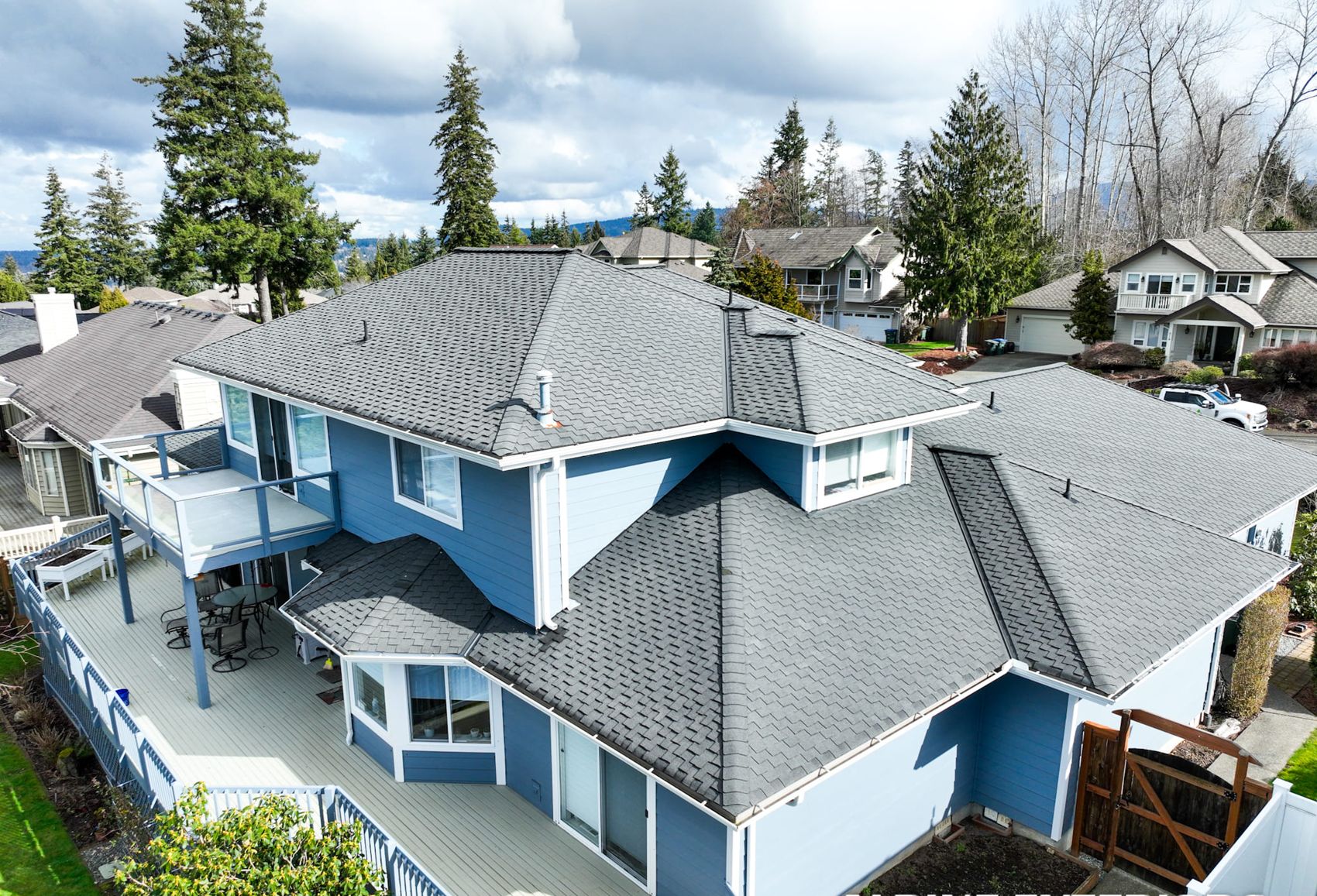
Replacing the siding on a Bayonet Point home is a bigger job than most homeowners expect, mostly because Pasco County's coastal-influenced climate changes how the work has to be sequenced. Between the humidity that rolls in off the Gulf, the wind-driven rain that comes with every summer storm, and the Florida Building Code's wind load requirements, a siding job here isn't the same as a siding job in a drier, calmer part of the country. This page walks through what actually happens, in order, from the first estimate to the final walkthrough, so you know what to expect and what to ask any contractor you're considering, including Alpine Exteriors.
For a typical single-family home in Bayonet Point, the physical tear-off and re-installation of siding usually runs somewhere between two and five working days, depending on the size of the house, how many stories it has, and how much sheathing repair is uncovered once the old siding comes off. That said, the installation window is only part of the real timeline. Add in the permitting process with Pasco County, HOA design review if your neighborhood has one, and material lead times, and the full project from signed contract to finished install commonly stretches four to eight weeks. Afternoon thunderstorms during the June-through-September wet season are the most common source of schedule slippage, since siding crews generally won't work with an open wall once rain is likely — wind-driven rain can get behind an unprotected wall assembly in minutes. A contractor who gives you a one-week turnaround for a full Bayonet Point siding job, permits included, is either underestimating the county's review time or skipping steps.
Siding replacement in unincorporated Pasco County, which covers most of Bayonet Point, requires a building permit reviewed against the Florida Building Code. Because this area sits in a wind-borne debris region, the code requires that the siding product itself carry a Florida Product Approval (or in some cases a Miami-Dade Notice of Acceptance used as an alternative path) showing it's rated for the wind pressures at your specific site. This isn't paperwork for its own sake — it's what determines whether the fastening pattern, the type of house wrap, and the flashing details will actually hold up in a named storm. A licensed contractor pulls this permit and is listed of record on it; if a contractor offers to skip the permit "to save time," that's a warning sign, not a convenience.
If your section of Bayonet Point falls under a homeowners association, check your HOA's architectural review requirements before you pick a color or profile. Many Pasco County HOAs require a submittal with the proposed siding sample and color, and approval can take anywhere from a week to a full board meeting cycle. It's worth starting that conversation the same week you get your estimate, not after materials are ordered, since a rejected color choice after ordering means a costly re-order.
New siding is also a natural moment to revisit your wind mitigation inspection. The OIR-B1-1802 form, which Florida insurers use to rate windstorm coverage, documents things like roof-to-wall attachment and opening protection — and while siding itself isn't the main driver of that form, any exterior work is a good trigger to have the inspection updated if it's more than a few years old, since it can affect your premium.
Material lead times vary by product. Vinyl siding rated for Florida's higher wind zones is often the fastest to source, sometimes two to three weeks. Fiber cement siding, which many Bayonet Point homeowners prefer for its resistance to moisture and its Class A fire rating, typically runs three to six weeks depending on the profile and color, especially for factory-primed or pre-finished options. If you're set on a specific color or a less common lap width, build extra time into your schedule.
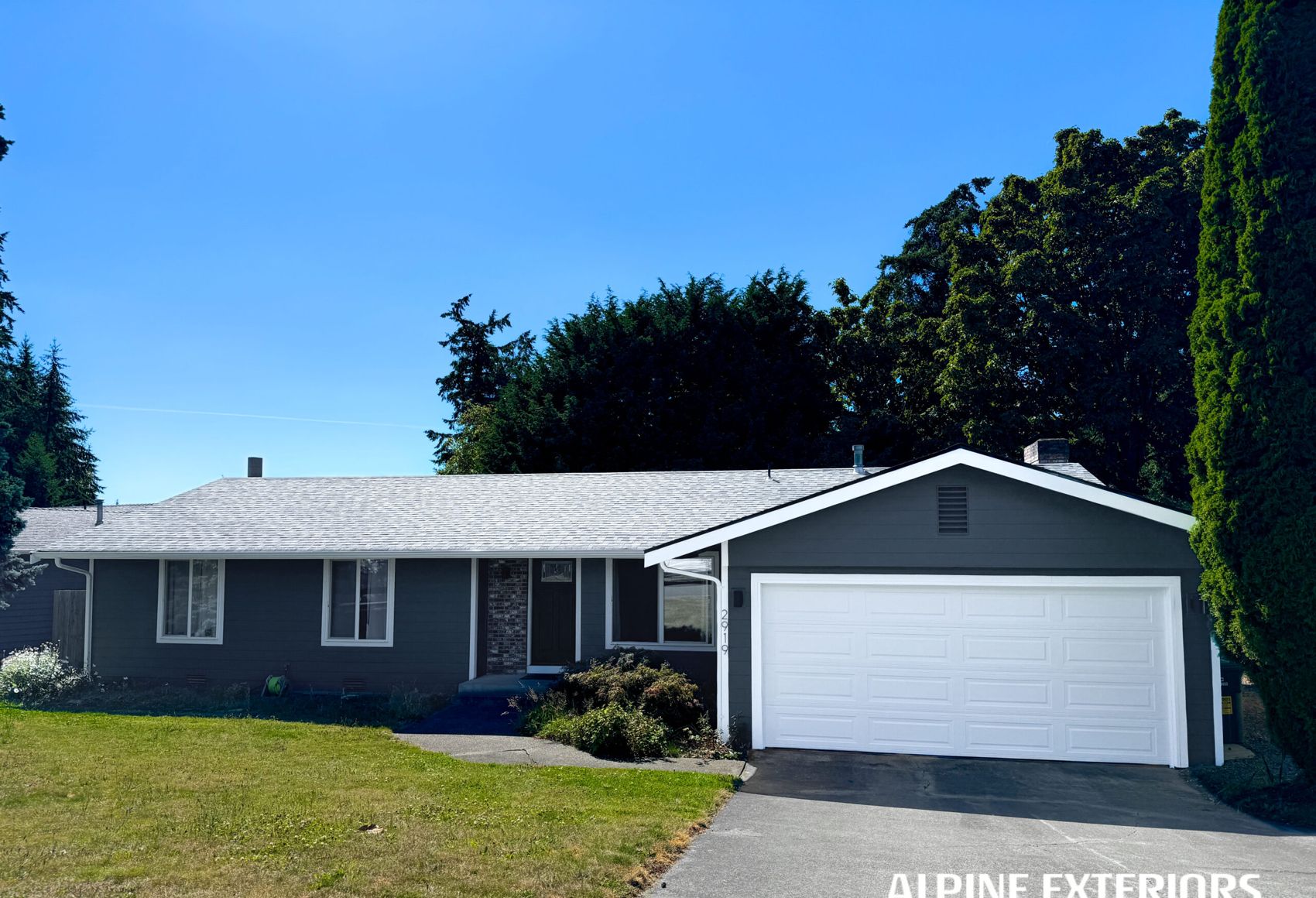
Once permits are in hand and materials are on site, the actual installation follows a fairly consistent sequence:
A little preparation on your end keeps the job moving. Move vehicles away from the driveway and out from under any overhangs where debris could fall. Bring in or relocate patio furniture, potted plants, wall-mounted lighting, and anything hanging near the exterior walls. If you have wall-mounted items inside near exterior walls — mirrors, shelves, picture frames — it's worth taking those down too, since nailing and impact on the outside can loosen fasteners on the inside. Trim back shrubs or landscaping that's grown tight against the house so crews have clear access. Expect noise during tear-off and nailing, and expect exterior faucets, outlets, and dryer vents in the work area to be temporarily inaccessible. If you have pets, keep them away from open work zones — old siding often has sharp edges and exposed nails during tear-off. None of this is unusual for exterior construction, but knowing it ahead of time avoids surprises on day one.
Once installation wraps, Pasco County requires a final building inspection to close out the permit, confirming the work matches the approved plans and product approval documentation. A reputable contractor schedules this and doesn't consider the job complete until it passes. On the contractor's side, cleanup should include a magnetic sweep of the yard and driveway for stray nails and screws, removal of all old siding and packaging material, and a check that gutters and downspouts weren't left full of debris from the tear-off. The final walkthrough is your chance to look over seams, corners, and caulking up close, check that trim around windows and doors is tight, and raise anything that doesn't look right before the crew leaves. Take your time on this step — it's much easier to address a loose panel or a gap in caulking before everyone packs up than to schedule a separate return trip.
New siding typically comes with two separate warranties: a manufacturer's warranty covering the material itself against defects, and a workmanship warranty from the installing contractor covering the labor. It's worth reading both, since manufacturer warranties on fiber cement and vinyl products often prorate coverage over time and can have specific maintenance requirements to stay valid. On the maintenance side, Bayonet Point's proximity to the Gulf means salt-laden air can leave a film on exterior surfaces over time, and periodic rinsing with a garden hose helps prevent buildup, especially on north-facing walls that stay shaded and damp longer after rain. Avoid using a pressure washer directly against seams and edges, since forcing water behind the siding defeats the moisture barrier underneath. It's also worth doing a quick visual check after any significant storm — looking for lifted panels, damaged corner trim, or cracked caulking — since catching wind damage early is far cheaper than repairing water intrusion that's had months to spread.
The hands-on installation is usually a few days to about a week for an average home, but the full project — including the Pasco County permit, any HOA approval, and material lead time — typically takes four to eight weeks from signed contract to finished walkthrough. Summer thunderstorms can add delays since crews generally pause work when an open wall would be exposed to rain.
It should, but only if the product carries a valid Florida Product Approval for the wind pressures at your address and the installer follows the manufacturer's required fastening pattern for that rating. This is one of the main reasons the permit and inspection process matters — it's the check that confirms the wind rating on paper matches what actually went on the wall.
Often, yes, when the underlying moisture barrier and flashing are done correctly. A properly lapped house wrap and correctly flashed windows and doors give wind-driven rain and ambient humidity far fewer paths into the wall assembly than older or improperly installed systems. It's not a guarantee against every moisture issue, especially if there's an unrelated roof or grading problem, but it addresses one of the most common sources.
Yes. Siding replacement is permitted work under the Florida Building Code in unincorporated Pasco County, and the permit is what ties the installed product's wind rating and installation method to an inspected, documented record. A licensed contractor handles this as part of the job rather than treating it as optional.
If you're weighing a siding replacement in Bayonet Point, Alpine Exteriors can walk your property, explain what condition your current sheathing is likely in based on your home's age and siding type, and lay out realistic timing for permitting, material lead times, and installation. Alpine Exteriors holds Florida contractor license RB29003900 and works throughout the greater Tampa Bay area, including Bayonet Point and the rest of Pasco County. Reach out for an on-site estimate before you commit to a material or a schedule — it's easier to plan around Florida's permitting and weather realities from the start than to work around them later.