
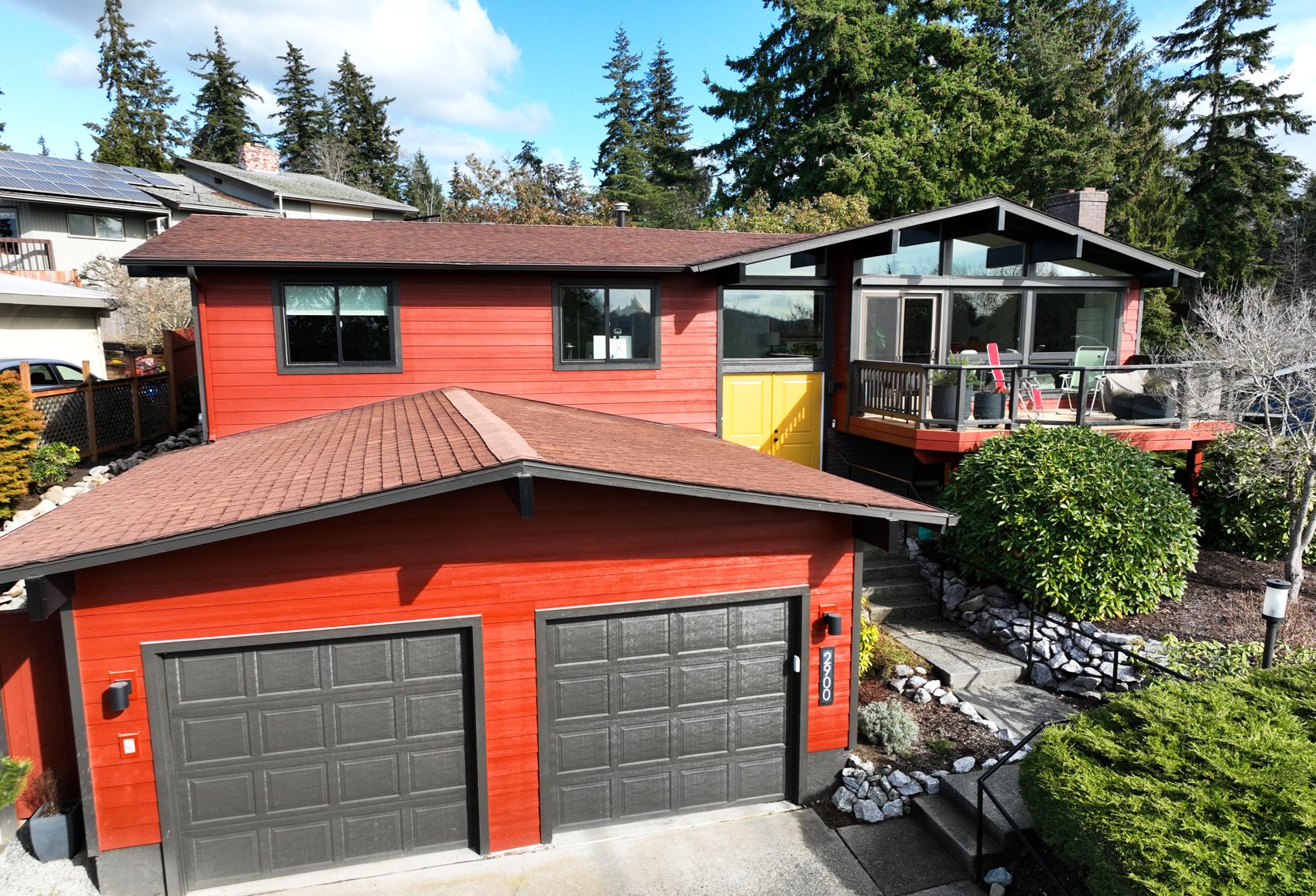
Siding replacement in Thonotosassa is rarely just a cosmetic swap. Because the job also touches the sheathing, the moisture barrier, and the flashing details that keep wind-driven rain out of the wall cavity, a properly done project is closer to rebuilding the exterior envelope than to hanging new panels over what's already there. That's worth knowing up front, because it shapes both the timeline and the scope a homeowner should expect to see in a proposal.
For a typical single-family home in Hillsborough County, the on-site labor - tear-off through final trim - usually runs somewhere between four and eight working days, depending on the size of the house, the siding material chosen, and how much of the substrate underneath turns out to need repair. The full process, from signed contract to final walkthrough, is usually longer: six to ten weeks is a realistic range once material ordering, permitting, and any HOA review are factored in. Afternoon thunderstorms are routine in Hillsborough County from roughly June through September, so crews plan around morning work blocks during that stretch and build in a little schedule slack; a project that would take a week in February can easily take nine or ten days in August.
Thonotosassa is unincorporated Hillsborough County, so building permits for exterior work go through the county's permitting office rather than a city hall. A full siding replacement - especially one that exposes and replaces sheathing or house wrap - almost always requires a permit, and a county inspector will need to review the work at one or more points before it's considered closed out. A Florida-licensed contractor should pull that permit under their own license number; Alpine Exteriors holds Florida contractor license RB29003900 and handles permitting as part of the project rather than leaving it to the homeowner.
The Florida Building Code sets the wind load a wall assembly in Hillsborough County has to withstand, based on the design wind speed mapped for this part of the Tampa Bay region. The siding products themselves need a Florida Product Approval (an FL number) or an equivalent engineering evaluation showing they're rated for that pressure. This isn't paperwork for its own sake - Tampa Bay sees tropical systems move through most hurricane seasons, and siding that isn't rated and fastened correctly for the local wind load is exactly what comes loose first, opening a path for wind-driven rain to get behind the wall.
Many neighborhoods around Thonotosassa, particularly newer subdivisions, have an HOA or deed restrictions that govern exterior color and material choices. If that applies, it's worth submitting the architectural review request as soon as a material and color are chosen, since HOA turnaround can take a couple of weeks and it's smart to run that in parallel with permitting rather than after it.
Material lead times are the other variable that's easy to underestimate. Fiber cement siding, certain vinyl profiles, and specialty trim colors are frequently backordered at the manufacturer level, and lead times anywhere from one to six-plus weeks aren't unusual. Ordering typically starts right after the contract is signed and the house is measured, which is why the gap between signing and the first day of tear-off is often longer than homeowners expect.
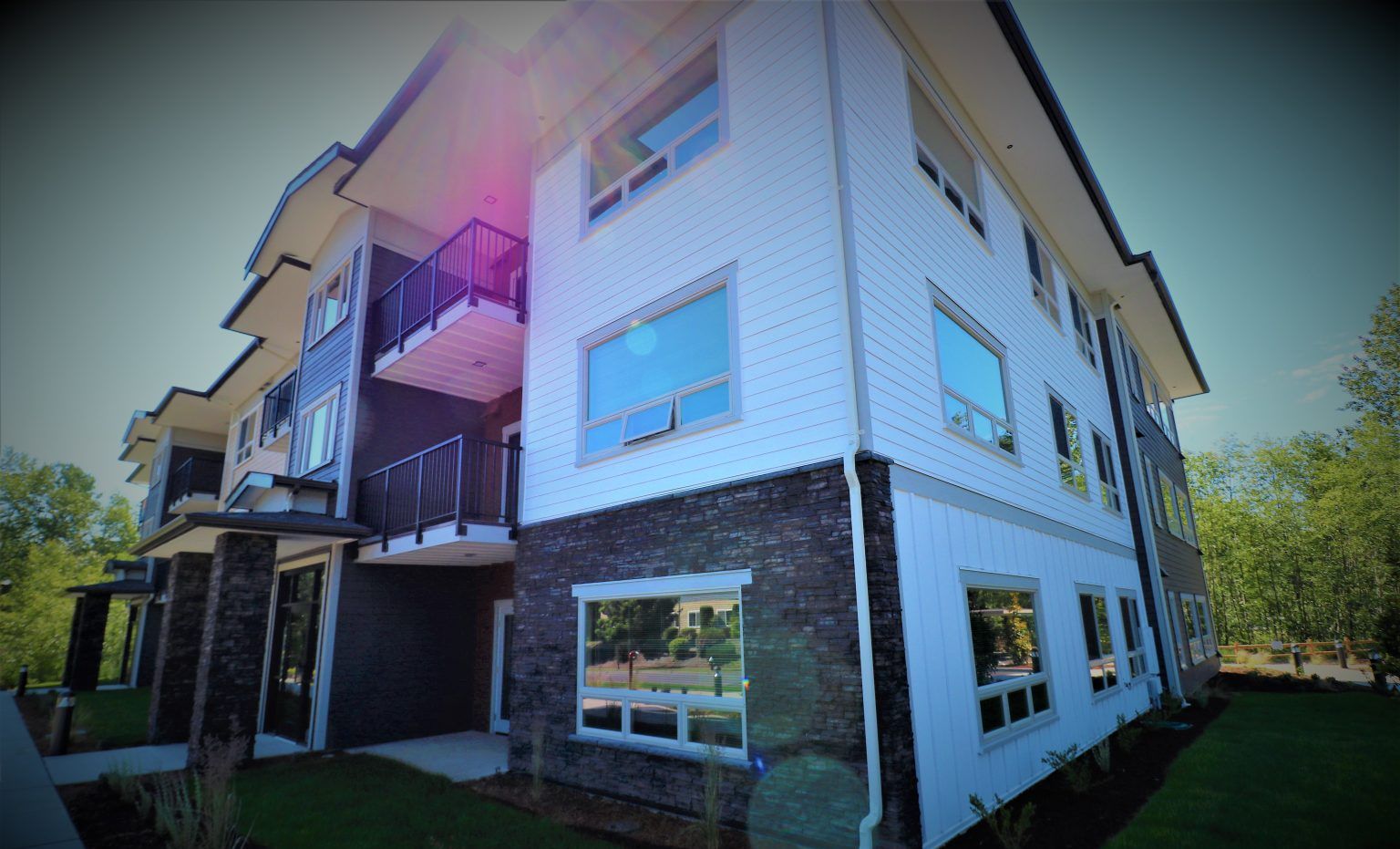
Every home is a little different, but a siding replacement in Thonotosassa generally moves through the same sequence:
A little preparation on the homeowner's side keeps the project moving and avoids surprises:
Once the siding is up and trimmed out, the county building inspector reviews the work against the approved permit before it can be closed out. Separately, Alpine Exteriors runs its own quality walkthrough - checking fastener patterns, flashing laps, and sealant joints - before calling the job finished. Cleanup includes a magnetic sweep of the yard and driveway for stray nails and screws, along with hauling away old siding, packaging, and offcuts. The final walkthrough is done with the homeowner directly: reviewing the completed exterior, working through any punch-list items, and confirming everything matches what was agreed to before final payment.
New siding involves two separate warranties worth understanding: the manufacturer's warranty on the material itself, and the workmanship warranty covering how it was installed. Installation labor is typically backed separately from whatever coverage the siding manufacturer provides, so it's worth asking any contractor to spell out clearly where one warranty ends and the other begins.
Care afterward is fairly simple. A garden hose or a gentle soft-wash is fine for cleaning; a pressure washer aimed directly at seams and laps can force water behind the siding, which defeats the point of the flashing and moisture barrier underneath. It's worth doing a quick visual check of caulking and trim joints once a year, ideally after hurricane season, since UV exposure and temperature swings can dry out sealant over time. Homeowners in this part of Hillsborough County should also keep an eye out for mud tubes or other signs of subterranean termite activity near the foundation line, since new siding doesn't change the region's termite pressure - it just gives you a fresh, easier surface to spot problems on.
On-site work for a typical single-family home usually takes four to eight working days, but the full project - from signed contract through material ordering, permitting, and final walkthrough - is more commonly six to ten weeks. Summer thunderstorm patterns and material backorders are the two most common reasons a project runs toward the longer end.
Most full siding replacements in unincorporated Hillsborough County require a building permit, particularly when sheathing or house wrap is being replaced. A licensed contractor should pull the permit under their own license number and handle inspections as part of the project, rather than putting that responsibility on the homeowner.
Yes, most homeowners stay in the house throughout. Expect exterior noise, some indoor vibration during tear-off, and crews moving around the yard and driveway during work hours. Interior living space isn't affected beyond that, though it's worth planning around any windows that will be temporarily blocked from the outside.
There's no single right answer - it depends on budget and priorities. Fiber cement resists moisture, holds paint well, and handles UV exposure without fading as quickly as some other materials, but it's heavier and typically costs more installed. Vinyl siding rated for higher wind speeds performs well and costs less upfront, though lower-grade vinyl can become brittle over years of intense Florida sun. Whatever the material, what matters most in Hillsborough County is that it carries a Florida Product Approval for the local wind load and is installed with the fastening pattern and flashing details that go with that rating - the material choice matters less than getting the installation right.
Every home in Thonotosassa carries its own mix of sun exposure, tree cover, and wall condition, so the specifics of timeline and scope are easier to pin down after a look at the house. Alpine Exteriors serves Thonotosassa and the surrounding Tampa Bay area, including Wesley Chapel, Lutz, Land O' Lakes, New Port Richey, Plant City, and Zephyrhills, and can walk through what a realistic scope, timeline, and cost range looks like for your specific home before any commitment is made.