
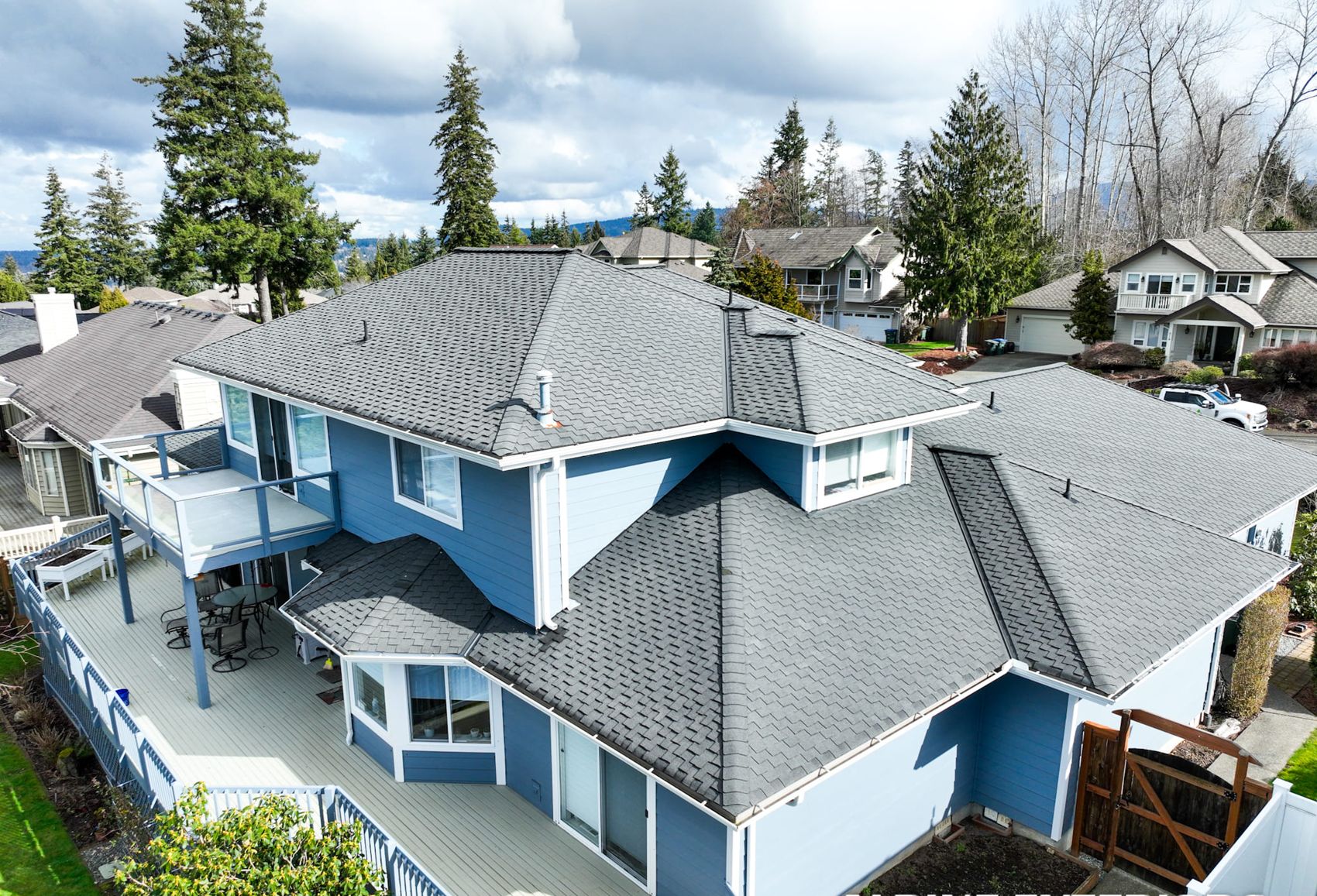
Elfers sits low and close to the Gulf, wedged between New Port Richey and the Anclote River drainage, and its housing stock reflects decades of Florida growth: 1960s-1990s concrete block ranch homes with wood-framed additions, canal-front properties, and a meaningful number of manufactured and mobile homes on the west side of Pasco County. Whatever era your house is from, the siding on it has to survive the same gauntlet — hard afternoon storms off the Gulf, months of high humidity, intense UV, and the wind loads that come with living in a hurricane-prone coastal county. This guide breaks down the siding materials that actually hold up here, the ones we'd steer you away from, and why. Alpine Exteriors has worked on homes across this stretch of Pasco County, from block ranches near Elfers Elementary to newer builds off Old Elfers Road, and this list reflects what we've seen perform and what we've seen fail early.
For most Elfers homeowners, the two materials worth serious consideration are fiber cement lap siding and thick-gauge, wind-rated vinyl siding. Fiber cement — the category that includes HardiePlank-style products engineered for the "HZ5" hot-humid climate zone — is our default recommendation for wood-framed sections of a home, additions, gable ends, and second-story walls. It doesn't feed termites, it shrugs off UV without chalking the way some plastics do over time, and when it carries a current Florida Product Approval and is installed to the manufacturer's high-wind fastening schedule, it holds up well against wind-driven rain intrusion at seams and laps. The tradeoff is upfront cost and the fact that it's heavier and slower to install than vinyl, which shows up in labor pricing.
Where budget is the deciding factor, or on a rental or secondary structure where you want solid performance without the fiber cement price tag, a heavier-gauge vinyl siding rated for higher wind speeds is a reasonable second choice. Not all vinyl is equal — the thin, builder-grade panels used on plenty of 1980s Pasco County additions are the ones we replace most often after a storm. Look for a product with its own current Florida Product Approval number and a wind-speed rating that comfortably covers your zone, not the thinnest option on the shelf.
Every material on this list gets scored against the same real conditions Elfers homes face, not generic marketing claims:
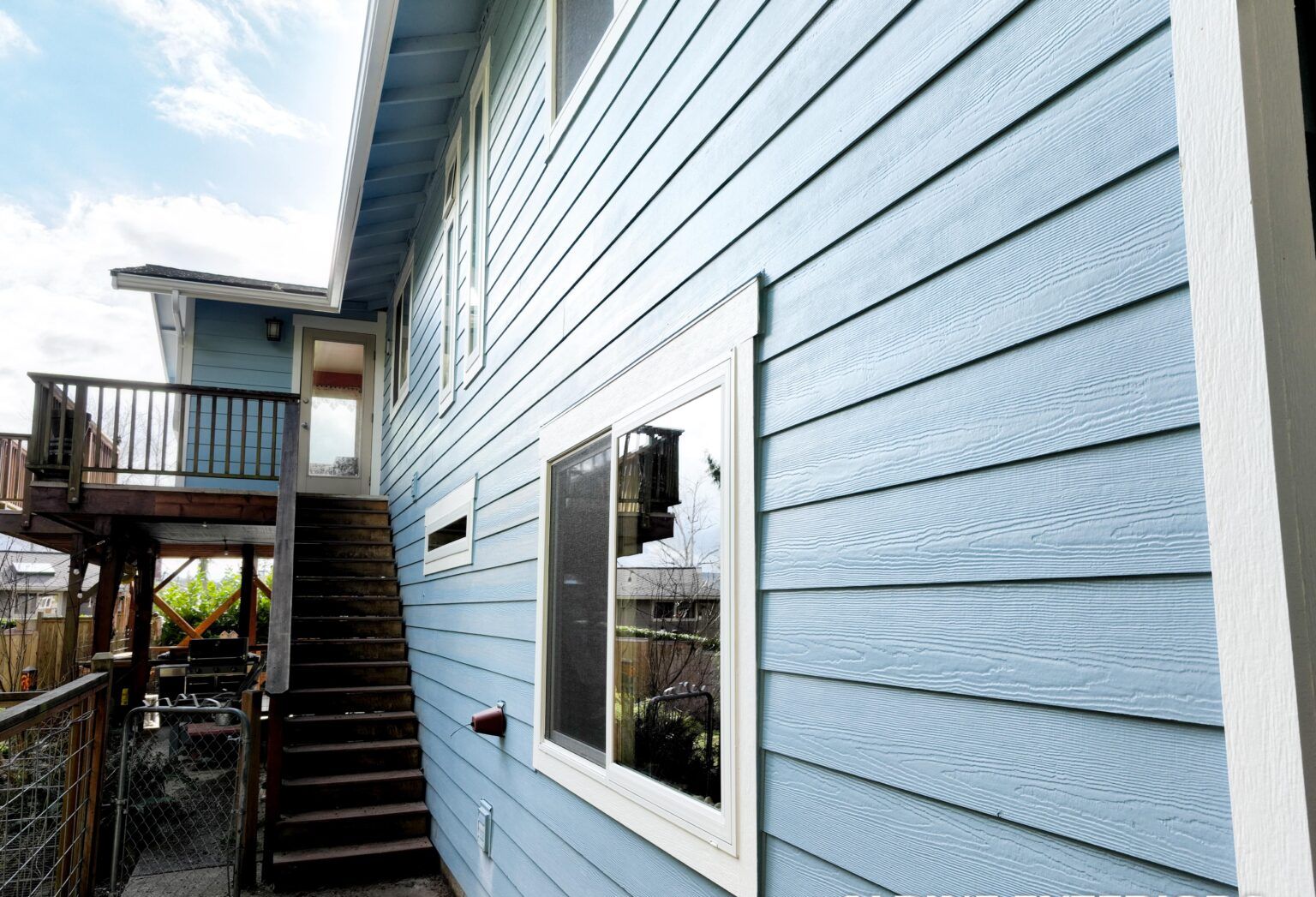
Fiber cement lap siding is a blend of cement, sand, and cellulose fibers pressed into board form, and it's become the standard recommendation for hot, humid coastal climates for good reason. It doesn't rot, it isn't a termite food source, and the factory-applied finishes on today's products resist UV fade far better than older painted wood siding ever did. On a canal-front or Gulf-adjacent Elfers property, that combination matters more than it does further inland.
Pros: excellent wind and impact performance when installed per its Florida Product Approval, no termite vulnerability, strong fire resistance, finishes that typically go a long stretch before needing a repaint, and a look that reads as more substantial than vinyl to most buyers.
Cons: it's the most expensive option on this list per square foot, it's heavy enough that installation labor costs more and the crew needs to know what they're doing, and caulking at seams and trim needs periodic inspection — a neglected seam is where wind-driven rain finds its way in over time. It also has to be cut with proper dust control, which adds to install complexity.
Vinyl remains popular in Pasco County because it's affordable and low-maintenance, but the range in quality between products sold as "vinyl siding" is enormous. A heavier-gauge panel with a documented Florida Product Approval and a wind rating that fits this area's exposure can perform well for many years, particularly on single-story homes with simpler wall geometry.
Pros: lower material and labor cost than fiber cement, never rots or feeds termites, doesn't need painting, and modern locking panel systems resist wind uplift better than the vinyl sold a generation ago.
Cons: thin or older-style vinyl is genuinely vulnerable in this area — it's one of the most common things we're called to replace after a tropical storm, either from wind uplift at the bottom of a panel run or from debris impact. Dark colors absorb heat and can warp in direct Florida sun over time. It's also less forgiving of an out-of-plane wall than fiber cement, so on older Elfers homes with some settling or waviness, vinyl can telegraph those imperfections more visibly.
A fair number of older homes and additions around Elfers still carry original aluminum siding from decades past, so it's worth addressing honestly rather than dismissing it outright.
Pros: it's inherently fireproof, doesn't rot or attract termites, and well-maintained aluminum can last a long time. If your home already has sound aluminum siding, a repaint and re-caulk is sometimes a legitimate lower-cost alternative to full replacement.
Cons: it dents easily, which shows up after hail or storm debris and doesn't pop back out. Older aluminum siding predates current Florida Product Approval requirements and modern high-wind fastening standards, so on a home due for full siding replacement, we generally don't recommend installing new aluminum siding as a first choice today — vinyl and fiber cement have both surpassed it for wind performance and finish durability. It also transmits sound and heat more than either alternative, which matters in Florida's climate.
Engineered wood products (wood strand siding bonded with resins) show up in some Florida markets as a fiber cement alternative, and while manufacturers have improved moisture resistance over the years, we're more conservative about recommending it in a humidity and termite environment like Pasco County's. It still contains wood fiber, and if the factory-sealed edges and finish are ever compromised — a cut end left unsealed during installation, a scratch that goes untouched — it becomes more vulnerable to moisture swelling and termite interest than fiber cement ever is. We'll install it if a homeowner specifically wants that look and budget, but for a primary residence in this area, fiber cement is the more dependable long-term choice.
Beyond the material-specific cautions above, a few installation and product choices cause repeat problems on Elfers homes specifically:
Yes. Pasco County falls under the wind provisions of the Florida Building Code, and any exterior cladding product installed here should carry a current Florida Product Approval documenting the wind pressures it's rated for, installed using the fastening schedule that approval specifies. Elfers isn't in Florida's High-Velocity Hurricane Zone, but it is exposed enough to Gulf weather systems that cutting corners on wind rating is a real risk, not a formality.
The OIR-B1-1802 Uniform Mitigation Verification Inspection Form, used by Florida insurers to calculate wind mitigation discounts, focuses mainly on roof-to-wall connections, roof covering, and opening protection rather than wall cladding directly. Siding itself typically isn't a line item on that form, but a full exterior renovation is a reasonable time to have a wind mitigation inspection done alongside it, since some of the same crews and access points overlap.
It can, if the underlying cause is water getting behind old or failing siding. New siding installed with a proper drainage plane, sealed penetrations, and correctly lapped seams stops a lot of the incidental moisture intrusion that feeds mold growth on sheathing and framing. It won't fix a moisture problem caused by something unrelated, like poor grading or a roof leak, so it's worth identifying the actual source before assuming siding alone solves it.
It depends heavily on the material and installation quality rather than a fixed number. Fiber cement installed and finished properly tends to go the longest between major maintenance, often decades, with periodic caulk and paint upkeep. Quality vinyl can also last many years if it's the right gauge and wind rating for this area and wasn't installed too tight. In every case, coastal humidity and UV exposure mean skipping annual inspection of caulk lines, corners, and fastener points shortens the real-world lifespan of any siding, regardless of what the material is rated for.
The right siding for a canal-front home near the Anclote is not always the right siding for a block ranch further inland toward Land O' Lakes, and the only way to know for sure is to have someone look at your specific walls, exposure, and budget. Alpine Exteriors, Florida contractor license RB29003900, serves Elfers and the surrounding Pasco County communities and can walk your property, explain what Florida Product Approval applies to the products we'd recommend, and give you an honest read on what your home actually needs before you commit to a material. Reach out to schedule a no-pressure assessment and get a real cost range for your project.