
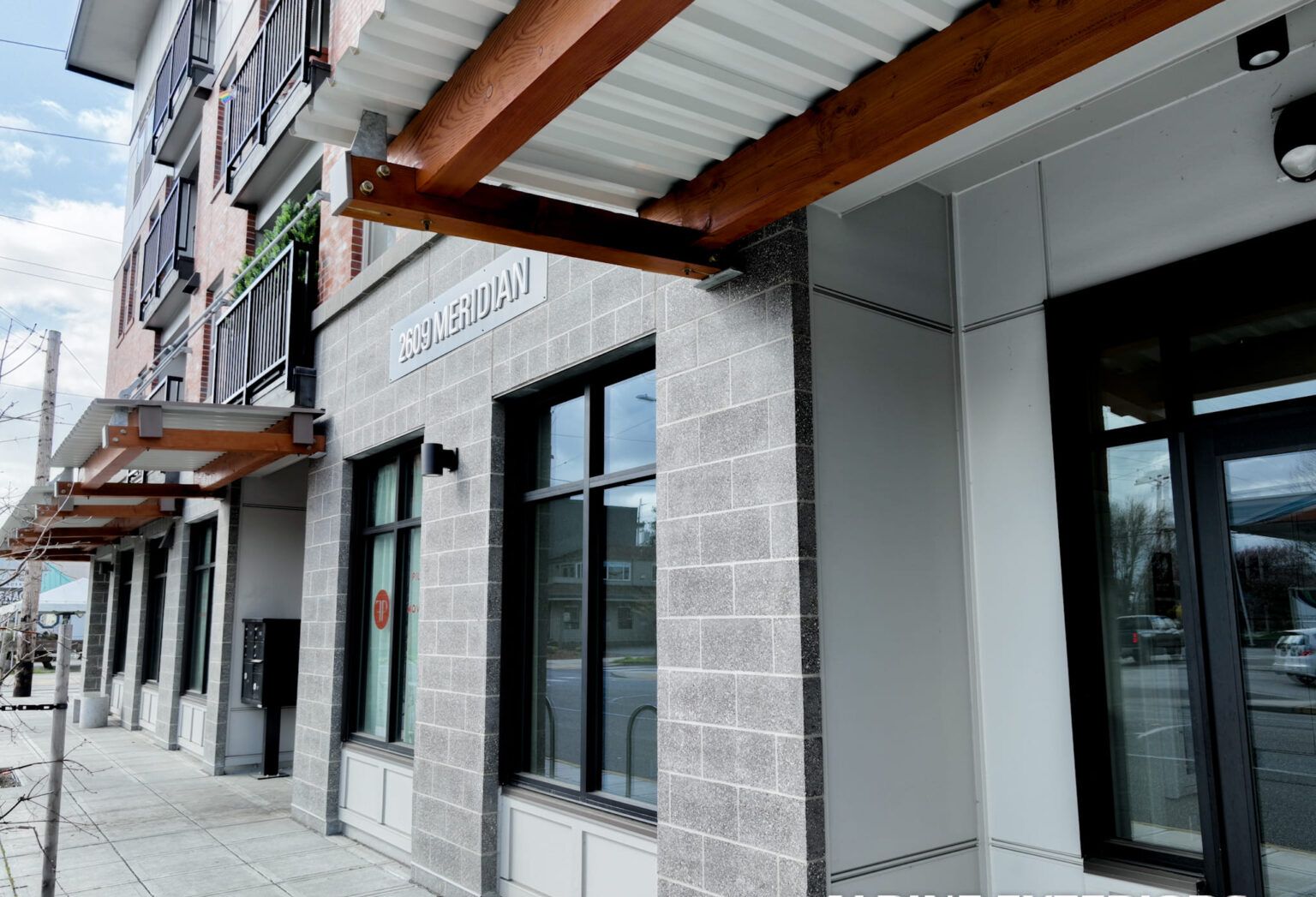
Connerton sits in the Land O' Lakes area of Pasco County, a master-planned community built mostly since the mid-2000s with a mix of stucco-and-frame construction, HOA-governed design standards, and homes that back up to conservation land and ponds. If you're re-siding a home here, or picking a product for an addition or accent wall, the choice isn't just about looks. It's about what survives a Florida summer of afternoon storms, a direct or near-direct hurricane hit, and years of subtropical humidity without cupping, rotting, or fading. Below is our honest breakdown of the siding options that actually make sense for this neighborhood, and a few that don't, based on years of installing and repairing exterior products across Tampa Bay.
For most Connerton homes, our top recommendation is fiber cement siding (products like HardiePlank), followed by impact-rated vinyl siding as a lower-cost alternative for homes where budget or weight-load concerns rule out fiber cement. Fiber cement wins on this list because it resists the two things that do the most damage locally: wind-driven rain intrusion and moisture-related rot, while also standing up to intense UV without the chalking or fading that shortens the life of cheaper products. Impact-rated vinyl is a reasonable second choice when installed with the correct fastening pattern and a wind-rated Florida Product Approval, particularly on additions or smaller sections where matching an existing stucco home isn't the goal. We'd steer most homeowners away from untreated wood and standard (non-impact) vinyl in this specific market, for reasons we get into below.
Not every siding criterion that matters in, say, the Midwest matters here, and vice versa. We weighed each option against the conditions that actually hit a Connerton roofline and wall assembly:
Fiber cement is a blend of cement, sand, and cellulose fibers, formed into planks or panels that are then factory-primed or pre-finished. It's the option Alpine Exteriors installs most often on Pasco County homes that are re-siding rather than sticking with stucco.
Pros: It doesn't rot, doesn't feed termites, and holds paint and factory finishes far longer under intense UV than vinyl or wood. Fiber cement products carry Florida Product Approvals for wind resistance when installed per the manufacturer's fastening schedule, which matters for HVHZ-adjacent wind requirements in this part of the state. It also has real mass and rigidity, so it doesn't oil-can or rattle in gusty wind the way thin vinyl can.
Cons: It's heavier and more labor-intensive to install than vinyl, which means higher labor cost. It must be painted (even pre-finished versions eventually need repainting), so it's not a zero-maintenance product. It's also more brittle than wood or vinyl during handling and cutting, so installation quality genuinely affects long-term performance, an installer who doesn't seal cut ends or follow the clearance-to-grade spec is setting the homeowner up for moisture problems down the road.
Standard vinyl siding is common across Florida because it's inexpensive and low-maintenance, but for Pasco County, we specifically recommend the heavier-gauge, impact-rated vinyl products with a current Florida Product Approval for wind pressure, not the builder-grade vinyl sold at big-box stores.
Pros: Impact-rated vinyl never needs painting, resists moisture intrusion at the panel itself (though flashing and underlayment still matter), and is noticeably cheaper installed than fiber cement. It won't rot or attract termites. Good product lines hold their color reasonably well under Florida sun, though not as well as factory-finished fiber cement.
Cons: Even impact-rated vinyl can crack on hard debris strikes during a significant windstorm, and it's more vulnerable to heat distortion than fiber cement, panels installed too tight without proper expansion gaps can buckle in summer heat. It also reads as a lower-end material next to stucco and fiber cement in an HOA community like Connerton where a lot of the housing stock is stucco, so it's worth checking your specific street's architectural pattern before committing to a full vinyl re-side.
This is standard vinyl siding manufactured with a rigid foam backing laminated to the panel, rather than foam installed separately underneath.
Pros: The foam backing adds rigidity, which helps the panel resist wind pressure and reduces the oil-canning look that plagues cheaper vinyl. It also improves the wall assembly's insulation value slightly, a modest benefit here since Florida's cooling load is driven more by attic heat and window performance than wall R-value, but it's not nothing. The added stiffness also means fewer visible seams and a straighter reveal line, which some homeowners prefer aesthetically.
Cons: It costs meaningfully more than standard vinyl while still carrying the same core weaknesses, it's a plastic product that can be damaged by wind-borne debris, and it needs a legitimate Florida Product Approval rating for wind, not all insulated vinyl lines are rated for higher wind pressures. If you're already paying a premium over standard vinyl, it's worth comparing that price against entry-level fiber cement before deciding.
Engineered wood (wood strand composite treated with resin and a zinc-borate preservative) is sometimes marketed as a warmer-looking alternative to fiber cement.
Pros: It's lighter than fiber cement, easier to cut and install, and gives a more traditional wood grain appearance without the cost of real wood siding.
Cons: This is the option we're most cautious about recommending in Pasco County specifically. Despite borate treatment, engineered wood is still an organic wood product, and Central Florida's termite pressure and humidity levels are exactly the conditions that stress this material's long-term warranty claims. It also requires diligent caulking and painting maintenance; skip a maintenance cycle here and moisture wicking at cut edges and seams becomes a real risk faster than it would in a drier climate. We'll install it when a homeowner specifically wants the look and understands the maintenance commitment, but we don't lead with it for this region.
A few products and shortcuts consistently cause problems for homes in this area, and we'd rather tell you now than fix it later:
For most homeowners planning to stay in the home long-term, yes. Fiber cement's resistance to Florida UV, moisture, and termites generally means a longer service life and less mid-life fading or warping than standard vinyl, which can offset the higher upfront installed cost over a couple of decades. If you're re-siding a rental property or plan to sell soon, impact-rated vinyl can be a more budget-conscious choice that still performs well.
Yes, siding materials and their installation method need a Florida Product Approval rated for the wind pressures applicable to your location under the Florida Building Code. Ratings vary by product line and fastening pattern, so the same siding can be rated differently depending on nail spacing and substrate. Alpine Exteriors can pull the specific approval documentation for the products we quote so you know exactly what you're getting.
It's common and generally allowed, many homes use siding as an accent on gables, dormers, or a full second story over a stucco base. The main things to check are your HOA's architectural guidelines for approved materials and colors, and making sure the transition detail between stucco and siding is properly flashed so wind-driven rain doesn't get trapped behind either surface.
It depends on the product. Impact-rated vinyl needs occasional washing to keep mildew from building up in the humidity but no painting. Fiber cement needs periodic repainting or recaulking at seams, typically less often than wood, but it's not maintenance-free. Engineered or real wood siding needs the most consistent upkeep here, since lapses in caulking or painting open the door to moisture and termite issues faster in a humid climate than in a drier one.
Choosing siding for a Pasco County home means balancing wind rating, moisture resistance, HOA rules, and your budget, and the right answer isn't the same for every house on the block. Alpine Exteriors (FL license RB29003900) serves Connerton and the surrounding Tampa Bay area, including Land O' Lakes, Wesley Chapel, Lutz, New Port Richey, Plant City, and Zephyrhills. If you'd like an honest walk-through of what fits your home, your architectural review requirements, and your budget, reach out for a free on-site estimate and we'll show you the product options, wind ratings, and real cost ranges side by side.