

Keystone sits in a corner of Hillsborough County that looks and feels different from the rest of Tampa Bay. Large lots, mature oak canopy, equestrian-friendly zoning, and a string of platted subdivisions with their own architectural review boards give the area a quieter, more rural character than the stucco-and-tile subdivisions closer to downtown Tampa or the beach communities to the west. That character shapes which siding colors actually work here — and just as important, which ones create problems once the Florida sun, humidity, and your HOA's design review committee get involved. This guide breaks down the siding color decision the way Alpine Exteriors talks through it on a job walk in Keystone, with the reasoning shown and the trade-offs left in.
For most Keystone homes, we steer clients toward light-to-mid warm neutrals — think wicker, sandstone, warm greige, and soft clay — for the field color, with a darker bronze, black, or deep green reserved for shutters, doors, and trim. There are three reasons this combination keeps coming up as the practical answer for this specific area:
None of this means bold color is off the table everywhere in Keystone — some lots aren't in a deed-restricted subdivision, and taste is personal. But if you want a color decision that holds up in five years and doesn't trigger a call from your HOA, this is the safe, defensible starting point.
We didn't rank these colors on looks alone. Every option below was weighed against conditions that are specific to living in Keystone and the wider Tampa Bay area:
Termite pressure, common throughout this part of Florida, doesn't affect color choice directly, but it's part of why Alpine Exteriors leans toward fiber cement and quality vinyl over painted wood siding in the first place — neither gives termites anything to eat, which takes one long-term maintenance worry off the table regardless of which color you land on.
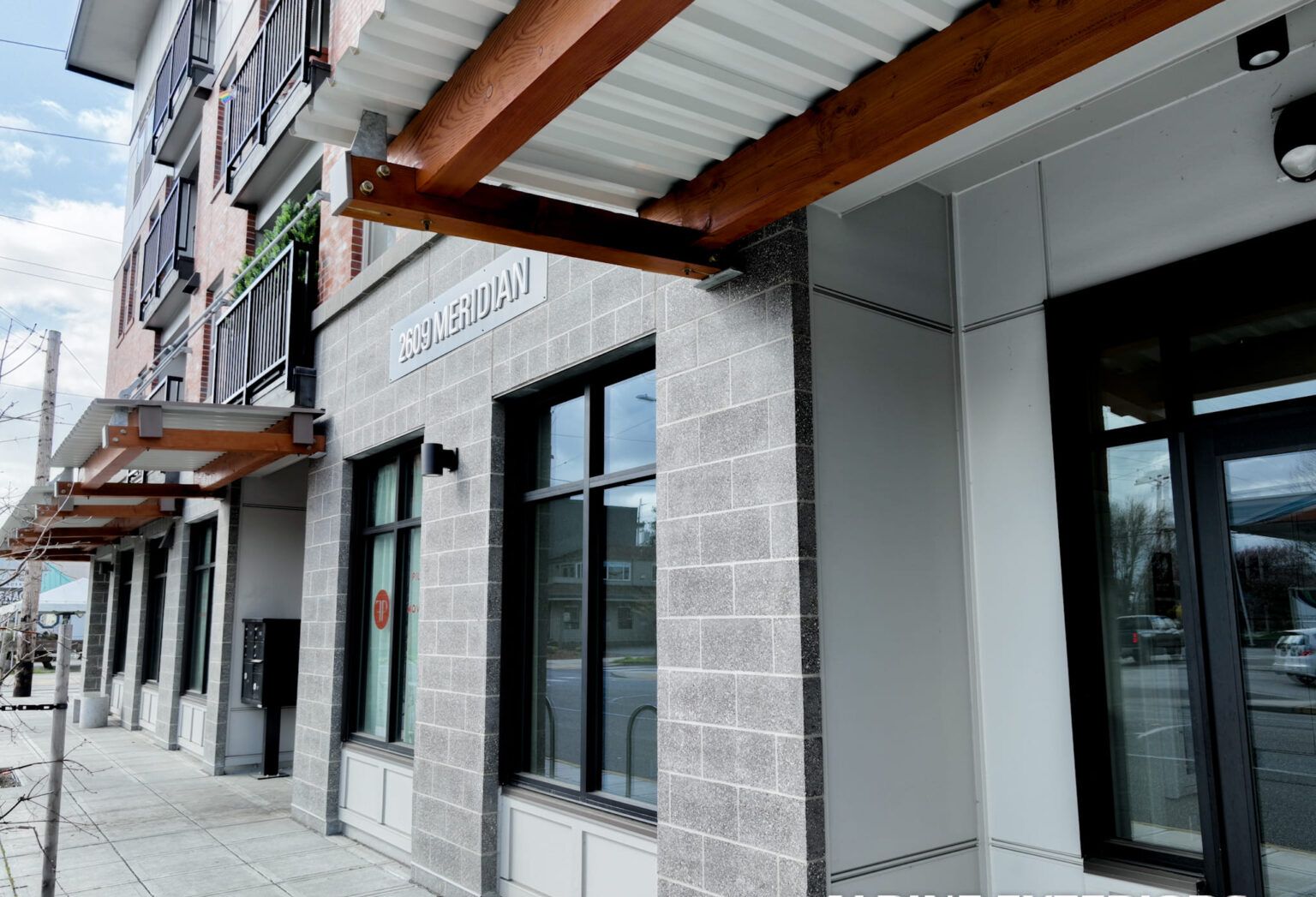
These are the workhorse colors of Tampa Bay siding, and for good reason. They reflect heat well, they read consistently whether a wall is in full sun or under oak shade, and they clear almost every HOA design review we've encountered in Keystone without discussion. The honest downside: they're common. If half the street already has a similar sandstone or wicker exterior, your house won't stand out, and some homeowners find the look a little safe or plain without strong trim and door color to add contrast.
A warm gray with a hint of tan — often marketed as 'driftwood' or 'mineral' — has become one of the more popular middle-ground choices in the last several years. It photographs well, pairs cleanly with black or bronze windows and gutters, and holds up to Florida sun better than a true cool gray, which can look sterile against green landscaping. The drawback is that true cool-toned grays (heavy on the blue or violet undertone) can look stark and out of place against Keystone's green, wooded lots, and against dappled oak shade they can shift toward flat and lifeless. If you go gray here, lean warm.
Muted clay, warm tan, and light terracotta tie in naturally with Florida's brick paver driveways, tile roofs, and the reddish tones common in local landscaping mulch and brick accents. These colors tend to camouflage pollen dust and light dirt between washes better than pure white. The honest con: a clay tone leaning too orange can read dated fast, and it's a color family with real product-to-product variation — always view a large sample outdoors, in both sun and shade, before committing.
White siding has genuine advantages: it reflects the most heat of any option, and it has a timeless quality that resists looking dated. It's also the color most likely to show mildew and black streak staining first in Tampa Bay's humidity, especially on north-facing walls that stay damp longer and get less direct UV to slow mold growth. White also shows pollen and oak tannin staining from leaf drop more visibly than a mid-tone. It's a fine choice, but plan for more frequent exterior washing than you would with a warmer neutral.
Dark colors on trim, shutters, garage doors, and window frames give a house real definition against a light or mid-tone field, and this combination is common and well-regarded across Tampa Bay subdivisions right now. As a full-field siding color, though, dark tones carry the most fade risk and the most heat-related thermal movement risk of any option on this list, particularly on vinyl. If you want a dark exterior, fiber cement with a factory-baked finish handles heat and fade meaningfully better than vinyl in the same color — that's a material conversation worth having before you commit to the color.
These cooler, muted tones can work well on Keystone lots with heavy tree cover, where the color reads against green foliage rather than against sky and pavement. They're less common here than warm neutrals, which can be a plus for a homeowner who wants to stand out slightly without going bold. The con is HOA risk: some architectural review boards in earth-tone-leaning communities will push back on blue undertones as feeling more coastal or contemporary than the rural-residential look they're trying to preserve, so it's worth checking your specific HOA's approved palette before falling in love with a sage or slate-blue sample.
Engineered wood and fiber cement products now offer convincing cedar-plank and board-and-batten wood-grain finishes without the maintenance burden of real wood. They suit Keystone's rural, tree-lined character better than almost any other look on this list. The honest trade-off: wood-look panels typically cost more than smooth-finish siding in the same material, and while quality engineered wood siding is factory-treated against termites and fungal decay, it still needs caulking and touch-up at seams and cut ends to keep that protection intact — skip that maintenance and you lose the advantage the treatment was giving you.
| Color Family | Heat / Thermal Movement Risk | UV Fade Risk | Typical HOA Fit in Keystone |
|---|---|---|---|
| Warm light neutrals | Low | Low | Very high |
| Warm greige / driftwood gray | Low–Moderate | Low–Moderate | High |
| Soft clay / terracotta | Moderate | Moderate | High |
| White / linen | Very low | Low | High (mildew-prone) |
| Deep bronze / charcoal / black | High (esp. vinyl) | High | Moderate (best as accent) |
| Blue-gray / sage green | Low–Moderate | Moderate | Variable — confirm with HOA |
A few color and product choices come up on inspections and consultations often enough that they're worth flagging directly. First, avoid committing to a very dark, highly saturated field color on standard vinyl siding without discussing panel-specific heat tolerance with your installer — Florida's summer sun on a west-facing wall is enough to warp lower-grade dark vinyl over a few seasons. Second, avoid choosing a color purely from a small chip or an online rendering. Keystone's oak canopy changes how light hits a wall throughout the day more than in open subdivisions, and colors shift noticeably between full sun and filtered shade — always view a full-size sample panel on your actual house, at more than one time of day. Third, if your property is in a deed-restricted subdivision, avoid ordering or installing before getting written architectural approval; re-siding a home in the wrong color because approval was skipped is an expensive and entirely avoidable mistake. Finally, avoid assuming any siding color exempts you from Florida Building Code wind requirements — every product installed still needs current Florida Product Approval for the applicable wind pressure zone, regardless of which finish or color you choose.
No — wind rating and Florida Product Approval are tied to the panel material, thickness, and fastening method, not the color. That said, darker colors on vinyl siding do carry a higher risk of heat-related warping over time, which is a durability and appearance concern separate from the code compliance question.
Many of Keystone's platted subdivisions maintain architectural review for exterior changes, including siding color, so it's worth checking your specific deed restrictions or HOA documents before ordering material. Homes outside a deed-restricted subdivision generally don't have this requirement, but Hillsborough County's standard building permit process still applies to the installation itself.
That depends more on color and orientation than on the siding material itself. Lighter colors and north-facing walls that stay shaded and damp longer tend to show mildew and algae streaking sooner, and most Tampa Bay homes benefit from an annual soft wash regardless of color. Mid-tone warm neutrals tend to hide staining longest between cleanings.
If a dark field color is what you want, fiber cement with a factory-baked finish generally handles Florida's heat and UV exposure better than vinyl in the same shade, with less risk of warping or premature fading. Vinyl remains a solid, more budget-friendly option for light-to-mid-tone colors, which is where it performs closest to fiber cement in terms of heat tolerance.
Choosing a siding color is easier with large samples on your actual walls, in your actual light, and a straight answer about how that color and material combination will hold up under Tampa Bay sun and humidity. Alpine Exteriors is a licensed Florida siding contractor (RB29003900) serving Keystone and the rest of Hillsborough and Pasco Counties, and we walk every color conversation through the same questions this guide raises — sun exposure, HOA fit, and long-term fade and maintenance — before any material gets ordered. If you're planning a re-side in Keystone, reach out to Alpine Exteriors for an on-site color consultation and a straightforward estimate.