
Dade City sits inland in Pasco County, surrounded by cattle pasture, citrus groves, and old oak hammocks rather than beach-front salt spray, but the color decision still isn't as simple as picking a swatch off a rack. Florida sun is relentless, summer humidity feeds mildew growth on north- and east-facing walls, and many of the newer subdivisions around Dade City, Zephyrhills, and San Antonio operate under HOA architectural guidelines that restrict certain shades outright. Alpine Exteriors has fielded these color questions on enough Pasco County jobs to know which choices hold up and which ones cause callbacks a year later. Here's an honest breakdown.
For most Dade City homes, the safest and best-performing choices are warm neutrals (sandstone, wicker tan, khaki), soft sage or muted olive green, dove gray, and a warm classic white or linen white rather than a stark bright white. These shades share three things going for them here: they carry a moderate light reflectance value that keeps vinyl profiles within manufacturer heat tolerances, they read naturally against the oak canopies and pastureland common around Dade City rather than looking transplanted from a coastal condo, and they're almost always inside the approved color range for area HOAs, since architectural review boards tend to favor traditional, understated palettes over bold statements. A darker charcoal, bronze, or deep green works well as a shutter, door, or trim accent, but we'd think carefully before using it as a full-wall color here, for reasons covered below.
Color advice that isn't grounded in local conditions is just decorating opinion. These are the factors that actually drove our recommendations for this part of Pasco County.
These are the workhorse colors of Pasco County siding for good reason. They hide dust, pollen, and light mildew staining well between cleanings, sit comfortably within most HOA palettes, and their moderate reflectance keeps them within safe heat-load range for standard vinyl. The downside is that they're common enough to feel a little unremarkable next to neighbors making the same safe choice, and lighter tans can show streaking from sprinkler overspray or hard water if irrigation heads aren't aimed away from the wall.
A warm off-white still reads as clean and traditional, and it pairs well with the black-shutter, oak-tree look that's common on older Dade City farmhouses and ranch homes. The tradeoff is that bright, stark white shows algae streaking and pollen film faster than any other color on this list, and it demands more frequent washing to stay looking crisp under intense Florida sun. A true glossy white can also read as glare-heavy against a rural backdrop rather than blending in.
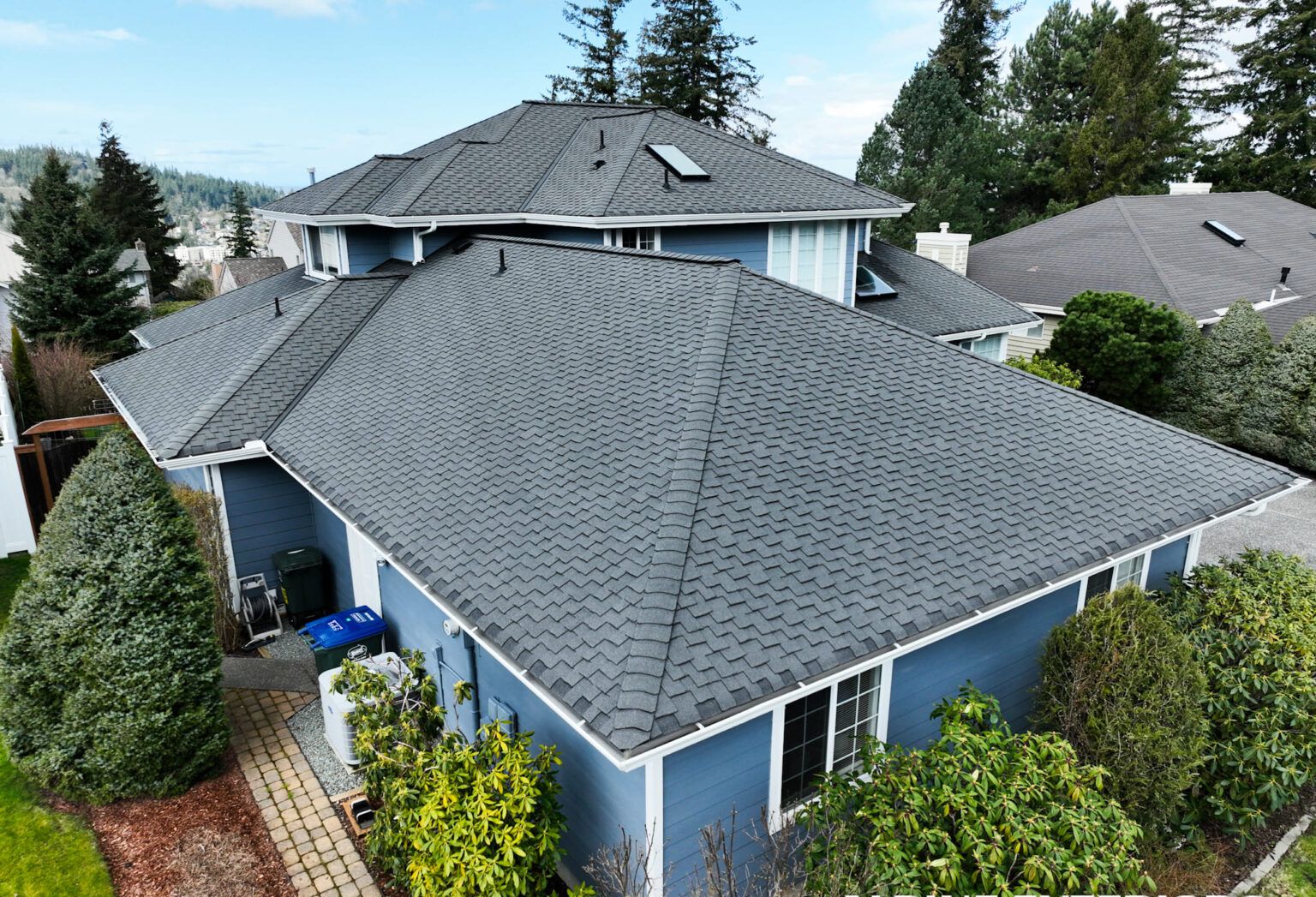
Gray has become a popular, versatile choice because it photographs well, pairs with almost any roof color, and camouflages mildew streaking better than white without going dark enough to raise heat-absorption concerns. It's also broadly accepted by area HOAs as a neutral, low-risk color. The main drawback is that a cooler blue-gray can feel slightly at odds with the warm, earthy surroundings of oak hammocks and pastureland; a warmer greige-leaning gray usually fits the Dade City landscape better than a stark cool gray.
A soft, desaturated green is one of the more distinctive choices that still reads as tasteful rather than trendy, and it genuinely complements Dade City's rural, tree-lined setting better than almost any other color on this list. It also does a good job masking pollen dusting, which is heavy here in spring. The catch is that not every HOA palette includes green, so it's worth confirming approval before committing, and a green that leans too bright or saturated can fade unevenly under years of direct UV exposure if it isn't a quality fade-resistant formulation.
A muted, grayed-down blue can look sharp and coastal-adjacent without going full nautical, and it holds up reasonably well against sun fade when it's on the lighter side of the spectrum. It's a less common choice around Dade City specifically, which can be a plus for homeowners wanting to stand out, but that same rarity means it's worth double-checking against your HOA's approved list, since some review boards default to earth-tone palettes and treat blues as an exception rather than the rule.
Warm clay and muted terracotta shades tie in naturally with Florida's Spanish and Mediterranean architectural influences and look right at home next to citrus groves and red-clay soil common around this part of Pasco County. They're a strong option for homes with tile roofs or stucco accents. The downside is that warmer, more saturated earth tones sit higher on the heat-absorption scale than a plain neutral, so on vinyl specifically we'd confirm the product line is rated for a darker LRV before finalizing the choice.
Used sparingly on shutters, a front door, or a gable accent, dark charcoal or bronze adds real contrast and a modern edge that plenty of Dade City homeowners like. Used as the primary wall color on standard vinyl, though, it's the choice most likely to run into trouble here: it absorbs significantly more heat under Florida's sun exposure, which raises warping risk unless the product is a manufacturer's dark-color-safe line, and it's also the color most likely to draw HOA pushback in a market where most approved palettes lean traditional. If a homeowner wants a genuinely dark exterior, fiber cement or engineered wood siding, which handle heat gain differently than standard vinyl, is usually the more forgiving material for it.
A few choices consistently cause problems on jobs in this area, and it's worth naming them plainly rather than dancing around it.
Many subdivisions and planned communities around Dade City, San Antonio, and Zephyrhills do maintain architectural guidelines with an approved exterior color list, even if enforcement varies by community. Rural properties outside a formal HOA generally have more freedom, but it's still worth checking your deed restrictions before ordering material, since a color swap after installation is a costly fix.
Darker, more saturated colors absorb more solar heat, and on standard vinyl siding that heat gain can eventually cause warping if the specific product wasn't engineered for a dark color. It's not that dark colors are off-limits here, but they need to be paired with a siding line rated for higher heat absorption, or with a material like fiber cement that handles heat gain differently than vinyl.
Quality vinyl with a baked-on, UV-stable finish and fiber cement with a factory-applied finish both perform well under Central Florida's sun when properly rated for the color chosen. The bigger variable is usually the quality of the finish and the specific product's fade-resistance rating rather than the base material alone, which is why matching color to product line matters as much as picking the shade itself.
Warm neutrals, soft sage or olive green, and warm-toned grays tend to check both boxes: they blend naturally with the oak canopy, pasture, and grove land common around Dade City, and they're the shades most area architectural review boards default to approving without issue. Confirming your specific HOA's palette before finalizing a color is still the safest step, since guidelines vary by community even within the same part of Pasco County.
Picking a siding color that holds up under Florida sun, clears your HOA's review, and actually looks right against Dade City's rural surroundings takes more than a paint chip. Alpine Exteriors is a licensed Florida contractor (RB29003900) serving Dade City and the wider Tampa Bay area, including Wesley Chapel, Lutz, Land O' Lakes, New Port Richey, Plant City, and Zephyrhills, and we can walk you through which colors are rated for your chosen material, what your neighborhood's HOA typically approves, and what the finished siding will actually look like on your home before any order goes in. Reach out to Alpine Exteriors for a straightforward, no-pressure siding color consultation.