
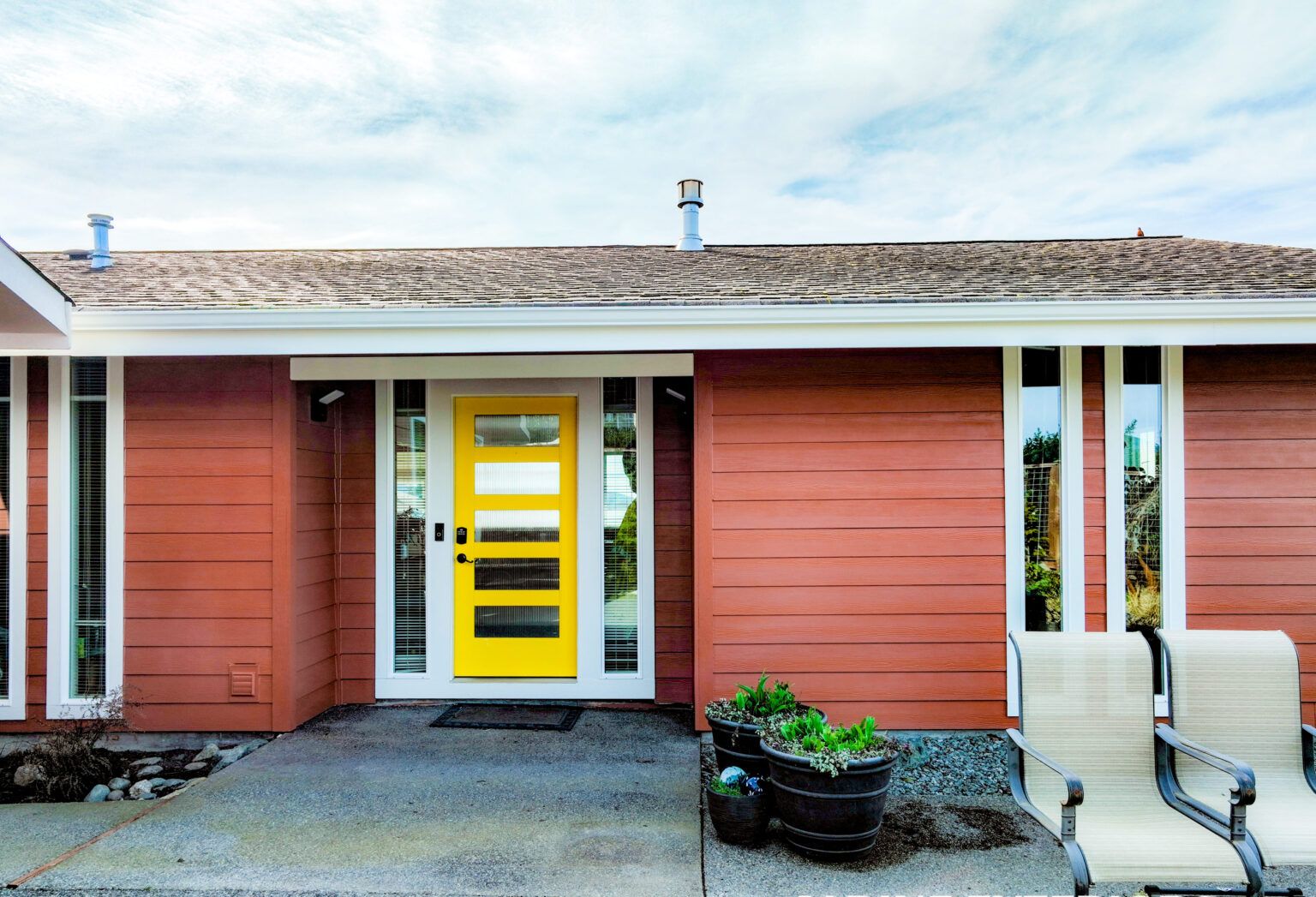
Jasmine Estates sits inland from the Gulf in a stretch of west Pasco County known for flat, sandy lots, mature pine and oak canopy, and neighborhoods built mostly in the 1970s through 1990s on ranch and split-level footprints. Picking a siding color here is not just an aesthetic decision. The subtropical sun is intense for most of the year, afternoon thunderstorms roll through all summer, humidity sits high enough to feed mold and mildew on north-facing walls, and a fair number of subdivisions in and around Jasmine Estates carry HOA-style deed restrictions that limit color choices to an approved palette. Get the color wrong and you are repainting or replacing panels years sooner than you should. This guide walks through what actually holds up in this specific pocket of Pasco County, not generic siding advice written for a different climate.
For most Jasmine Estates homes, the safest and best-performing choices cluster around three families: warm light gray or greige, soft sandy beige, and a clean warm white or dune tone. These colors reflect more solar heat than dark tones, which matters under Pasco County's near-year-round sun exposure. They also read well against the area's landscape of scrub pine, palmetto, and St. Augustine lawns, and they are the colors most local HOAs already have on their approved lists, so there is less risk of a rejected color application. If you want a little more personality without drifting into high-maintenance territory, a muted blue-gray or a soft sage green can work on the right lot, particularly homes with heavier tree cover where a stark white can look flat. Dark charcoal, black, and deeply saturated colors look striking on a sample chip but are the group most likely to disappoint a homeowner in this climate over a five-to-ten-year horizon, for reasons covered below.
Not every siding color consideration that applies in a northern climate applies in west Pasco County, and a few local factors matter more here than they do almost anywhere else in the country. We weighed each color option against:
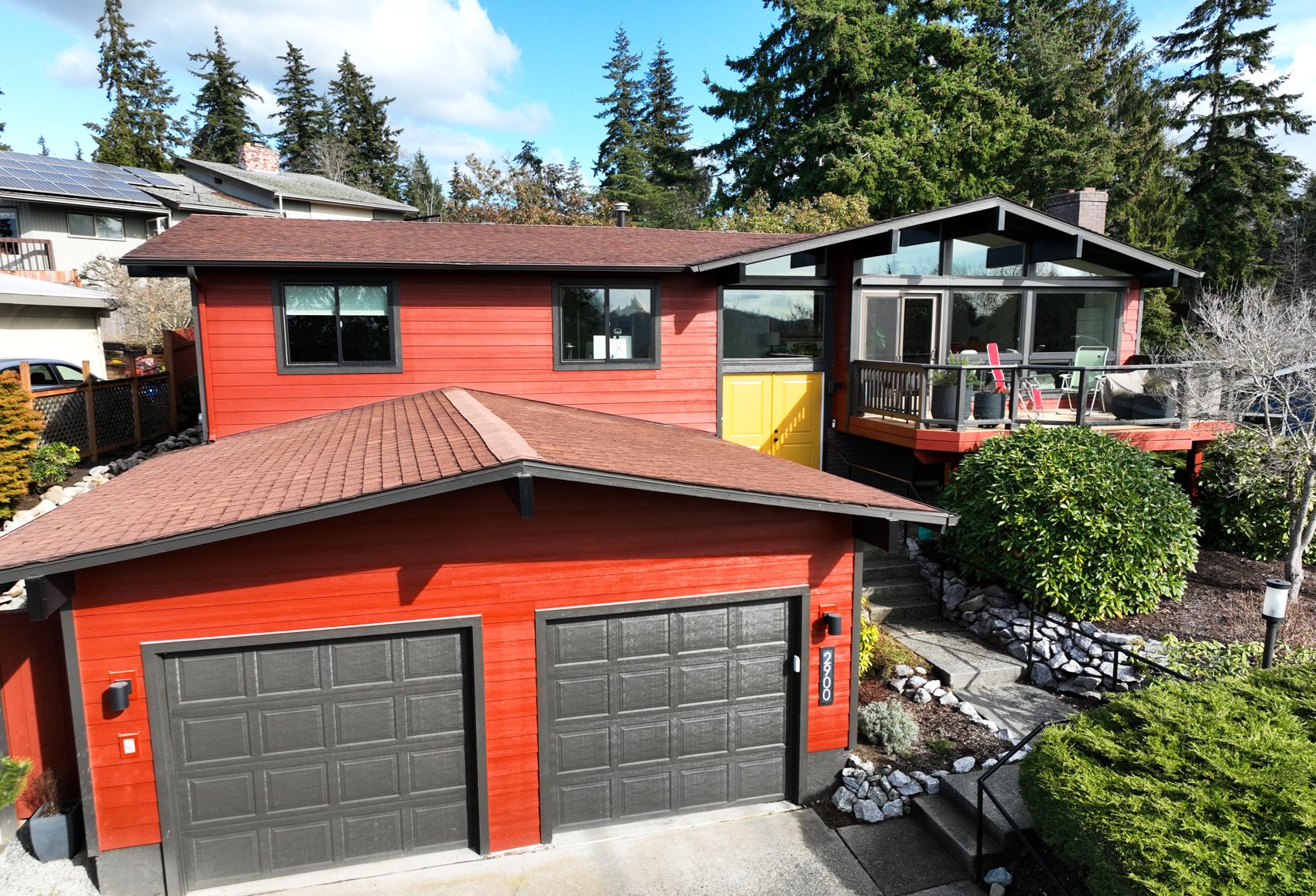
This has become the most common recommendation Alpine Exteriors makes to Jasmine Estates homeowners, and for good reason. Light gray and greige (a gray-beige blend) reflect a good share of solar heat, show far less fade over time than darker grays, and hide dust, pollen, and light mildew better than pure white. They also pair naturally with the area's mix of green foliage, terracotta roof tiles, and paver driveways. The main drawback is that light gray has become common enough in Pasco County that it can look a little unremarkable on a street where several neighbors have already chosen a similar shade; picking a slightly warmer or cooler undertone than your nearest neighbors helps the house stand apart without breaking any HOA guidance.
Beige and dune tones sit close to the natural sand and soil color of this part of Florida, which is part of why they show up so often on HOA-approved palettes. They reflect heat well, resist visible fading longer than warmer tans, and tend to camouflage minor dirt and pollen streaking between cleanings. The downside is that beige can look dated next to a home's roofline if the roof carries cool gray tones rather than warm ones, so it is worth checking the roof and trim colors before committing. Beige also shows algae staining as a slightly greenish tint over time on shaded walls, which is manageable with periodic soft washing but is worth planning for.
White and warm off-white siding brightens a lot next to Jasmine Estates' green tree canopy and reflects the most solar heat of any option on this list, which is a genuine advantage during the long, hot cooling season. It also photographs well and tends to make smaller ranch homes look larger. The tradeoff is maintenance visibility: white shows mildew streaking, pollen film, and water stains from sprinklers or roof runoff faster and more obviously than any mid-tone color, so it needs more frequent rinsing to stay looking clean. It is a strong choice for homeowners willing to do a seasonal exterior wash, less so for a set-it-and-forget-it property.
A softer, desaturated blue-gray can look genuinely distinctive on a heavily shaded lot, especially paired with white trim, without reading as unusual to an HOA review board that already permits gray tones. It handles UV fade reasonably well because the color is muted rather than saturated. It is a slightly riskier pick only because blue-toned siding can look cold against a warm terracotta roof or a lot with mostly sandy, tan hardscaping, so it works best on lots with more grass and tree cover than exposed pavers or stone.
Green siding can blend beautifully into Jasmine Estates' pine and palmetto landscape when the shade is muted rather than bright. It is one of the more forgiving colors for hiding early mildew growth, since the tones are close in hue. The honest downside is that green is the color most likely to draw a second look from an HOA committee that has not approved it before, so this is a color to confirm in writing before ordering material, and it is a smaller pool of buyers' taste if resale in the next few years is a priority.
Deep charcoal, true black, and other very dark, saturated colors are the group we steer Jasmine Estates homeowners away from most often, and it comes down to heat and fade, not looks. Dark vinyl siding absorbs far more solar energy than light colors under Florida's sun exposure, and on lower-cost or thinner-gauge panels that heat buildup can lead to warping, especially on south- and west-facing walls that get the most direct afternoon sun. Even on higher-end products rated for darker colors, UV fade is more visually obvious on dark surfaces than on light ones, because the color shift shows up as a chalky, uneven lightening rather than a subtle change. Bright, highly saturated colors outside the earth-tone range (bold reds, purples, bright blues) carry the same fade risk and are also the most likely to run into HOA pushback in this part of Pasco County, where approved palettes tend to stay conservative. Finally, we would flag any wood-look siding option installed without proper detailing at grade and around windows; Florida's subterranean termite pressure and humidity make poorly flashed wood-adjacent trim a recurring repair call, regardless of the color chosen.
Yes, more than in milder climates. Florida's intense, near-year-round UV exposure and heat make color-related stress a real factor: dark colors fade faster and absorb more heat, which can accelerate warping on lower-grade panels, while light and mid-tone colors generally hold their appearance longer between washes and repaints.
Many established subdivisions in and around Jasmine Estates and greater New Port Richey do maintain some form of exterior color approval, though rules vary by community and are not universal. It is worth checking your specific deed restrictions or HOA guidelines before ordering material, and Alpine Exteriors can help pull sample colors that tend to align with what local boards already approve.
Color itself does not change a siding product's wind rating. What matters for hurricane readiness in Pasco County is that the installed product carries a valid Florida Product Approval for the applicable wind zone and is installed to Florida Building Code fastening requirements; this is separate from the color decision and worth confirming with your contractor and, if relevant, on your OIR-B1-1802 wind mitigation inspection.
Most homeowners in this area find a soft wash once or twice a year keeps light and mid-tone siding looking clean, more often on heavily shaded, north-facing walls where mildew grows fastest. Darker colors don't need washing less often overall, but the fading is usually more noticeable on dark surfaces even after a wash than the mildew streaking is on light surfaces.
Alpine Exteriors (FL license RB29003900) has worked with homeowners throughout Tampa Bay, including Jasmine Estates and the rest of Pasco County, to match siding materials and colors to both the local climate and neighborhood requirements. If you want to see how specific colors actually look against your roofline, trim, and landscaping before committing, reach out to Alpine Exteriors for a color consultation and an honest read on what will hold up longest on your specific lot.