
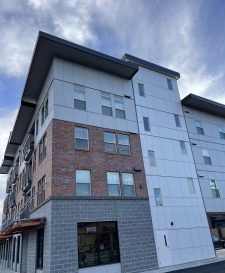
If you're re-siding a home in Trinity, the colors that hold up best over time are warm, muted neutrals — dune, sandstone, warm greige, and soft sail-cloth tones — followed by soft coastal blue-grays and muted sage greens used as either a full field color or a strong accent. Reserve deep charcoal, navy, or black for trim, shutters, and doors rather than the whole elevation. These choices aren't about trend-chasing; they're about what actually performs in southwest Pasco County's sun exposure, what most Trinity HOAs and deed restrictions will approve without a fight, and what looks right next to the live oaks, palms, and St. Augustine lawns that define this part of the county. Alpine Exteriors has installed and repaired siding across Trinity, Wesley Chapel, Lutz, and the rest of Tampa Bay long enough to see which colors age gracefully after a few Florida summers and which ones start looking tired within a couple of years.
Color is partly aesthetics and partly physics. In this climate, a handful of factors decide whether a siding color still looks good five or ten years after installation, so we weighed each option against these:
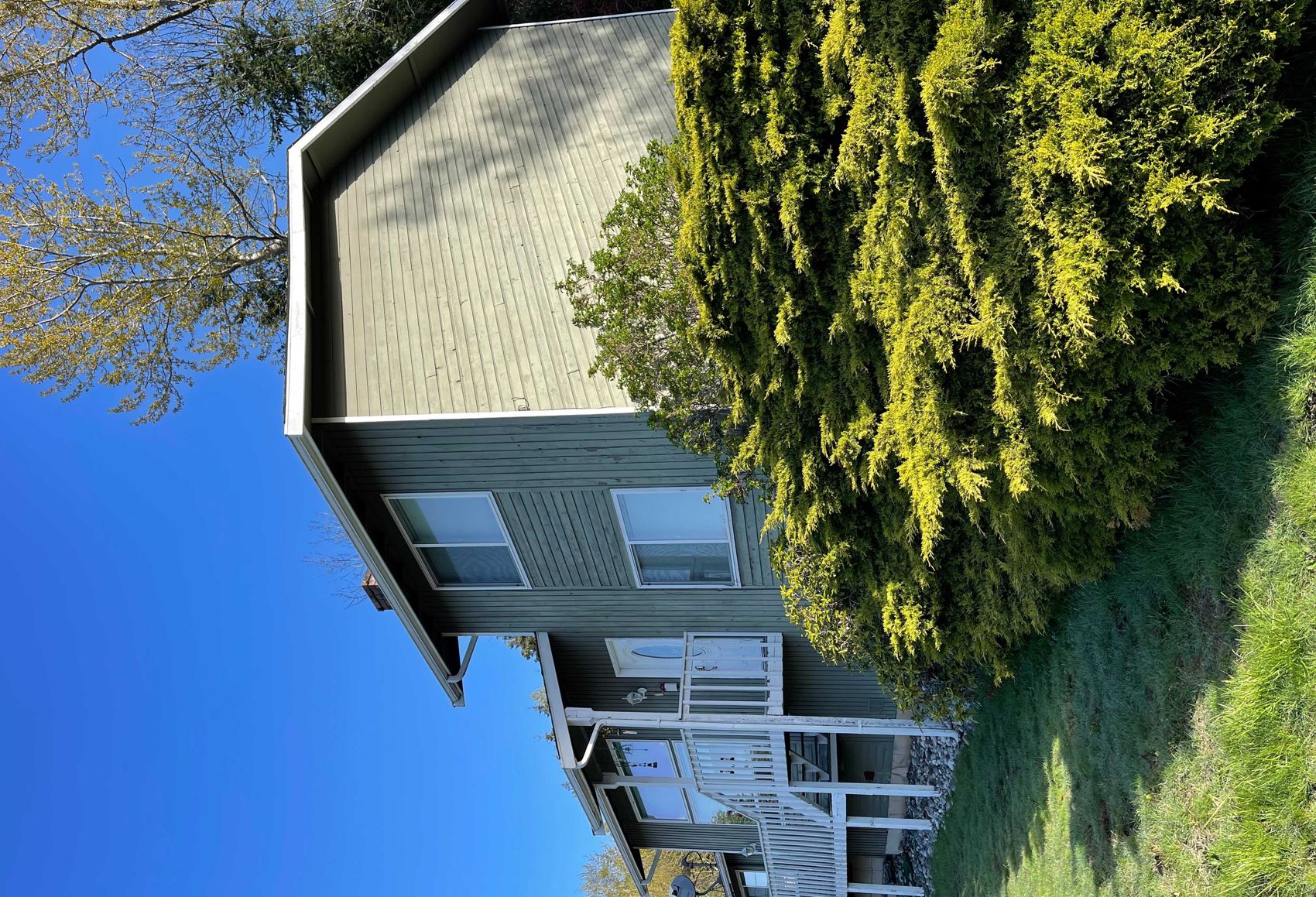
Warm neutrals — dune, sandstone, wicker, warm greige. These tones are the safest, most durable choice for full-field siding in this area. They resist visible fading because they're already low-saturation, they reflect more heat than darker options, and they're almost always inside the approved palette for Trinity's master-planned communities. The tradeoff is that they can read as plain or common — walk any newer Trinity subdivision and you'll see a lot of similar tans and grays, so if you want your house to stand out, you'll likely need to rely on trim color, shutters, or the front door rather than the field color itself.
Soft coastal blue-gray. A muted, grayed-down blue works well against Florida greenery and doesn't clash with the water-adjacent character of southwest Pasco. It photographs and ages reasonably well because the gray base mutes the blue pigment, which is more fade-prone in its purer forms. The con: some HOAs restrict blues to certain sections or require board approval, and a blue that's too saturated or too bright can visibly fade faster than the neutral tones above, becoming patchy on sun-facing walls before shaded ones.
Muted sage or olive green. This is an underused option that sits naturally with oak and palm landscaping and tends to hide pollen, dust, and mild mildew staining better than lighter colors. It reads as more distinctive without being loud. The downside is availability — fewer manufacturers offer a true muted sage in their standard color lines, and if you ever need to match a replacement panel years later, discontinued or dye-lot variations can be a real headache.
Classic soft white or off-white. White resists heat absorption better than almost any other option and rarely triggers HOA objections. It's a legitimate, honest choice — but be aware it shows dirt, pollen, and the early stages of mildew growth more visibly than a mid-tone neutral, which means more frequent washing to keep it looking sharp in a humid climate. It also tends to show streaking after wind-driven rain events more than a tone with some depth to it.
Charcoal or slate gray — as an accent, not the whole house. Used on trim, a garage door, shutters, or a small architectural feature, charcoal adds real contrast against warm-neutral siding and looks sharp against green landscaping. Used as the primary siding color across full sun-exposed elevations, it's a harder sell: it absorbs significantly more heat, which raises warping risk on vinyl, and it will show UV fade and chalking noticeably faster than lighter tones, particularly on the west-facing wall of the house.
Deep navy — as an accent. Similar logic to charcoal. In small doses — a front door, shutters, an accent gable — navy adds a traditional, coastal-adjacent look that pairs well with the neutral tones above. As a dominant siding color it carries the same heat and fade tradeoffs as charcoal, and most Trinity HOA palettes don't include it as a full-field option anyway.
| Color family | Fade risk | Heat gain | Typical HOA fit in Trinity |
|---|---|---|---|
| Warm neutrals (dune, greige) | Low | Low | Usually pre-approved |
| Soft coastal blue-gray | Moderate | Low-moderate | Often approved, sometimes restricted |
| Muted sage/olive | Low-moderate | Low-moderate | Case-by-case; less common on file |
| Soft white/off-white | Low | Very low | Almost always approved |
| Charcoal/slate (full field) | High | High | Rarely approved as primary |
| Deep navy (full field) | High | High | Rarely approved as primary |
A few choices consistently cause problems in this specific climate and community context, and it's worth naming them plainly rather than letting a homeowner discover the issue after installation.
Generally, yes. Darker, more saturated pigments absorb more UV energy and tend to show fading, chalking, and color shift sooner than lighter, muted tones, and the effect is more pronounced on walls that get direct afternoon sun. That doesn't mean dark colors are off-limits — it just means they're better suited to trim, doors, and accents than to an entire sun-facing elevation.
It depends on the community, but many Trinity neighborhoods maintain an approved color palette that architectural review committees check applications against. Before ordering material, it's worth pulling your community's current guidelines or asking your HOA management company directly, since palettes and approval processes vary even between nearby subdivisions.
Fiber cement and quality vinyl both hold up reasonably well when properly installed, though they behave differently. Fiber cement with factory-baked color tends to resist fading and mildew staining longer than field-painted surfaces, while vinyl's main vulnerability is heat-related warping in darker shades rather than color loss itself. Either way, proper ventilation behind the siding and periodic washing go a long way toward keeping any color looking clean in a humid climate.
No — wind performance comes from the siding product, its Florida Product Approval, and how it's installed and fastened, not from the color chosen. Color is a separate decision from the structural and code compliance side of the project, so you can generally choose freely among a product line's available colors without affecting its rated performance.
Picking a color that looks good on a sample chip is easy. Picking one that still looks good after a few Florida summers, clears your HOA's review, and comes on a product properly rated for Pasco County's wind and rain requirements takes some local knowledge. Alpine Exteriors, Florida contractor license RB29003900, works with homeowners throughout Trinity and the rest of Tampa Bay to walk through real samples against your home's actual sun exposure and your community's guidelines before anything gets ordered. Reach out to schedule a color consultation and get an honest read on what will hold up on your specific lot.